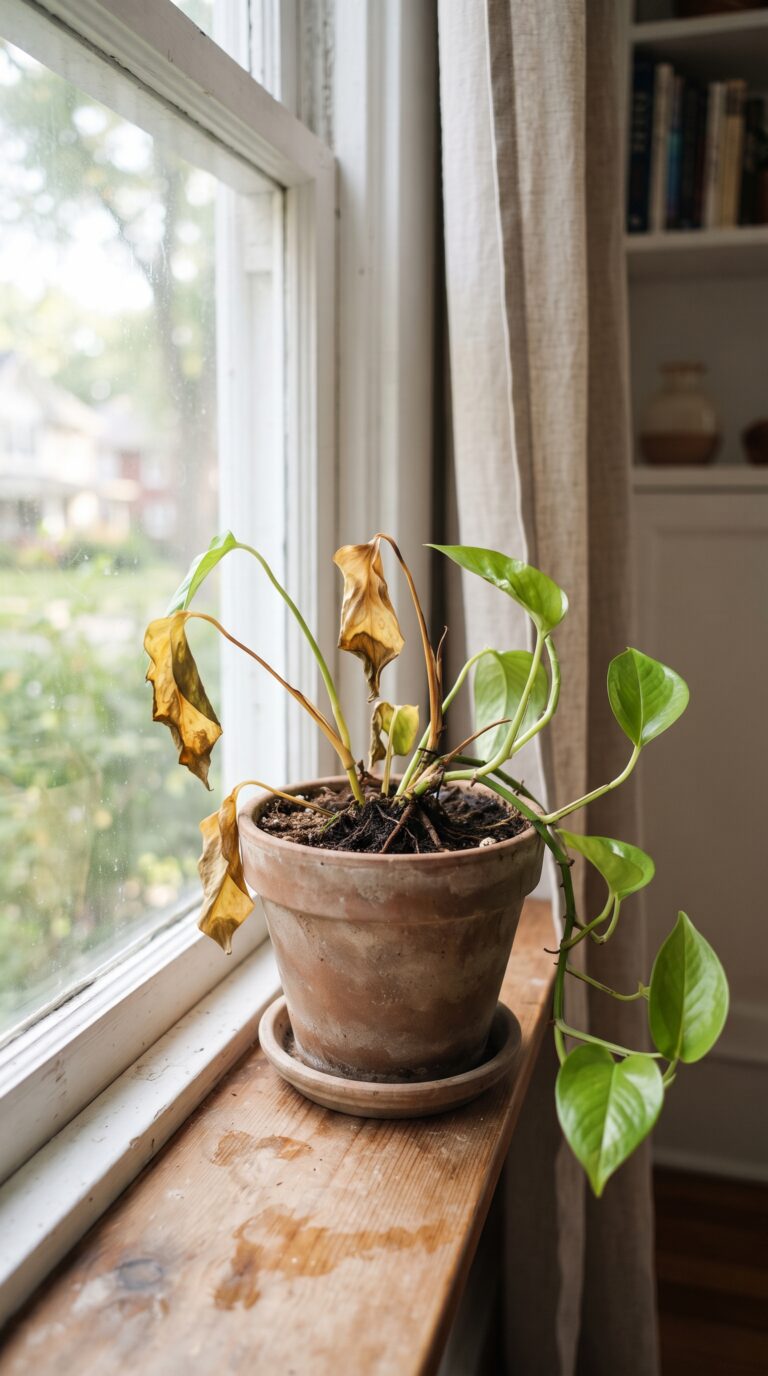
7 Signs You’re Overwatering Your Plants
Water is essential for healthy plant growth, but giving your plants too much water can cause serious problems. Many beginners think that watering more often will help their plants grow faster. In reality, overwatering is one of the most common reasons indoor plants become unhealthy.
When plant roots stay in wet soil for too long, they may not receive enough oxygen. This can weaken the roots and affect the entire plant. The first signs may appear as yellow leaves, drooping, slow growth, or soil that stays wet for several days.
Learning the signs you’re overwatering your plants can help you identify the problem early and prevent further damage. In this guide, we will look at seven common signs of overwatering and explain what you can do to help your plants recover.
What Is Overwatering?
Overwatering does not always mean giving a plant a large amount of water at one time. It can also mean watering too frequently and not allowing the soil to dry enough between watering sessions.
Every plant has different water requirements. Some plants prefer consistently moist soil, while others need the soil to dry out before they are watered again.
The type of soil, pot size, drainage, temperature, humidity, and amount of light can also affect how quickly water leaves the soil.
The goal is not simply to give your plant less water. Instead, you should provide the right amount at the right time.
1. Yellowing Leaves
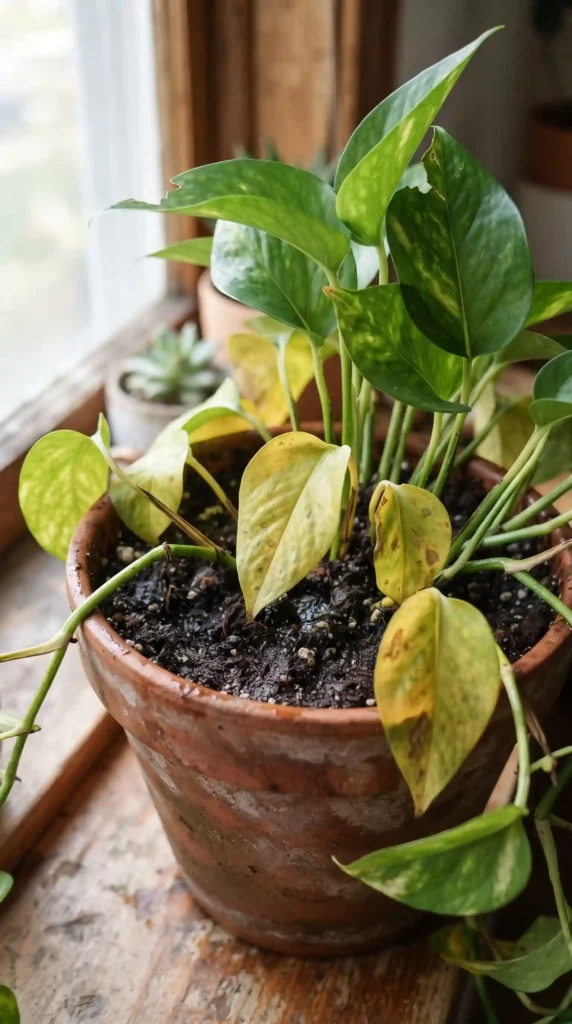
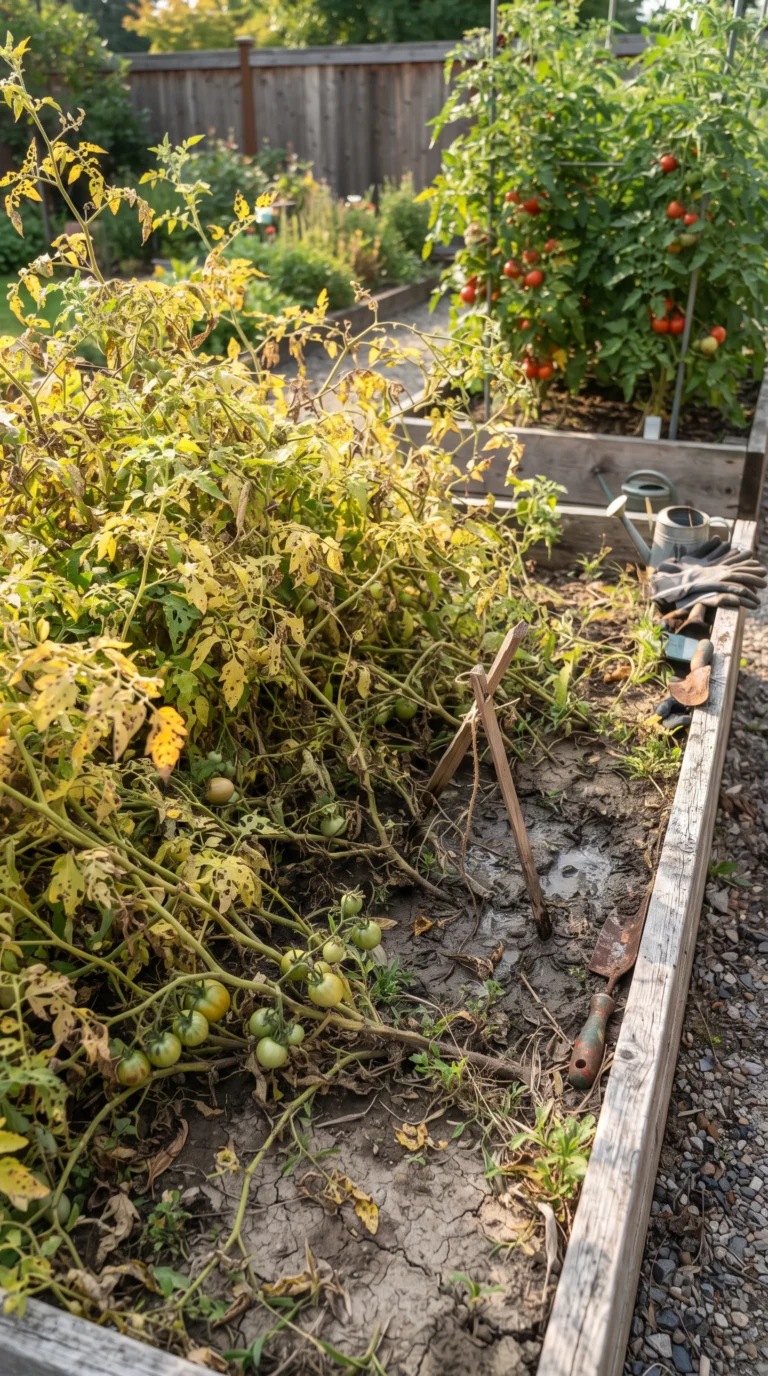
One of the most common signs you’re overwatering your plants is yellowing leaves.
When roots remain in overly wet soil, they may struggle to function properly. This can affect the plant’s ability to absorb water and nutrients, causing leaves to lose their healthy green color.
Overwatering-related yellow leaves often appear alongside other symptoms such as wet soil, drooping, or slow growth.
However, yellow leaves can have many causes, including natural aging, nutrient problems, pests, and insufficient light. Therefore, do not assume overwatering is the cause based on yellow leaves alone.
Check the soil and the plant’s overall condition before changing your watering routine.
2. Wilting Even Though the Soil Is Wet
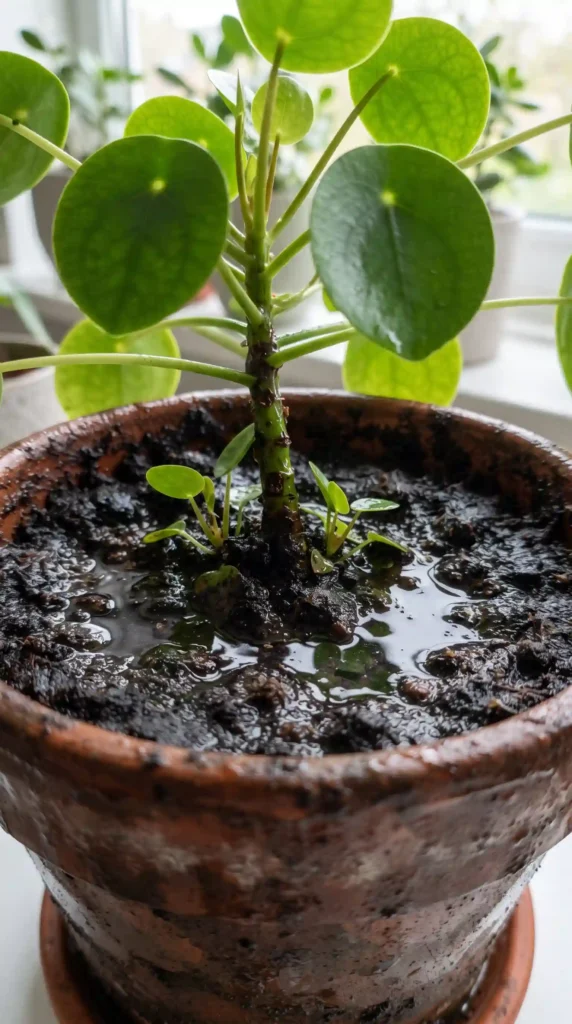
Wilting is usually associated with a lack of water, but an overwatered plant can also wilt.
This happens because damaged roots may not be able to absorb water effectively. Even though there is plenty of moisture in the soil, the plant can still appear weak and droopy.
If your plant looks wilted while the soil feels very wet, overwatering should be considered.
Avoid adding more water simply because the leaves are drooping. Instead, check the soil moisture and drainage first.
3. Soil Stays Wet for Too Long
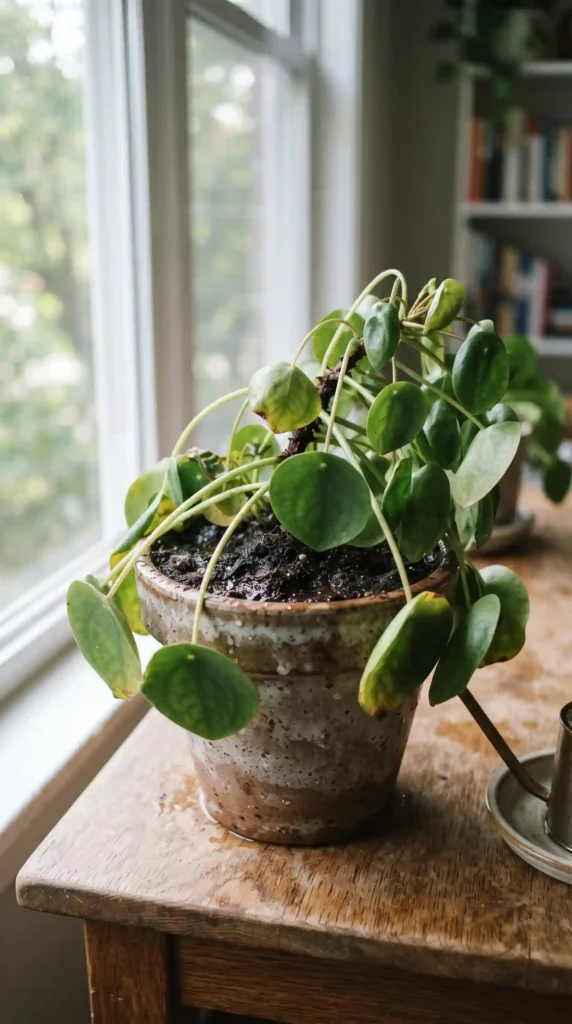
Healthy watering habits allow excess moisture to drain away and the soil to dry at an appropriate rate.
If the soil remains wet for many days after watering, your plant may be receiving water too frequently. The problem can also come from poor drainage, compacted soil, a pot that is too large, or insufficient light.
Push your finger into the soil or use another suitable method to check moisture below the surface.
Do not water simply because it is the usual day on your schedule. Water based on the plant’s actual needs.
4. Soft or Mushy Stems
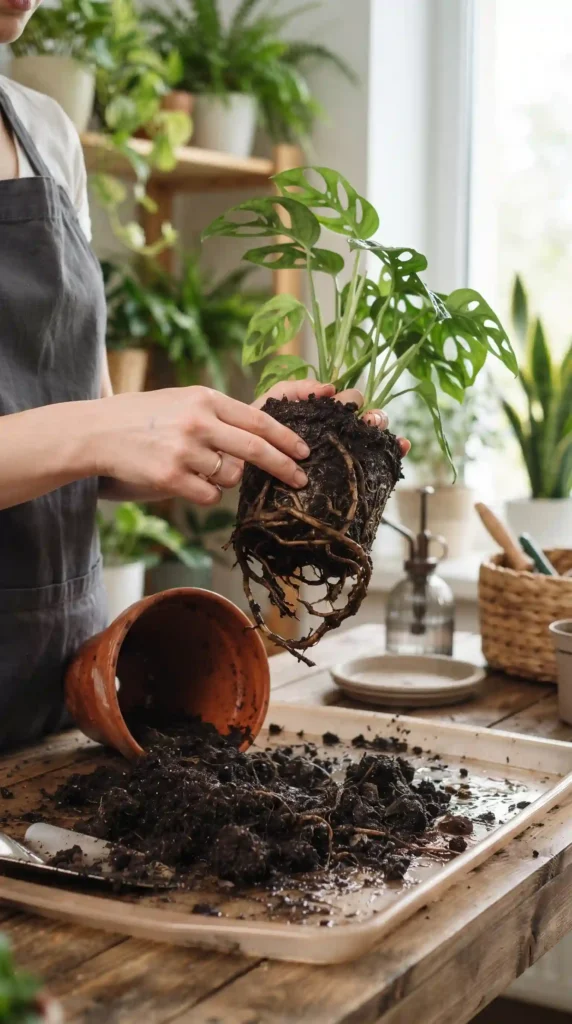
Soft, weak, or mushy stems can be another warning sign of excessive moisture.
When a plant is repeatedly exposed to waterlogged conditions, tissues can become damaged. Some plants may develop soft areas around the base of the stem.
This is more concerning when soft stems appear together with yellowing leaves, unpleasant-smelling soil, or root problems.
If the base of the plant feels unusually soft, inspect the growing conditions immediately. Reduce unnecessary watering and check whether excess water can escape from the container.
5. Root Problems
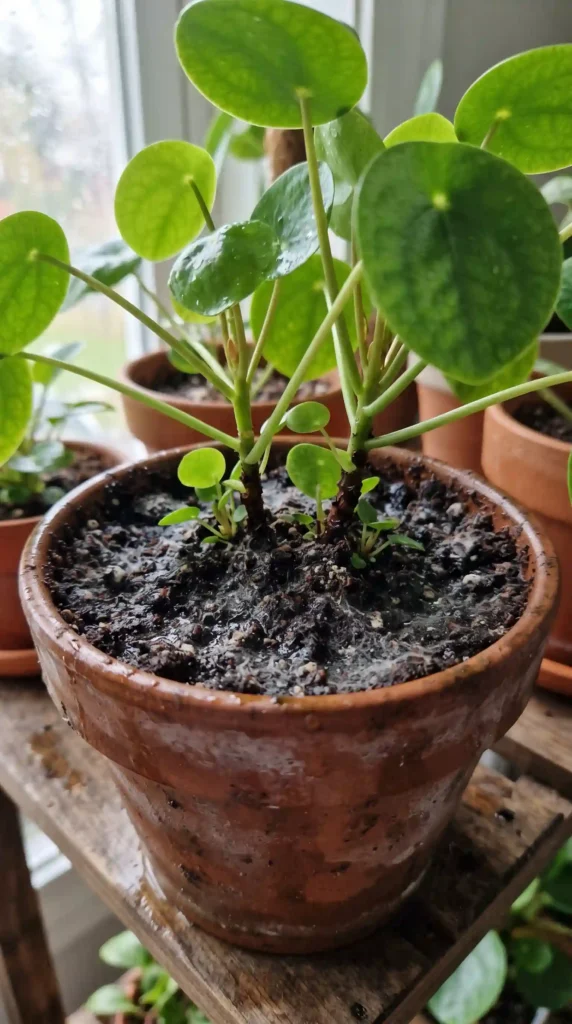
Healthy roots are essential because they absorb water and nutrients while supporting the plant.
Overwatering can create conditions where roots become weak or damaged. In severe cases, roots may become soft, dark, and unhealthy.
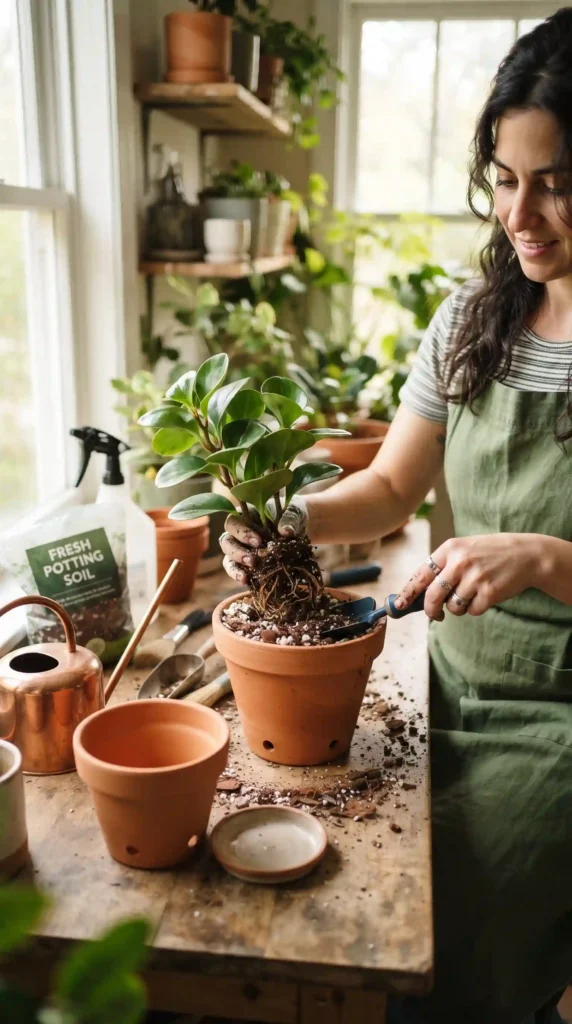
If you suspect a serious root problem, carefully remove the plant from its container and inspect the root system when appropriate.
Healthy roots generally have a firm texture, while severely damaged roots can appear mushy or deteriorated.
If many roots are damaged, removing affected roots and repotting the plant into fresh, well-draining soil may be necessary.
6. Fungus, Mold, or Mushrooms on the Soil
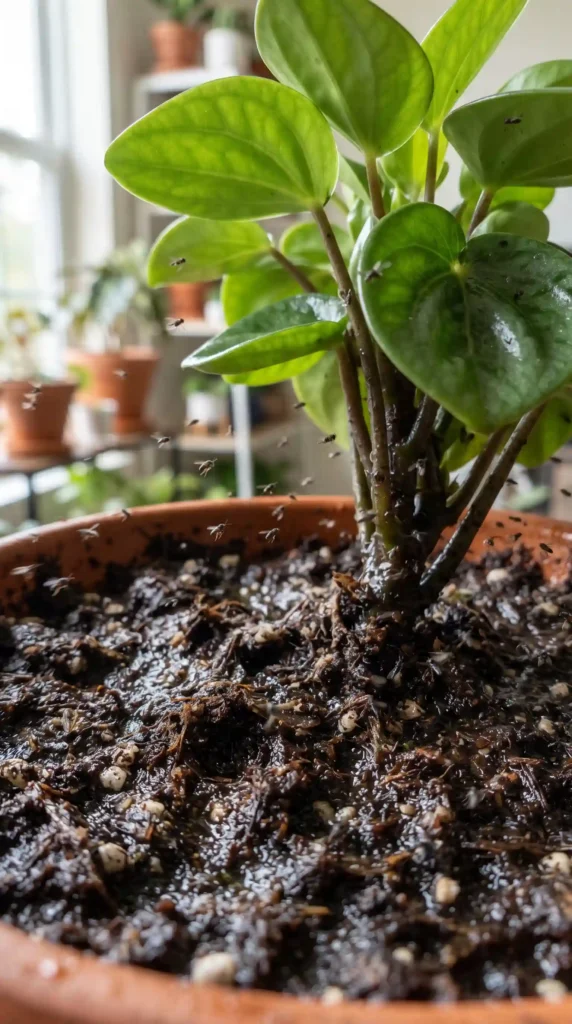
Persistent moisture can encourage fungal growth and other organisms on the surface of potting soil.
You may notice white or fuzzy growth, greenish patches, or small mushrooms appearing on the soil.
A small amount of harmless surface growth does not always mean the plant is seriously damaged. However, it can be a useful warning that the growing medium is staying wet for too long.
Improve airflow, allow the soil to dry appropriately, and make sure the container has adequate drainage.
7. Slow Growth and Weak New Leaves
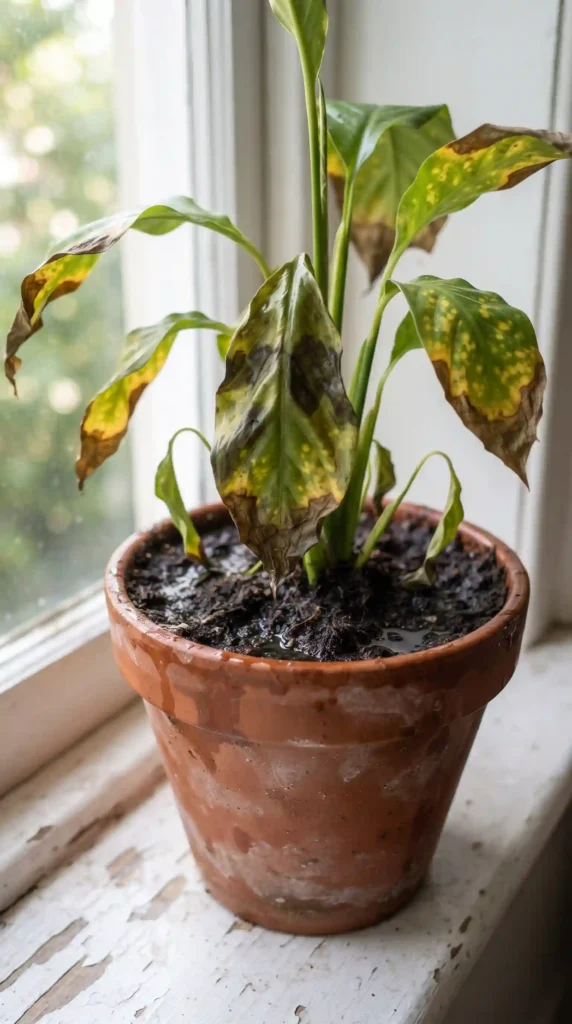
Plants need healthy roots to support new growth. When roots are constantly exposed to excess moisture, the plant may stop growing normally.
You may notice smaller leaves, weak stems, fewer new leaves, or generally slow development.
If your plant receives suitable light and nutrients but still struggles to produce healthy new growth, examine its watering routine.
Overwatering may be preventing the roots from functioning properly.
Why Overwatering Damages Plant Roots
Roots need water, but they also need oxygen. Air spaces in healthy potting soil allow oxygen to reach the root system.
When soil becomes saturated with water, these air spaces can fill with moisture. This reduces the amount of oxygen available to the roots.
As root health declines, the plant can have difficulty absorbing water and nutrients. This creates a confusing situation where a plant may appear thirsty even though its soil is wet.
This is one reason simply adding more water can make the problem worse.
How to Check If Your Plant Is Overwatered
Before changing your watering habits, inspect the soil.
Insert your finger into the soil to check moisture below the surface. You can also lift the pot to compare its weight when wet and when it is becoming dry.
Look at the drainage holes as well. Water should be able to escape freely after watering.
Check the leaves, stems, and soil together. One symptom alone may not provide enough information.
If the soil is consistently wet and several symptoms of overwatering appear at the same time, excessive watering is more likely to be the problem.
How to Stop Overwatering Your Plants
The first step is to stop watering until the soil reaches an appropriate moisture level for that particular plant.
Do not automatically wait for the soil to become completely dry. Some plants prefer more moisture than others.
Instead, learn the plant’s natural watering requirements and monitor the soil regularly.
If your pot does not have drainage holes, move the plant into a suitable container. Excess water needs a way to leave the root zone.
Also consider the type of potting mix you are using. A compact mix can hold too much moisture and reduce airflow around the roots.
Improve Drainage
Good drainage is one of the easiest ways to reduce the risk of overwatering.
Choose pots with drainage holes and use a potting mix appropriate for the plant.
If water collects at the bottom of the container, the roots may remain wet even when the top layer of soil appears dry.
Avoid placing the plant directly inside a decorative container where drained water has nowhere to go.
If you use a saucer under the pot, empty excess water after watering when necessary.
How Often Should You Water Your Plants?
There is no single watering schedule that works for every plant.
A plant’s watering needs can change depending on the season, temperature, humidity, pot size, soil type, and amount of sunlight.
Plants growing in bright, warm conditions may use water faster than plants kept in cooler or darker areas.
Instead of watering every few days automatically, check the soil first.
This simple habit can greatly reduce accidental overwatering.
Overwatering vs. Underwatering
Overwatering and underwatering can sometimes produce similar symptoms, especially yellow leaves and wilting.
The easiest way to distinguish them is to check the soil.
An underwatered plant usually has dry soil and may have crispy or curled leaves. An overwatered plant often has consistently wet soil and may have soft leaves, yellowing, poor growth, or root problems.
Looking at multiple symptoms together gives you a better idea of what is happening.
What to Do With an Overwatered Plant
If the plant is only mildly overwatered, allowing the soil to dry to the appropriate level may be enough.
For a more serious problem, inspect the roots. If the roots are badly damaged, remove unhealthy portions with clean tools and repot the plant into fresh, suitable soil.
Place the plant in an appropriate location with enough light and good airflow.
After repotting, avoid immediately returning to the same watering routine that caused the problem.
Give the plant time to adjust and monitor its condition closely.
Common Watering Mistakes Beginners Make
Beginners often make several simple watering mistakes.
One common mistake is watering according to a fixed calendar. Another is assuming every plant needs the same amount of water.
Some people also give small amounts of water frequently instead of thoroughly watering when appropriate and then allowing excess water to drain.
Using containers without drainage holes can create another problem.
The best approach is to understand your specific plant and check the soil before watering.
How to Prevent Overwatering in the Future
Prevention starts with observation.
Check the soil regularly rather than watering automatically. Learn whether your plant prefers dry, slightly moist, or consistently moist conditions.
Use pots with proper drainage and choose a suitable potting mix.
Pay attention to seasonal changes as well. Plants may use less water during cooler or darker periods and more during active growth.
Keep a simple note of when you watered if you often forget, but use the soil condition as the final guide.
Final Thoughts
Recognizing the signs you’re overwatering your plants can help you protect your houseplants before serious root damage occurs.
The seven major warning signs include yellowing leaves, wilting despite wet soil, soil that stays wet for too long, soft stems, root problems, fungal or mold growth on the soil, and slow or weak new growth.
Remember that these symptoms can have other causes too. Check the soil, drainage, lighting, temperature, and overall care routine before deciding what is wrong.
With suitable drainage, careful watering, and regular observation, you can greatly reduce the risk of overwatering and give your plants a healthier environment for strong growth.