Faded Petal Gardens: How to Use the 2026 Color of the Year in Your Yard
Garden trends change every year, but some colors have a timeless quality that makes them easy to bring home. In 2026, one of the biggest garden color trends is Faded Petal, a soft, dusty pink with a subtle gray or ash undertone.
Unlike bright pinks that demand attention, Faded Petal creates a calmer and more sophisticated look. Garden Media Group selected the Kusumi shade as its 2026 Garden Color of the Year, describing it as a color connected with nostalgia, hope, romance, and understated elegance.
The best part? You do not need to redesign your entire yard to embrace the trend. A few carefully chosen flowers, containers, accessories, and foliage combinations can give your garden the Faded Petal look.
What Is Faded Petal?
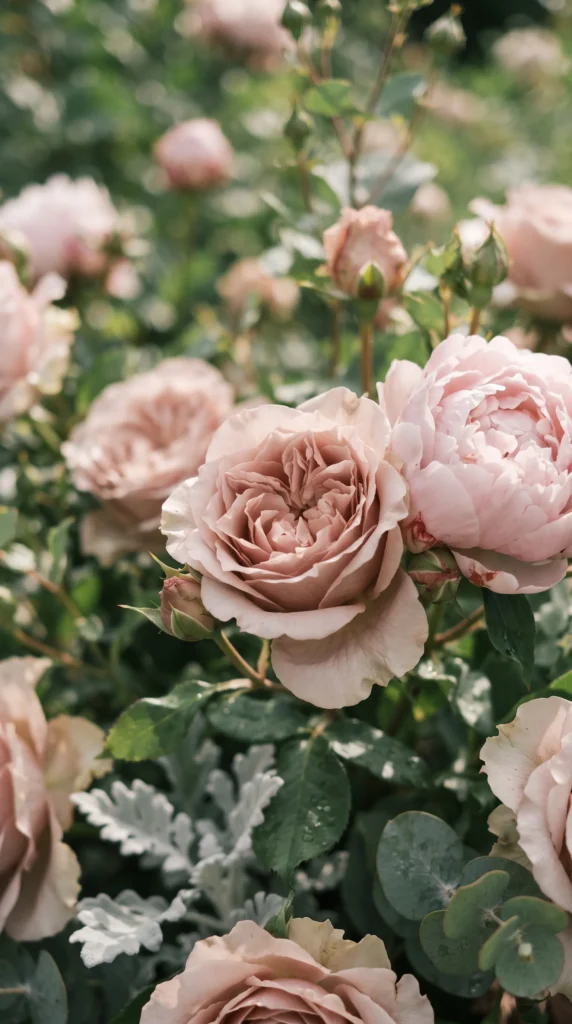
Faded Petal is essentially a muted blush pink. Think of the soft color of an old rose, pressed flower, or ballet slipper rather than a bright, saturated pink.
The shade works particularly well with natural garden materials such as weathered wood, terracotta, stone, and vintage-style pottery. It also pairs naturally with green foliage, making it relatively easy to incorporate into an existing landscape.
The popularity of this color also reflects a broader move toward softer, more natural-looking outdoor spaces in 2026.
Instead of gardens designed around one intense color, gardeners are increasingly combining muted flowers, foliage, natural textures, and pollinator-friendly plants.
Why Faded Petal Is Trending in 2026
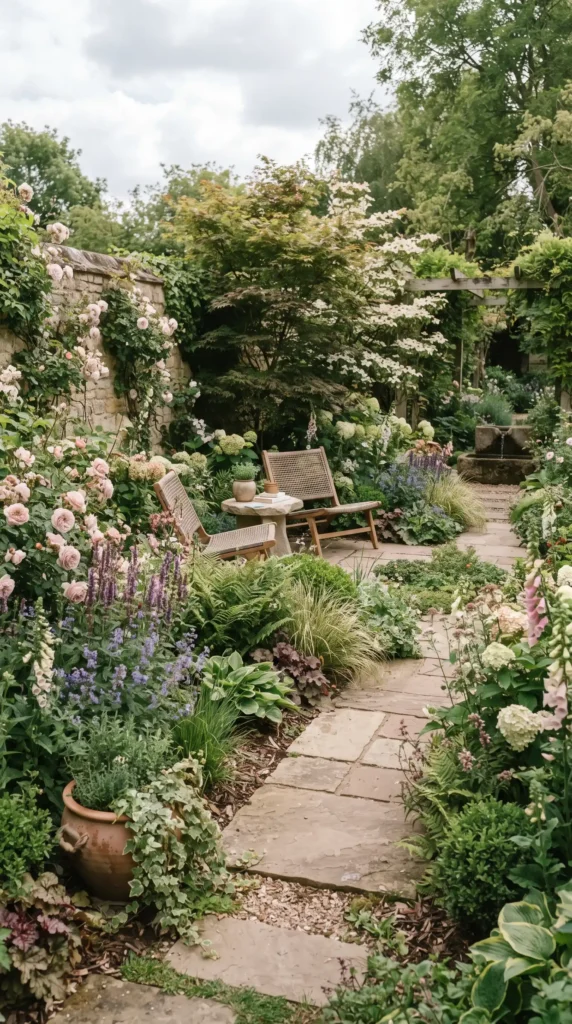
The appeal of Faded Petal goes beyond its appearance.
Garden Media Group’s 2026 trends report places the color within the broader Kusumi aesthetic—dusty, softened colors inspired by the appearance of materials that have naturally aged over time.
This makes Faded Petal especially suitable for gardeners who want an outdoor space that feels:
- Calm and relaxing
- Romantic without being overly bright
- Natural and timeless
- Elegant but approachable
- Inspired by cottage-garden design
- Easy to combine with existing plants
Garden trend coverage for 2026 also shows growing interest in naturalistic planting, pollinator gardens, and softer flower palettes, making Faded Petal a natural fit for current garden design.
Best Faded Petal Plants for Your Garden
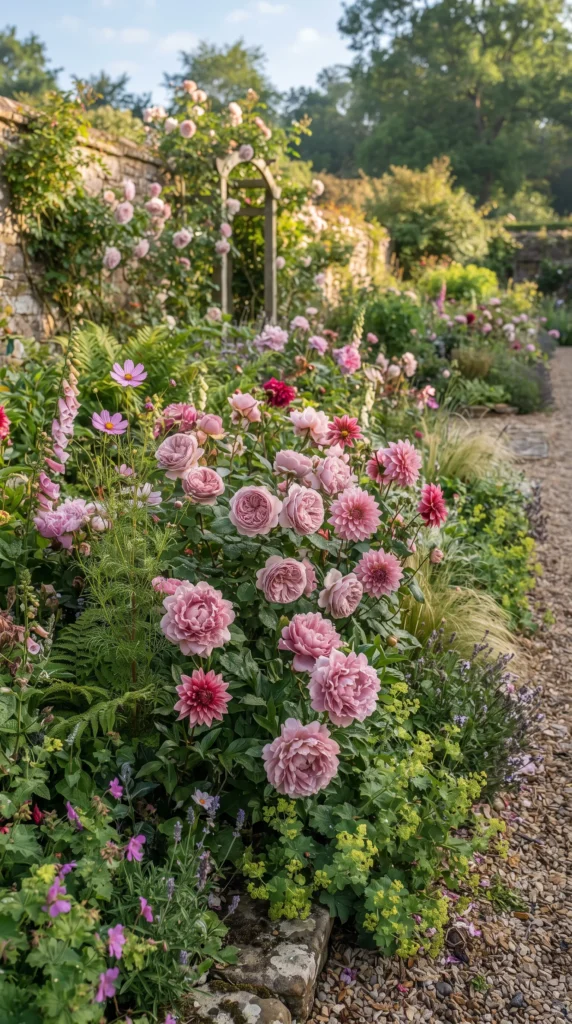
You do not need plants with the exact same shade to create a Faded Petal garden. Look for flowers in soft pink, blush, dusty rose, pale peach, and muted purple.
1. Dahlias
Dahlias are an excellent choice if you want large, eye-catching flowers with a softer color palette.
Some varieties, such as ‘Café au Lait’, are known for their pale blush and peachy tones, making them particularly suitable for the Faded Petal aesthetic.
Plant them in groups for a stronger visual effect or combine them with smaller flowers and grasses.
2. Hydrangeas
Soft pink hydrangeas can bring volume and structure to a flower bed.
They are particularly useful when you want a large planting to have a romantic cottage-garden appearance. Look for varieties that produce pale pink or blush-colored flowers suited to your growing conditions.
3. Roses
Roses are an obvious choice for a Faded Petal garden.
Instead of choosing intense pink varieties, look for soft blush, antique pink, or pale rose flowers. Their classic form works beautifully with the nostalgic character of the trend.
4. Hellebores
Hellebores can provide elegant flowers during seasons when many other garden plants are dormant. Pink and plum-toned varieties can add subtle color without overwhelming the rest of the planting.
5. Camellias
In suitable climates, pale-pink camellias can provide a classic evergreen structure while contributing to the Faded Petal palette. ‘October Magic Dawn’ is one example highlighted in 2026 garden trend coverage.
Pair Faded Petal With Green Foliage
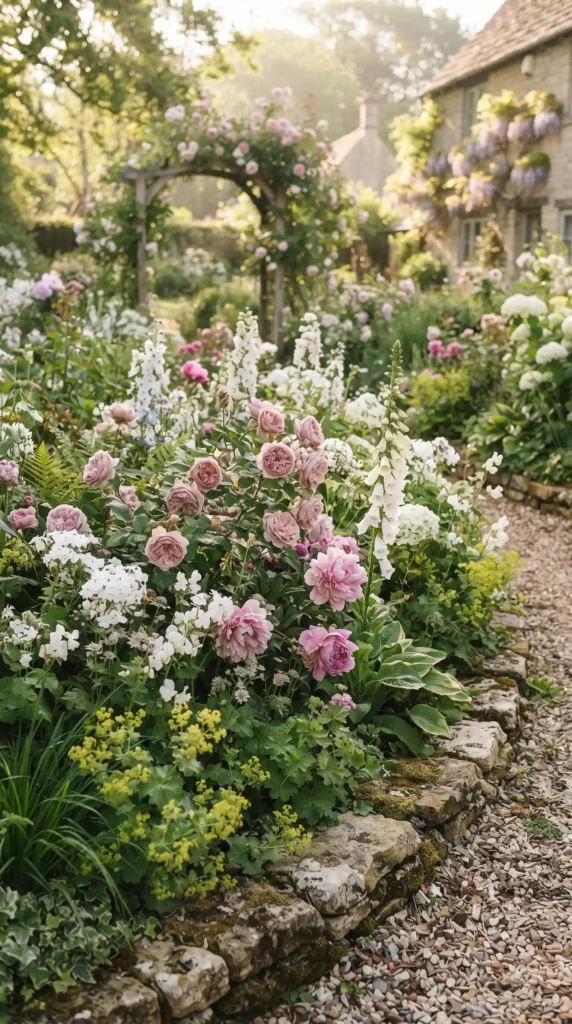
One of the easiest ways to make muted pink flowers stand out is to surround them with greenery.
Pink and green naturally complement one another, so you do not need complicated color theory to create an attractive combination.
Try combining Faded Petal flowers with:
- Deep green shrubs
- Sage-green foliage
- Silver-leaved plants
- Ornamental grasses
- Ferns
- Herbs and aromatic plants
The foliage provides a visual foundation while the pink flowers become softer accents throughout the landscape.
Add White for a Fresh Look
White flowers are another excellent companion for Faded Petal.
White can prevent a pink-heavy garden from appearing too dark or overly traditional. It also makes the softer pink tones appear cleaner and brighter.
Consider combining blush flowers with white:
- Roses
- Hydrangeas
- Cosmos
- Petunias
- Daisies
- Other locally suitable flowering plants
This combination works particularly well in cottage-style gardens and smaller outdoor spaces.
Use Terracotta and Natural Materials
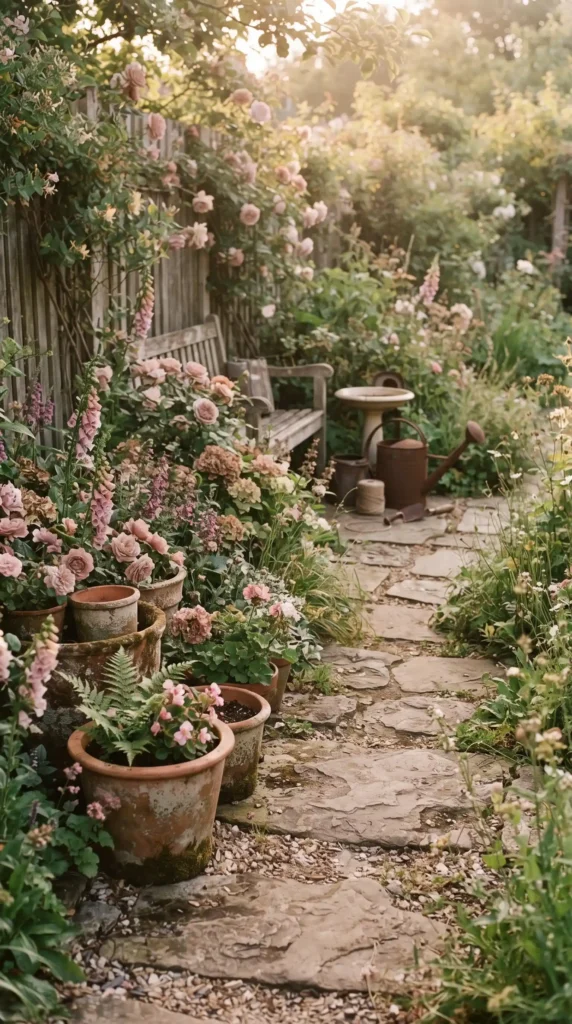
You can introduce the Faded Petal trend without planting dozens of pink flowers.
Instead, use natural garden accessories to reinforce the color palette.
Terracotta pots, weathered wood, stone pathways, vintage-style containers, and natural wicker can complement muted pink flowers beautifully. These materials also help prevent the garden from looking too coordinated or artificial.
For example, place a pale pink flowering plant in an aged terracotta pot and surround it with silver or green foliage. The result can look intentional without requiring a major landscaping project.
Create a Faded Petal Container Garden
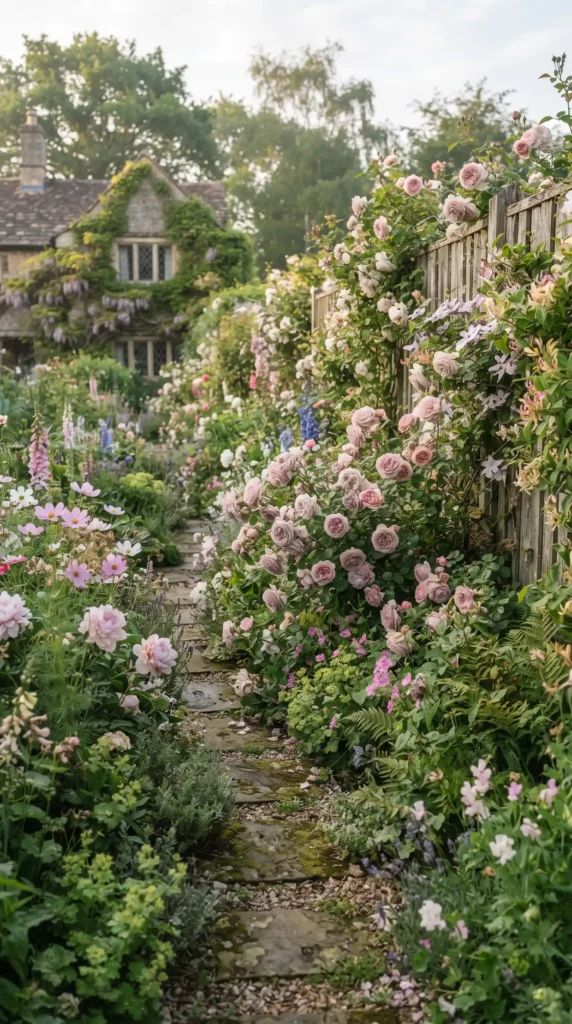
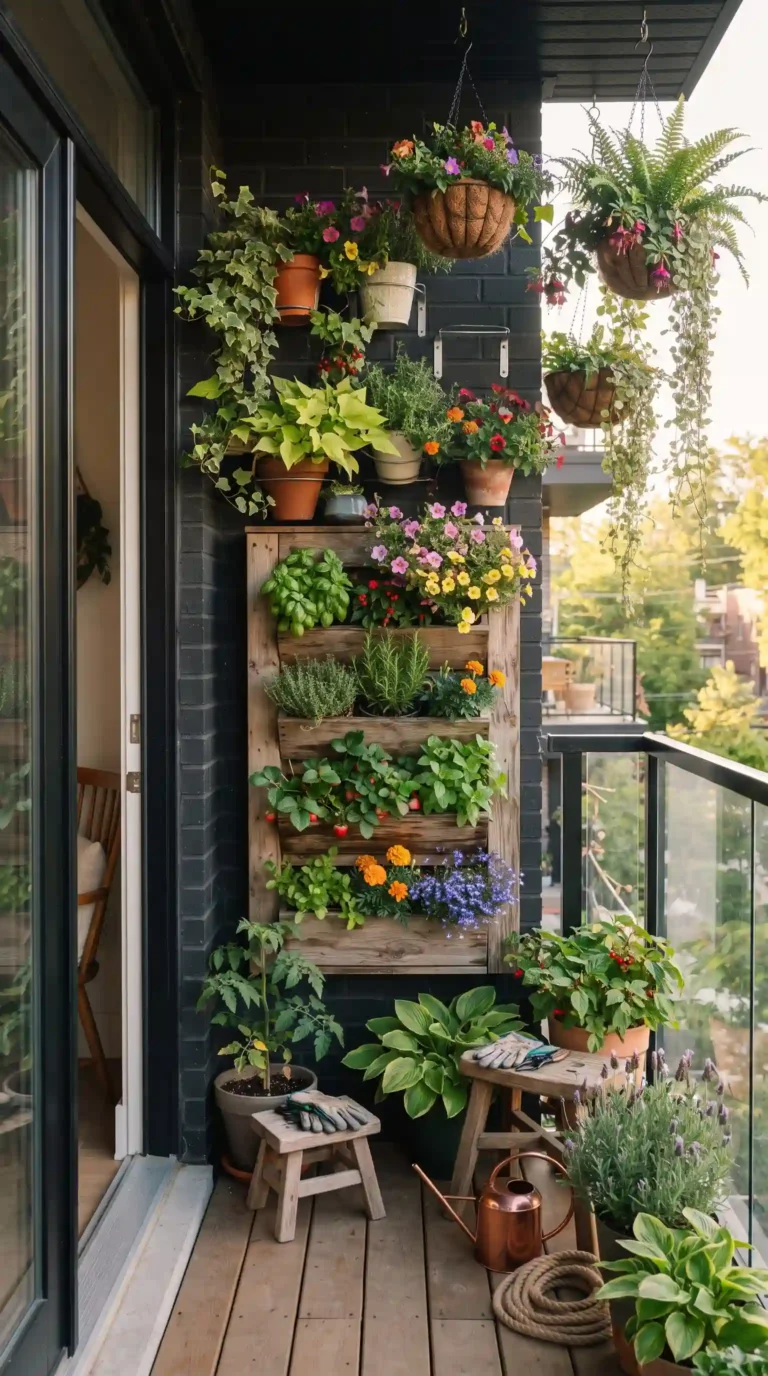
If you have a small yard, balcony, patio, or porch, containers are one of the easiest ways to try the 2026 garden color of the year.
Start with three elements:
- A soft pink flowering plant
- A white or pale companion flower
- A green or silver foliage plant
Choose containers made from terracotta, stone, or weathered-looking materials.
You can also group several containers together rather than spreading them throughout the yard. This creates a small focal point while keeping the rest of your landscape unchanged.
Create a Modern Faded Petal Garden
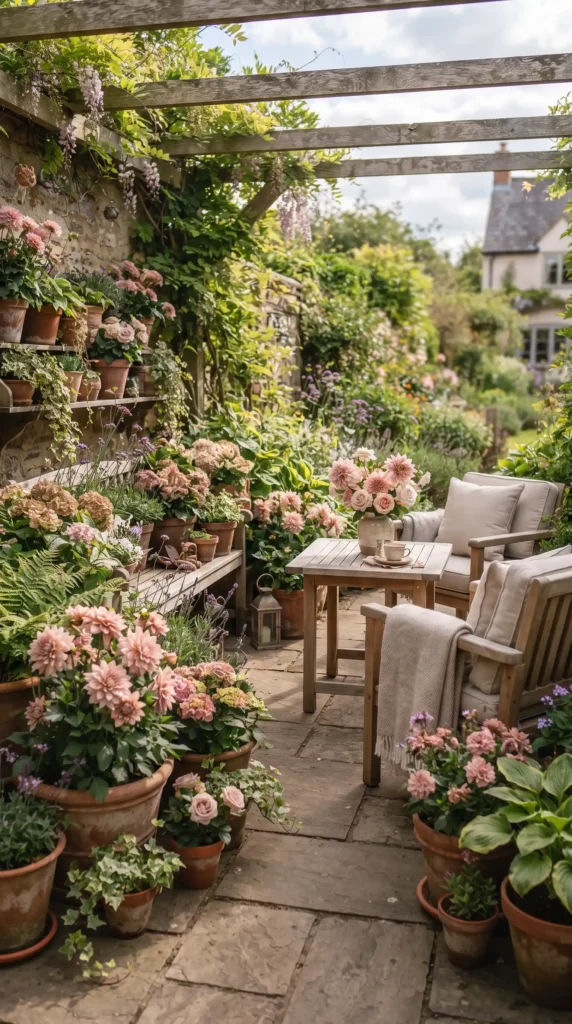
Faded Petal is not limited to traditional cottage gardens.
You can also use it in a contemporary landscape.
For a modern look, avoid filling the entire space with flowers. Instead, use a few pink plants as controlled accents against simple green foliage, gravel, concrete, or clean architectural lines.
For example, a minimalist garden could feature:
- Pale pink flowering shrubs
- Ornamental grasses
- Green structural plants
- Light-colored gravel
- Simple stone planters
The muted pink provides warmth without taking away from the clean appearance of the space.
Avoid Using Too Much Pink
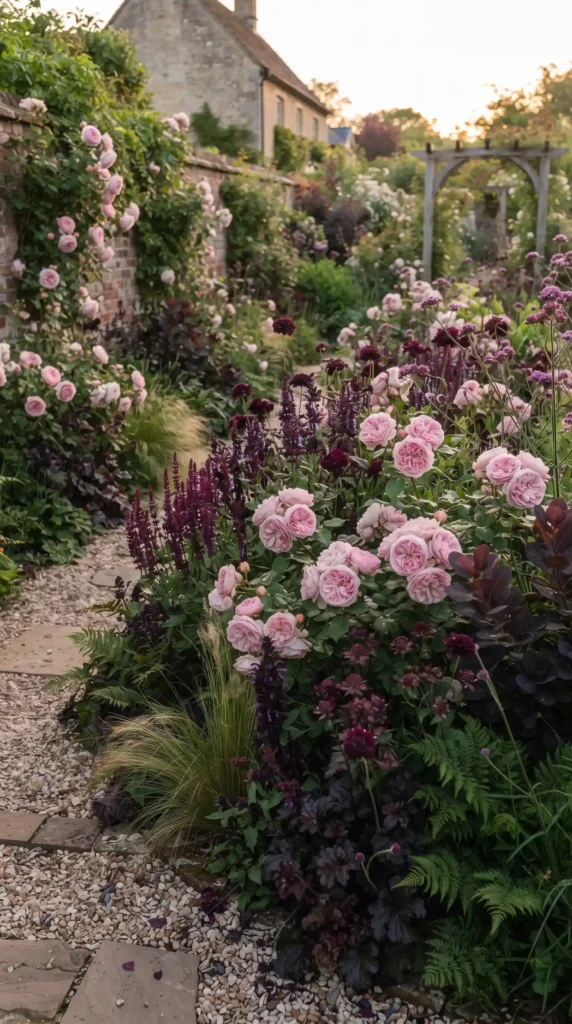
One of the easiest mistakes when following a garden color trend is using too much of the same shade.
Instead of planting everything in Faded Petal, treat the color as a design accent.
A good combination might include approximately:
- Soft pink flowers for color
- Green foliage for structure
- White flowers for brightness
- Natural materials for texture
- A small amount of darker foliage for contrast
Using several related shades of pink can also make the garden feel more natural.
Make Your Faded Petal Garden Pollinator-Friendly

A beautiful garden can also serve a practical purpose.
The 2026 garden trend landscape increasingly emphasizes purpose-driven gardening, including planting for pollinators and supporting local ecosystems.
When designing your Faded Petal garden, choose flowering plants that are appropriate for your local climate and beneficial to local pollinators.
Instead of selecting plants only because they match the color scheme, consider their bloom time, maintenance needs, wildlife value, and suitability for your soil and climate.
This approach gives you a garden that looks beautiful while doing more than simply following a trend.
Faded Petal Garden Ideas for Small Spaces
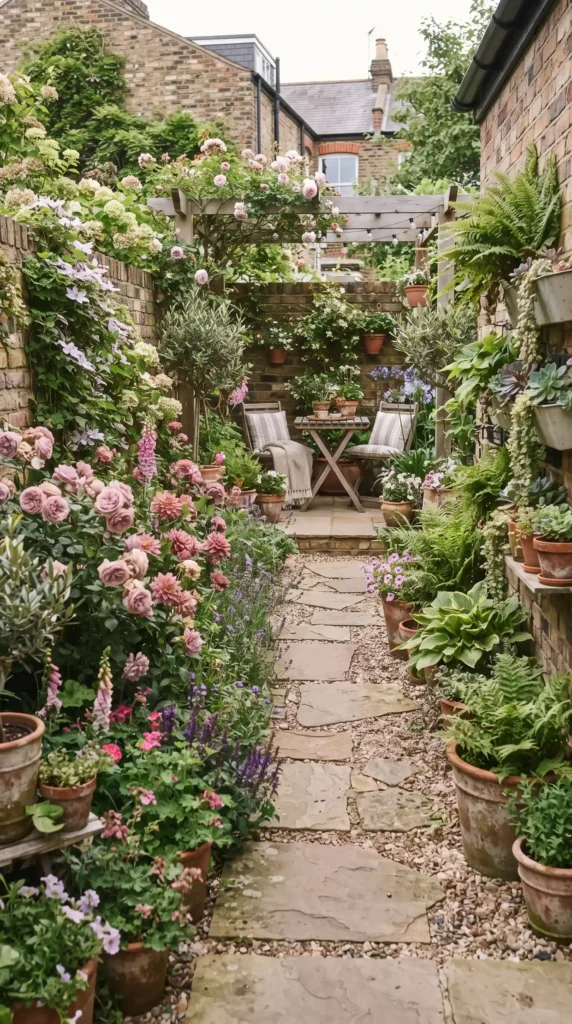
You do not need a large backyard to use this color.
Try these simple ideas:
Balcony: Use blush-pink flowers in terracotta containers with trailing greenery.
Front porch: Place two matching pink-flowering containers beside the entrance.
Small patio: Combine pale pink flowers with white blooms and silver foliage.
Garden border: Use pink perennials among green shrubs and ornamental grasses.
Window boxes: Mix soft pink flowers with white and trailing plants.
These small changes can give your outdoor space a modern 2026 look without a complete renovation.
Final Thoughts
Faded Petal gardens offer an easy way to embrace one of the biggest garden color trends of 2026. The shade is soft, versatile, and sophisticated enough to work with both traditional and modern landscaping.
Start small rather than replacing your entire landscape. Add a few blush-pink flowers, combine them with green foliage and white blooms, and introduce natural materials such as terracotta or weathered wood.
Most importantly, choose plants that are appropriate for your local growing conditions. A successful garden should not only look beautiful—it should also be healthy, practical, and enjoyable to maintain.
Whether you create a full Faded Petal flower bed or simply add a few pink containers to your patio, this year’s soft color trend can bring a relaxed, nostalgic, and elegant feeling to your yard.