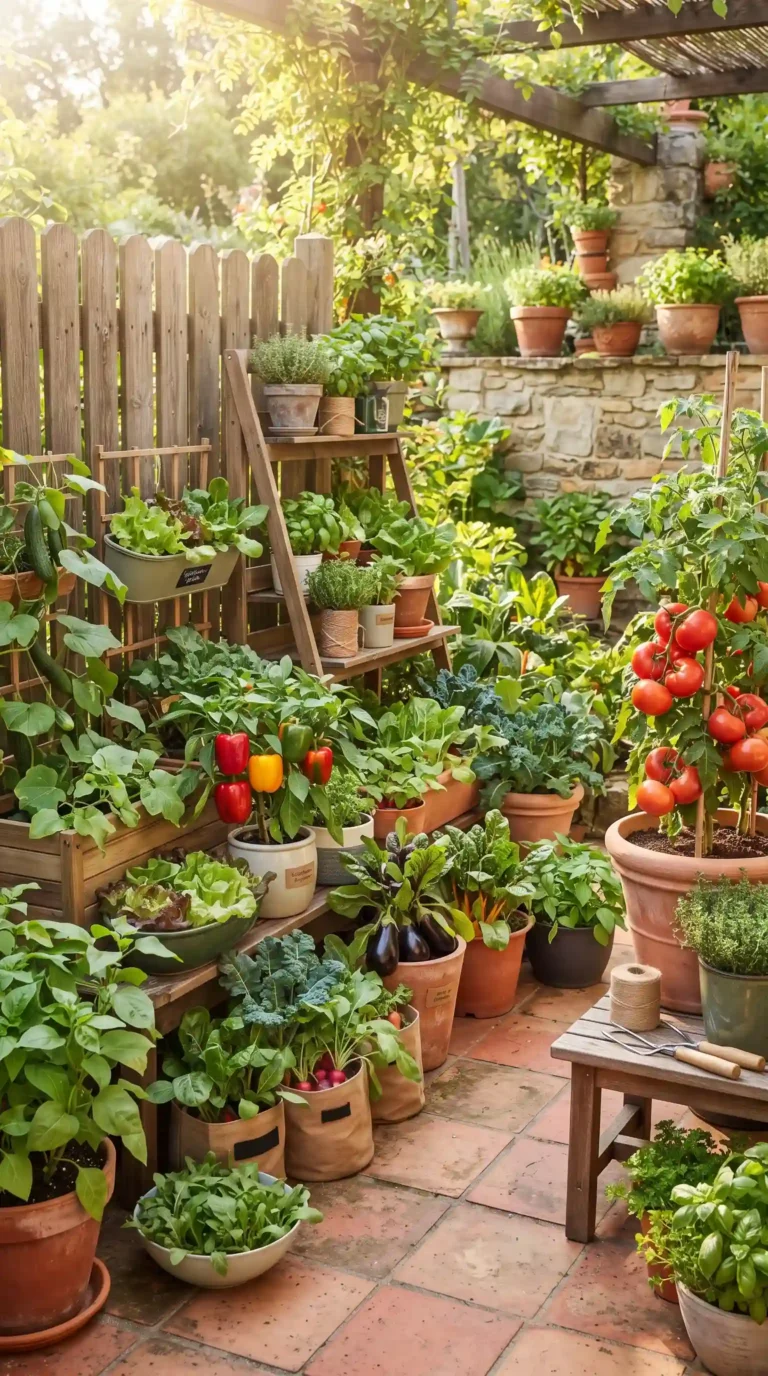
8 Sustainable Gardening Practices to Reduce Your Carbon Footprint
Gardening is a wonderful way to enjoy nature, grow fresh food, and make your outdoor space more beautiful. But did you know that the way you care for your garden can also affect the environment?
Some gardening activities use extra water, energy, plastic, and chemical products. Others can help reduce waste, protect soil, support wildlife, and store carbon in plants and soil.
The good news is that you do not need a large garden or expensive tools to make a difference. Small changes, such as composting kitchen scraps, planting native flowers, and collecting rainwater, can make your garden more sustainable.
In this guide, we will explore 8 sustainable gardening practices to reduce your carbon footprint and explain how you can start using them at home.
1. Make Your Own Compost from Kitchen and Garden Waste
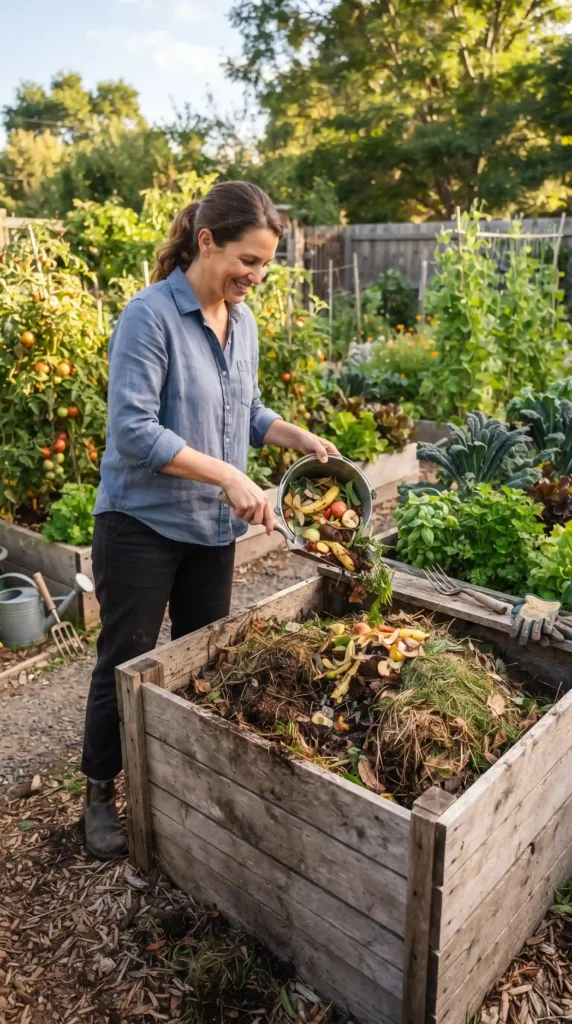
Composting is one of the simplest ways to make your garden more environmentally friendly. Instead of throwing food scraps and garden waste into the trash, you can turn suitable organic materials into useful compost.
Compost adds organic matter to the soil, improves moisture retention, and supports beneficial soil organisms. It can also reduce the need for some synthetic fertilizers. Keeping food scraps out of landfills can help reduce methane emissions, while applying finished compost can add carbon to the soil. <Cite refs={[“turn0search1″,”turn0search5”]}/>
What Can You Compost?
Common compostable materials include:
- Fruit and vegetable scraps
- Dry leaves and small plant trimmings
- Untreated grass clippings
- Coffee grounds and paper coffee filters
- Plain cardboard torn into small pieces
- Small amounts of untreated plant-based material
Avoid adding meat, dairy, oily foods, or pet waste to a basic home compost pile. These materials can attract pests or create other problems.
How to Start Composting
- Choose a suitable outdoor compost bin or a well-managed compost pile.
- Add a mixture of green materials, such as vegetable scraps, and brown materials, such as dry leaves.
- Keep the pile slightly moist, not soaking wet.
- Turn or mix the pile when needed to allow air to move through it.
- Allow the materials to break down until the compost looks dark and crumbly.
Use finished compost around garden plants or mix it into suitable garden soil. Avoid applying fresh, unfinished compost directly around delicate plants.
Sustainable tip: Start with a small container or compost bin if you have limited space. Even a small amount of composting can help you reduce household organic waste.
2. Choose Native and Climate-Friendly Plants
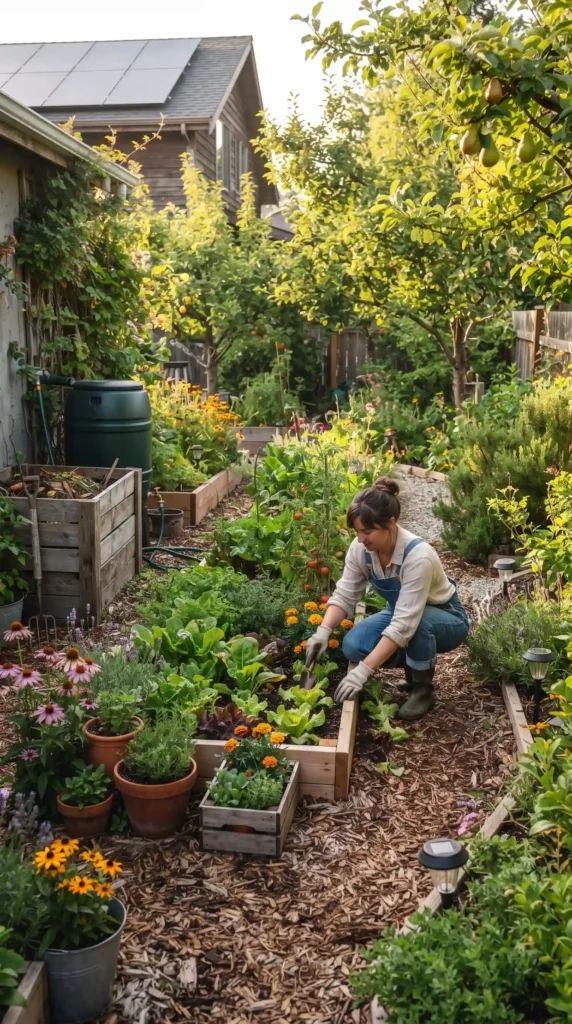
Choosing plants that naturally suit your local environment can make your garden easier to maintain. Native plants are adapted to the conditions of their region and can provide food and shelter for local wildlife.
The University of Maryland Extension explains that native plants generally need less water and fertilizer than many non-native options and can support native wildlife. Perennial native plants can also help store carbon and reduce soil erosion. <Cite refs={[“turn0search0”]}/>
Why Native Plants Are Helpful
Native plants may offer several environmental benefits:
- They can grow well under local weather conditions.
- Many need less additional watering once established.
- They can provide food and shelter for pollinators and other wildlife.
- Perennial plants can help keep soil covered for longer periods.
- They may reduce the need for frequent replacement and extra garden inputs.
However, not every native plant is suitable for every garden. Soil type, sunlight, available space, and water needs still matter.
How to Choose the Right Plants
Before buying new plants, check which species are native to your area. Choose plants that match your garden’s sunlight, soil, and water conditions.
For a sunny garden, you might consider locally suitable flowering plants that attract pollinators. In shady areas, look for native plants adapted to lower light.
If you live in a hot or dry region, choose plants that can tolerate local heat and rainfall patterns. This can help reduce the need for frequent watering.
Sustainable tip: Ask a local nursery or gardening expert for native plant recommendations. Choose a mix of flowering plants with different blooming times to provide seasonal support for pollinators.
3. Save Water with Smart Gardening Methods
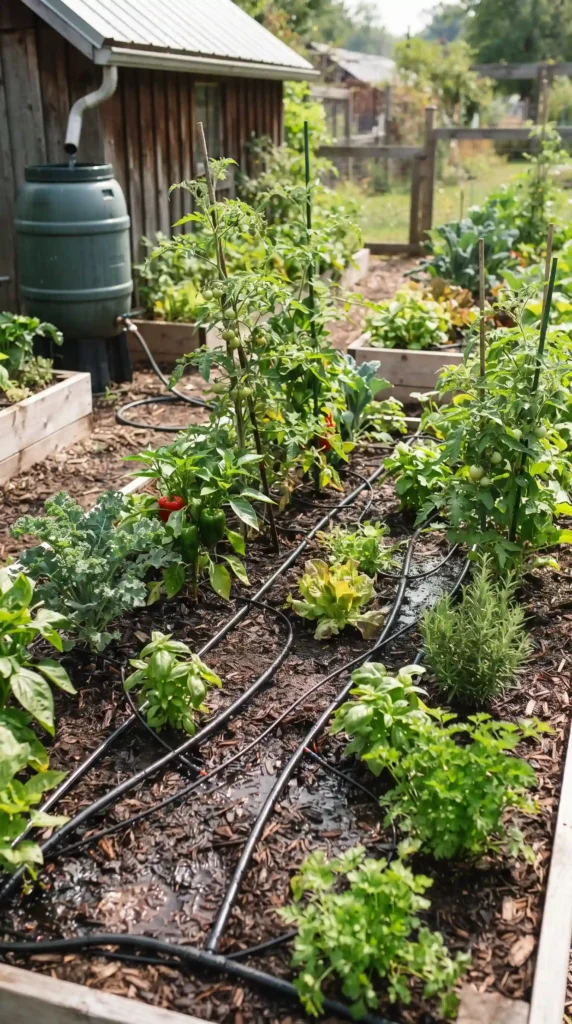
Water conservation is an important part of sustainable gardening. Using more water than your plants need can waste a valuable resource and may increase the energy used to supply, treat, or distribute water.
A sustainable garden focuses on watering efficiently and helping the soil retain moisture.
Use Water More Efficiently
Try these simple methods:
- Water plants when they actually need it.
- Water near the soil instead of spraying large amounts into the air.
- Use a watering can for small pots and garden beds.
- Water during cooler parts of the day to reduce evaporation.
- Group plants with similar water needs together.
- Check soil moisture before watering again.
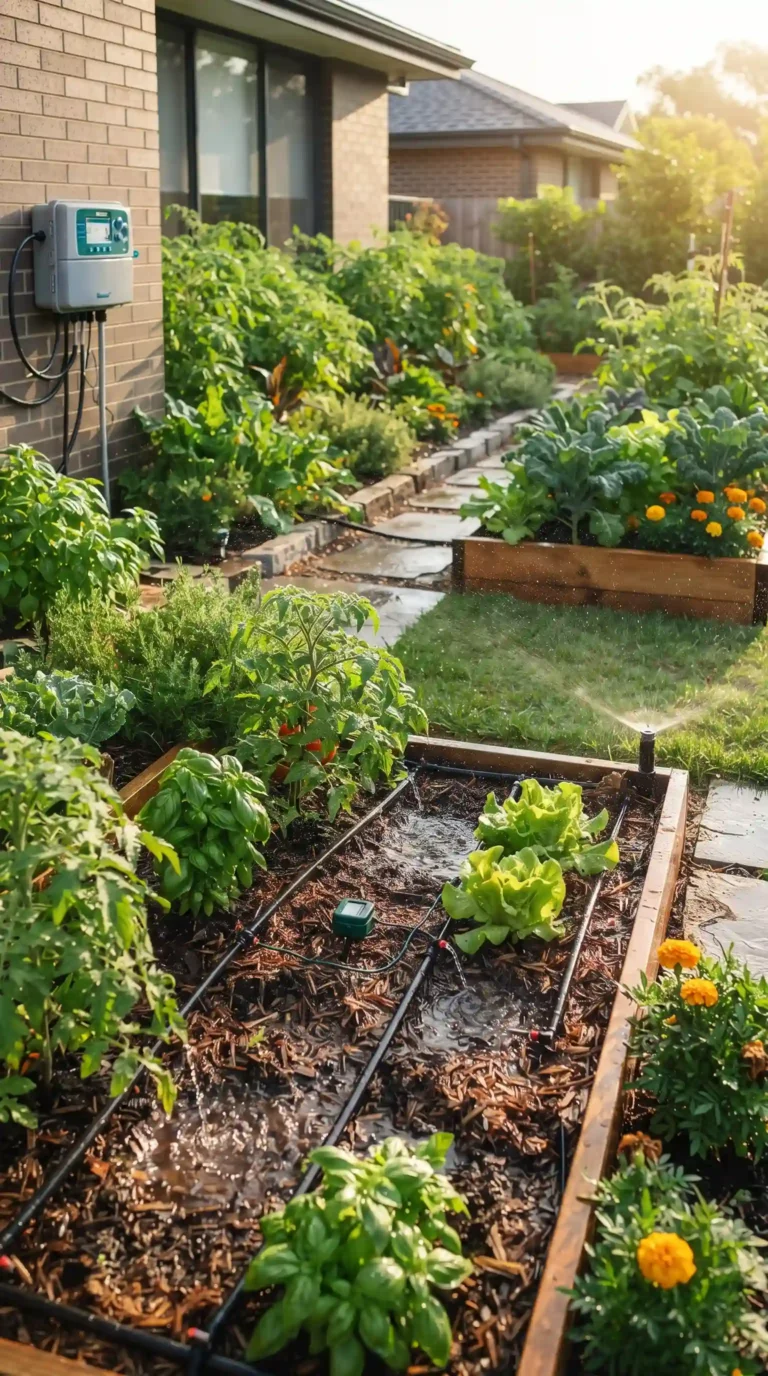
Drip irrigation and soaker hoses can deliver water close to plant roots, helping reduce unnecessary water loss when properly installed and managed.
Collect Rainwater
Rainwater harvesting is another useful option. You can place a suitable rain barrel beneath a roof downpipe and use the collected water for outdoor plants, following local rules and safe storage practices.
Rainwater can help reduce reliance on treated tap water for some garden tasks. Make sure the container is covered and maintained to prevent mosquitoes and debris from entering.
Sustainable tip: Water according to your plants’ needs, not simply because it is part of your daily routine. Soil moisture, weather, plant type, and container size all affect how often watering is needed.
4. Protect Your Soil with Mulching and No-Dig Gardening

Healthy soil is essential for a thriving garden. It supports plant roots, stores water, and provides a home for many living organisms.
Frequent digging can disturb soil structure and its natural biological networks. No-dig gardening reduces this disturbance by allowing gardeners to add organic matter to the soil surface rather than repeatedly turning the ground. The Royal Horticultural Society notes that reducing cultivation can help preserve soil structure and support soil health. <Cite refs={[“turn0search11”]}/>
What Is Mulching?
Mulching means covering the soil surface with a layer of suitable material. Common options include:
- Shredded leaves
- Finished garden compost
- Untreated wood chips
- Straw suitable for gardening
- Other locally available organic mulch materials
Mulch can help reduce moisture loss, suppress weeds, and protect the soil surface.
How to Use Mulch
- Remove large weeds before applying mulch.
- Spread a suitable layer over the soil.
- Keep mulch away from direct contact with plant stems and tree trunks.
- Check the soil moisture regularly.
- Add more mulch when the original layer breaks down or becomes too thin.
Try a No-Dig Garden Bed
For a new garden bed, cover suitable ground with cardboard where appropriate, then add compost or other suitable organic matter on top. Plant into the prepared layer once it is ready.
Avoid digging unnecessarily, especially when the soil is wet, and take care not to bury invasive weeds or create drainage problems.
Sustainable tip: Use locally available, untreated organic materials for mulch whenever possible. This can reduce waste and help keep garden soil covered.
5. Reduce Chemical Fertilizers and Pesticides
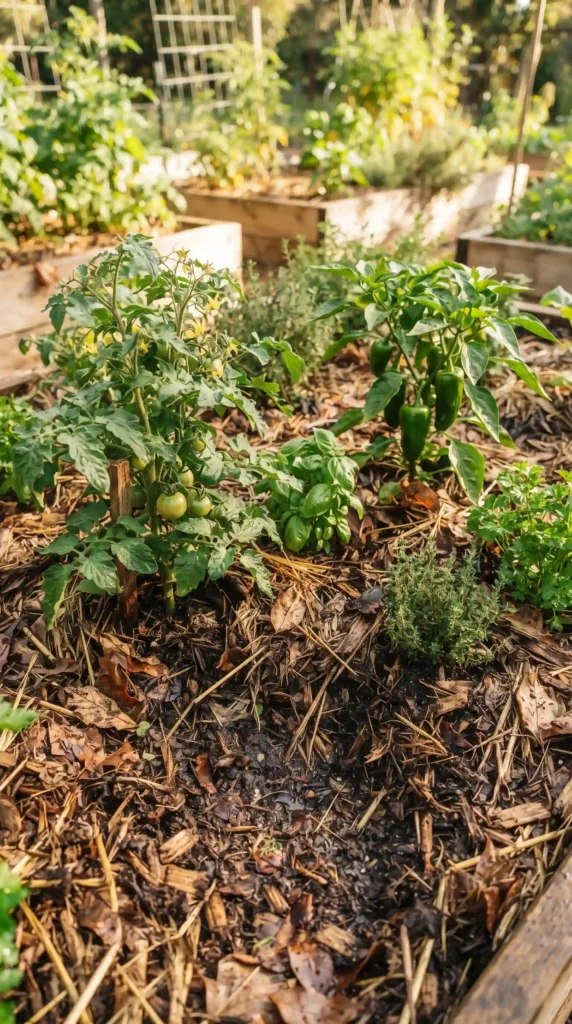
Fertilizers provide nutrients that plants need to grow, but using more than necessary can waste resources and contribute to environmental problems.
The production of synthetic fertilizers requires energy, and excess nutrients can wash away from gardens into waterways. Compost can improve soil quality and help reduce reliance on some fertilizer products, although it may not provide every nutrient that every plant needs. <Cite refs={[“turn0search1”]}/>
Use Fertilizer Carefully
Before adding fertilizer:
- Check what your plants actually need.
- Consider testing your soil if you are unsure about its condition.
- Follow product instructions and avoid excessive application.
- Use compost to improve soil organic matter.
- Choose a fertilizer suited to the plants and growing conditions.
Do not assume that more fertilizer means faster or healthier growth. Too much can harm plants and waste money.
Manage Garden Pests Naturally
Instead of immediately reaching for chemical pesticides, try practical approaches such as:
- Removing badly affected leaves when appropriate.
- Encouraging beneficial insects with suitable flowers.
- Using physical barriers to protect vulnerable plants.
- Rotating vegetable crops where practical.
- Choosing plant varieties suited to local conditions.
- Inspecting plants regularly to identify problems early.
If you need a pesticide, identify the pest first and follow the product label carefully. Use only what is necessary and avoid harming pollinators or other beneficial wildlife.
Sustainable tip: Focus on prevention, healthy soil, and suitable plant choices. These steps can help reduce the need for repeated chemical treatments.
6. Grow More Perennial Plants and Trees
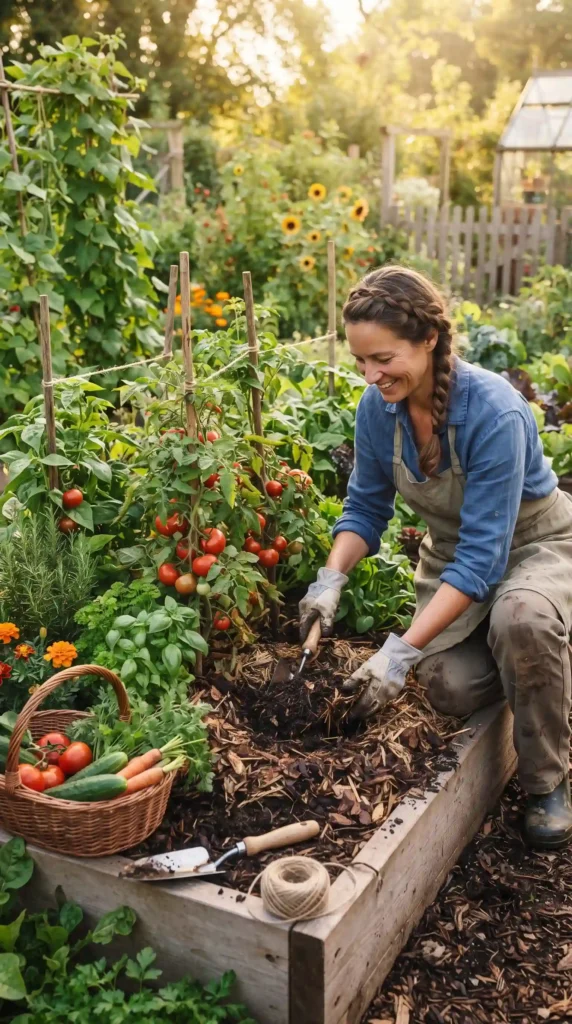
Trees, shrubs, and perennial plants can make a garden more sustainable because they can remain in place for several years.
Plants take in carbon dioxide as they grow, and some of that carbon becomes stored in their roots, stems, leaves, and surrounding soil. The amount stored varies by plant species, size, climate, and growing conditions.
Long-lived plants can also reduce the need to replace annual plants every season. The Royal Horticultural Society highlights perennial planting and trees as elements of low-carbon garden design. <Cite refs={[“turn0search10”]}/>
Benefits of Perennial Gardening
- Long-lived plants can provide lasting garden cover.
- Trees can provide shade and shelter.
- Shrubs and flowering perennials can support wildlife.
- Established plants may need less frequent replanting.
- Plant roots can help hold soil in place.
How to Add More Perennials
Start by choosing plants suited to your garden size and climate. If you have a small garden, compact shrubs, climbing plants, or perennial flowers may be more practical than large trees.
If you have enough room, consider planting a suitable tree where its mature size will not interfere with buildings, paths, or utility lines.
You can also mix perennial plants with seasonal flowers or vegetables to keep your garden productive and visually interesting.
Sustainable tip: Choose the right plant for the right place. A healthy, well-suited plant is more likely to thrive with less replacement and extra maintenance.
7. Reuse Garden Materials and Avoid Unnecessary Plastic
Gardening can create waste through plastic pots, seed trays, packaging, plant labels, and discarded tools. A sustainable approach looks for ways to reuse materials and avoid buying items that are not needed.
Reusing suitable materials can reduce waste and may also reduce the resources required to manufacture new products.
Practical Ways to Reduce Garden Waste
- Reuse clean plant pots and seed trays.
- Save suitable containers for starting seeds.
- Repair tools instead of replacing them immediately.
- Use fallen leaves as mulch or compost ingredients.
- Reuse untreated wood for suitable garden projects.
- Choose durable tools that can be maintained over time.
- Avoid unnecessary single-use plastic products.
You can also exchange extra seeds, seedlings, or garden supplies with neighbors when practical.
Be Careful When Reusing Materials
Not every household container is suitable for growing food. Use containers that are safe for plants and have proper drainage.
Avoid reusing materials that may contain harmful chemicals, and do not burn treated wood or plastic garden waste.
Sustainable tip: Before buying something new for your garden, check whether you already have a safe, suitable item that can do the same job.
8. Support Wildlife and Create a More Diverse Garden
A sustainable garden is not only about plants. It can also provide habitat for insects, birds, and other local wildlife.
A diverse garden with suitable plants and shelter can support beneficial organisms that contribute to pollination, decomposition, and natural pest management. The University of Maryland Extension notes that plant diversity can improve resilience and support pollinators and beneficial insects. <Cite refs={[“turn0search0”]}/>
Ways to Make Your Garden Wildlife-Friendly
You can support local wildlife by:
- Planting flowers that provide nectar and pollen.
- Keeping some areas of soil or leaf litter undisturbed where appropriate.
- Growing a variety of plants with different shapes and flowering times.
- Avoiding unnecessary pesticide use.
- Providing suitable shelter using native shrubs or other safe features.
- Keeping any bird feeders or water sources clean and maintained.
Even a small balcony or container garden can offer useful resources for insects when you choose suitable plants.
Create a Small Wildlife Corner
You do not need to change your entire garden. Choose one small area for native flowers, a shrub, or a few containers that provide seasonal blooms.
If you add a birdbath or other water feature, keep it clean and make sure animals can use it safely.
Sustainable tip: Leave some natural features in your garden instead of making every corner perfectly tidy. A little diversity can help create a more welcoming habitat for wildlife.
Extra Tips for a More Sustainable Garden
The eight practices above are a useful starting point. You can make further improvements by changing how you plan, maintain, and use your garden.
Plan Before You Plant
Think about sunlight, soil, available water, and the mature size of plants before buying them. Careful planning can reduce plant loss and unnecessary purchases.
Grow Some of Your Own Food
Growing herbs, vegetables, or fruit at home can be rewarding and may reduce the need to buy certain foods. The environmental impact depends on what you grow, how you grow it, and what it replaces.
Use Tools Efficiently
Choose hand tools for small tasks when practical. Maintain your tools and use powered equipment only when it is genuinely useful.
Keep Soil Covered
Use living plants, mulch, or suitable ground cover to help protect bare soil from erosion and moisture loss.
Make Changes Gradually
You do not need to adopt every sustainable gardening practice at once. Start with one or two changes that fit your space, budget, and local climate.
Common Sustainable Gardening Mistakes to Avoid
Even gardeners with good intentions can make choices that create extra work or waste. Here are a few mistakes to watch out for.
Planting Without Checking Local Conditions
A plant that thrives in one climate may struggle in another. Check local growing conditions before choosing plants.
Overwatering
Too much water can waste resources and may damage plant roots. Check soil moisture and adjust watering based on the weather.
Adding Too Much Compost or Fertilizer
Organic products can still be overused. Apply compost and fertilizers according to plant needs and soil conditions.
Using the Wrong Materials for Mulch
Avoid materials that may contain harmful chemicals or that could introduce invasive weeds. Choose safe, suitable materials for your garden.
Buying More Than You Need
Extra pots, tools, seeds, and fertilizers can create unnecessary costs and waste. Plan your gardening projects before shopping.
Conclusion
Sustainable gardening is about making thoughtful choices that help plants grow while reducing unnecessary waste and resource use.
By composting kitchen scraps, choosing native plants, saving water, protecting soil, using fewer chemical inputs, growing perennials, reusing materials, and supporting wildlife, you can create a garden that works more closely with nature.
You do not need a large yard or a big budget to get started. A few containers, a small compost setup, or a patch of native flowers can be a useful first step.
Start small, stay consistent, and build sustainable habits over time. Your garden can become a healthier place for plants, wildlife, and the people who enjoy it.