20 Beautiful Hanging Plants for Indoor Spaces
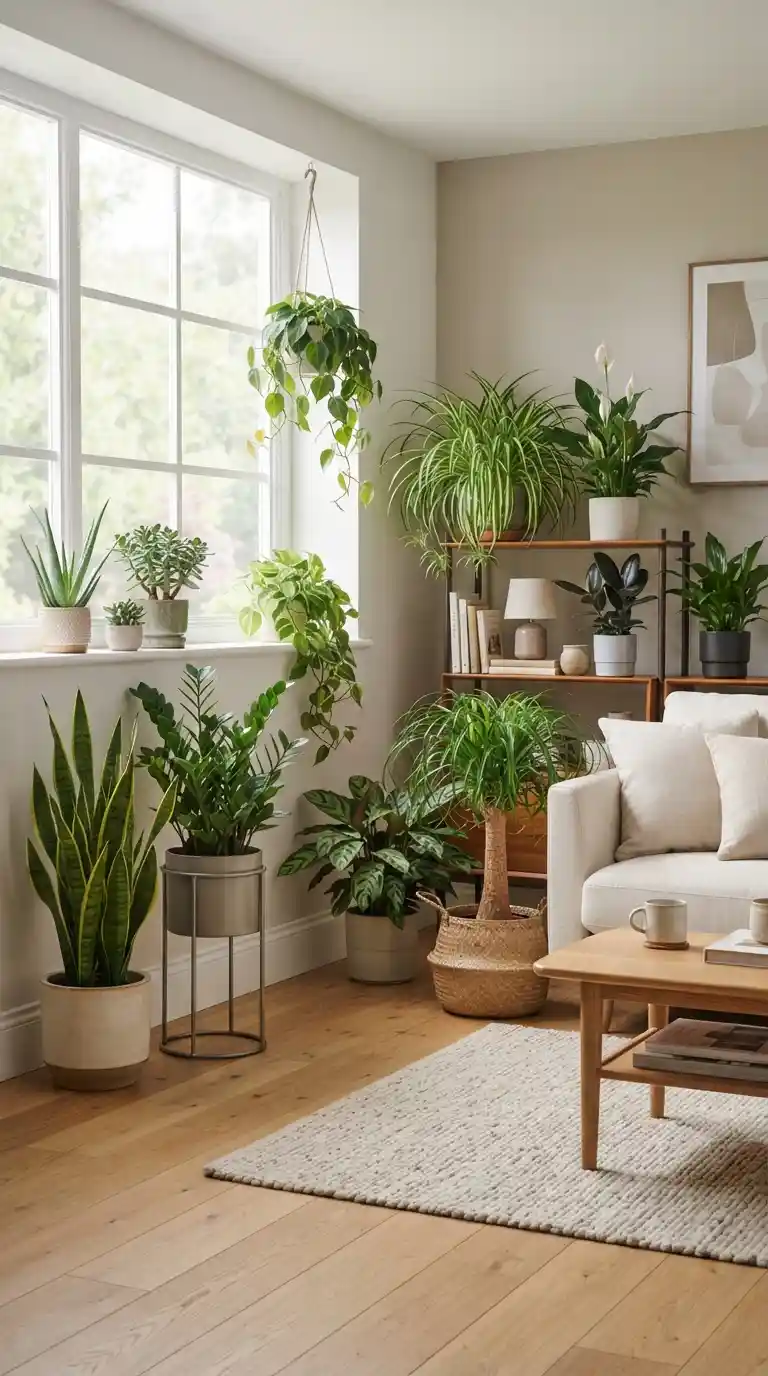
Hanging plants are a wonderful way to bring natural beauty, fresh greenery, and personality into your home. They are especially useful for apartments and smaller rooms where floor space is limited. Instead of placing plants on tables, shelves, or the floor, you can use hanging baskets to create an attractive vertical garden.
If you are looking for 20 beautiful hanging plants for indoor spaces, there are many options to choose from. Some plants have long trailing vines, while others feature colorful leaves, delicate foliage, or unusual shapes. Many are also relatively easy to care for, making them suitable for beginners.
In this guide, we will explore 20 beautiful indoor hanging plants, their basic care requirements, and helpful tips for displaying them around your home.
Why Are Hanging Plants Great for Indoor Spaces?
Hanging plants can completely change the look and feel of an indoor area. They add greenery at eye level and above, helping to make plain walls and empty corners more interesting.
One of the biggest benefits is that they save space. If you live in a small apartment, you can enjoy several plants without filling your floor with pots. Hanging plants can also be used to decorate bedrooms, living rooms, kitchens, balconies, offices, and other suitable indoor areas.
Trailing plants are particularly attractive because their stems naturally grow downward, creating a soft and natural appearance.
1. Pothos
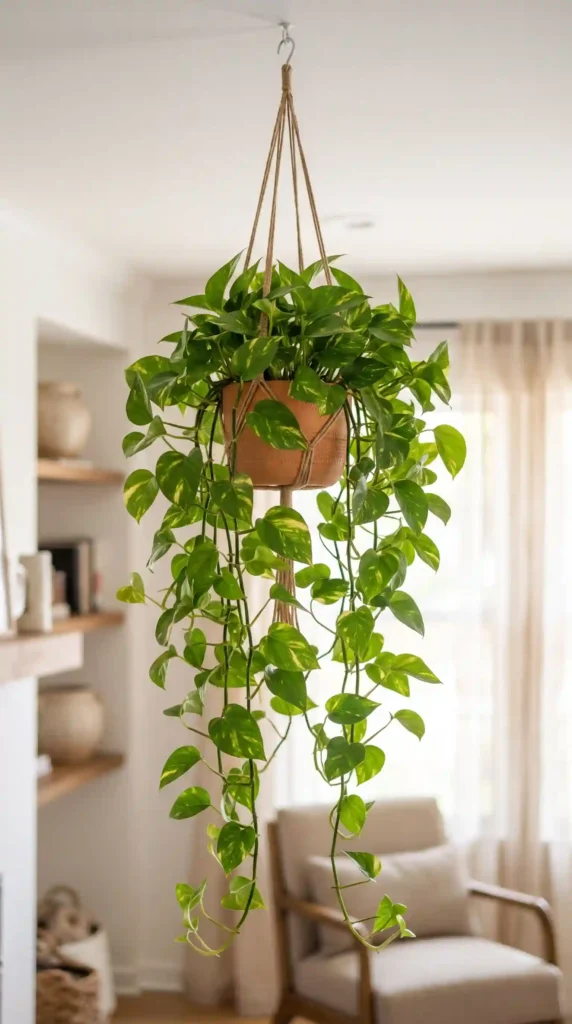
Pothos is one of the most popular choices for indoor hanging planters. It has attractive heart-shaped leaves and long vines that can grow downward over time.
It is also known for being adaptable to different indoor conditions. Pothos generally prefers bright, indirect light but can tolerate lower-light areas. Allow the top portion of the soil to dry before watering again.
Its easy-care nature makes it an excellent choice for beginners.
2. Spider Plant
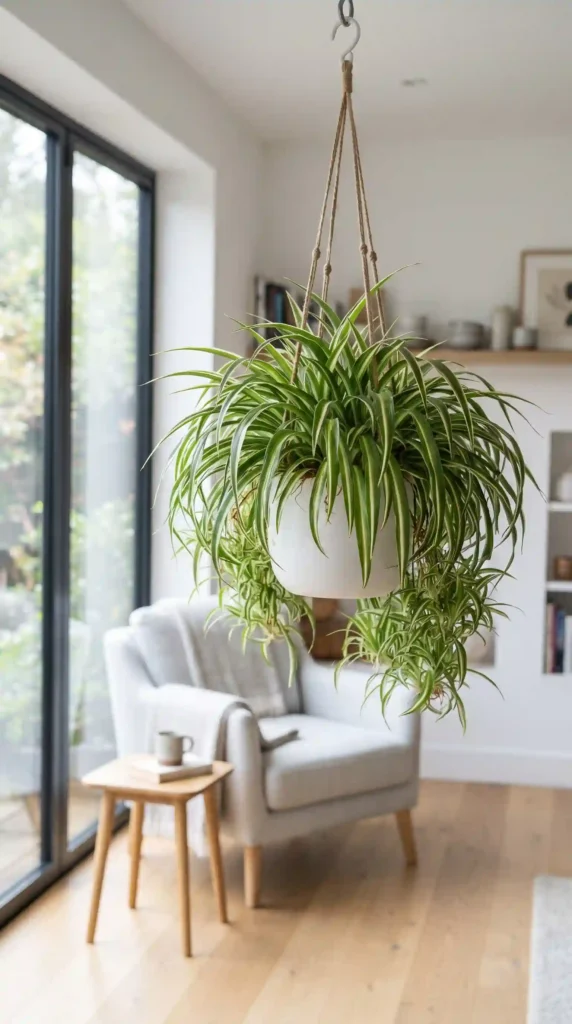
Spider plants are another excellent option for hanging baskets. Their long, narrow leaves grow outward and downward, creating a naturally attractive shape.
Mature spider plants can also produce small plantlets on long stems, adding even more visual interest. They generally prefer bright, indirect light and moderate watering.
A spider plant can look beautiful near a window, in a home office, or in a living room.
3. String of Pearls
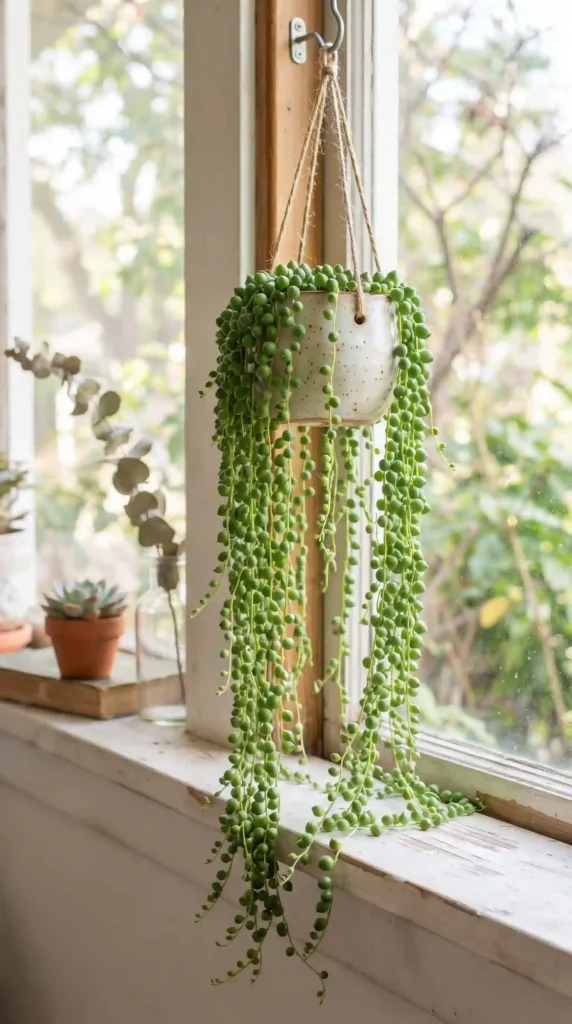
String of Pearls is a unique succulent that produces long trailing stems covered with small, round leaves. The leaves look like tiny green pearls, giving the plant its distinctive name.
This plant prefers bright light and well-draining soil. Because it is a succulent, it should not be overwatered.
A hanging basket allows the stems to cascade downward, making String of Pearls an excellent decorative choice.
4. English Ivy
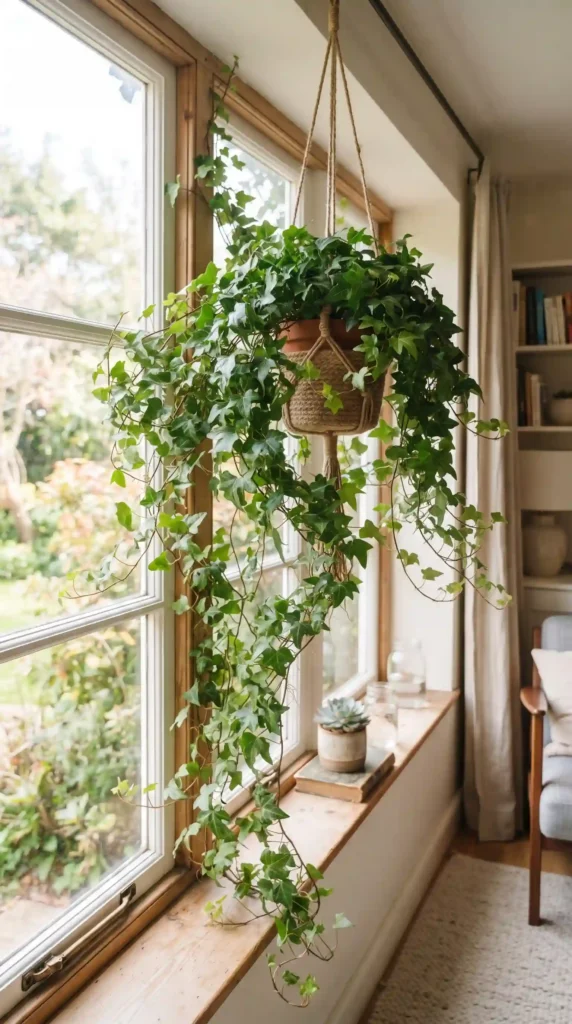
English Ivy is known for its attractive trailing vines and distinctive leaves. When placed in a hanging planter, the vines can grow over the edges and create a classic green display.
It generally performs well in bright, indirect light. Keep the soil moderately moist without allowing it to remain constantly wet.
Regular trimming can help maintain its shape and encourage healthy growth.
5. Heartleaf Philodendron
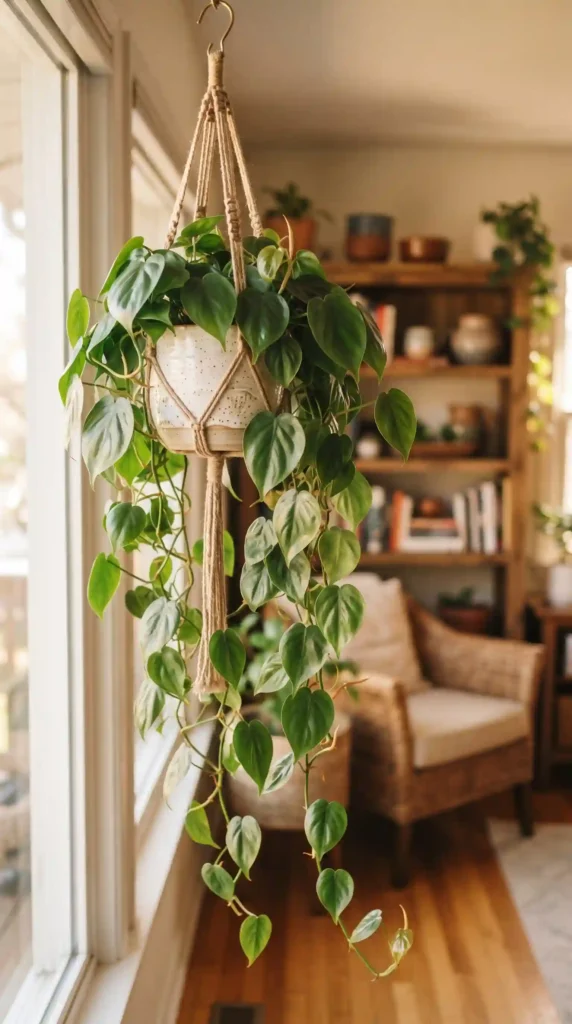
Heartleaf Philodendron is a popular houseplant with attractive heart-shaped leaves. Its long vines make it particularly suitable for hanging containers.
It can adapt to moderate indoor light and does not usually require complicated care. Water when the upper layer of soil begins to dry.
This plant works well in bedrooms, offices, living rooms, and other indoor areas with suitable indirect light.
6. String of Hearts
String of Hearts is a delicate-looking trailing plant with small heart-shaped leaves. Its thin vines can grow several feet long, creating an elegant hanging display.
It generally prefers bright, indirect light and well-draining soil. Allow the soil to dry between waterings to avoid excess moisture.
Because of its attractive foliage and unusual growth pattern, it can become a beautiful focal point in any room.
7. Boston Fern
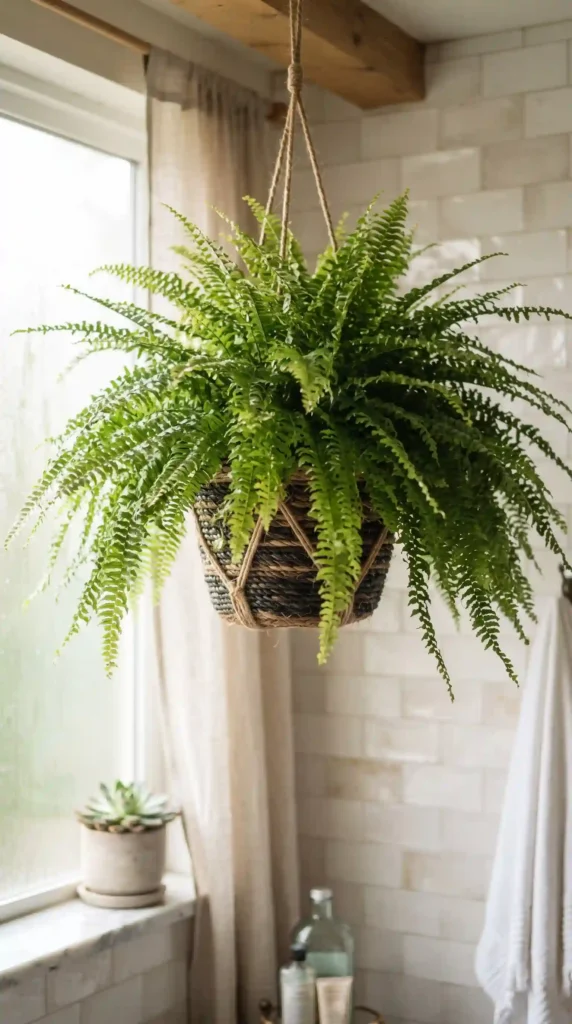
Boston Fern is an excellent choice if you want a lush and full hanging plant. Its long, soft fronds create a beautiful cascading effect from a hanging basket.
Boston Ferns generally appreciate higher humidity and consistently moist soil. They prefer bright, indirect light rather than harsh direct sunlight.
A humid indoor area with suitable lighting can be a good location for this plant.
8. Tradescantia
Tradescantia varieties are popular for their colorful and attractive foliage. Depending on the variety, the leaves may feature shades of green, purple, silver, or stripes.
Their trailing growth makes them perfect for hanging planters. Bright, indirect light can help maintain strong foliage color.
Trim the plant occasionally if the vines become too long or sparse.
9. String of Bananas
String of Bananas is a trailing succulent with curved leaves that resemble tiny bananas. Its unusual appearance makes it an interesting addition to an indoor plant collection.
It prefers bright light and well-draining soil. Like other succulents, it should be watered carefully and allowed to dry between watering sessions.
A hanging basket can showcase its long, cascading stems beautifully.
10. Hoya
Hoya is a popular indoor plant known for its attractive leaves and, under suitable conditions, beautiful clusters of star-shaped flowers.
Hoyas generally prefer bright, indirect light and well-draining soil. They do not usually need frequent watering, especially when grown in a suitable container.
Their trailing stems make them a great choice for hanging baskets and elevated shelves.
11. Burro’s Tail
Burro’s Tail is a distinctive succulent with thick stems covered in small, fleshy leaves. The stems naturally hang downward, making the plant particularly attractive when displayed in a hanging container.
It prefers bright light and excellent drainage. Its leaves can fall off easily when the plant is handled, so place it somewhere where it will not be frequently disturbed.
With proper care, Burro’s Tail can become a striking indoor decoration.
12. Lipstick Plant
Lipstick Plant is named after its colorful tubular flowers, which can appear from darker buds. Its trailing stems also give it an attractive appearance even when it is not flowering.
It generally prefers bright, indirect light and moderate humidity. Avoid keeping its soil constantly saturated.
A hanging basket can provide enough space for its stems to spread and cascade naturally.
13. Maidenhair Fern
Maidenhair Fern has delicate, soft foliage that can create an elegant appearance indoors. It is particularly attractive when grown in a hanging basket.
However, it can require more attention than some other plants on this list. It generally prefers indirect light, higher humidity, and consistently moist soil.
Avoid allowing the soil to completely dry out for extended periods.
14. String of Turtles
String of Turtles is a small trailing plant with rounded leaves that have attractive markings. The patterns on its foliage resemble tiny turtle shells.
Its compact growth makes it suitable for smaller hanging planters. Bright, indirect light and careful watering can help it remain healthy.
It is a great choice if you want something unusual without needing a large plant.
15. Rhipsalis
Rhipsalis is a tropical cactus with long, thin stems. Unlike many desert cacti, it naturally grows in forest environments and can work well as an indoor hanging plant.
It generally prefers bright, filtered light and moderate moisture. Its unusual trailing stems can create a modern and interesting appearance.
Rhipsalis is a good option for plant lovers who want something different from traditional leafy houseplants.
16. Satin Pothos
Satin Pothos has attractive green leaves covered with silvery markings. Its trailing stems make it particularly suitable for hanging containers.
Bright, indirect light can help the plant maintain healthy foliage and attractive patterns. Allow the upper layer of soil to dry before watering again.
Its silver-green leaves can complement modern and minimalist interiors.
17. Creeping Fig
Creeping Fig is a trailing plant with small leaves and dense growth. When grown in a hanging basket, its vines can gradually create a fuller green display.
It generally prefers bright, indirect light and moderate moisture. Regular pruning can help control its growth and maintain the desired shape.
It can be a good choice for adding greenery to an otherwise empty indoor corner.
18. Swedish Ivy
Swedish Ivy is a fast-growing trailing plant with rounded leaves and attractive stems. It can quickly create a full appearance when grown in a hanging planter.
It generally does well in bright, indirect light and moderate watering conditions.
Pinching or trimming the growing tips can encourage a bushier shape instead of allowing the plant to become overly long and thin.
19. Trailing Peperomia
Some Peperomia varieties have a naturally trailing growth habit, making them suitable for hanging baskets. Their compact size makes them especially useful for apartments and smaller rooms.
They generally prefer bright, indirect light and well-draining soil. Avoid overwatering because excess moisture can cause root problems.
Their attractive foliage can add texture and variety to an indoor plant collection.
20. String of Dolphins
String of Dolphins is a unique trailing succulent with leaves that resemble small dolphins. Its unusual foliage makes it a fun and eye-catching plant for indoor spaces.
It generally prefers bright light and well-draining soil. Allow the soil to dry before watering again.
A hanging planter gives the trailing stems plenty of room to grow downward and display their unusual leaves.
How to Choose the Best Hanging Plant for Your Home
Choosing the right hanging plant depends on the conditions in your home. The first thing to consider is lighting.
If your room receives plenty of bright indirect light, plants such as String of Pearls, String of Hearts, Hoya, and String of Dolphins may be suitable options.
For moderate-light areas, Pothos, Heartleaf Philodendron, Spider Plant, and some Peperomia varieties can be good choices.
Humidity is another important factor. Ferns generally appreciate more humidity than many succulents. Before choosing a plant, consider the room’s temperature, airflow, available light, and how often you can realistically water it.
Tips for Caring for Indoor Hanging Plants
Proper care can help your hanging plants remain healthy and attractive.
Check the Soil Before Watering
Avoid watering plants simply because it has been several days. Check the soil first. Different plants have different moisture requirements.
Give Plants the Right Light
Most indoor plants prefer bright, indirect light. If a plant receives too little light, growth may become slow or weak. Too much direct sunlight can damage sensitive foliage.
Use Good Drainage
Choose containers that allow excess water to escape. Poor drainage can keep roots wet for too long and may lead to root problems.
Trim Trailing Plants
Regular trimming can help maintain an attractive shape. It can also encourage some plants to produce fuller growth.
Check for Pests
Look at the leaves and stems regularly. Early detection of common houseplant pests can make them easier to manage.
Rotate Your Plants
If a hanging plant grows toward a nearby window, rotate the container occasionally so growth can develop more evenly.
Where Should You Hang Indoor Plants?
There are many places where hanging plants can work well. A bright living-room window can provide a beautiful backdrop for trailing greenery. You can also hang plants near a home office, in an indoor garden corner, or from suitable ceiling fixtures.
Bathrooms may be suitable for humidity-loving plants when they receive enough natural light. Kitchens can also benefit from a small hanging plant, provided the location is safe and away from excessive heat.
Always make sure the hanging hardware is strong enough to support the container, soil, and mature plant.
Frequently Asked Questions
What is the easiest hanging plant to grow indoors?
Pothos and Spider Plant are commonly considered beginner-friendly choices because they can adapt to typical indoor conditions and have relatively straightforward care requirements.
Which hanging plants need little water?
Several trailing succulents, including String of Pearls, String of Hearts, String of Bananas, and String of Dolphins, generally need less frequent watering than plants that prefer consistently moist soil.
Can hanging plants grow in low light?
Some indoor plants can tolerate lower-light conditions better than others. Pothos and Heartleaf Philodendron are often more adaptable, but very low light can still slow growth.
How often should hanging plants be watered?
There is no single watering schedule for every plant. Check the soil and consider the plant’s species, pot size, light, temperature, and humidity before watering.
Are hanging plants good for small apartments?
Yes. Hanging plants are especially useful in small homes because they use vertical space instead of valuable floor and table space.
Final Thoughts
These 20 beautiful hanging plants for indoor spaces offer a wide variety of shapes, colors, textures, and care requirements. From beginner-friendly Pothos and Spider Plants to unique succulents such as String of Pearls and String of Dolphins, there is an option for almost every indoor plant lover.
The key to success is choosing a plant that matches your home’s lighting, humidity, temperature, and available space. Once you find the right location and understand the plant’s basic watering needs, a hanging garden can become an attractive part of your interior décor.
Whether you want to decorate a small apartment, brighten a living room, add greenery to a bedroom, or create a relaxing home office, hanging plants provide a simple way to bring more natural beauty indoors.