Best Drought-Tolerant Plants for Your Backyard in 2026
Water-wise gardening is becoming an increasingly popular way to create a beautiful backyard while reducing the need for frequent irrigation. If your garden regularly struggles during hot, dry weather, switching to drought-tolerant plants can make a noticeable difference.
The best drought-tolerant plants for your backyard in 2026 are not limited to cacti and succulents. Depending on where you live, you can choose from colorful native flowers, ornamental grasses, shrubs, herbs, trees, and flowering perennials that can handle dry conditions once established.
The important thing is to choose plants suited to your local climate, soil, sunlight, and rainfall. The U.S. Environmental Protection Agency recommends selecting low-water or drought-tolerant plants appropriate for your particular region because conditions can vary significantly even between locations in the same state.
What Are Drought-Tolerant Plants?
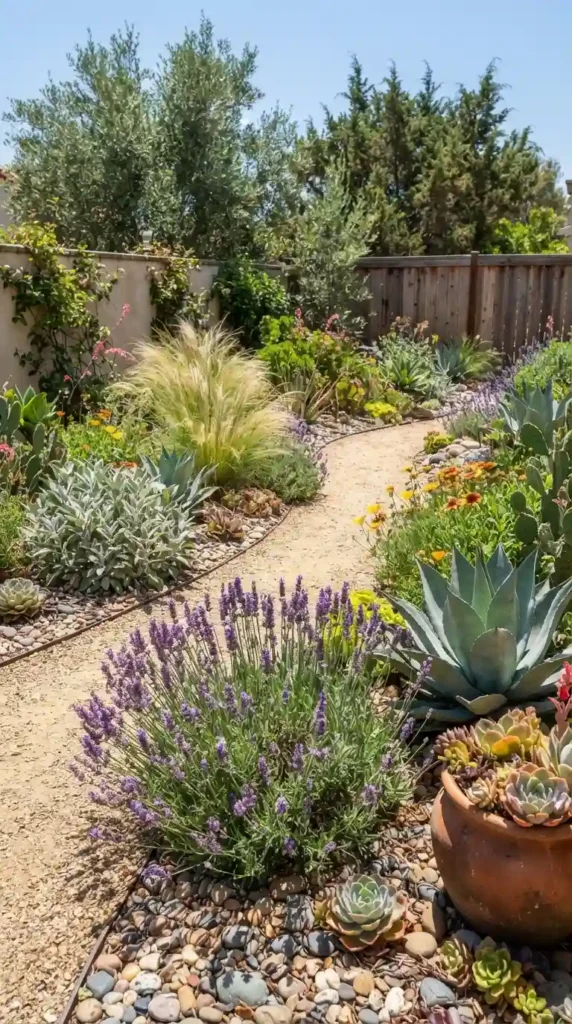
Drought-tolerant plants are plants that can survive periods of limited water once they are properly established.
Many have natural adaptations that help them conserve moisture. These can include deep root systems, small or waxy leaves, silvery foliage, succulent leaves, or other characteristics that reduce water loss.
However, drought-tolerant does not mean completely maintenance-free. Newly planted plants usually need regular watering while their roots become established.
Once established, many water-wise plants can tolerate dry periods much better than traditional thirsty landscape plants.
1. Lavender
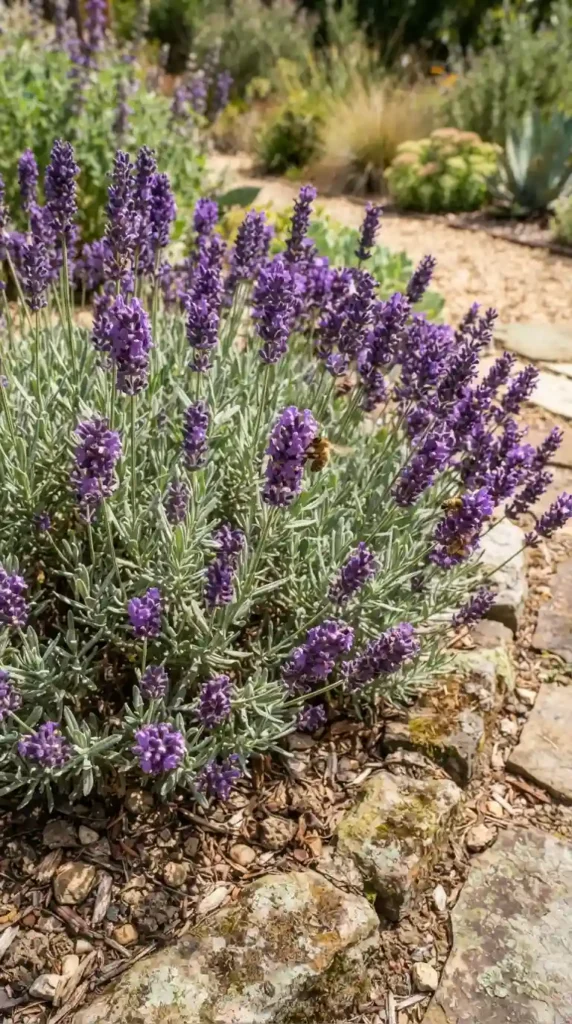
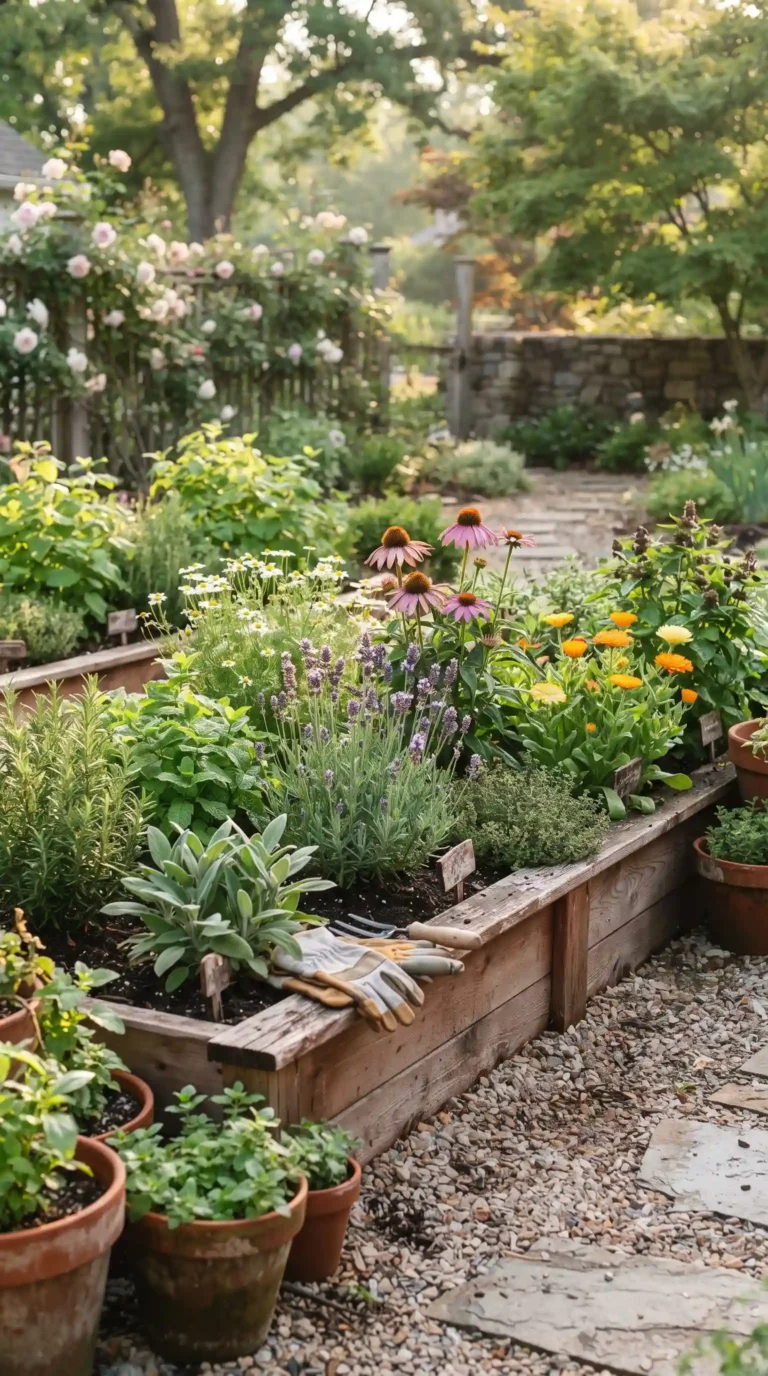
Lavender is one of the most recognizable choices for a drought-tolerant backyard garden.
Its fragrant foliage and purple flowers add color and texture while attracting pollinators. Lavender generally performs best in sunny locations with well-drained soil.
Avoid keeping its roots constantly wet, as poor drainage can cause problems.
For a modern garden, plant lavender along pathways, around patios, or in groups within a sunny border.
2. Yarrow
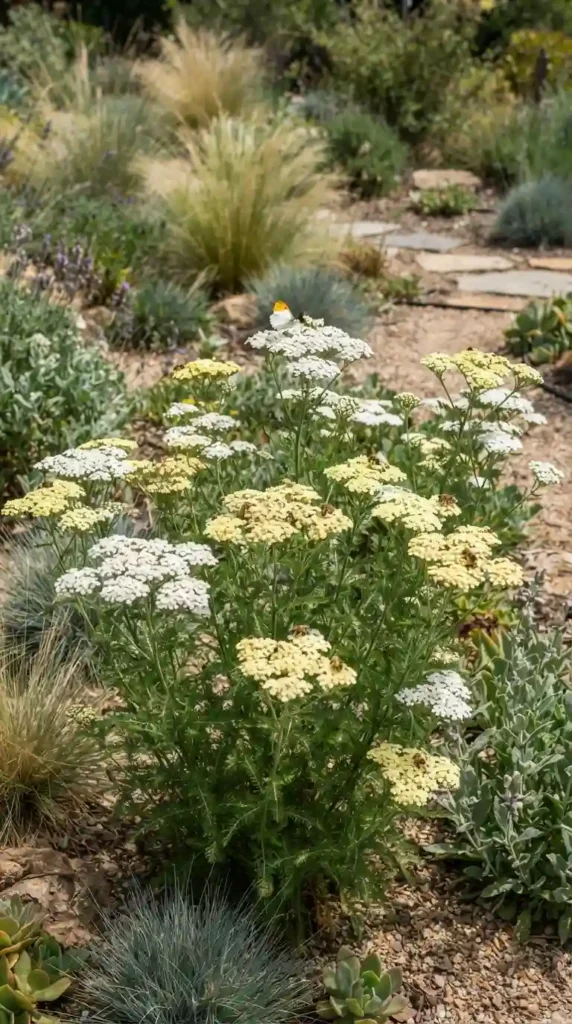
Yarrow is a hardy flowering perennial that can work particularly well in naturalistic and pollinator-friendly landscapes.
Its flat flower clusters add a soft texture to planting beds, while its foliage provides interest even when the plant isn’t flowering.
Choose a yarrow variety appropriate for your region and give it a sunny, well-drained location.
3. Coneflower
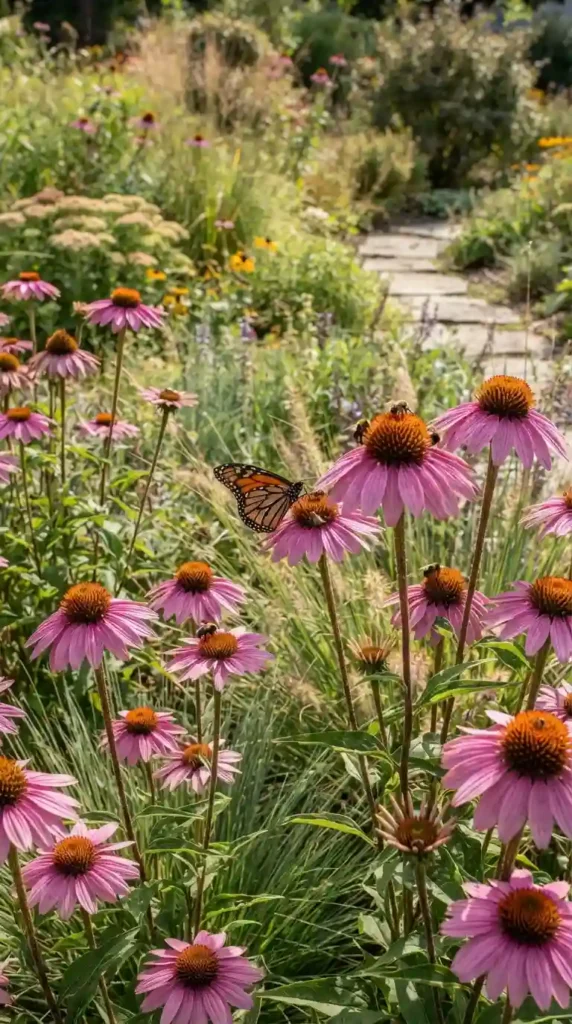
Purple coneflower (Echinacea) is an excellent choice for gardeners who want color and wildlife value.
Its distinctive flowers can attract bees and butterflies, while mature seedheads may provide food for birds.
Coneflower is also a popular native perennial in many parts of the United States and can tolerate periods of dry weather once established.
For a more natural look, combine it with ornamental grasses and other native perennials.
4. Black-Eyed Susan
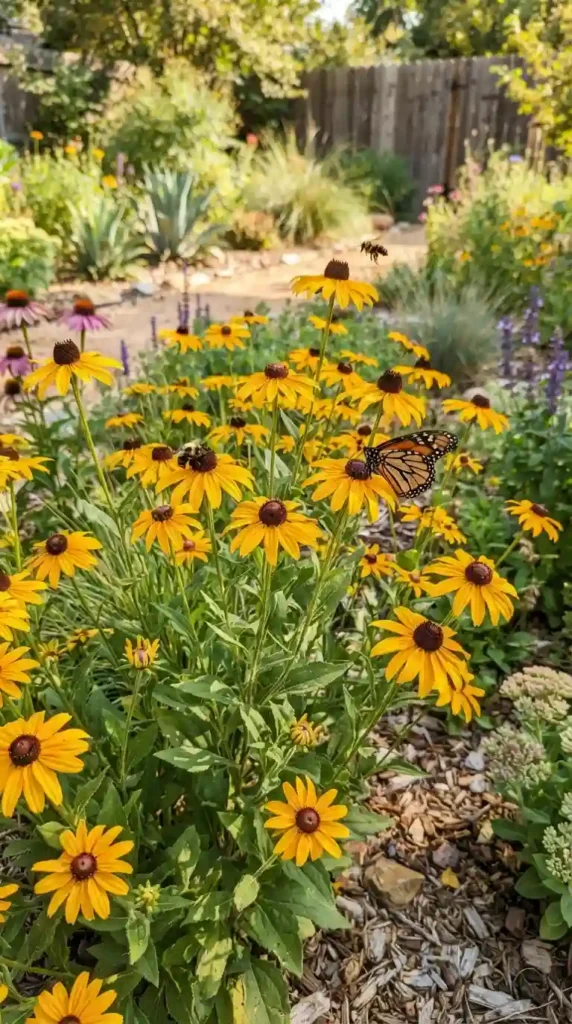
Black-eyed Susan is another reliable choice for a sunny, low-water garden.
Its bright yellow flowers create strong visual impact and can work beautifully in perennial borders, cottage gardens, and wildlife-friendly landscapes.
It is also relatively adaptable and can tolerate dry conditions once established.
Recent gardening guidance continues to highlight black-eyed Susan among hardy native plants suitable for wildlife-focused gardens.
5. Butterfly Weed
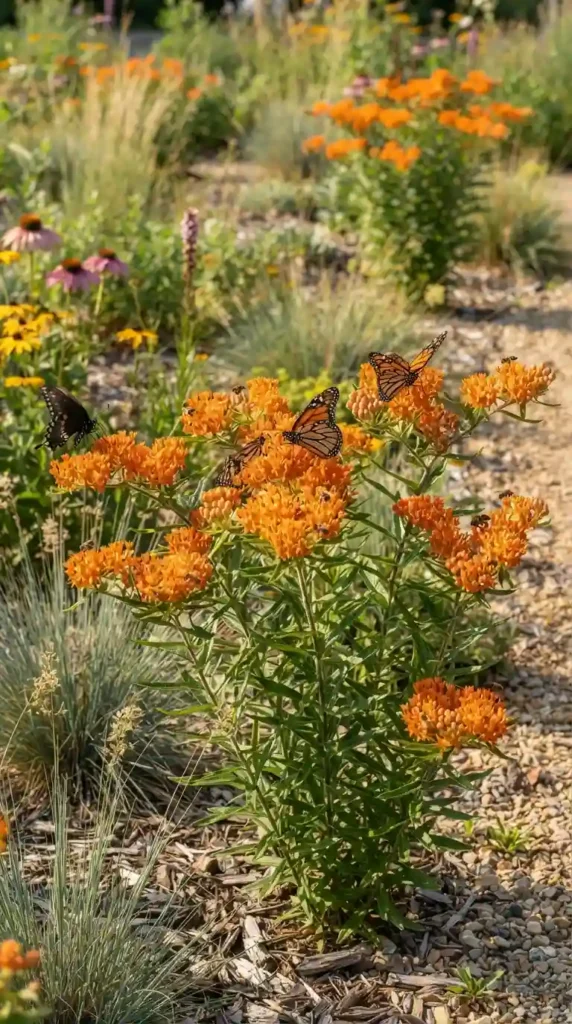
If attracting butterflies is one of your gardening goals, consider butterfly weed (Asclepias tuberosa).
This native perennial produces bright orange flowers and serves as an important host plant for monarch caterpillars.
It performs well in sunny locations and can tolerate relatively dry, poor soils once established.
Because native species vary by region, verify that butterfly weed is appropriate for your particular growing conditions.
6. Coreopsis
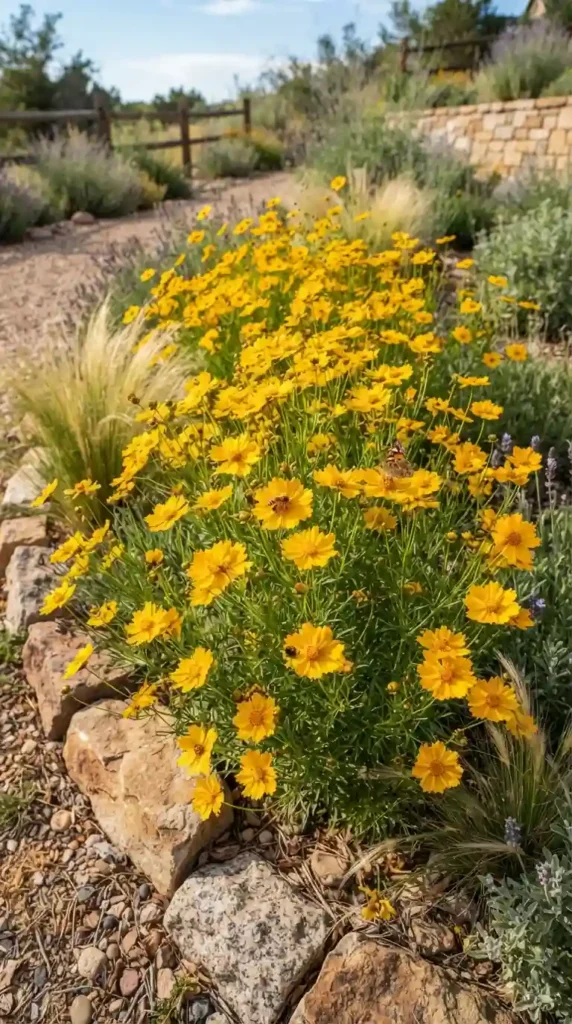
Coreopsis offers cheerful flowers and is available in several species and varieties.
Native coreopsis can be a useful addition to drought-conscious pollinator gardens, particularly in sunny locations.
The University of Maryland Extension lists lanceleaf coreopsis among drought-tolerant native plants suitable for water-conscious landscaping.
Plant it alongside coneflowers, grasses, or other compatible perennials for a relaxed summer display.
7. Sedum
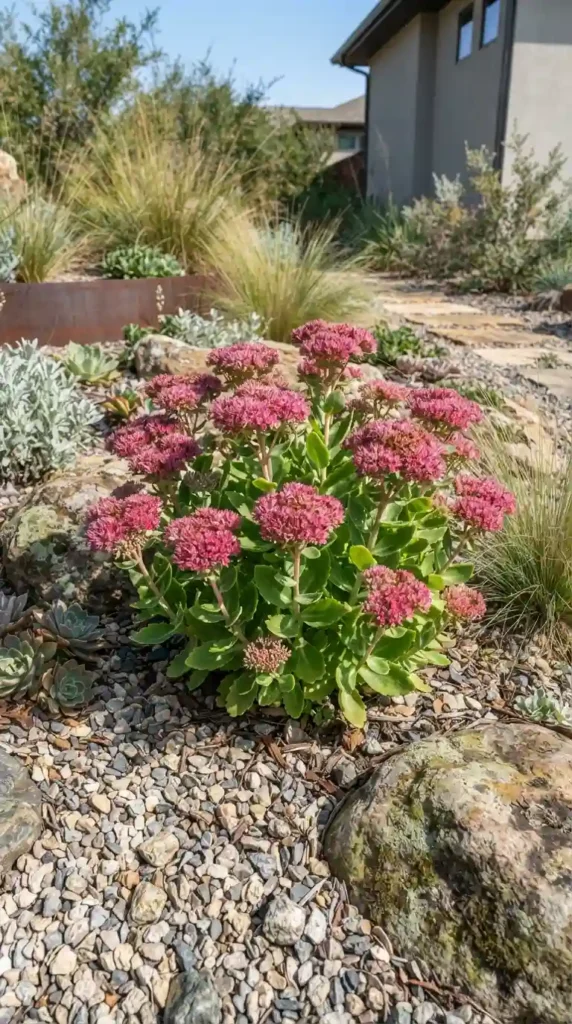
Sedums are popular for a reason: many have thick, moisture-storing leaves that help them cope with dry conditions.
They can be excellent choices for rock gardens, containers, borders, and areas where drainage is good.
Low-growing sedums can also work as groundcovers, while taller varieties can provide flowers and structure later in the season.
8. Ornamental Grasses
Ornamental grasses can bring movement and texture to a water-wise landscape.
Many grasses develop extensive root systems that help them cope with dry conditions. Native grasses can be especially valuable because they may also provide habitat and food for local wildlife.
Options vary by region, but switchgrass and indiangrass are examples of native grasses that can tolerate dry conditions in suitable locations.
Use grasses as borders, focal plants, or background planting behind flowering perennials.
9. Agave and Yucca
For gardeners in appropriate climates, agave and yucca can provide dramatic architectural structure while requiring relatively little supplemental water once established.
Their strong shapes work particularly well in modern, desert-inspired, and xeriscape gardens.
Yucca filamentosa, for example, is listed by the University of Maryland Extension as a drought-tolerant native option.
Remember that some species have sharp leaves, so position them away from high-traffic paths and play areas.
10. Sage
Sage and related drought-adapted plants are excellent choices for sunny, dry garden areas.
Their aromatic foliage and attractive flowers can add both texture and wildlife value.
Many sages have silvery or gray-green leaves that reflect sunlight and help reduce moisture loss. Similar foliage adaptations are common among plants suited to drought-resilient gardens.
11. Catmint
Catmint produces attractive blue-purple flowers and soft gray-green foliage.
It can work well along pathways, borders, and mixed perennial beds.
Its relaxed growth habit makes it particularly useful if you want a garden that feels natural rather than highly formal.
Combine catmint with grasses, coneflowers, or other drought-tolerant perennials.
12. Russian Sage
Russian sage is known for its airy flower spikes and silvery foliage.
It can create a soft, almost cloud-like appearance in a sunny backyard while tolerating dry conditions after establishment.
Use it toward the middle or back of a planting bed where its height can provide structure without overwhelming smaller plants.
13. California Poppy
For suitable regions, California poppy can add vivid color without requiring the constant watering associated with many traditional bedding plants.
Its bright flowers work especially well in naturalistic, meadow-style, and water-wise gardens.
As with every plant on this list, check regional suitability before planting because a species adapted to one climate may perform poorly somewhere else.
14. Native Asters
Native asters are valuable additions to a drought-conscious wildlife garden.
They provide late-season flowers when many other plants are beginning to fade, helping extend the flowering season for pollinators.
Recent native-plant recommendations continue to highlight asters for pollinator-friendly landscapes.
Choose an aster native to your region and match it to your site’s soil and moisture conditions.
15. Drought-Tolerant Native Trees
Don’t overlook trees when designing a water-wise backyard.
A properly selected shade tree can eventually reduce heat around your property and provide habitat for wildlife. University extension guidance recommends considering mature size, local conditions, and drought tolerance when selecting landscape trees.
Depending on your region, possibilities may include certain oaks, hackberries, maples, hickories, or other locally adapted species.
Always check the mature size before planting a tree near buildings, sidewalks, driveways, or utility lines.
How to Choose the Best Drought-Tolerant Plants
There is no single list of plants that works perfectly across the United States.
A plant that thrives in Arizona may struggle in a humid Southern climate, while a plant adapted to the Northeast may not tolerate extreme Southwestern heat.
Before buying plants, check:
- USDA hardiness zone
- Local rainfall
- Soil drainage
- Sun exposure
- Mature plant size
- Native status
- Water requirements
- Winter tolerance
The EPA specifically recommends using local and regional plant information when designing water-efficient landscapes.
How to Make Your Backyard More Water-Efficient
Plant selection is only one part of drought-resistant gardening.
Group Plants by Water Needs
Place plants with similar watering requirements together. This prevents you from accidentally overwatering drought-adapted plants simply because they share space with thirsty species.
Use Mulch
A suitable layer of mulch can help reduce evaporation and moderate soil temperatures.
Water Deeply During Establishment
New plants need regular irrigation while developing their root systems. Gradually reduce supplemental watering as plants become established and follow local recommendations.
Reduce Unnecessary Lawn
Traditional turf can require substantial irrigation. Consider replacing portions of unused lawn with native perennials, grasses, shrubs, or other water-wise landscape features.
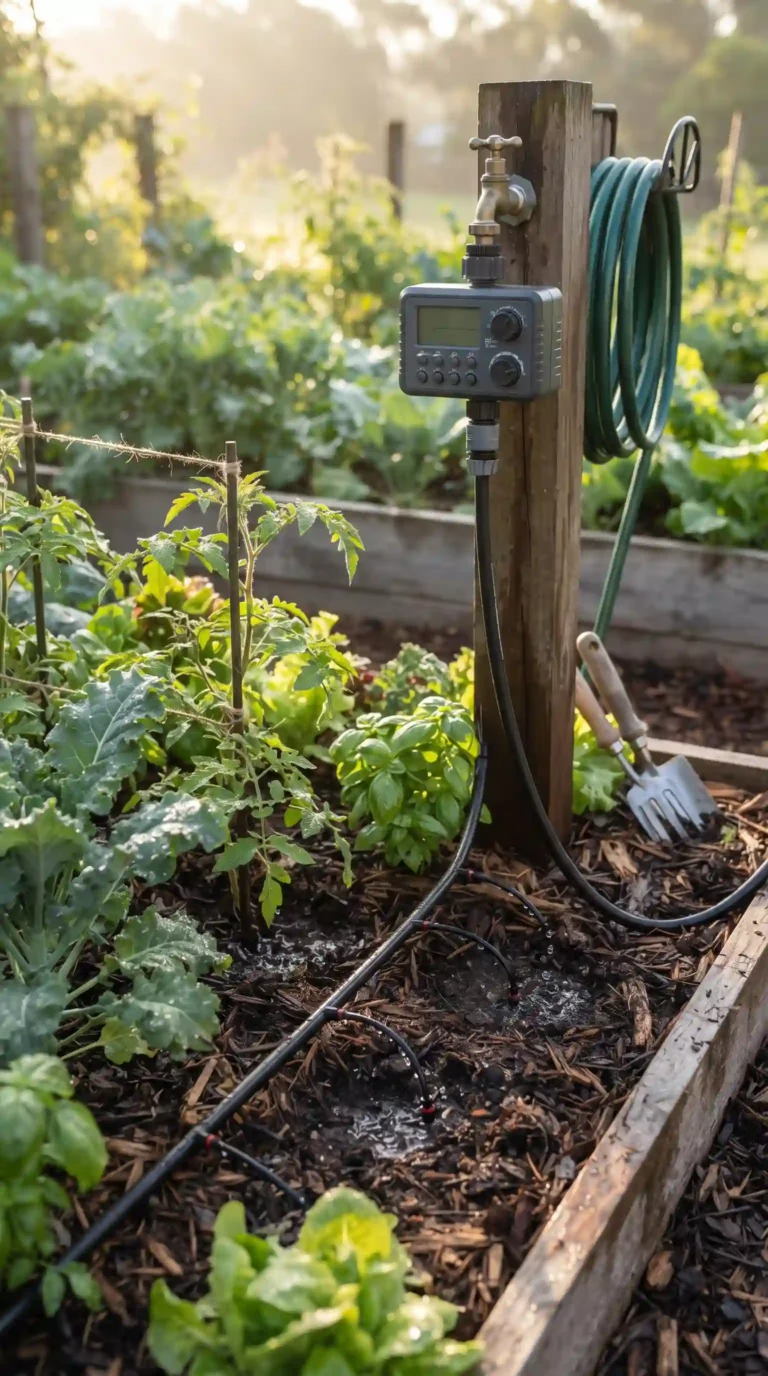
Improve Irrigation Efficiency
If irrigation is necessary, use methods that deliver water close to plant root zones and avoid unnecessary runoff or evaporation.
Common Mistakes to Avoid
Even drought-tolerant gardens can fail if they are poorly planned.
Avoid choosing plants solely because they are labeled “drought resistant.” Check whether they are suitable for your specific climate.
Don’t stop watering immediately after planting. A drought-tolerant plant still needs help establishing its root system.
Also avoid assuming that more gravel automatically means a better xeriscape. A successful water-wise garden can contain living plants, shade, habitat, mulch, and seasonal color rather than being dominated by hardscape.
Final Thoughts
The best drought-tolerant plants for your backyard in 2026 are the ones that match your local growing conditions while providing the appearance and function you want.
Lavender, yarrow, coneflower, black-eyed Susan, butterfly weed, coreopsis, sedum, ornamental grasses, yucca, sage, catmint, Russian sage, California poppy, asters, and appropriate native trees can all contribute to a beautiful water-wise landscape when used in the right environment.
Start with a few plants that are proven for your region rather than attempting to redesign your entire backyard at once. Group plants according to their water needs, use mulch, maintain efficient irrigation, and give new plants enough water to establish strong roots.
A drought-tolerant garden isn’t just about watering less. It’s about choosing the right plants and designing your landscape to work with your climate. With that approach, you can create a colorful, resilient backyard that uses water more thoughtfully while supporting pollinators and local wildlife.