How to Create a Pollinator Garden: Native Plants Bees and Butterflies Love
Want to bring more bees, butterflies, hummingbirds, and other helpful wildlife into your backyard? Learning how to create a pollinator garden is one of the easiest ways to make your outdoor space more welcoming to nature.
A pollinator garden doesn’t have to be large or complicated. Even a small flower bed, balcony container, or backyard corner can provide valuable food and habitat when you choose the right plants.
The key is to provide nectar, pollen, shelter, water, and suitable host plants throughout the growing season. Native plants are especially useful because many local insects have evolved alongside them.
If you’re ready to create a beautiful, wildlife-friendly garden in 2026, here’s a beginner-friendly guide to get started.
What Is a Pollinator Garden?
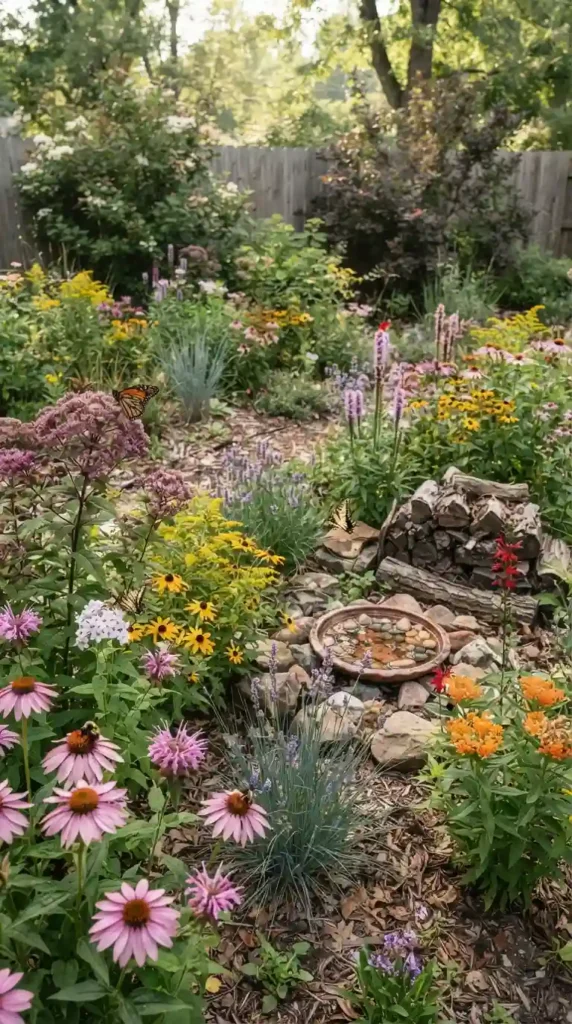
A pollinator garden is a garden designed to provide food and habitat for animals that transfer pollen between flowers.
Common garden pollinators include:
- Bees
- Butterflies
- Moths
- Hummingbirds
- Beetles
- Other insects
These animals play an important role in natural ecosystems and food production.
A successful pollinator garden doesn’t simply contain lots of colorful flowers. It provides resources at different times of the year and creates places where pollinators can feed, shelter, and reproduce.
Why Create a Pollinator Garden?
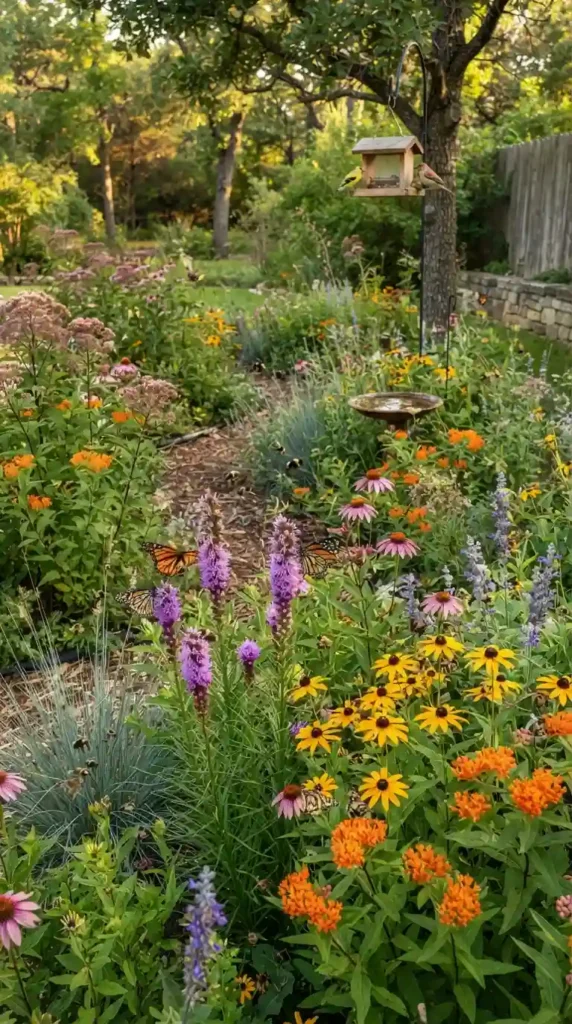
Pollinator-friendly gardening has several benefits.
Supports Local Wildlife
Native flowering plants can provide food for insects and other wildlife.
Adds Color to Your Yard
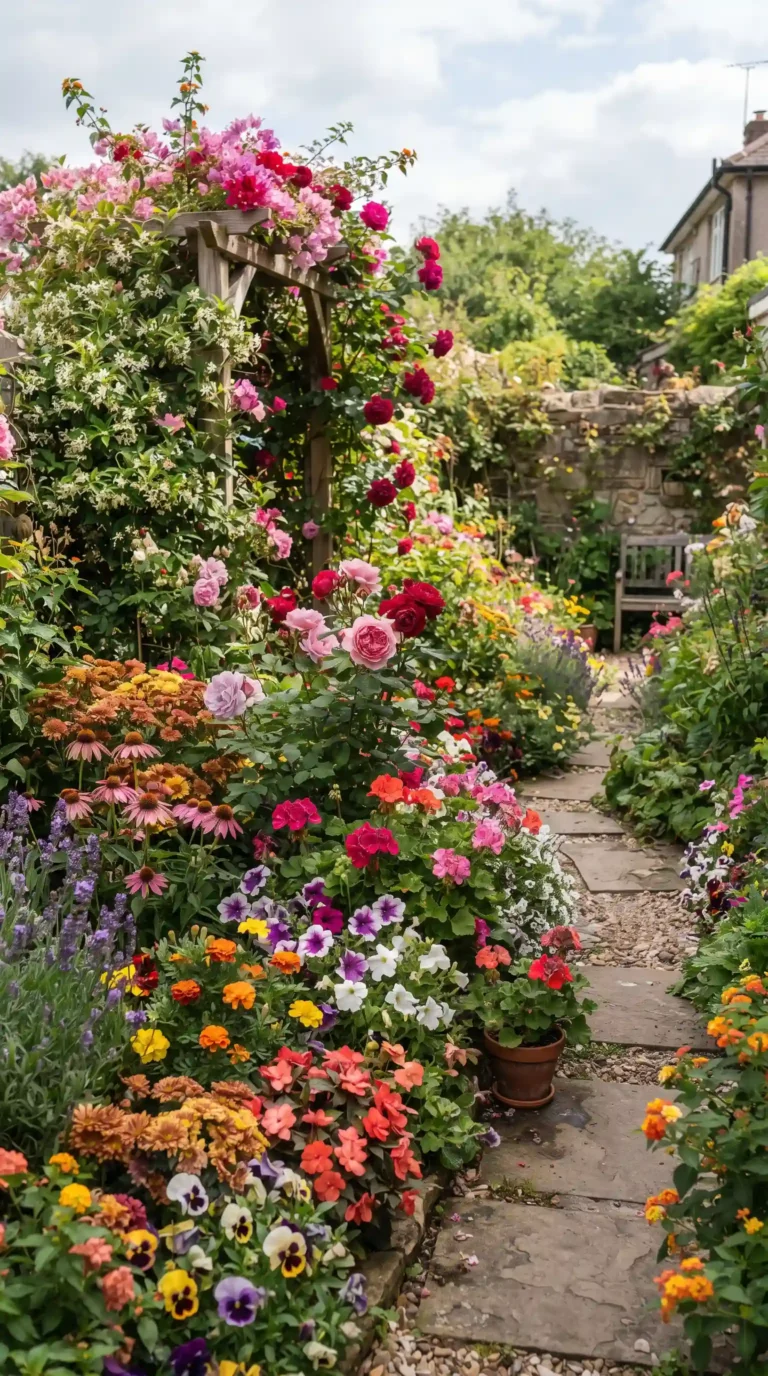
Pollinator plants can create beautiful displays from spring through fall.
Reduces Lawn Space
Replacing a section of lawn with flowering plants can increase habitat diversity.
Creates a Living Ecosystem
A well-designed garden can attract bees, butterflies, birds, and beneficial insects.
Makes Gardening More Interesting
Instead of simply maintaining plants, you can observe the relationships between flowers, insects, birds, and other wildlife.
Step 1: Choose a Sunny Location
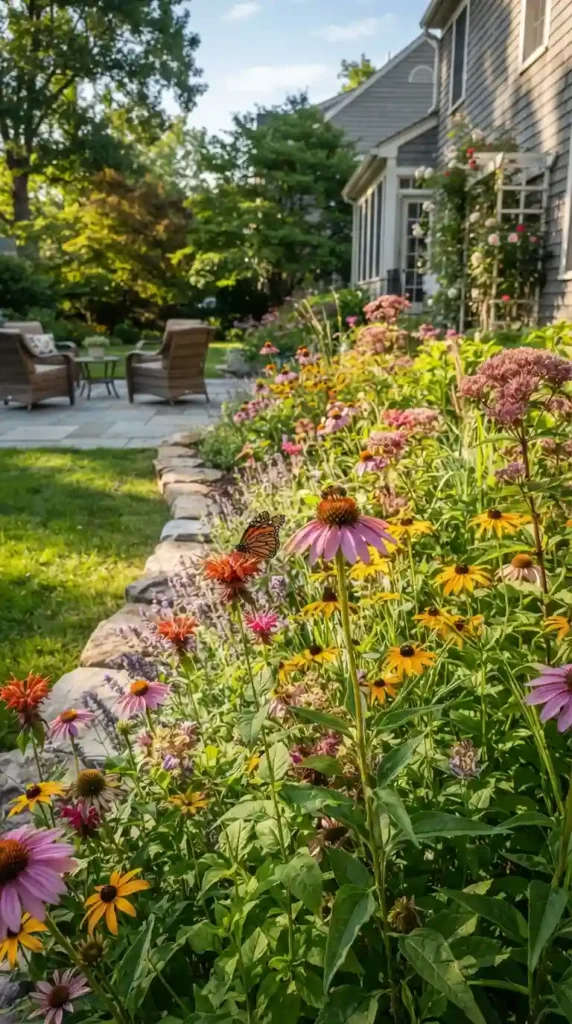
Many flowering plants that attract pollinators perform best in full or partial sun.
Look around your yard and identify an area that receives several hours of direct sunlight.
You don’t need a huge space. A small planting bed can work if it contains appropriate plants.
Also consider accessibility. A garden near a patio or walkway can make it easier to observe butterflies and bees.
Step 2: Choose Native Plants
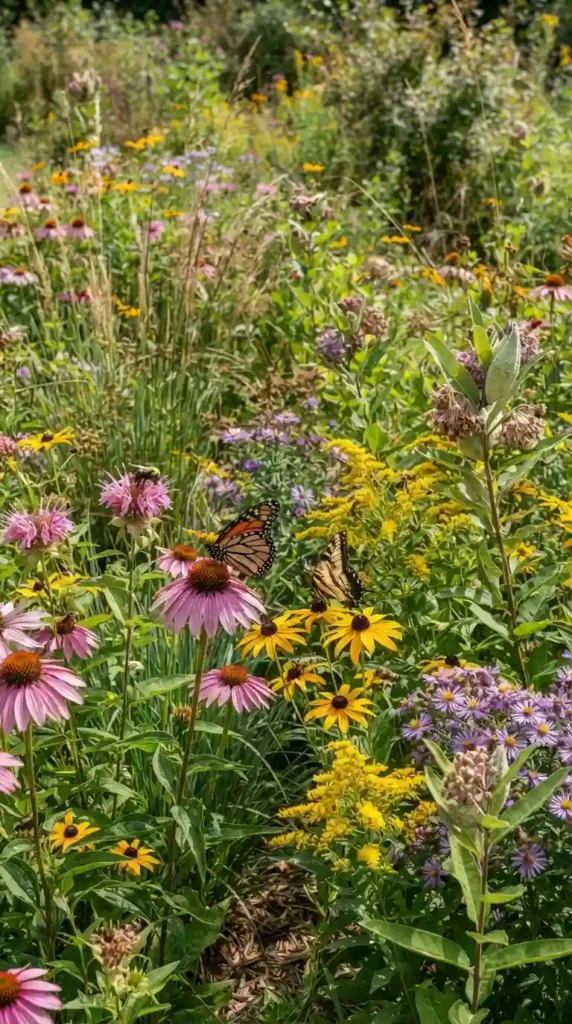
One of the most important steps in creating a pollinator garden is selecting plants suited to your region.
Native plants can provide valuable resources for local insects and often require less supplemental care once established in the right conditions.
Examples of commonly used native pollinator plants include:
- Coneflower
- Black-eyed Susan
- Milkweed
- Goldenrod
- Asters
- Bee balm
- Coreopsis
- Native sunflowers
- Native grasses
However, don’t plant this entire list automatically.
Native species vary by location. A plant native to Texas may not be native to Maine, California, or Florida.
Check your local extension service or native-plant organization for regionally appropriate recommendations.
Step 3: Provide Flowers Throughout the Season
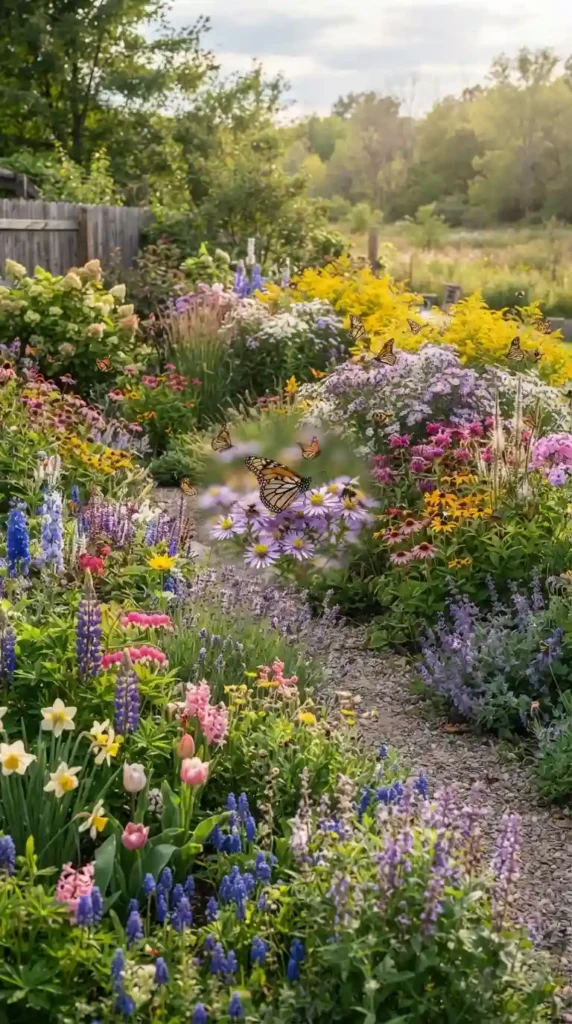
A common mistake is creating a garden that produces lots of flowers for only a few weeks.
Pollinators need food throughout the growing season.
Try to select plants that bloom during different periods.
Spring
Consider early-blooming native trees, shrubs, bulbs, or perennials appropriate for your region.
Summer
Plant species such as coneflowers, bee balm, milkweed, and other regionally suitable flowering plants.
Fall
Goldenrod and asters can provide valuable late-season flowers.
A garden with continuous blooms is generally more useful than one with a single dramatic flowering period.
Step 4: Plant Flowers in Groups
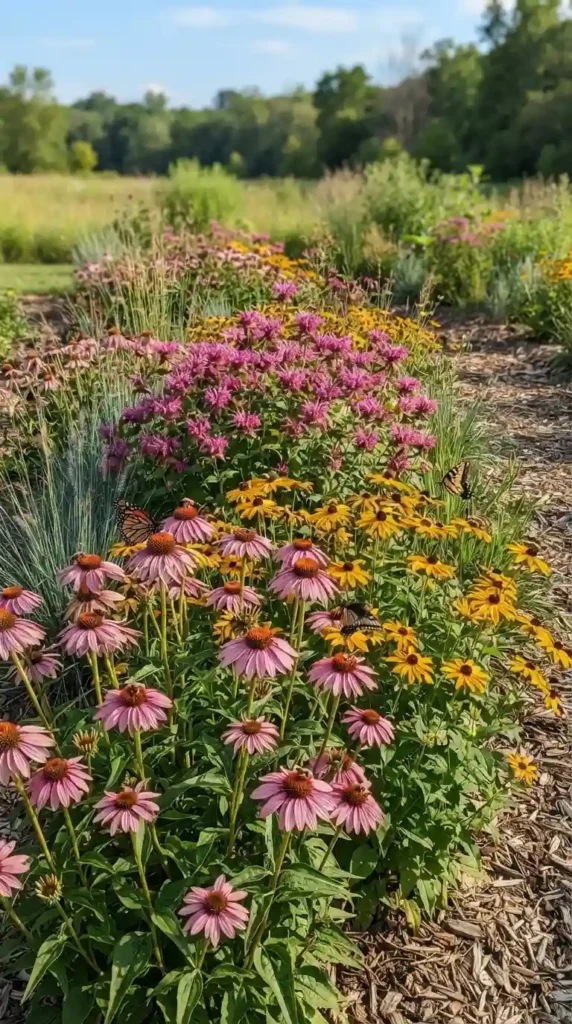
Instead of planting one individual plant of every species, consider grouping several plants together.
Large patches of the same flower can be easier for pollinators to locate and can also create a stronger visual impact.
For example, you could create a group of coneflowers surrounded by native grasses and another group of goldenrod and asters.
Repeat plants throughout the garden to create continuity.
Step 5: Include Different Flower Shapes
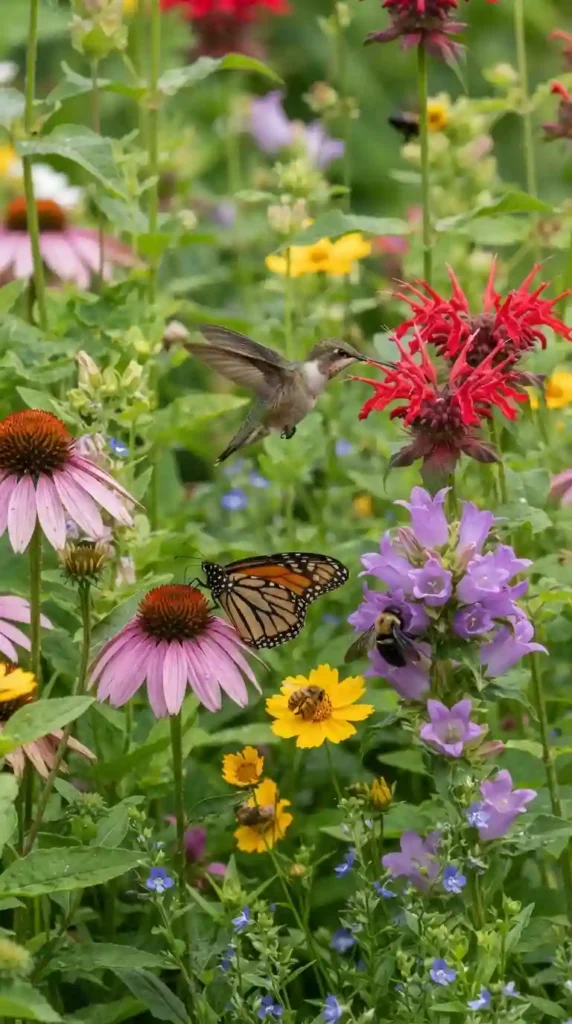
Not all pollinators use flowers in exactly the same way.
Bees, butterflies, moths, hummingbirds, and other pollinators have different body shapes, feeding behaviors, and preferences.
Use a mixture of flower shapes and sizes.
Include:
- Tubular flowers
- Flat flower clusters
- Daisy-like flowers
- Bell-shaped flowers
- Small clustered blooms
This increases the variety of resources available in the garden.
Step 6: Add Butterfly Host Plants
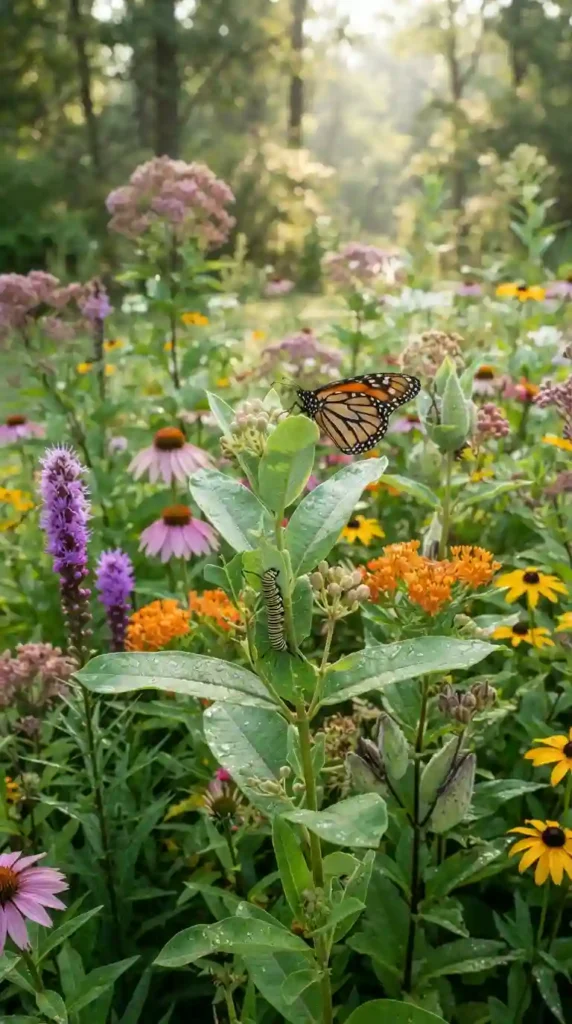
If you want butterflies in your garden, don’t focus only on flowers.
Butterflies need host plants where they can lay eggs and where their caterpillars can feed.
For example, milkweed species are important host plants for monarch butterflies.
Caterpillars may eat leaves and create visible damage. That’s not necessarily a sign that something is wrong.
If you’re creating a wildlife garden, some leaf damage is part of the process.
Step 7: Provide Water
Pollinators and other wildlife need water.
A shallow dish can provide a simple drinking source.
Add small stones or other landing surfaces so insects can reach the water without falling into a deep container.
Keep the water clean and refresh it regularly.
You don’t need to build an elaborate pond to provide useful water habitat.
Step 8: Create Shelter
Pollinators need places to rest and hide.
Avoid making every part of your garden perfectly clean.
Leave some:
- Fallen leaves
- Hollow stems
- Small branches
- Natural ground cover
These materials can provide shelter for insects and other organisms.
A small brush pile or section of undisturbed vegetation can also add habitat.
Step 9: Avoid Unnecessary Pesticides
A pollinator garden should be a safe environment for insects.
Avoid spraying pesticides simply because you see insects on your plants.
First identify the insect and determine whether it is actually causing meaningful damage.
If treatment is necessary, use the least disruptive approach available and carefully follow the product label.
Remember that broad-spectrum insecticides can affect beneficial insects as well as pests.
Step 10: Add Native Shrubs and Trees
Pollinator gardens don’t have to consist entirely of small flowers.
Native shrubs and trees can provide important seasonal resources.
They may offer:
- Spring flowers
- Caterpillar habitat
- Berries
- Seeds
- Nesting areas
- Shelter
Adding multiple vegetation layers makes your garden more diverse.
Try combining trees or tall shrubs with smaller shrubs, perennials, grasses, and groundcovers.
Best Native Plants for Bees
Bees benefit from many different native flowering plants.
Depending on your region, consider:
Coneflowers: Long-lasting flowers and strong visual appeal.
Bee balm: Attractive to bees and hummingbirds.
Asters: Valuable late-season flowers.
Goldenrod: Excellent fall resource.
Native sunflowers: Provide flowers and seeds.
Best Native Plants for Butterflies
Butterflies need both nectar and host plants.
Good choices can include:
- Milkweed
- Native asters
- Coneflowers
- Black-eyed Susan
- Joe-Pye weed
- Goldenrod
- Native verbena
Again, choose species that naturally occur or perform appropriately in your region.
How to Design a Small Pollinator Garden
If you have limited space, use a simple layered design.
Place taller plants toward the back of the garden and shorter plants toward the front.
For example:
Back: Native grasses and taller flowering perennials
Middle: Coneflowers, bee balm, milkweed
Front: Low-growing flowers and groundcovers
Add a small water dish and leave some natural material around the edges.
Even a garden measuring only a few feet across can provide meaningful habitat.
Pollinator Garden Maintenance
A pollinator garden is relatively straightforward to maintain, but it isn’t maintenance-free.
Water New Plants
New plants need regular watering while they establish roots.
Control Invasive Plants
Remove invasive species before they dominate the planting area.
Leave Seed Heads
Don’t immediately cut every plant back after flowering. Seed heads can provide food for birds and winter habitat for insects.
Avoid Excessive Cleanup
Leaving some plant stems and leaf litter can benefit overwintering insects.
Replant When Necessary
Some plants may struggle in your conditions. Replace them with species better suited to your soil, light, and climate.
Common Pollinator Garden Mistakes
Choosing Plants Only for Color
A flower may look beautiful but offer limited ecological value.
Planting Only One Flowering Season
Pollinators need food across the growing season.
Removing Every Leaf and Stem
Over-cleaning eliminates potential habitat.
Using Too Many Non-Native Ornamentals
Non-native plants aren’t automatically harmful, but regionally appropriate native species can provide important ecological relationships.
Forgetting Caterpillars
A butterfly garden needs host plants as well as nectar-producing flowers.
Final Thoughts
Learning how to create a pollinator garden doesn’t require a large property or complicated landscaping plan.
Start with a sunny location, choose native plants suited to your region, and combine species that bloom during different seasons. Add host plants, water, shelter, and natural materials, and avoid unnecessary pesticide use.
You may initially notice only a few bees or butterflies. Over time, however, your garden can become increasingly active as plants mature and wildlife discovers the available resources.
The most important thing is to think beyond flowers. A successful native pollinator garden provides food, shelter, nesting opportunities, and habitat throughout the year.
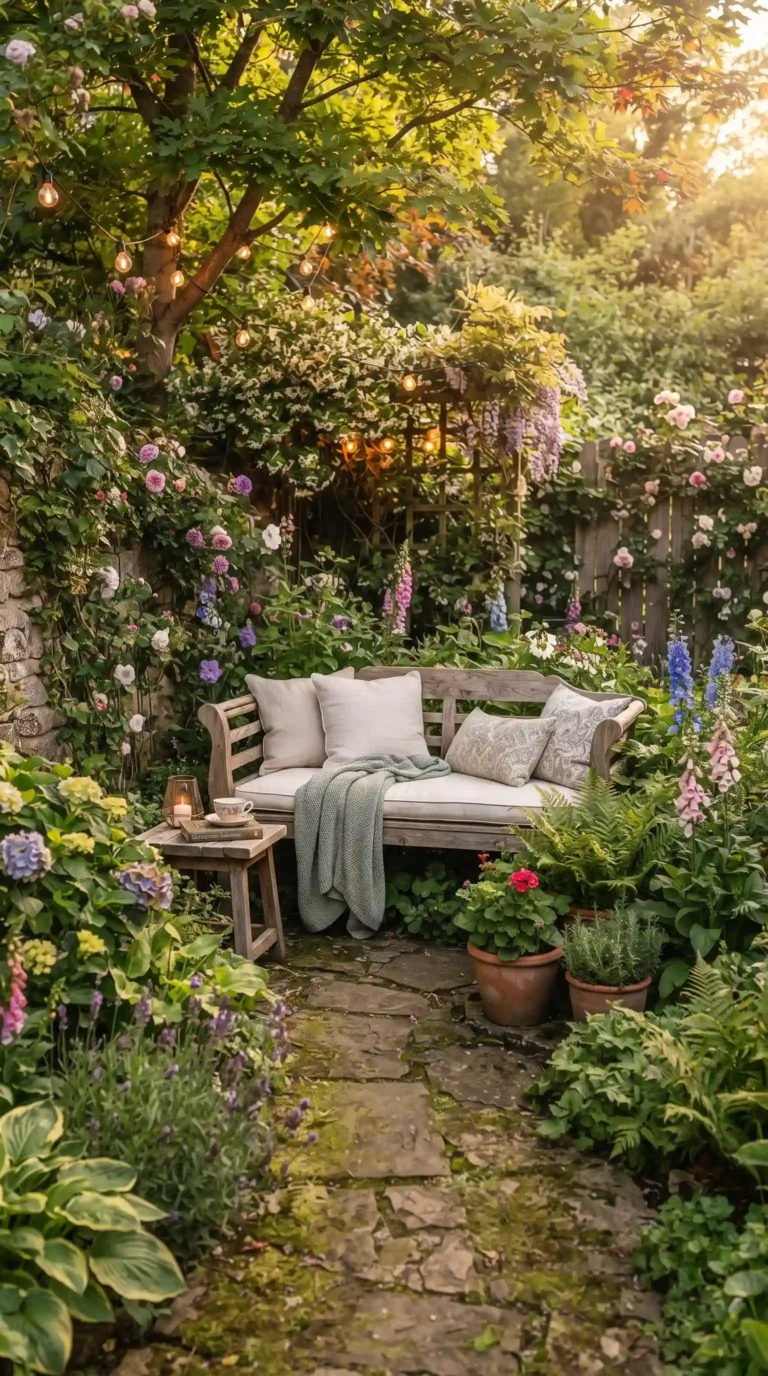
Even a small backyard planting can become a valuable stop for local wildlife—and a beautiful place for you to enjoy nature right outside your home.