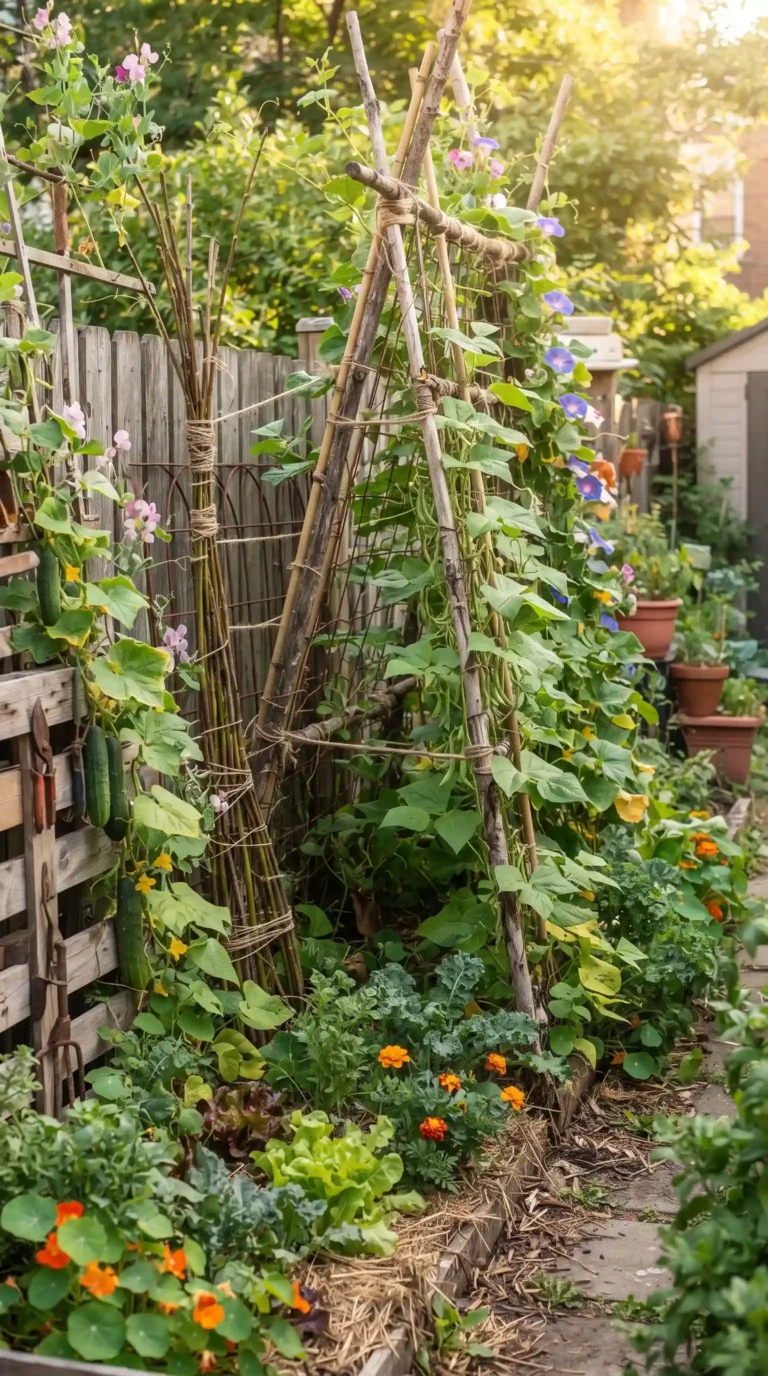
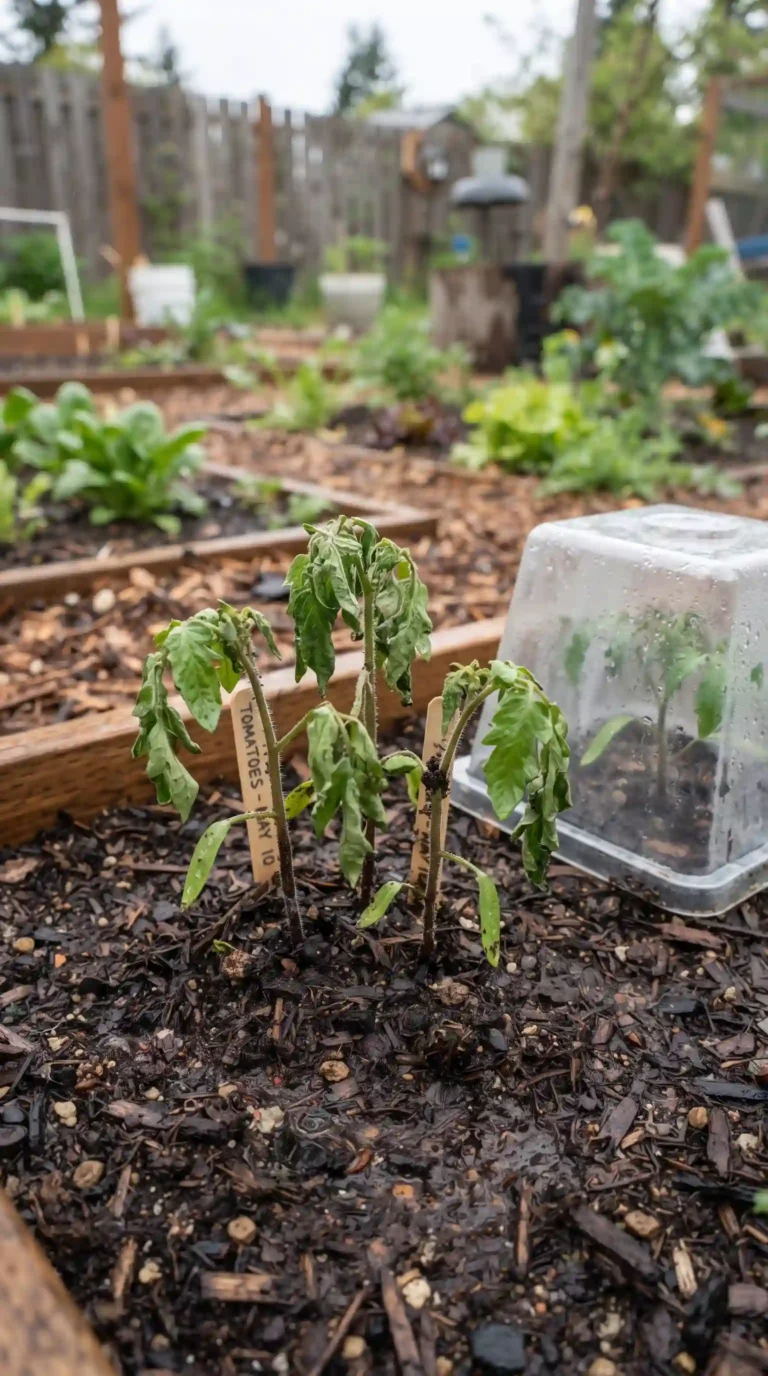
15 Fast-Growing Vegetables for Impatient Gardeners
Waiting weeks or months for a garden harvest can be difficult, especially when you are excited to see the results of your hard work. Fortunately, not every vegetable takes a long time to mature. Many vegetables grow quickly and can provide fresh food in a surprisingly short period.
If you are a beginner gardener, have limited space, or simply want faster results, choosing quick-growing crops is a smart place to start. Fast-growing vegetables can make gardening more enjoyable because you can see progress within days and begin harvesting much sooner than with slow-growing crops.
In this guide, we will explore 15 fast-growing vegetables for impatient gardeners. These options are suitable for different types of gardens, including raised beds, containers, balconies, and small backyard spaces. We will also cover planting tips, sunlight requirements, watering, and ways to get your vegetables growing faster.
What Makes a Vegetable Fast-Growing?
A fast-growing vegetable is generally a crop that can be harvested relatively soon after planting. Some can provide a harvest within a few weeks, while others may take a little longer depending on the variety and growing conditions.
Growth speed can change based on several factors, including:
- Temperature
- Sunlight
- Soil quality
- Water availability
- Vegetable variety
- Plant spacing
- Growing season
- Pest and disease pressure
For the fastest results, always check the seed packet or plant label for the expected days to maturity.
1. Radishes
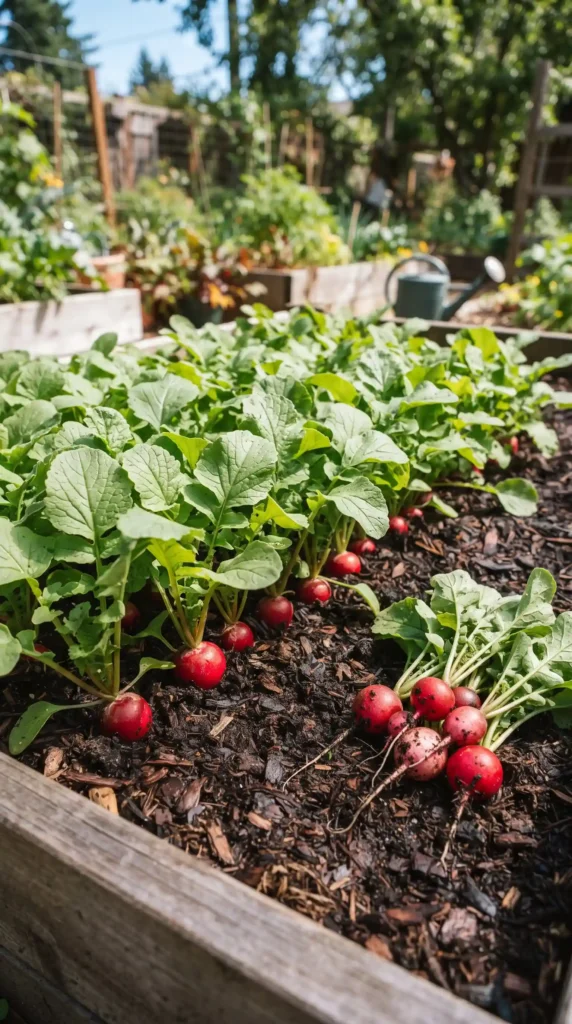
Radishes are one of the best choices for gardeners who want quick results. Many varieties can be ready for harvesting in around three to five weeks.
They grow well in loose, well-draining soil and can be planted directly from seed. Radishes also work well in containers, making them useful for small gardens.
Plant the seeds shallowly and keep the soil consistently moist while they germinate. Avoid overcrowding because plants need enough room for their roots to develop.
For a continuous harvest, plant a small batch every week or two during the suitable growing season.
2. Lettuce
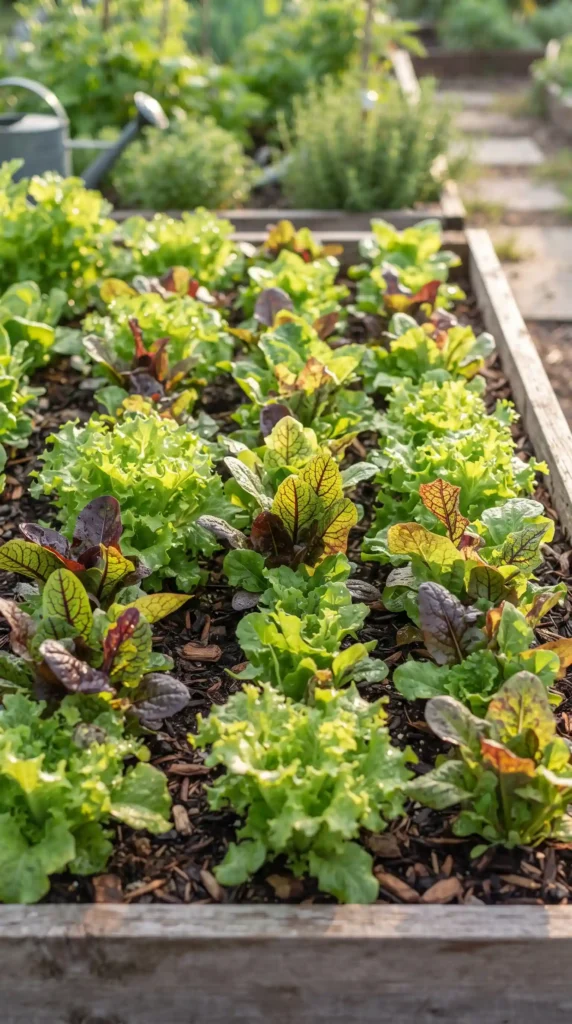
Lettuce is another excellent option when you want a quick harvest. Leaf lettuce varieties are particularly useful because you can often harvest individual leaves before the entire plant reaches full maturity.
Lettuce prefers cooler conditions and can grow well in garden beds, raised beds, and containers.
Provide fertile soil, regular moisture, and enough sunlight. During very hot weather, some afternoon shade can help reduce stress and slow bolting.
Harvesting outer leaves regularly can give you fresh greens while allowing the plant to continue producing.
3. Spinach
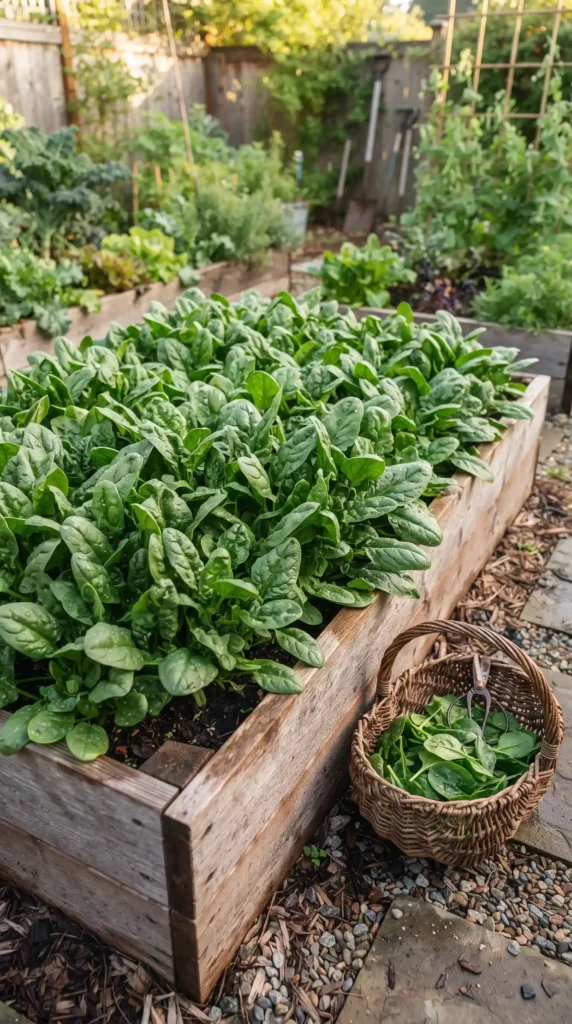
Spinach can provide a fast supply of nutritious leafy greens. Baby spinach leaves can often be harvested relatively early, making this crop useful for impatient gardeners.
It prefers cool weather and fertile soil. Keep the soil evenly moist and harvest young leaves when they reach a useful size.
Spinach can be grown in containers or directly in the garden. For a longer supply, consider planting small amounts at different times instead of sowing everything at once.
4. Arugula
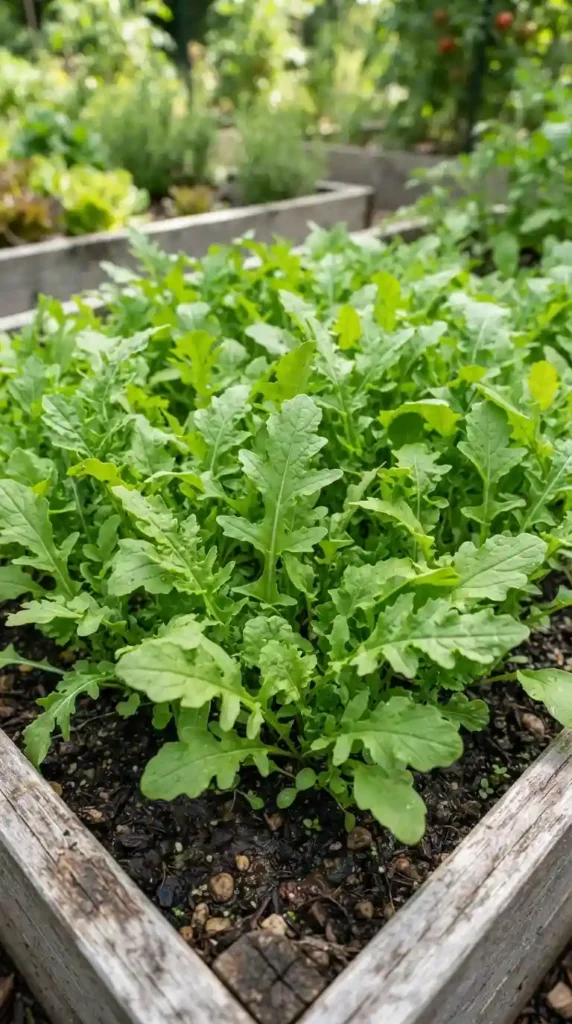
Arugula is a fast-growing leafy green with a distinctive peppery flavor. It can be ready for baby-leaf harvesting in only a few weeks under good conditions.
It grows best in cooler weather and does not require a large amount of space.
Sow seeds directly into the soil and keep them moist during germination. Once the leaves are large enough, harvest them regularly.
Frequent harvesting can encourage continued production, although plants may eventually bolt when temperatures rise.
5. Green Onions
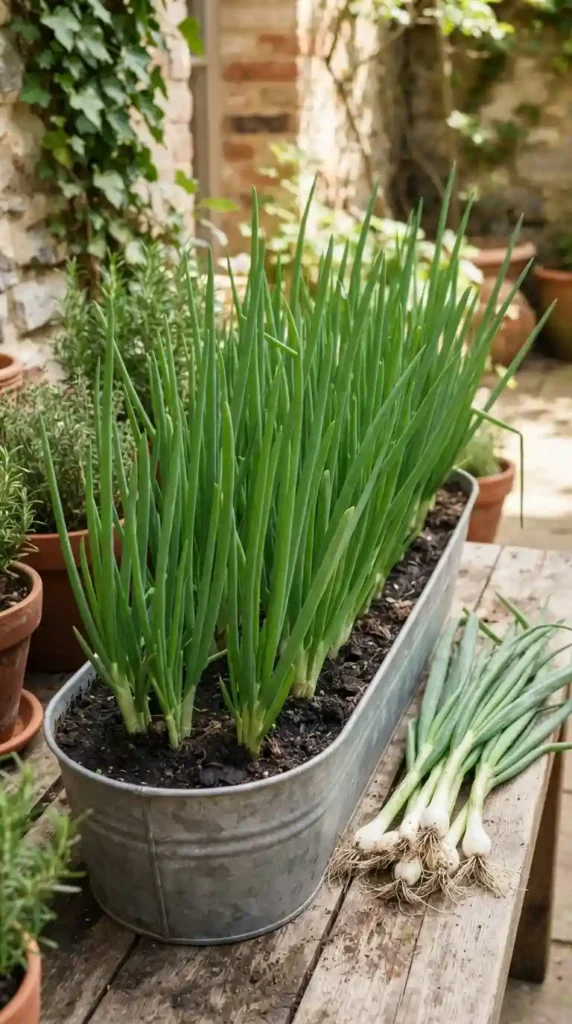
Green onions are excellent for small gardens because they require relatively little space. They can be harvested when the green tops reach a useful size, often much sooner than gardeners expect.
Plant them in containers, raised beds, or garden borders. They generally prefer well-draining soil and a sunny location.
You can harvest individual green stalks as needed. Leaving the roots and lower portion in place may allow continued growth depending on the variety and growing conditions.
6. Baby Carrots
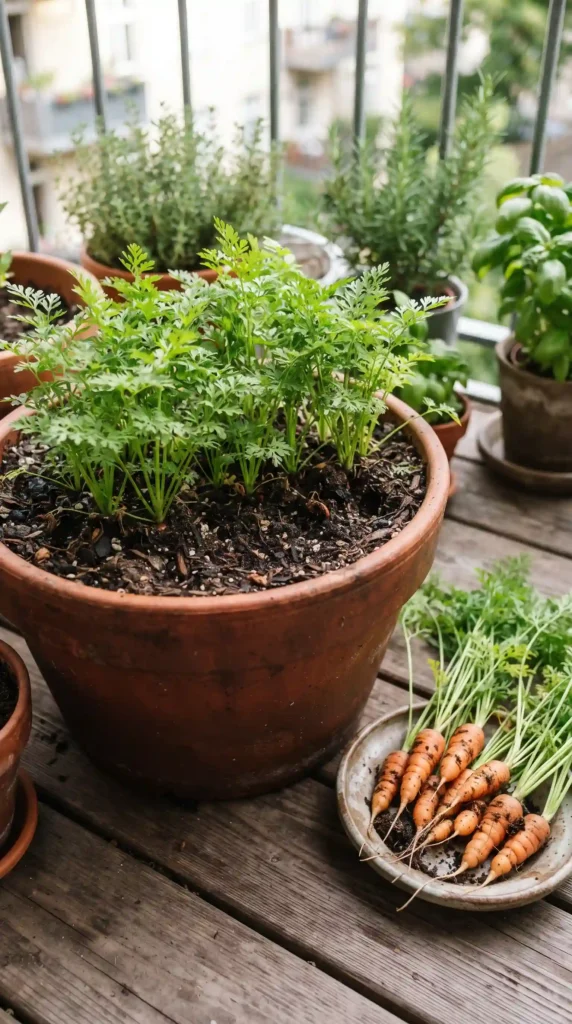
Carrots are usually associated with long growing periods, but baby carrot varieties can provide a quicker harvest.
Choose smaller or early-maturing varieties if speed is your main goal. Carrots need loose soil because compacted soil can cause misshapen roots and slower development.
Keep the soil consistently moist while seeds are germinating. Once seedlings appear, thin them carefully to provide enough space for the roots.
Baby carrots can be harvested earlier than full-sized varieties.
7. Bush Beans
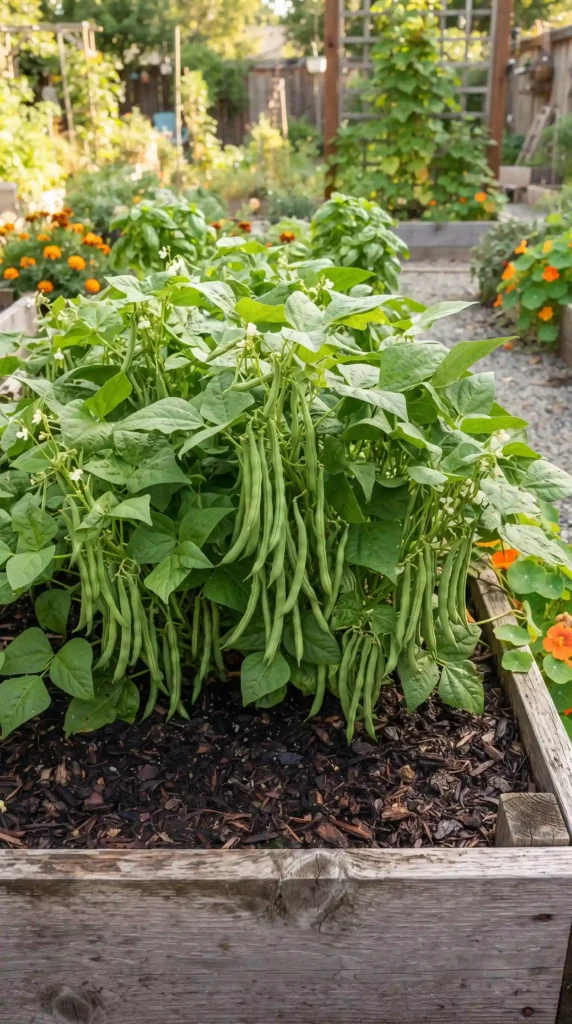
Bush beans can be a productive choice for gardeners looking for a relatively quick crop. Unlike climbing pole beans, bush varieties generally grow in a compact form.
Many varieties begin producing beans within several weeks after planting, depending on weather and growing conditions.
Beans prefer warm soil, plenty of sunlight, and regular moisture. Harvest the pods while they are young and tender.
Regular harvesting can encourage the plant to continue producing more beans during the season.
8. Peas
Peas are a great fast-growing vegetable for cooler seasons. They can develop quickly when temperatures are suitable.
Plant peas in early spring or another cool growing period according to your local climate. Provide a trellis or support for climbing varieties.
Keep the soil moist without making it waterlogged. Harvest pods regularly once they reach the desired size.
For impatient gardeners, peas are especially rewarding because the plants can show noticeable growth soon after germination.
9. Turnips
Turnips are useful root vegetables that can grow relatively quickly. The roots can be harvested while still young and tender, while the leafy tops can also be eaten.
They prefer loose, fertile soil and consistent moisture. Thin seedlings after germination so the roots have enough room to develop.
If you want a faster harvest, choose smaller varieties and harvest them when they reach a young size rather than waiting for maximum root development.
10. Beet Greens
Beets are usually grown for their roots, but the leaves provide another harvest opportunity.
Young beet greens can be picked while the roots are still developing. This makes beets a useful choice when you want fresh leafy vegetables without waiting for full root maturity.
Plant seeds in fertile soil and maintain consistent moisture. Harvest a few outer leaves at a time rather than removing all the foliage from one plant.
11. Zucchini
Zucchini can grow surprisingly quickly when planted in warm conditions with enough sunlight.
The plants need more space than leafy greens, but a productive zucchini plant can provide a steady supply of young fruits during the growing season.
Give zucchini fertile soil, regular water, and plenty of sunlight. Check the plants frequently because fruits can grow from small to oversized very quickly.
Harvest young zucchini for a tender texture and good flavor.
12. Swiss Chard
Swiss chard is a useful leafy vegetable for gardeners who want repeated harvests. It grows quickly and can tolerate a range of conditions better than some delicate greens.
You can begin harvesting young leaves once the plants become established. Pick the outer leaves and allow the center of the plant to continue growing.
Swiss chard can be grown in garden beds and containers, making it suitable for small spaces.
13. Mustard Greens
Mustard greens are another fast-growing option for cool-season gardens. They develop flavorful leaves relatively quickly and can be harvested young.
They prefer fertile soil and regular moisture. Young leaves generally have a milder flavor, while mature leaves can become stronger and more peppery.
For a continuous supply, sow small batches at regular intervals instead of planting all your seeds on one day.
14. Bok Choy
Bok choy is a popular Asian vegetable that can provide a relatively quick harvest, particularly when harvested young.
It prefers cooler temperatures and fertile, well-draining soil. Provide consistent moisture to support steady growth.
Baby bok choy varieties are especially useful when space and time are limited. They can be harvested while still small and tender.
Protect young plants from pests such as caterpillars and other leaf-eating insects.
15. Kale
Kale may take longer to reach full maturity than some of the quickest vegetables on this list, but young leaves can be harvested relatively early.
It prefers cooler weather and can produce for an extended period when regularly harvested.
Plant kale in fertile soil with good drainage and provide adequate sunlight. Pick the lower outer leaves first and allow the center to continue producing new growth.
Best Fast-Growing Vegetables for Small Gardens
If you have limited garden space, focus on vegetables that can grow vertically or provide multiple harvests.
Good choices include:
- Radishes
- Lettuce
- Arugula
- Green onions
- Spinach
- Swiss chard
- Mustard greens
- Baby carrots
Many of these vegetables can grow successfully in containers, raised beds, or small garden areas.
Fast-Growing Vegetables for Containers
Containers are an excellent option when you do not have a large backyard.
Leafy greens such as lettuce, spinach, arugula, and Swiss chard are particularly suitable. Radishes and green onions can also grow well in relatively small containers.
Use containers with drainage holes and a suitable potting mix. Avoid overcrowding because even fast-growing vegetables need enough room for healthy roots and leaves.
Remember that containers can dry out faster than garden soil, especially during warm weather, so check moisture regularly.
How to Make Vegetables Grow Faster
Choosing fast-growing vegetables is only part of the process. Your growing conditions also affect how quickly plants develop.
Start by selecting varieties with short maturity times. Then give plants the conditions they need from the beginning.
Use fertile, well-draining soil and plant seeds at the recommended depth. Provide adequate sunlight and keep the soil consistently moist.
Avoid planting too many seeds in a small space. Crowded plants compete for light, water, nutrients, and root space.
Regularly inspect plants for pests and signs of stress so problems can be addressed early.
Give Fast-Growing Vegetables Enough Sunlight
Most vegetables grow best with plenty of sunlight. Leafy greens can tolerate some shade, but many crops perform better when they receive several hours of direct light.
Before planting, observe your garden and identify the sunniest areas.
If you are growing vegetables in containers, you can sometimes move the containers to a better location as the season changes.
Watering Quick-Growing Vegetables
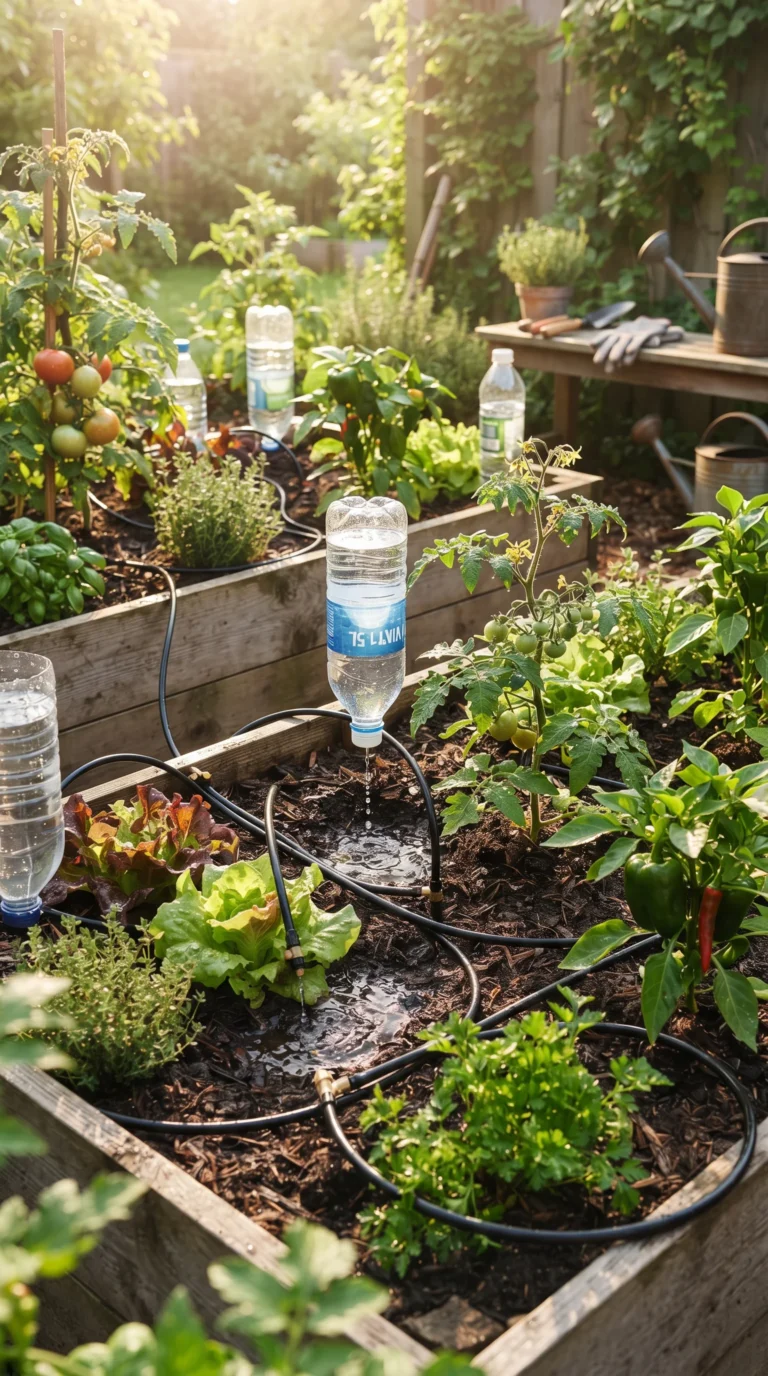
Fast-growing crops still need consistent moisture. Newly planted seeds are especially sensitive to drying out because their roots are not yet developed.
Water gently so you do not wash away seeds or disturb young seedlings.
Once plants become established, water deeply enough to moisten the root zone while avoiding constantly saturated soil.
Container vegetables may need more frequent watering because containers can lose moisture quickly.
Improve Soil Before Planting
Healthy soil gives vegetables a strong start. Before planting, remove large stones and break up compacted areas.
Adding compost can improve soil structure and contribute organic matter. However, avoid adding excessive fertilizer without knowing what your soil needs.
A balanced growing environment is more important than simply adding large amounts of nutrients.
Plant in Small Batches for Continuous Harvests
One of the best ways to enjoy fast-growing vegetables for longer is succession planting.
Instead of planting all your seeds at once, sow a smaller amount every one or two weeks when the crop and weather conditions allow.
This approach can provide multiple harvests instead of one large harvest followed by a long gap.
It works particularly well with radishes, lettuce, arugula, spinach, and other quick leafy crops.
Harvest Fast-Growing Vegetables at the Right Time
Harvesting at the correct stage can improve texture and flavor.
Leafy greens are often especially enjoyable when young and tender. Radishes may become tougher or more strongly flavored if left too long. Zucchini can also become oversized quickly.
Check your garden regularly and harvest vegetables when they reach the size and maturity you prefer.
Frequent harvesting can also encourage some plants to continue producing.
Common Mistakes When Growing Quick Vegetables
Even fast-growing crops can struggle when basic gardening needs are ignored.
Some common mistakes include:
- Planting in poor soil
- Overwatering
- Allowing soil to dry out completely
- Choosing varieties unsuitable for the season
- Planting seeds too deeply
- Crowding seedlings
- Ignoring pests
- Harvesting too late
- Providing too little sunlight
Avoiding these problems can help you get the most from your short growing season.
Create a Simple Fast-Growing Vegetable Garden
You do not need a large backyard to create a productive vegetable garden.
Start with a few easy crops such as radishes, lettuce, green onions, and arugula. Add other vegetables as you become more comfortable.
Group crops with similar sunlight and watering needs together. Use containers for vegetables that do not need much root space and reserve larger areas for crops such as zucchini.
A simple garden is often easier to manage and can still provide a surprisingly large harvest.
Final Thoughts on Fast-Growing Vegetables
Growing vegetables does not always require months of waiting. The 15 fast-growing vegetables for impatient gardeners listed in this guide can help you enjoy fresh produce sooner while making gardening more exciting.
Radishes, lettuce, spinach, arugula, green onions, bush beans, peas, and other quick crops are excellent choices for beginners and gardeners with limited space.
For the best results, choose varieties with short maturity times, provide healthy soil and enough sunlight, water consistently, and harvest at the right stage.
With a little planning and regular care, you can create a productive garden that starts rewarding you much sooner than you might expect.