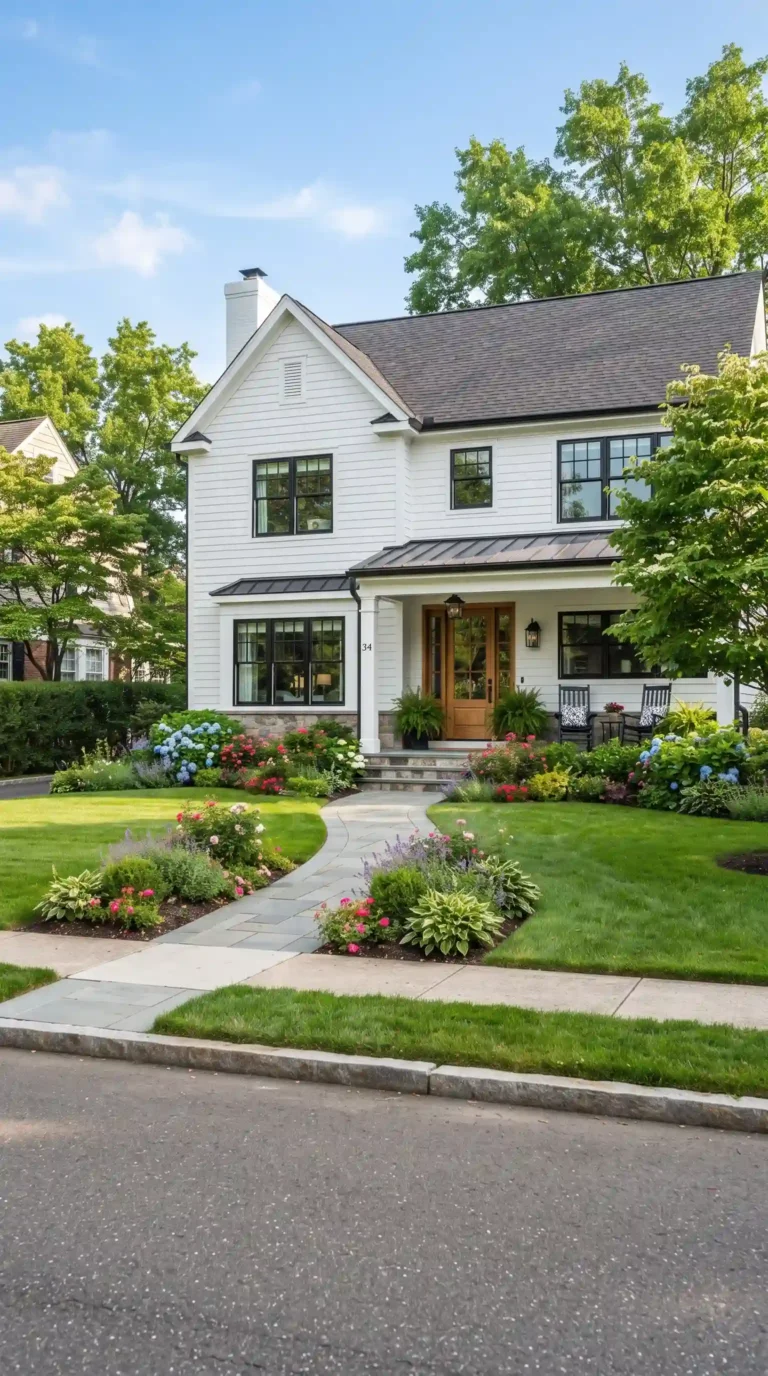
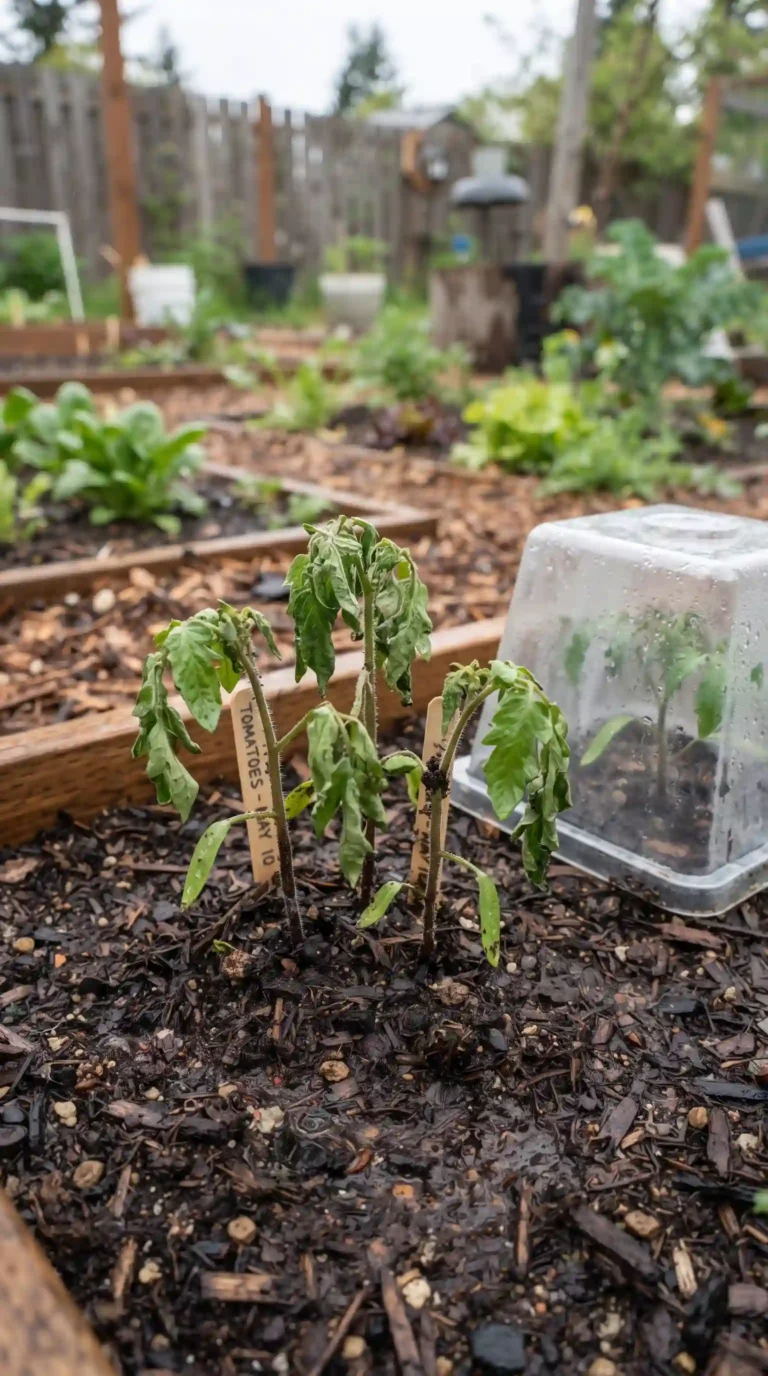
How to Grow Hydrangeas: The Complete Care Guide for Beginners
Hydrangeas are among the most popular flowering shrubs for home gardens, and it’s easy to understand why. Their large flower heads, attractive foliage, and long blooming season can transform an ordinary garden into a colorful outdoor space. If you’re wondering how to grow hydrangeas, the good news is that these plants can thrive with relatively simple care when they’re planted in the right location.
Whether you’re planting your first hydrangea or trying to improve the performance of an established plant, understanding its basic requirements is essential. Hydrangeas need suitable light, consistent moisture, fertile soil, and appropriate pruning. Choosing the right variety for your climate is equally important.
This complete hydrangea care guide for beginners covers everything you need to know, from planting and watering to fertilizing, pruning, troubleshooting, and encouraging more flowers.
Choosing the Right Hydrangea
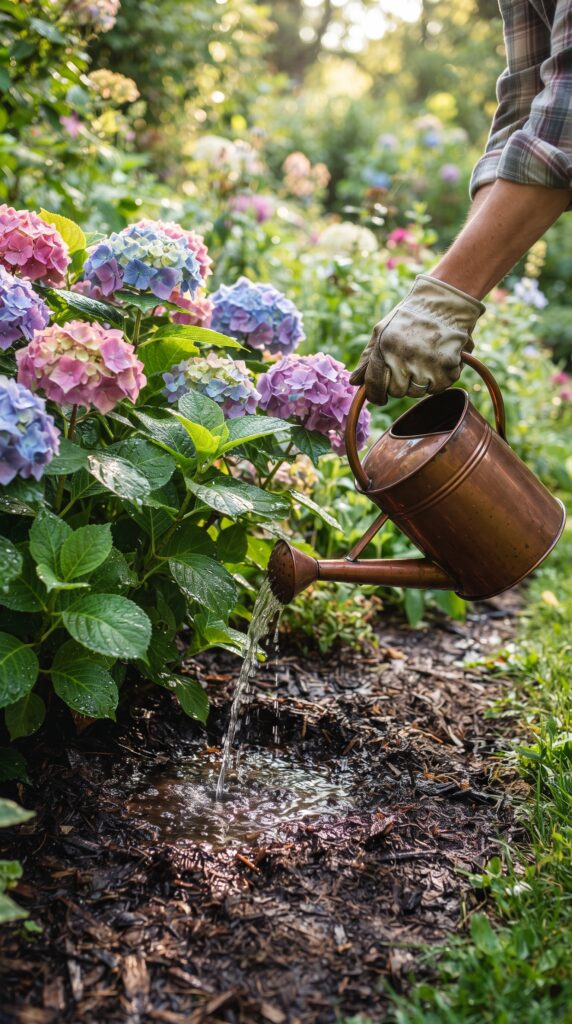
Before planting, choose a hydrangea variety that suits your garden conditions.
Common types include:
- Bigleaf hydrangea
- Panicle hydrangea
- Smooth hydrangea
- Oakleaf hydrangea
- Mountain hydrangea
- Climbing hydrangea
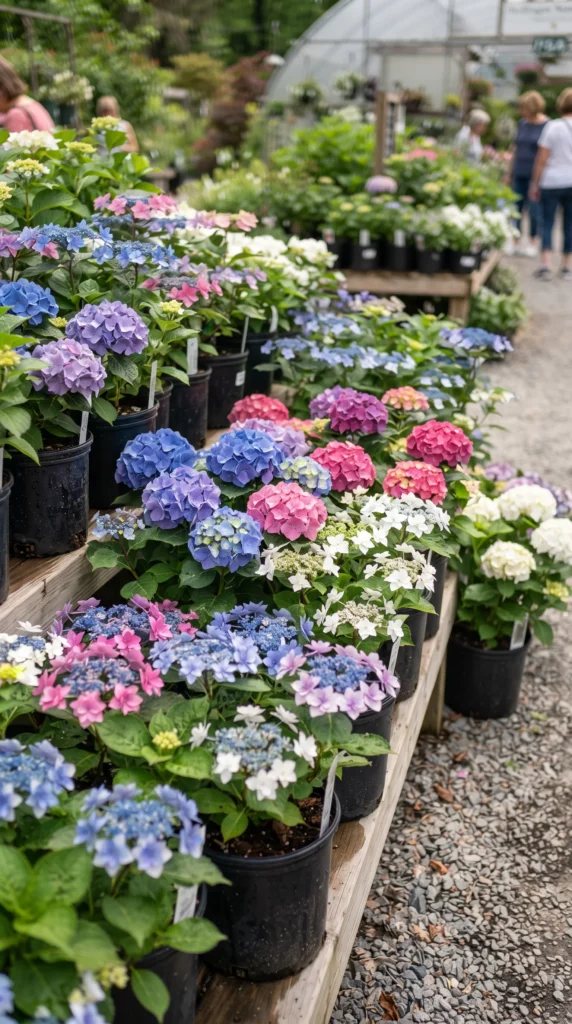
Bigleaf hydrangeas are well known for their large, colorful flower heads and can produce blue or pink flowers depending on the variety and growing conditions.
Panicle hydrangeas are generally more adaptable and are popular because they can tolerate more sunlight than some other types.
Smooth hydrangeas are also excellent choices for beginners and can produce large, rounded flower clusters.
When selecting a plant, check its mature size, sunlight requirements, cold tolerance, and flowering characteristics. A variety that is suitable for your local climate will usually be much easier to maintain.
Where to Plant Hydrangeas
Choosing the right location is one of the most important parts of successful hydrangea care.
Most hydrangeas prefer bright light but don’t necessarily perform well in intense afternoon heat. In many gardens, a location with morning sun and afternoon shade is ideal.
Too much direct sunlight can cause leaves to wilt and flower heads to dry out quickly, particularly in hot climates.
Too much shade can also be problematic. Plants may grow but produce fewer flowers and weaker stems.
Look for a location with good air circulation and protection from harsh afternoon conditions.
If you’re growing hydrangeas in a hot climate, providing afternoon shade can be especially important.
How to Plant Hydrangeas
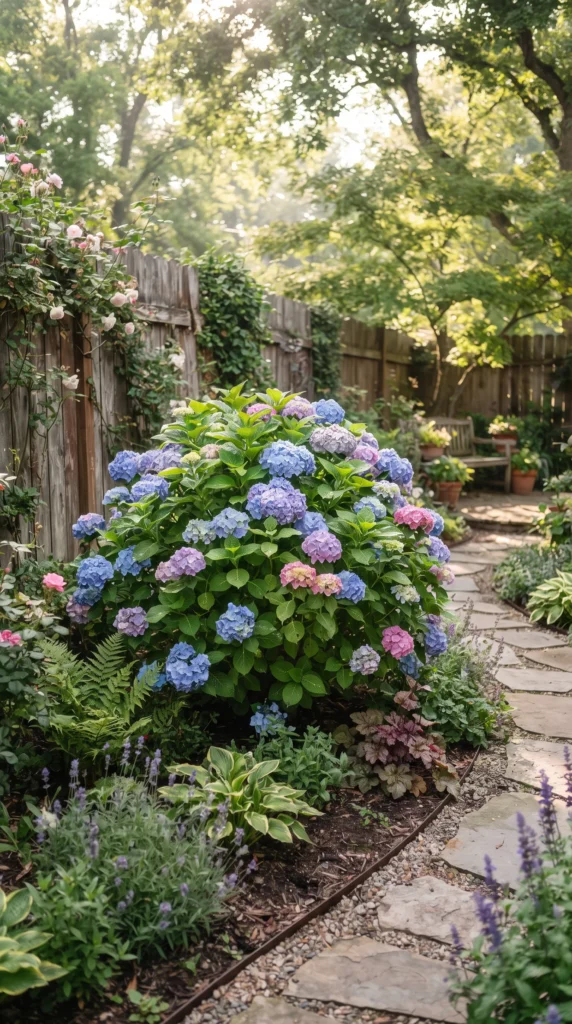
The best time to plant hydrangeas depends on your climate, but planting during mild weather generally gives the shrub a better opportunity to establish its roots.
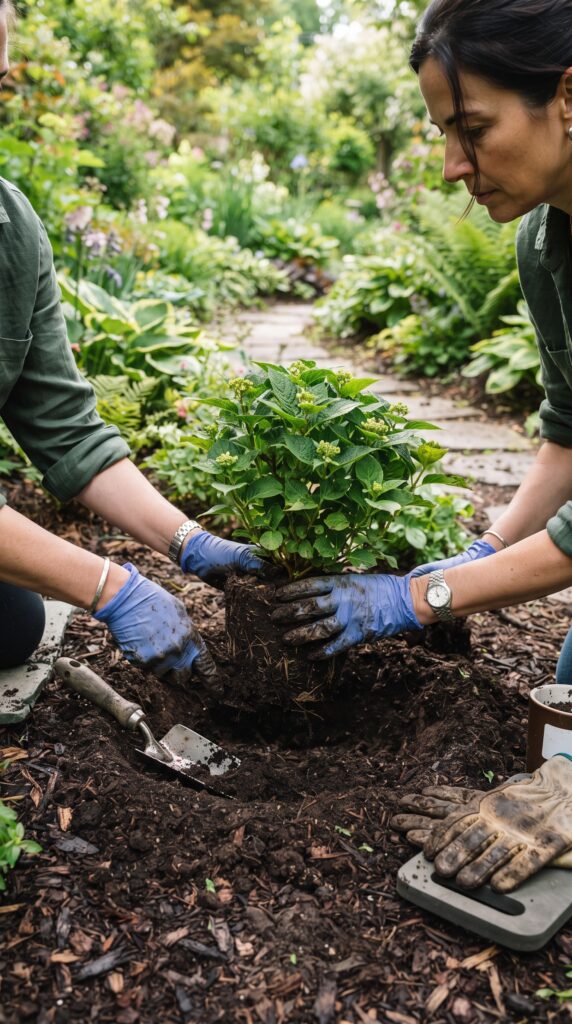
Start by digging a hole that is approximately as deep as the root ball and significantly wider.
Gently remove the plant from its container and loosen any tightly circling roots. Place the hydrangea in the hole so that the top of the root ball is level with or slightly above the surrounding soil.
Backfill with the original soil mixed with suitable organic matter if needed.
Water thoroughly after planting to remove large air pockets around the roots.
Add a layer of organic mulch around the plant to help maintain consistent soil moisture. Keep mulch away from direct contact with the main stems.
The Best Soil for Hydrangeas
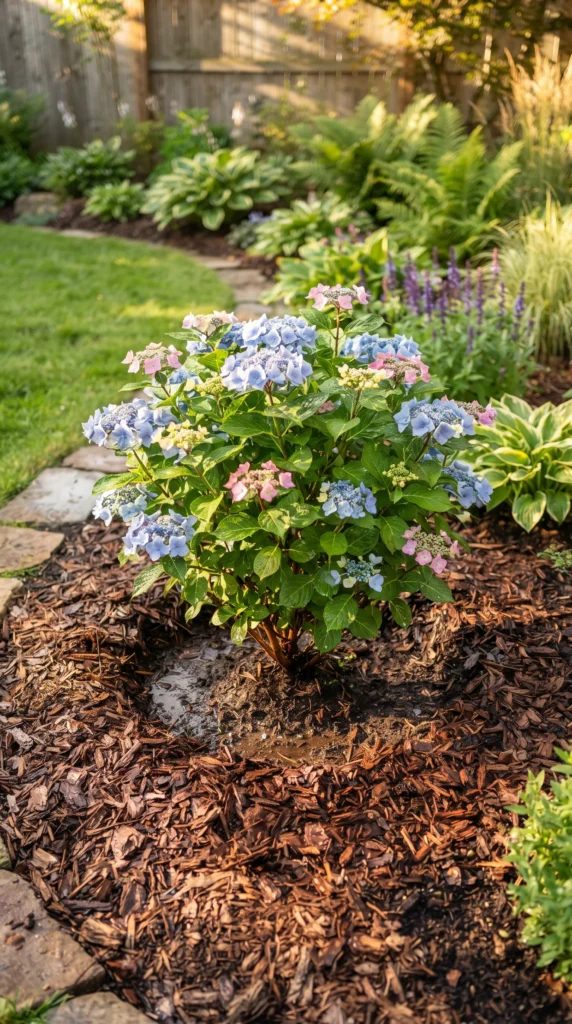
Hydrangeas generally prefer fertile, moisture-retentive soil that drains well.
The ideal soil should hold enough moisture to keep roots hydrated without becoming permanently saturated.
Heavy clay soil may drain poorly, while extremely sandy soil can lose moisture too quickly.
Adding organic matter such as compost can improve soil structure and moisture retention.
Before making major changes to your soil, consider having it tested. This can help you understand its pH and nutrient levels.
How Often to Water Hydrangeas
Watering is one of the most important aspects of hydrangea care for beginners.
Hydrangeas prefer consistently moist soil, particularly during active growth and flowering.
Newly planted hydrangeas require more frequent monitoring because their root systems are still developing.
Established plants may need less frequent watering, depending on rainfall, soil type, temperature, and sunlight.
Instead of following a rigid watering schedule, check the soil regularly. If the upper layer feels dry and the plant is showing signs of stress, it may need water.
Water deeply around the root zone rather than frequently applying a small amount to the surface.
During hot weather, plants in containers may require considerably more frequent watering than plants growing in the ground.
Should You Fertilize Hydrangeas?
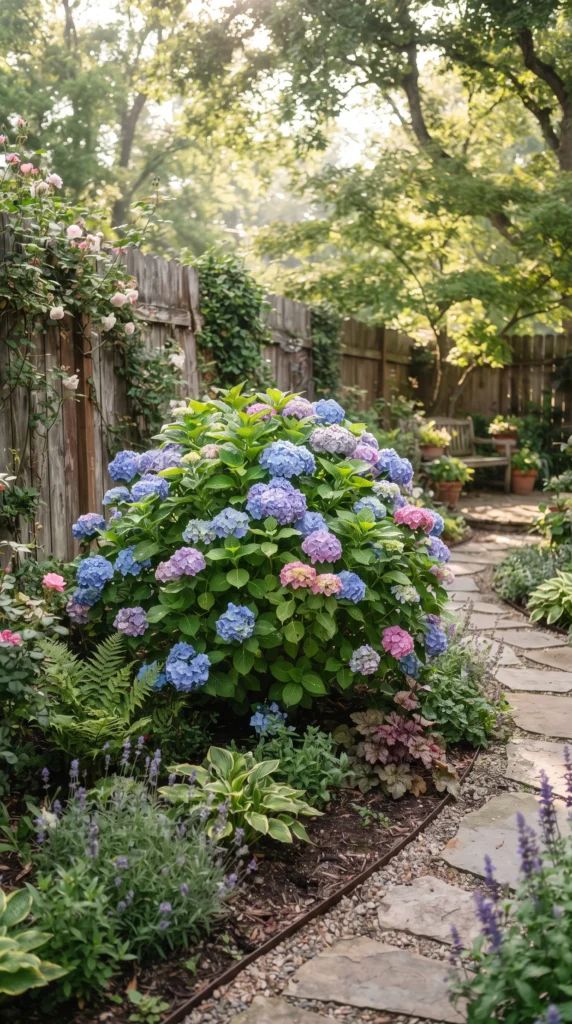
Hydrangeas can benefit from appropriate fertilization, but more fertilizer isn’t necessarily better.
Excessive nitrogen can encourage leafy growth while reducing flowering in some situations.
Use a fertilizer appropriate for flowering shrubs and follow the product’s instructions carefully.
The timing and amount of fertilizer depend on the hydrangea variety, soil fertility, and growing conditions.
Adding compost to the soil can also provide organic matter and nutrients while improving soil structure.
If a plant looks healthy and is growing well, avoid applying fertilizer simply because you think it needs more.
Understanding Hydrangea Flower Color
One of the most fascinating features of some hydrangeas is their ability to produce different flower colors.
Certain bigleaf hydrangeas can produce blue or pink flowers depending partly on soil chemistry.
In general, more acidic soil can encourage blue or purple shades in susceptible varieties, while less acidic conditions can favor pink shades.
However, flower color is influenced by the specific cultivar and the availability of certain elements in the soil, so changing soil pH isn’t guaranteed to produce a particular color.
If you’re growing hydrangeas specifically for their flower color, research the cultivar before attempting to change soil conditions.
How to Prune Hydrangeas
Pruning is an area where many beginners make mistakes.
The correct pruning method depends heavily on the type of hydrangea you’re growing.
Some hydrangeas produce flowers on old wood, meaning the flower buds develop on stems from the previous growing season. Others primarily flower on new growth.
Pruning an old-wood flowering variety at the wrong time can remove next season’s flower buds.
For this reason, identify your hydrangea variety before making significant cuts.
Remove dead, damaged, or diseased stems when appropriate, but avoid aggressive pruning unless you know which type you have and when it should be pruned.
If you’re uncertain, keep the plant label or identify the cultivar before pruning.
How to Encourage More Hydrangea Flowers
If your hydrangea isn’t flowering well, several factors may be responsible.
First, check the amount of sunlight. Excessive shade can reduce flowering.
Next, consider whether the plant was pruned at the wrong time. Removing developing flower buds is a common reason for poor flowering in some varieties.
Water stress, excessive fertilizer, cold damage, and immature plants can also affect flower production.
Provide consistent moisture, appropriate light, and good soil conditions.
Avoid excessive pruning and give the plant time to establish after transplanting.
Growing Hydrangeas in Containers
Hydrangeas can also be grown in containers, making them useful for patios, balconies, and smaller gardens.
Choose a large container with drainage holes. The container should provide enough room for the root system to develop.
Use a quality potting mix that drains well while retaining some moisture.
Container-grown hydrangeas usually require closer attention to watering because pots can dry out faster than garden soil.
Place the container where the plant receives appropriate light without excessive heat.
As the plant grows, you may eventually need to repot it into a larger container or move it into the ground.
Common Hydrangea Problems
Even well-cared-for hydrangeas can experience problems.
Wilting Leaves
Wilting can be caused by insufficient water, excessive heat, root problems, or transplant stress.
Check the soil before watering. If it is dry, water thoroughly. If the soil is already saturated, additional water could make the problem worse.
Yellow Leaves
Yellowing leaves may result from several issues, including nutrient deficiencies, poor drainage, overwatering, or natural aging.
Look at the entire plant rather than diagnosing the problem based on leaf color alone.
Brown Leaf Edges
Brown edges can occur when plants experience drought, heat stress, low humidity, or excessive exposure to harsh sunlight.
Consistent moisture and suitable afternoon protection can help in hot conditions.
Few or No Flowers
Poor flowering can result from inadequate light, incorrect pruning, immature plants, environmental stress, or unsuitable growing conditions.
Identify the hydrangea type before changing your pruning routine.
Protecting Hydrangeas in Winter
Winter care depends on your hydrangea variety and local climate.
In colder areas, some varieties may require protection from freezing temperatures, particularly if they flower on old wood.
A thick layer of mulch around the root zone can help insulate roots from temperature fluctuations.
Avoid piling mulch directly against the stems.
Container-grown hydrangeas may be more vulnerable to freezing temperatures because their roots are exposed above ground. Consider moving containers to a protected location when severe cold is expected.
How Long Do Hydrangeas Take to Grow?
Hydrangeas can establish relatively quickly under favorable conditions, but reaching mature size can take several years.
Growth depends on the variety, climate, soil, watering, sunlight, and starting size of the plant.
Don’t expect a newly planted shrub to reach its full potential immediately.
Consistent care is usually more important than trying to force rapid growth.
Final Thoughts
Learning how to grow hydrangeas doesn’t have to be complicated. Start by choosing a variety suited to your climate and garden, then provide the plant with appropriate sunlight, fertile well-drained soil, and consistent moisture.
The most important lesson for beginners is to understand that different hydrangeas have different pruning and flowering habits. Identifying your variety before pruning can prevent one of the most common mistakes gardeners make.
With the right location and basic care, hydrangeas can reward you with lush foliage and impressive flower displays year after year. Whether you’re growing them in a backyard border, container, or small garden, these beautiful shrubs can become one of the highlights of your landscape.