12 Mistakes to Avoid When Growing Tomatoes
Growing tomatoes can be one of the most rewarding parts of having a home garden. Fresh tomatoes taste better, and growing your own plants can save money while giving you a chance to enjoy a productive garden. However, tomato plants can also face several problems when they are planted or cared for incorrectly.
If your tomato plants have yellow leaves, weak growth, few flowers, or small fruits, the problem may come from simple gardening mistakes. The good news is that most of these problems are easy to prevent when you know what to look for.
In this guide, we will cover 12 mistakes to avoid when growing tomatoes. From choosing the wrong location to watering incorrectly, these common errors can affect plant health and your final harvest. Whether you are a beginner or an experienced gardener, these tips can help you grow stronger tomato plants and enjoy a better crop.
1. Choosing the Wrong Location for Tomato Plants
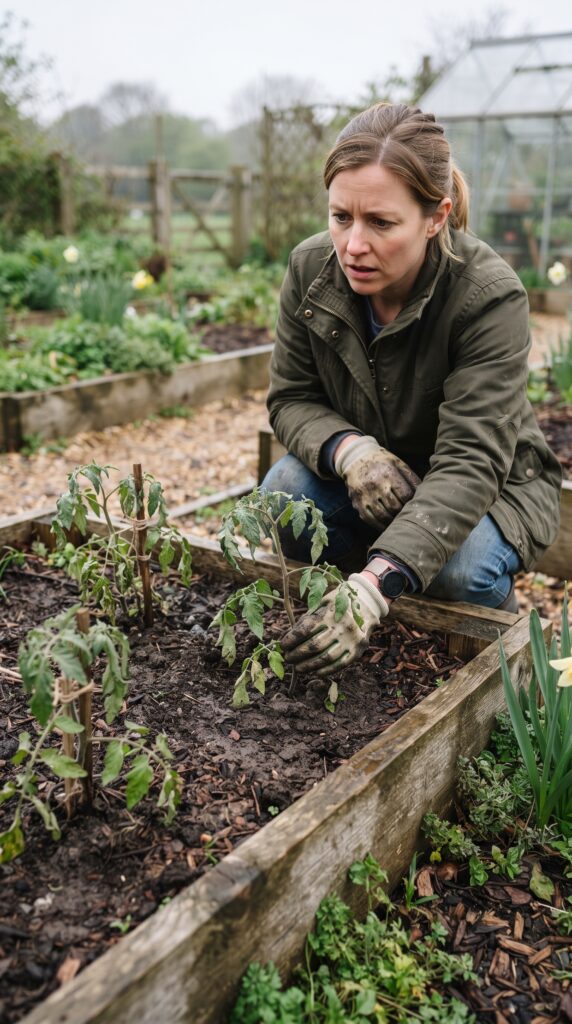
One of the biggest mistakes gardeners make is planting tomatoes in a location that does not receive enough sunlight. Tomatoes need plenty of direct sunlight to grow properly and produce healthy fruit.
Choose a location that receives around six to eight hours of sunlight each day. Avoid areas that are shaded by large trees, buildings, fences, or other plants for most of the day.
Good sunlight helps tomato plants produce energy through photosynthesis. Without enough light, plants may become tall, thin, and weak, while fruit production can decrease.
Before planting, watch your garden for a full day and identify the areas that receive the most sunlight.
2. Planting Tomatoes in Poor Soil
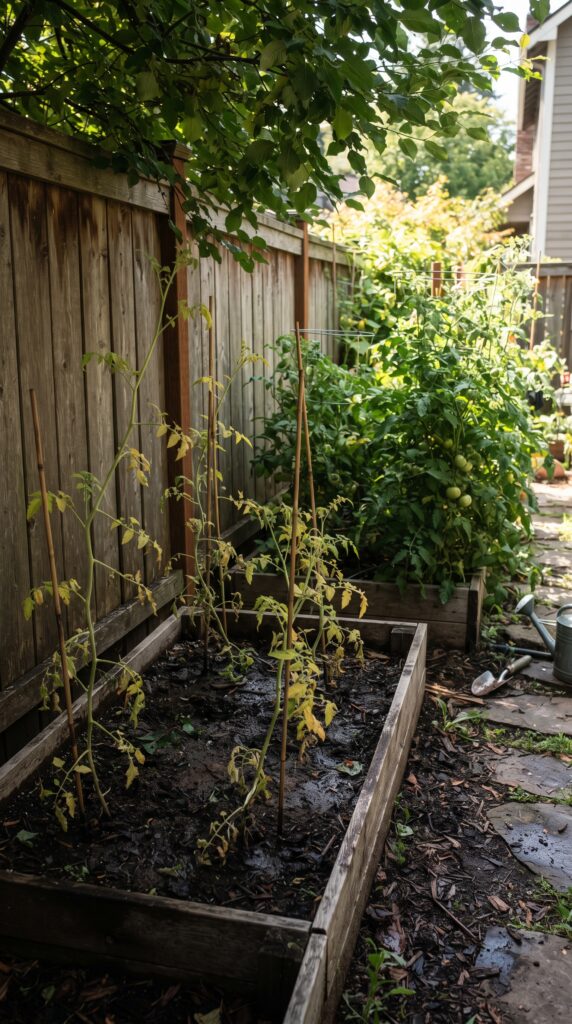
Tomatoes grow best in fertile, well-draining soil. Planting them in hard, compacted, or nutrient-poor soil can slow their growth and reduce fruit production.
Poor soil may also hold too much water around the roots, increasing the risk of root problems.
Before planting, improve garden soil with well-rotted organic matter or compost. This can help improve soil structure while providing nutrients for healthy growth.
The goal is not simply to make the soil rich. It should also remain loose enough for tomato roots to spread and receive air and water.
3. Planting Tomatoes Too Early
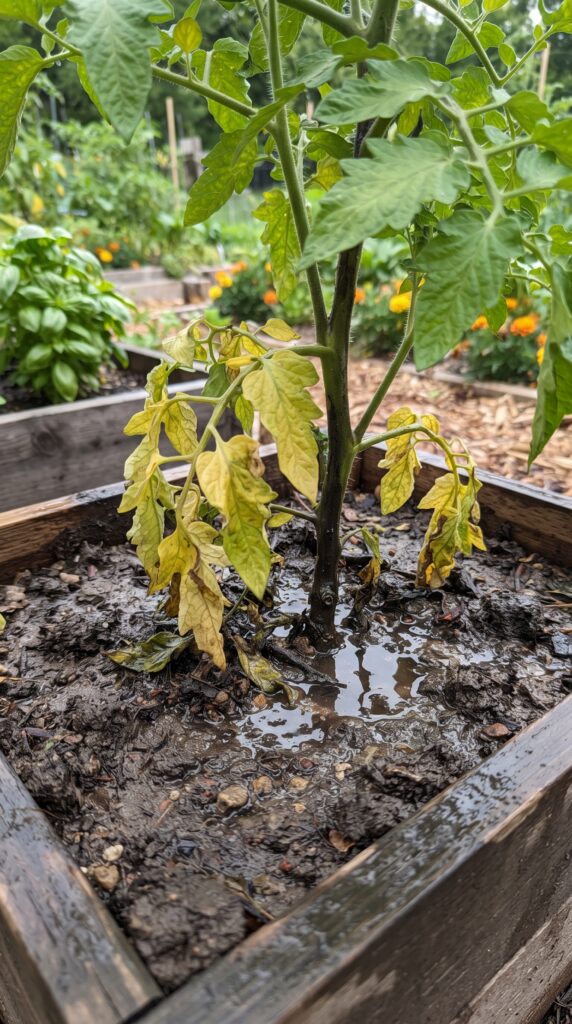
Another common tomato-growing mistake is putting young plants outside before the weather is suitable.
Tomatoes are warm-season plants. Cold soil and low nighttime temperatures can stress young plants and slow their development.
If temperatures are still regularly cold, give seedlings more time to grow in a protected environment. When transplanting outdoors, wait until the danger of damaging frost has passed and the soil has warmed.
Hardening off seedlings before planting can also help them adjust to outdoor conditions.
4. Giving Tomato Plants Too Little Space
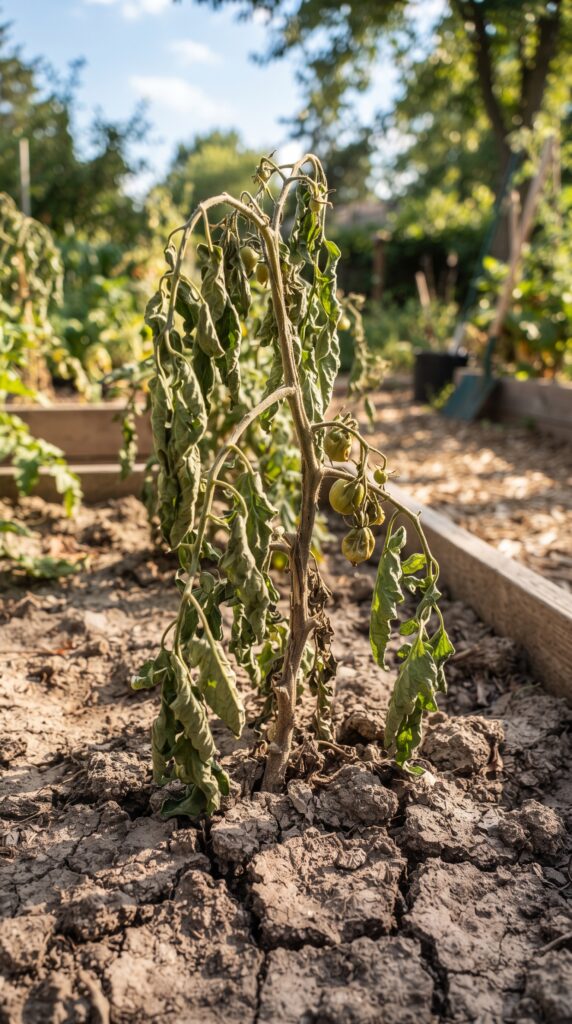
Tomato plants need room to grow. Planting them too close together can create several problems.
Crowded plants have less airflow between their leaves. Poor air circulation can make it easier for moisture to remain on foliage, which may increase the risk of fungal diseases.
Plants that are too close together may also compete for sunlight, water, and nutrients.
Check the spacing recommendations for the specific tomato variety you are growing. Indeterminate varieties often need more room because they continue growing throughout the season.
Proper spacing makes it easier to water, inspect, support, prune, and harvest your plants.
5. Watering Tomatoes Incorrectly
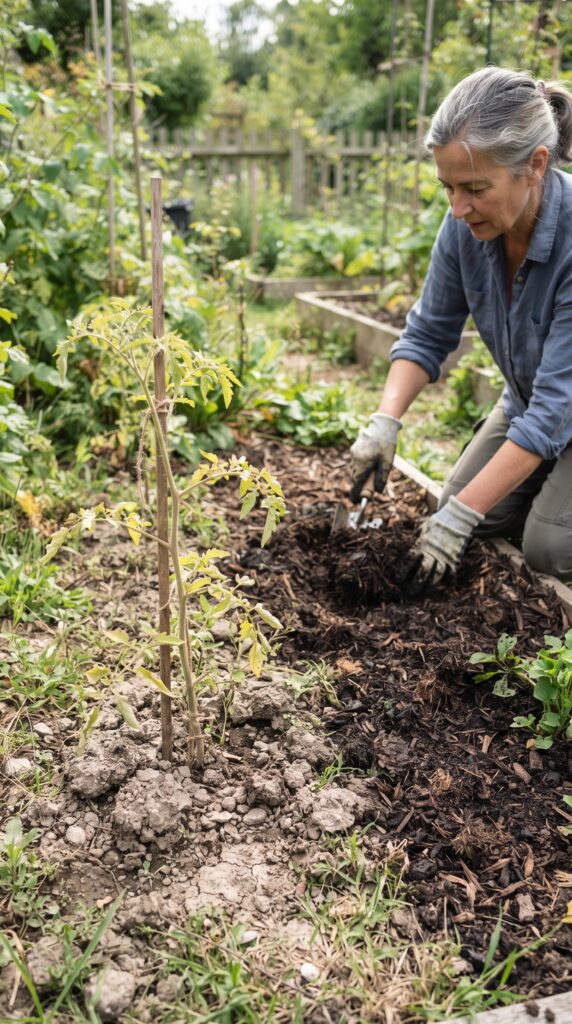
Watering problems are among the most common mistakes to avoid when growing tomatoes.
Some gardeners water too little, while others water too frequently. Both situations can create problems.
Tomato plants prefer consistent moisture rather than repeated cycles of extreme dryness and heavy watering. Allowing the soil to become very dry and then soaking it heavily can contribute to fruit problems.
Water the soil around the base of the plant instead of repeatedly spraying the leaves. Watering early in the day gives excess moisture on the plant surface more time to dry.
The exact watering frequency depends on temperature, rainfall, soil type, container size, and plant growth.
6. Watering Only the Surface
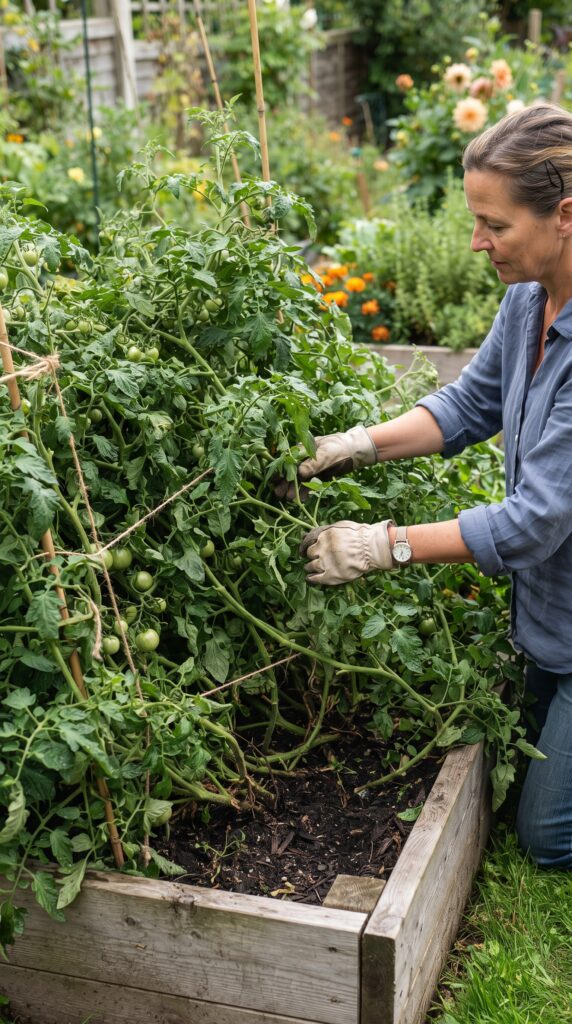
Giving tomato plants a small amount of water every day may not always be the best approach. Shallow watering can encourage roots to remain close to the soil surface.
Deep watering encourages roots to grow farther into the soil, where moisture may remain available for longer.
Instead of focusing only on how often you water, check the soil moisture. If the upper soil is dry, water thoroughly around the root zone.
Container-grown tomatoes may require more frequent attention because pots can dry out faster than garden beds.
7. Using Too Much Fertilizer
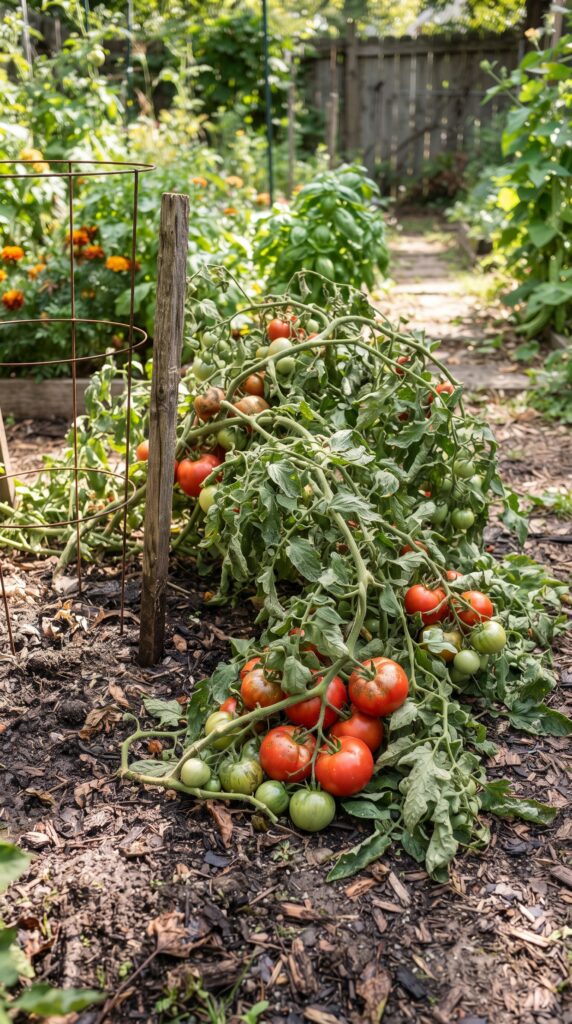
Fertilizer can help tomato plants grow, but more fertilizer does not automatically mean more tomatoes.
Using excessive amounts of nitrogen can encourage lots of leafy growth while reducing flowering and fruit production. This can leave you with a large green plant but fewer tomatoes.
Use fertilizer according to the product instructions and the needs of your soil. Compost and other organic matter can also contribute to healthy soil.
If possible, a soil test can help you understand which nutrients are actually needed instead of applying fertilizer based on guesswork.
8. Ignoring Tomato Plant Support
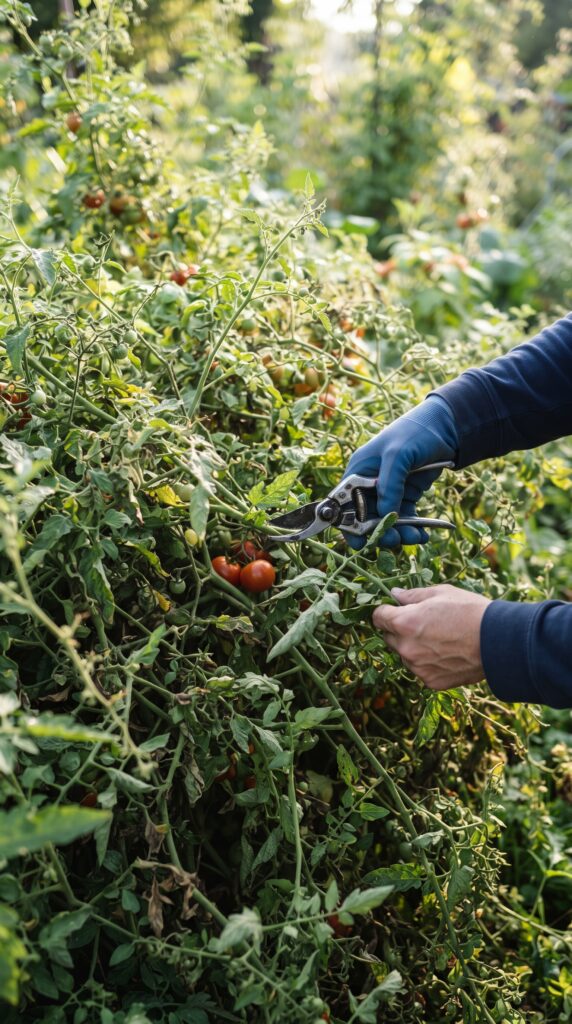
Many tomato varieties become heavy as they grow and produce fruit. Without proper support, branches may bend or fall onto the ground.
This is particularly important for indeterminate tomato varieties, which can continue growing for a long period.
Use tomato cages, stakes, trellises, or another suitable support system. Ideally, install the support when planting or while the plant is still small.
Adding support early helps prevent root disturbance later and keeps fruit and foliage farther away from the soil.
9. Failing to Prune When Necessary
Not every tomato plant needs heavy pruning, but completely ignoring plant structure can sometimes lead to an overcrowded plant.
Some gardeners remove unnecessary side shoots or lower leaves to improve airflow and make the plant easier to manage. However, excessive pruning can also remove too much healthy foliage.
The best approach depends on the tomato variety and growing system.
Before pruning, learn whether your variety is determinate or indeterminate. Determinate plants have a more limited growth pattern, while indeterminate varieties continue producing new growth.
Avoid removing large amounts of healthy leaves simply because the plant looks crowded.
10. Planting Tomatoes in the Same Place Every Year
Growing tomatoes in the same garden location year after year can increase the chance of certain soil-related pests and diseases becoming established.
Crop rotation can help reduce this problem. If possible, move tomatoes and other related crops to different parts of the garden each season.
Tomatoes belong to the nightshade family, along with plants such as peppers, eggplants, and potatoes. Rotating related crops can be especially useful in gardens where disease problems have occurred.
If you have limited garden space, focus on removing diseased plant material and maintaining healthy soil while planning the best rotation possible.
11. Ignoring Pests and Diseases
Waiting until tomato plants are severely damaged before checking them is another mistake.
Inspect your plants regularly. Look at the leaves, stems, flowers, and developing fruit for unusual spots, holes, discoloration, insects, or wilting.
Early detection gives you more time to identify the cause and take appropriate action.
Common tomato problems can include aphids, caterpillars, fungal diseases, leaf spots, and other pests or environmental stresses.
Do not automatically assume every yellow leaf means the same thing. Yellowing can have several causes, including watering problems, nutrient issues, aging leaves, pests, or disease.
Regular observation is one of the easiest ways to protect your tomato garden.
12. Harvesting Tomatoes at the Wrong Time
Harvesting is the final step, but timing still matters.
Leaving ripe tomatoes on the plant for too long can make them more attractive to pests, birds, or cracking. On the other hand, picking fruit too early may mean missing some of its natural flavor development.
Many tomatoes can be harvested when they begin changing color and then allowed to finish ripening indoors. This can be useful when pest pressure is high or weather conditions are becoming difficult.
Handle tomatoes carefully during harvesting because bruised fruit can spoil more quickly.
How to Avoid Common Tomato Growing Problems
Avoiding mistakes becomes easier when you create a simple care routine. Check your plants regularly, monitor soil moisture, and pay attention to changes in growth.
A good routine can include:
- Checking soil moisture before watering
- Inspecting leaves for pests
- Looking for signs of disease
- Supporting growing stems
- Removing damaged plant material
- Checking whether plants receive enough sunlight
- Feeding plants according to their actual needs
- Harvesting ripe fruit regularly
Small actions performed consistently can make a major difference throughout the growing season.
Best Soil Conditions for Growing Tomatoes
Healthy roots are the foundation of productive tomato plants. The soil should hold enough moisture for the plant while allowing excess water to drain away.
Adding compost can improve many garden soils by increasing organic matter and improving soil structure.
Avoid planting tomatoes in areas where water regularly collects after rain. Constantly wet soil can create stressful conditions for roots.
For containers, choose a quality potting mix rather than heavy garden soil. Make sure containers have drainage holes at the bottom.
How Much Sun Do Tomatoes Need?
Sunlight is essential for strong tomato growth and fruit development.
Aim for a location that receives approximately six to eight hours of direct sunlight. In very hot climates, some afternoon protection may help prevent excessive heat stress, depending on local conditions.
Watch your plants throughout the season. As nearby trees and plants grow, they may create more shade than expected.
If a tomato plant receives too little light, it may become stretched and produce less fruit.
How to Improve Tomato Plant Growth
Good tomato care is about balance. Plants need sunlight, water, nutrients, air circulation, and physical support.
Do not focus on one factor while ignoring the others. For example, adding fertilizer cannot compensate for poor sunlight, and frequent watering cannot fix compacted soil.
Give plants suitable growing conditions from the beginning, then monitor them as they develop.
Container Tomato Growing Mistakes to Avoid
Tomatoes can grow successfully in containers, but pots require slightly different care.
One mistake is choosing a container that is too small. A small pot can dry out quickly and may not provide enough room for the roots.
Another mistake is using a container without proper drainage.
Container tomatoes may also need more frequent watering during hot weather. However, avoid keeping the soil permanently saturated.
Choose tomato varieties that are suitable for container growing when possible, and provide adequate support as the plant becomes larger.
Simple Tips for a Better Tomato Harvest
If you want healthier plants and a better harvest, focus on the basics.
Start with a suitable variety for your growing conditions. Plant it in a sunny location with good soil and enough space. Water consistently, provide support, and monitor the plant throughout the season.
Avoid making major changes based on one symptom. For example, yellow leaves do not always mean the plant needs fertilizer.
Look at the entire growing environment before deciding what action to take.
Final Thoughts
Knowing the 12 mistakes to avoid when growing tomatoes can help you prevent many common gardening problems. The most important areas to focus on are sunlight, soil, watering, spacing, fertilizer, support, pruning, pest monitoring, crop rotation, and harvesting.
You do not need a complicated system to grow good tomatoes. Start with healthy plants, provide suitable conditions, and check them regularly throughout the season.
With consistent care and a little patience, your tomato plants can become stronger, healthier, and more productive. Avoiding common mistakes from the beginning can make tomato gardening easier and help you enjoy a larger harvest of fresh, homegrown tomatoes.