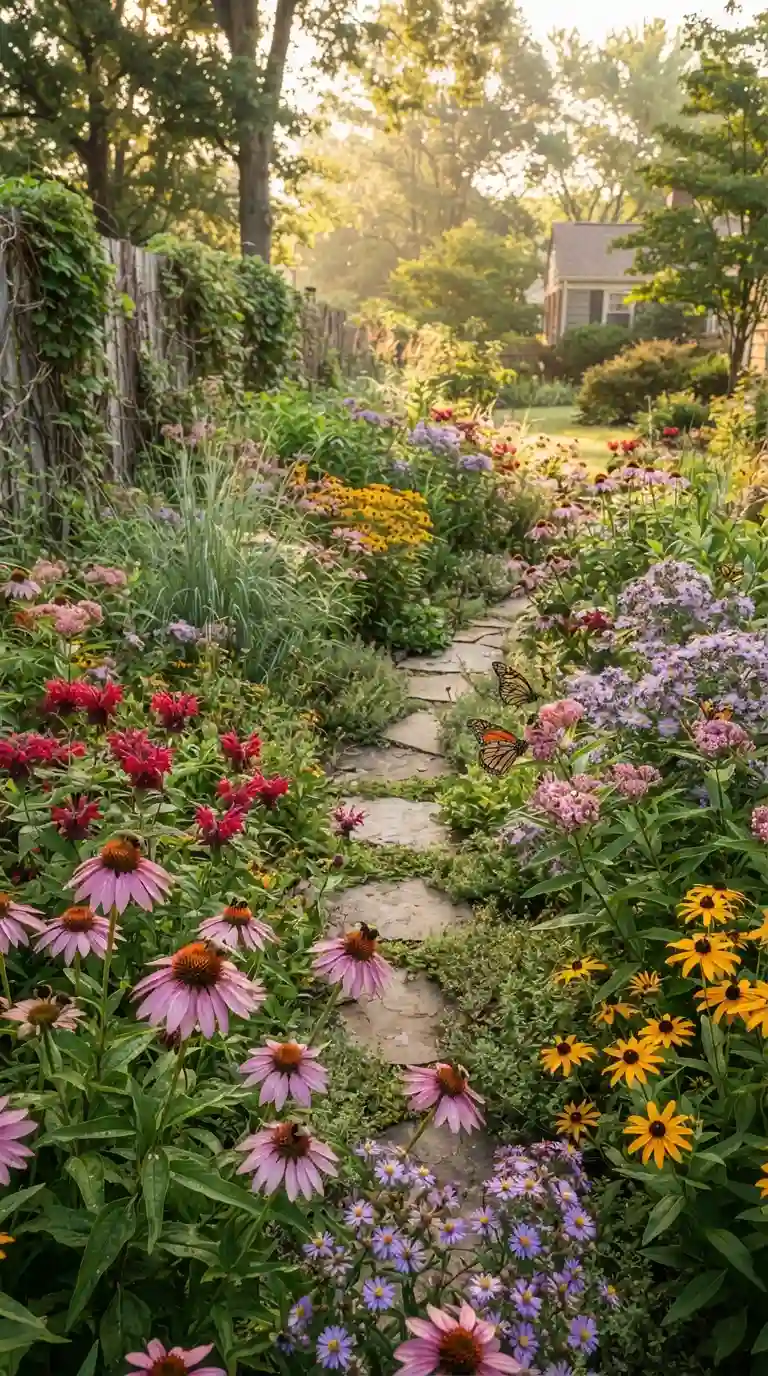
Top 15 Flowering Plants for Year-Round Color
A garden filled with colorful flowers can make any outdoor space feel more welcoming, fresh, and lively. However, keeping flowers blooming throughout the year requires more than simply planting a few beautiful varieties. The secret is choosing plants that flower in different seasons and combining annuals, perennials, shrubs, and container plants.
The top 15 flowering plants for year-round color can help you create a garden where something interesting is always growing or blooming. Some plants perform best in spring, while others bring bright flowers during summer, fall, or even winter. With the right combination, you can reduce empty periods and enjoy changing colors throughout the year.
Whether you have a large backyard, a small garden, patio, balcony, or containers, there are flowering plants that can fit your space. The key is understanding each plant’s sunlight, watering, soil, and seasonal requirements.
Why Choose Flowering Plants for Year-Round Color?
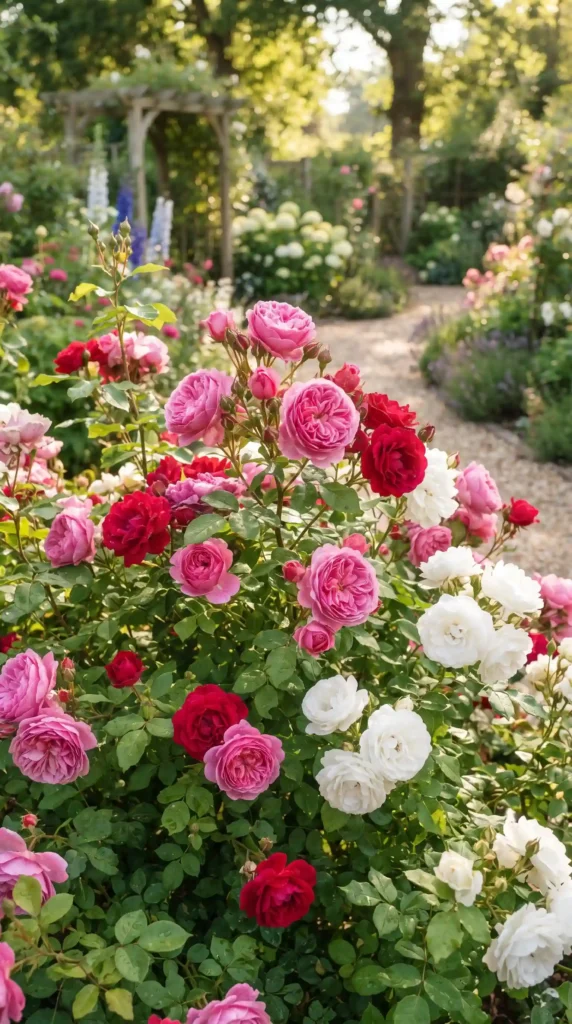
Flowering plants do more than add color. They can create visual interest, attract pollinators, and make outdoor areas more enjoyable.
A garden with flowers blooming in different seasons can provide:
- Continuous visual interest
- More variety in garden design
- Food sources for pollinators
- Color changes throughout the year
- Attractive borders and containers
- Better use of small garden spaces
- Seasonal interest without redesigning the entire garden
Instead of choosing plants based only on their appearance, think about when each plant flowers. A combination of different bloom periods can create a more consistent display.
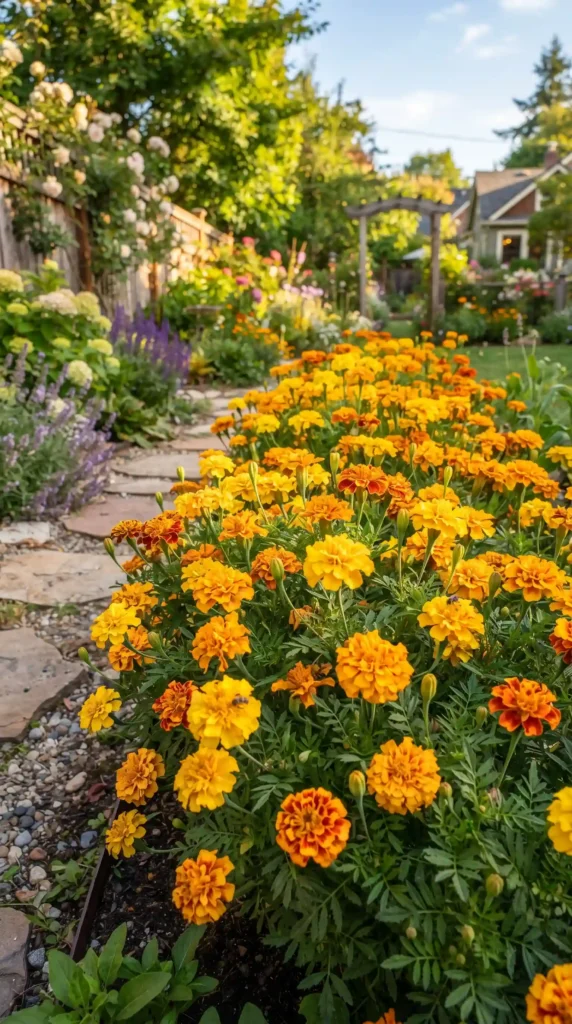
1. Marigold
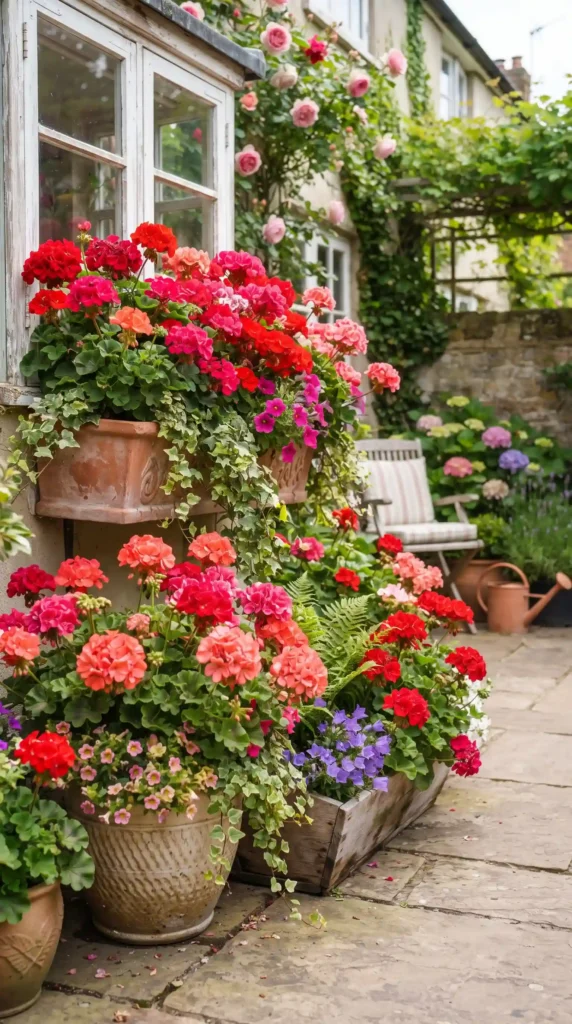
Marigolds are popular flowering plants because they are colorful, relatively easy to grow, and suitable for many gardens.
Their yellow, orange, and golden flowers can brighten borders, containers, vegetable gardens, and pathways. They generally prefer plenty of sunlight and well-drained soil.
Regularly removing faded flowers can encourage continued blooming during the growing season.
Marigolds are especially useful when you want quick seasonal color without waiting several years for plants to mature.
2. Petunia
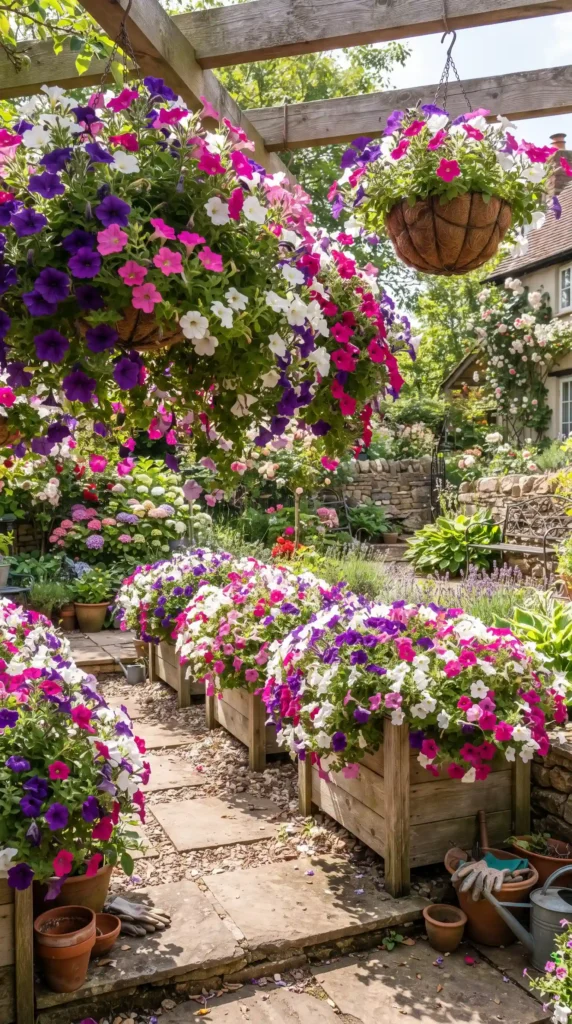
Petunias are excellent choices for containers, hanging baskets, balconies, and garden borders. They produce flowers in many colors and can create a strong display when given suitable growing conditions.
Petunias generally perform best with plenty of sunlight and regular watering. Container-grown plants may need more frequent watering during hot weather.
Removing faded flowers and maintaining healthy growth can help keep the plant looking attractive throughout its flowering period.
3. Geranium
Geraniums are popular for adding long-lasting color to containers, window boxes, patios, and garden beds.
Depending on the type and climate, they can provide flowers over an extended period. Their colorful blooms make them especially useful for areas where you want a strong focal point.
Good drainage is important because constantly wet soil can create root problems.
4. Zinnia
Zinnias are excellent summer flowering plants. They grow quickly from seed and can produce bright, cheerful flowers in a wide range of colors.
They generally prefer warm conditions and full sunlight. Once established, they can provide plenty of color during the warmer months.
Zinnias are also useful as cut flowers, allowing you to bring garden color indoors.
5. Marigold Daisy
Daisy-type flowers can add a simple and natural appearance to garden beds. Many varieties are useful for creating informal borders or filling spaces between larger plants.
Their classic flower shape works well with other colorful plants, making them useful in mixed planting designs.
Choose varieties suited to your local climate and provide appropriate sunlight and drainage for the best results.
6. Impatiens
Impatiens are particularly useful when you want colorful flowers in partially shaded areas.
They can work well under trees, along shaded paths, or on patios that receive limited direct sunlight. Their flowers are available in several colors, providing flexibility when designing a shade garden.
Because they prefer consistent moisture, monitor soil conditions carefully during hot or dry periods.
7. Begonia
Begonias offer attractive flowers and foliage, making them useful even when flowers are not at their peak.
They can be grown in containers, hanging baskets, borders, and sheltered garden areas. Different begonia varieties have different light requirements, so choosing the right type for your location is important.
Avoid allowing the soil to remain excessively wet, particularly in containers with poor drainage.
8. Hibiscus
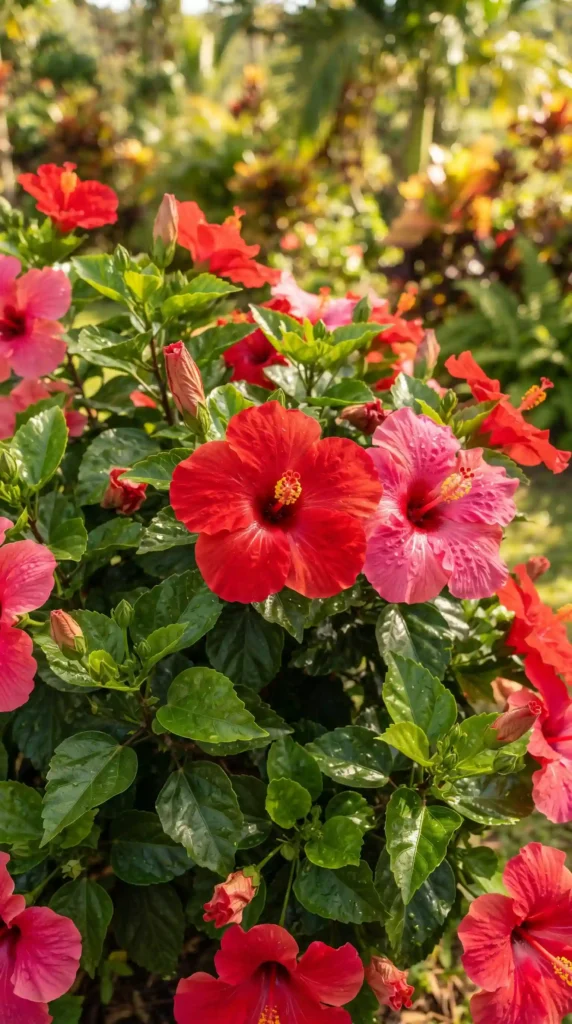
Hibiscus can create a dramatic tropical look with large, colorful flowers. In warm climates, some varieties can flower for long periods and become a major feature of the garden.
Hibiscus generally prefers sunlight, adequate moisture, fertile soil, and protection from unsuitable cold conditions.
Because plants can become larger than typical bedding flowers, give them enough space to grow naturally.
9. Bougainvillea
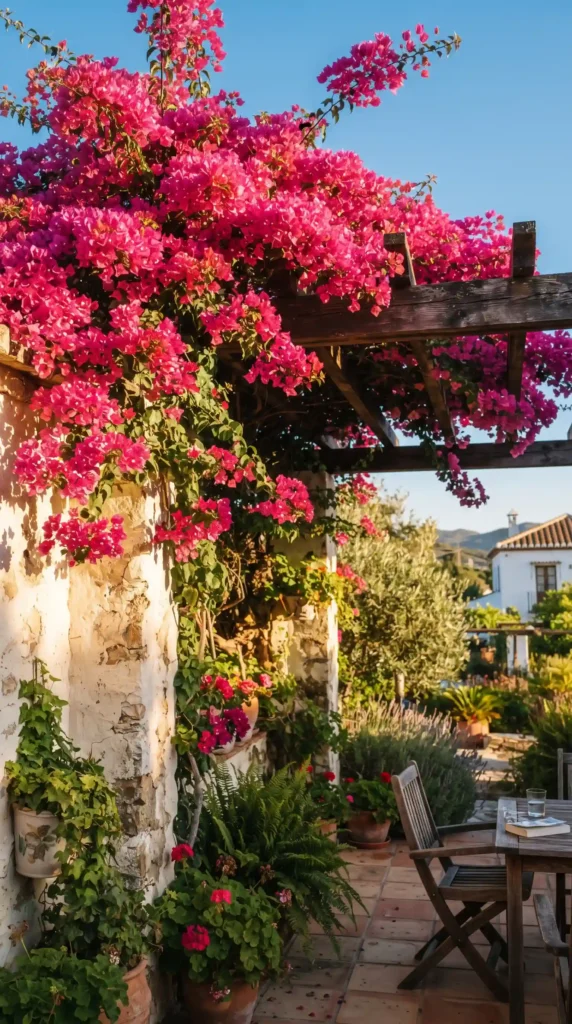
Bougainvillea is a popular choice for warm climates where gardeners want strong color and climbing growth.
Its colorful bracts can create a striking display along walls, fences, arches, and containers. The plant generally prefers plenty of sunlight and well-drained soil.
Bougainvillea can become vigorous, so regular pruning may be needed to keep it within the desired size and shape.
10. Rose
Roses remain one of the most recognizable flowering plants for gardens. With many varieties available, gardeners can choose plants with different colors, growth habits, and flowering patterns.
Roses generally need good sunlight, adequate airflow, suitable soil, and regular maintenance.
Removing faded blooms can help maintain the appearance of many repeat-flowering varieties. Regular inspection is also useful because roses can experience pest and disease problems.
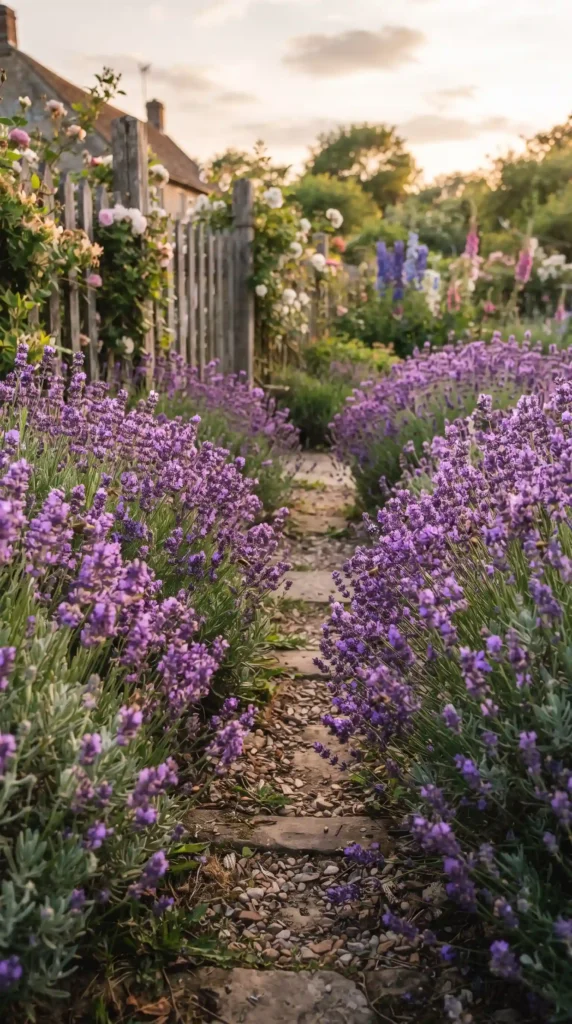
11. Lavender
Lavender adds flowers, fragrance, and a different texture to the garden.
Its purple flower spikes can look attractive along pathways, borders, containers, and sunny garden beds. Lavender generally prefers plenty of sunlight and excellent drainage.
Overwatering is one of the common problems with lavender. Allowing the growing medium to drain properly is especially important.
Dried lavender can also be used for decorative and aromatic purposes.
12. Chrysanthemum
Chrysanthemums are particularly useful for bringing strong color into the garden later in the growing season.
They are available in many flower forms and colors, making them useful for seasonal displays. Depending on the variety and local climate, chrysanthemums can provide significant autumn interest.
Keep plants healthy by providing suitable sunlight, watering, and adequate spacing.
13. Pansy
Pansies are valuable for adding color during cooler periods. In many climates, they are used for fall, winter, and early spring displays.
Their smaller flowers can create attractive combinations in containers, borders, and window boxes.
Pansies generally perform better in cooler conditions than many heat-loving summer flowers, making them useful for extending the colorful season.
14. Petunia Million Bells
Calibrachoa, often known as million bells, produces many small, colorful flowers and works especially well in hanging baskets and containers.
Its trailing growth can spill over the sides of pots, creating a fuller appearance.
It generally prefers bright light and well-drained growing conditions. Because containers can dry quickly, check moisture regularly during warm weather.
15. Vinca
Vinca can be useful in warm conditions and is valued for its colorful flowers and ability to handle heat better than some delicate flowering plants.
It can work well in containers, borders, and sunny garden areas.
Avoid overwatering and provide good drainage. Selecting varieties appropriate for your climate can help maintain healthy growth throughout the season.
How to Combine Plants for Year-Round Color
The best way to create year-round garden color is to combine plants with different flowering seasons.
For example, you might use cool-season flowers for the colder months, spring bloomers for the transition into warmer weather, summer annuals for intense color, and autumn flowers to extend the display.
Instead of putting all your flowers into one large bed, consider using layers.
Tall plants can create a background, medium-sized flowers can fill the middle, and low-growing plants can cover the front.
This approach creates more depth and prevents the garden from looking flat.
Choose Plants Based on Your Climate
Not every flowering plant can provide year-round color in every location. Temperature, rainfall, humidity, sunlight, and winter conditions all affect flowering.
Before buying plants, check:
- Average local temperatures
- Frost risk
- Summer heat
- Rainfall patterns
- Sunlight levels
- Soil drainage
- Humidity
- Container requirements
A plant may be perennial in one climate but grown as an annual somewhere else.
Understanding your local conditions helps you choose plants that can perform reliably.
Full Sun Flowering Plants
Many flowering plants need several hours of direct sunlight to produce strong growth and abundant flowers.
Good candidates for sunny areas can include:
- Marigolds
- Zinnias
- Roses
- Lavender
- Hibiscus
- Bougainvillea
- Petunias
However, even sun-loving plants can struggle during extreme heat if they do not receive adequate water.
Flowering Plants for Partial Shade
Not every garden receives full sunlight. Buildings, walls, trees, and neighboring properties can create shaded areas.
Plants such as impatiens and certain begonias can provide color where direct sunlight is limited.
Always check the requirements of the specific variety because light tolerance can differ significantly between related plants.
Use Containers for Flexible Color
Containers make it easier to change seasonal displays.
You can place spring and cool-season flowers in containers, replace them with summer varieties, and introduce autumn flowers later.
Containers also allow gardeners with limited space to grow colorful plants on balconies, patios, steps, and small terraces.
Choose containers with drainage holes and use an appropriate potting mix rather than heavy garden soil.
Keep Flowers Blooming Longer
Several basic practices can help extend flowering.
Deadheading is one of the simplest. Remove faded flowers before they become heavily developed seed heads when appropriate for the plant.
Other useful practices include:
- Providing suitable sunlight
- Watering consistently
- Avoiding excessive fertilizer
- Removing damaged growth
- Maintaining good airflow
- Checking plants for pests
- Using well-drained soil
- Pruning only when appropriate
Different plants have different needs, so avoid applying the same care routine to every species.
Watering Flowering Plants Correctly
Water requirements vary significantly between plants.
Some flowers prefer evenly moist soil, while others, such as lavender, prefer drier conditions between watering.
Watering deeply when needed is often more useful than giving plants tiny amounts of water every day. However, container plants can dry out faster than plants growing in the ground.
Check the soil before watering rather than following a fixed schedule in every season.
Improve Soil Before Planting
Healthy soil provides a strong foundation for flowering plants.
Adding suitable organic matter can improve soil structure and support healthy root development. However, soil amendments should match the existing soil and plant requirements.
Good drainage is especially important for plants that dislike wet roots.
Before planting, remove weeds, loosen compacted soil, and provide enough space for roots to develop.
Protect Flowers From Common Problems
Flowering plants can experience pests, fungal diseases, nutrient problems, heat stress, and watering issues.
Inspect plants regularly for:
- Discolored leaves
- Wilting
- Holes in leaves
- Sticky residue
- Powdery growth
- Root problems
- Unusual spots
- Poor flowering
Early detection can make problems easier to manage.
Good airflow, proper spacing, correct watering, and garden cleanliness can also reduce certain disease problems.
Create Seasonal Flowering Zones
Instead of expecting one plant to flower continuously for twelve months, create different seasonal zones.
One area can focus on cool-season flowers, another on spring color, and another on summer plants. Containers can be used to fill gaps between flowering periods.
This strategy creates a garden that changes naturally throughout the year.
Final Thoughts
The top 15 flowering plants for year-round color offer many ways to create a garden that remains attractive across different seasons. Marigolds, petunias, geraniums, zinnias, impatiens, begonias, hibiscus, bougainvillea, roses, lavender, chrysanthemums, pansies, calibrachoa, and vinca each bring different colors, shapes, growing habits, and seasonal strengths.
The most successful approach is to choose plants according to your climate, available sunlight, garden size, and maintenance routine. Combine flowers with different bloom periods, use containers to fill seasonal gaps, and give each plant the conditions it needs.
With thoughtful planning, even a small garden can provide changing color and interest throughout the year without requiring a complete redesign every season.