Top 10 Companion Planting Combinations for a Healthier Garden
Want to grow a healthier vegetable garden without making your garden more complicated? Companion planting is a simple gardening technique that involves growing certain plants near each other because they may complement one another.
Some combinations can help attract pollinators, provide shade, make efficient use of garden space, or diversify your planting. However, companion planting isn’t a magic pest-control solution, and not every popular combination has strong scientific evidence behind it.
If you’re wondering which plants grow well together, these top 10 companion planting combinations are excellent starting points for planning a productive and attractive garden.
What Is Companion Planting?
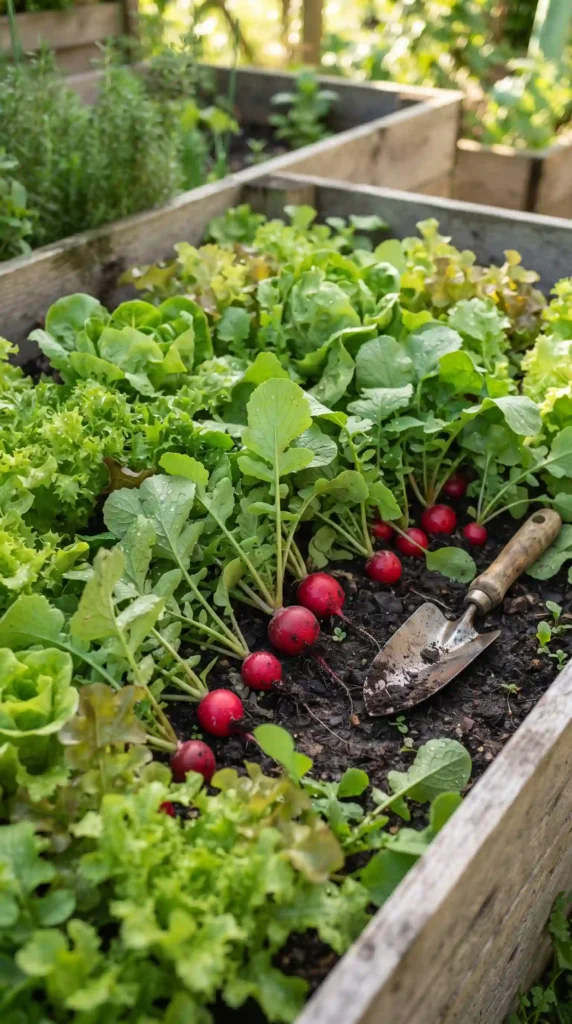
Companion planting means intentionally placing different plant species near one another.
Gardeners use the technique for several reasons, including:
- Attracting beneficial insects
- Supporting pollination
- Using garden space efficiently
- Providing shade or ground cover
- Diversifying crops
- Improving garden biodiversity
The best approach is to choose plants based on their individual growing requirements first. Sunlight, soil, water, spacing, and mature size should always be considered before companion-planting benefits.
1. Tomatoes and Basil
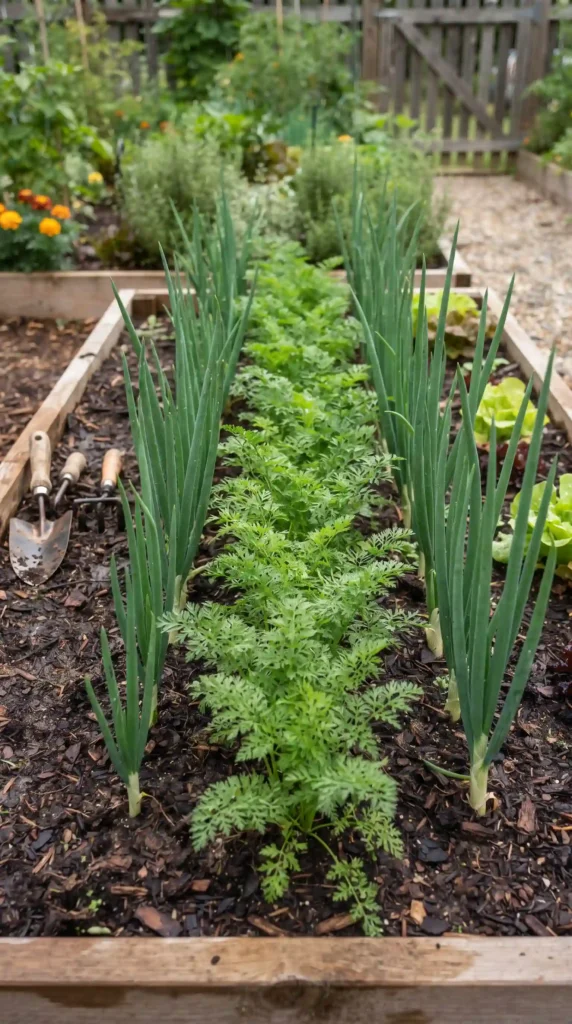
Tomatoes and basil are one of the most famous companion planting combinations.
They’re also convenient because both are warm-season plants that can thrive in similar garden conditions.
Plant basil near tomatoes as long as both receive sufficient sunlight and aren’t overcrowded.
Why Gardeners Like This Combination
- Similar growing season
- Efficient use of garden space
- Basil provides an aromatic herb harvest
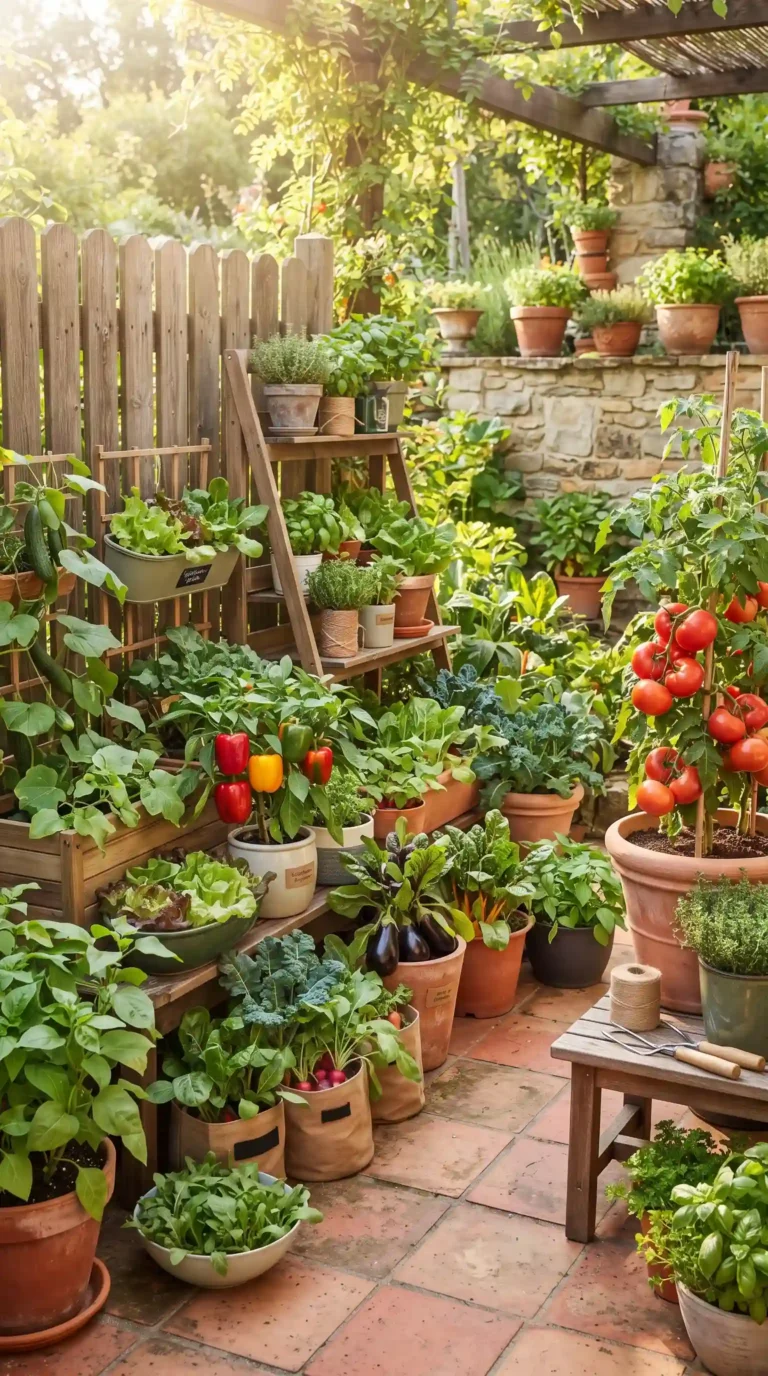
- Both work well in containers and garden beds
Don’t expect basil alone to eliminate tomato pests. Instead, think of this combination as a practical way to grow compatible crops together.
2. Carrots and Radishes

Carrots and radishes make an excellent combination for gardeners trying to maximize space.
Radishes grow quickly, while carrots take longer to mature.
You can sow them in the same general area, provided the planting density and soil conditions are appropriate.
Why It Works
Radishes can mark the rows while carrots are getting established. Their different growth rates also allow you to harvest the radishes before the carrots need more space.
Both crops prefer loose, well-drained soil.
3. Lettuce and Radishes
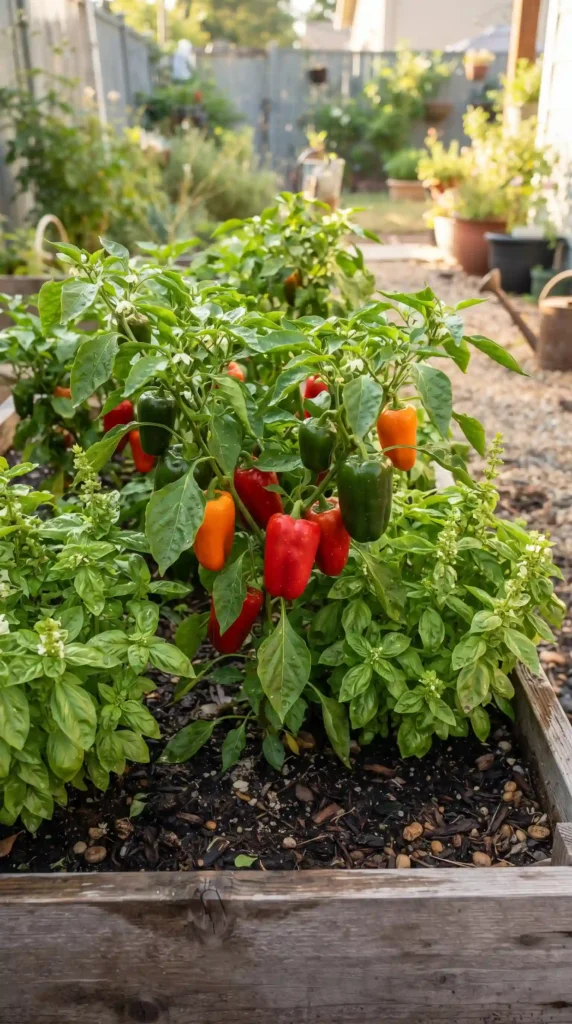
If you’re growing a small vegetable garden, lettuce and radishes are another useful pairing.
Radishes mature relatively quickly, while lettuce can provide a longer harvest depending on the variety and growing conditions.
Use the available space efficiently while making sure mature plants aren’t overcrowded.
Best For
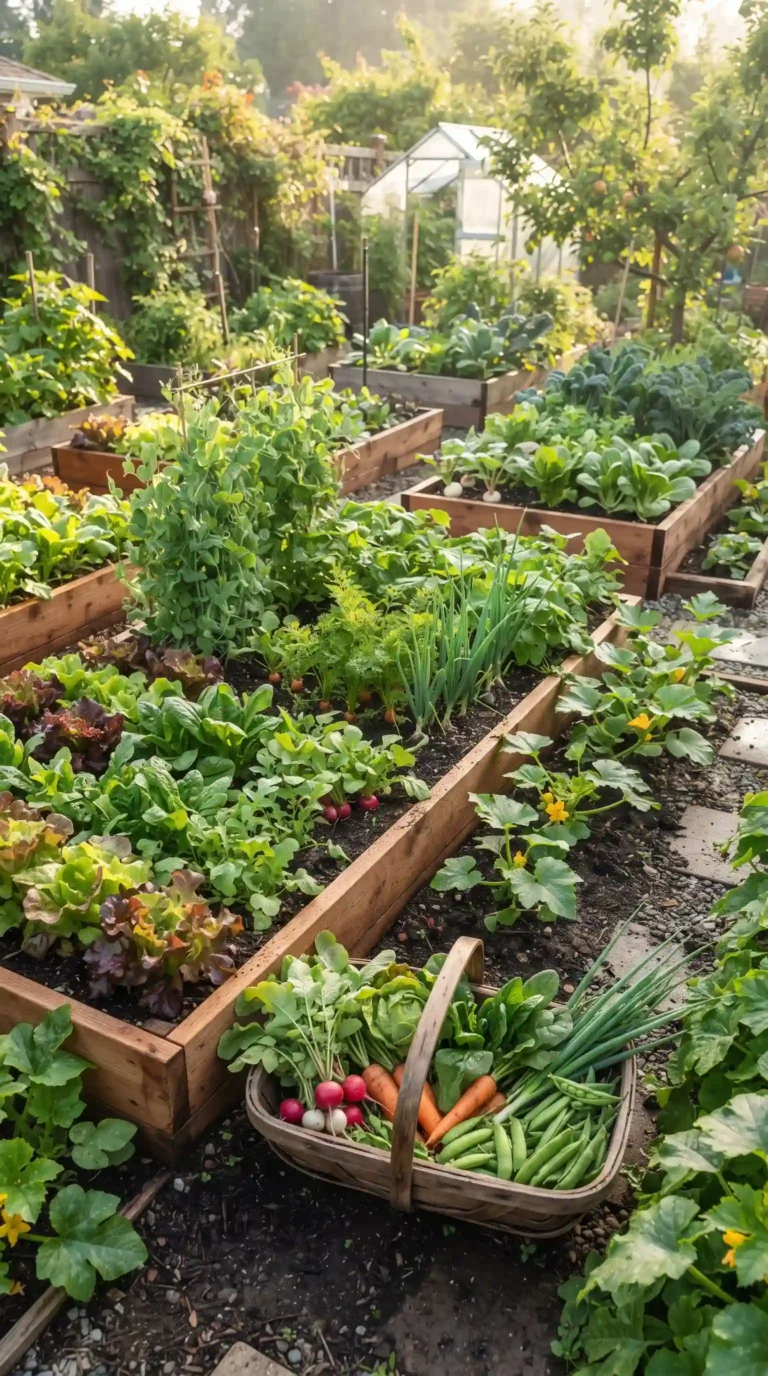
- Raised beds
- Small gardens
- Container gardening
- Succession planting
4. Cucumbers and Dill
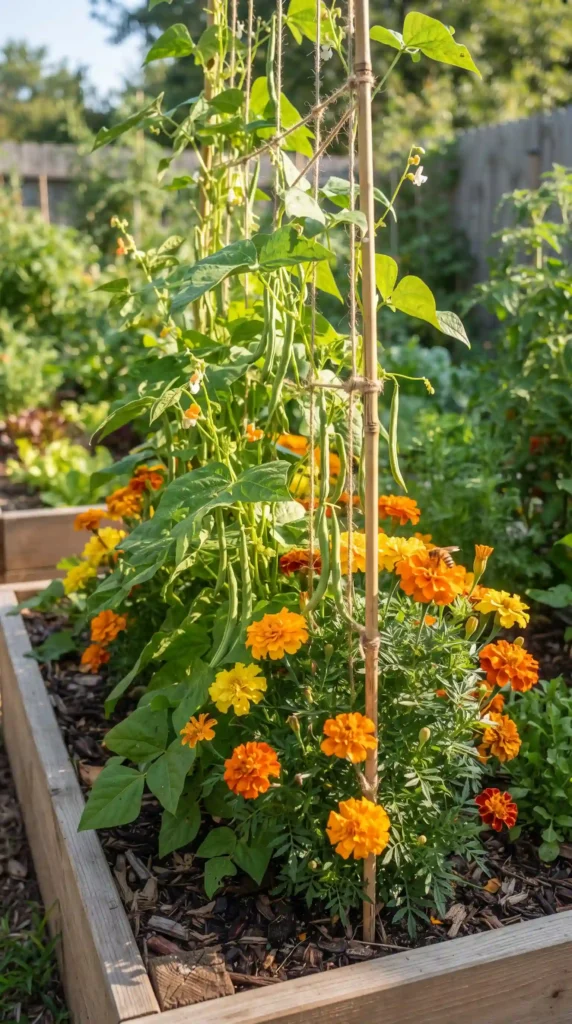
Cucumbers and dill can work well together, particularly in a garden designed to attract beneficial insects.
Dill produces flowers that can attract various pollinators and beneficial insects when allowed to bloom.
Cucumbers, meanwhile, require plenty of space because their vines can spread or climb.
Gardening Tip
Grow dill where it won’t compete heavily with the cucumber vines.
If your cucumber variety is a climber, use a trellis to save garden space.
5. Beans and Corn
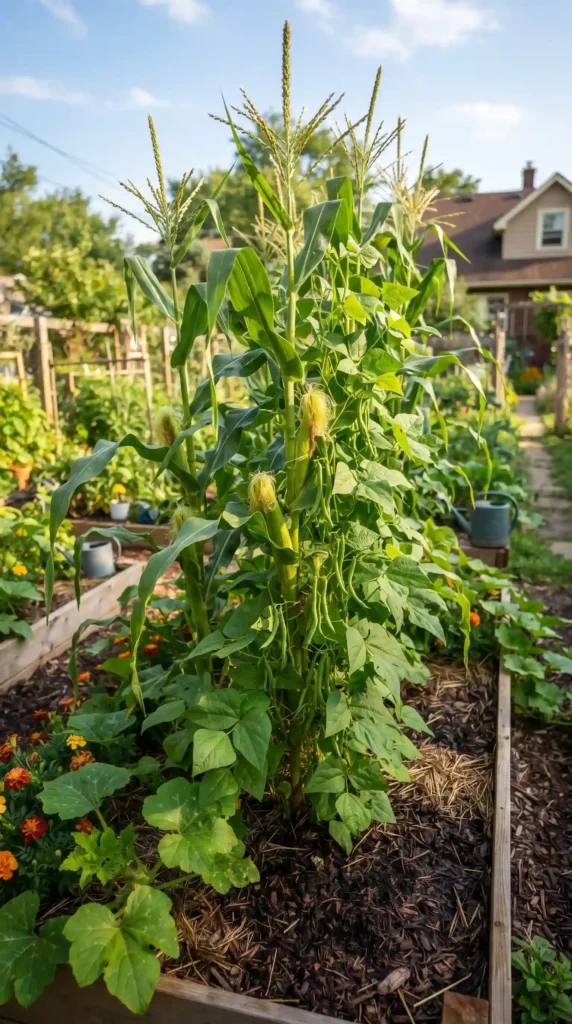
The classic beans and corn combination is associated with the Three Sisters gardening tradition, which traditionally includes corn, beans, and squash.
Corn can provide a tall structure that climbing beans may use for support.
However, this combination requires planning.
Corn needs enough spacing and nutrients to produce strong growth, while beans should not overwhelm young corn plants.
Important Tip
Wait until corn plants are established before allowing climbing beans to grow heavily around them.
6. Peppers and Basil
Basil isn’t only associated with tomatoes.
It can also be grown alongside peppers when their light, water, and soil requirements are compatible.
Both are warm-season crops and can work well in containers or raised beds.
Why Grow Them Together?
The combination offers:
- Efficient use of space
- Similar seasonal requirements
- Two useful edible crops
- Attractive foliage
As with other companion combinations, avoid overcrowding.
7. Lettuce and Chives
Lettuce and chives can make an attractive and practical garden pairing.
Lettuce benefits from cooler growing conditions, while chives can remain productive across a relatively long season in many climates.
Chives also produce attractive flowers that can be useful to pollinators.
Plant both where they receive appropriate light and have enough space for mature growth.
8. Cabbage and Dill
Dill can be useful in gardens containing members of the cabbage family.
When dill flowers, it can provide resources for beneficial insects. These insects may include predators or parasitoids that feed on garden pests.
However, don’t assume that simply planting dill beside cabbage will prevent caterpillars or other pests.
Inspect your cabbage plants regularly and use appropriate pest-management methods when necessary.
Good Pairing
Try combining dill with:
- Cabbage
- Kale
- Broccoli
- Brussels sprouts
Keep in mind that these crops can become large, so spacing is important.
9. Squash and Flowering Herbs
Squash plants benefit from pollination, so growing flowering plants nearby can make your garden more attractive to pollinators.
Consider combining squash with suitable flowering herbs or flowers such as:
- Dill
- Borage
- Calendula
- Nasturtiums
Choose plants that suit your climate and avoid letting companion plants compete excessively with sprawling squash vines.
The goal isn’t necessarily to create a pest-free garden. Instead, you’re creating a more diverse environment that supports pollinators and beneficial insects.
10. Corn, Beans, and Squash
The Three Sisters garden is one of the best-known examples of complementary planting.
Traditionally:
- Corn provides height.
- Beans climb using the corn as support.
- Squash spreads along the ground.
This arrangement can make efficient use of vertical and horizontal garden space.
However, it isn’t suitable for every small garden or climate. Each crop has substantial nutrient, water, and space requirements.
If you’re trying the Three Sisters method, plan the spacing carefully and make sure the plants won’t compete excessively.
How to Choose the Best Companion Plants
Don’t choose companions based only on a list you found online.
Start by comparing the plants’ basic requirements.
Sunlight
Plants that require full sun shouldn’t be placed where a companion will eventually shade them.
Water
Avoid pairing plants with dramatically different moisture requirements.
Soil
Check whether both plants prefer similar soil conditions and pH ranges.
Space
Consider the mature size of both plants, not just how large they look when purchased.
Growth Rate
Fast-growing plants can quickly overwhelm slower crops.
Do Companion Plants Really Prevent Pests?
This is one of the most misunderstood parts of companion planting.
Some gardening traditions claim that particular plants repel specific insects simply because they’re nearby. Evidence for many of these claims is limited or inconsistent.
A better strategy is to view companion planting as one part of integrated pest management.
Combine diverse plantings with:
- Regular pest inspections
- Physical barriers
- Healthy soil
- Crop rotation
- Appropriate watering
- Beneficial insects
- Hand removal when practical
This approach is generally more reliable than expecting one companion plant to solve a pest problem.
Companion Planting Mistakes to Avoid
Planting Too Closely
Even compatible plants can compete for water, nutrients, sunlight, and root space.
Ignoring Mature Size
A tiny seedling can become a huge plant.
Assuming Every Pairing Works
Companion planting recommendations aren’t universal rules.
Forgetting Crop Rotation
Growing the same crop in the same location repeatedly can contribute to certain pest and disease problems.
Using Companion Plants as a Pest Cure
Plant diversity can support a healthy garden, but serious infestations may require additional management.
A Simple Companion Planting Layout
If you’re new to companion planting, try a simple raised-bed layout.
Back row: Tall crops such as tomatoes or corn.
Middle: Basil, peppers, dill, or other medium-height plants.
Front: Lettuce, radishes, or other compact crops.
Edges: Flowers such as calendula or nasturtiums where appropriate.
This arrangement creates different heights and uses available garden space efficiently.
Benefits of Companion Planting
A well-planned companion garden can provide several benefits.
Better Space Utilization
Combine plants with different growth habits and harvest times.
More Biodiversity
Growing multiple species creates a more diverse garden ecosystem.
Pollinator Support
Flowering companion plants can provide food and habitat for pollinators.
Multiple Harvests
Combining crops with different maturity dates can extend the harvest.
Visual Appeal
Vegetables, herbs, and flowers can create a more attractive garden.
Final Thoughts
These top 10 companion planting combinations can help you create a more diverse, productive, and visually interesting garden.
Start with simple pairings such as tomatoes and basil, carrots and radishes, or lettuce and radishes. As you gain experience, experiment with more complex arrangements such as the Three Sisters combination.
Remember that companion planting isn’t a guaranteed pest-control method. The most successful gardens combine good plant selection with proper spacing, healthy soil, appropriate watering, crop rotation, and regular monitoring.
The best companion plants are ultimately the ones that grow well in your climate, fit your garden space, and have compatible growing requirements.
Start small, observe how your plants perform, and adjust your garden layout each season. That’s one of the best ways to discover which companion planting combinations work best for your own garden.