12 Easiest Houseplants You Can’t Kill
Keeping houseplants alive can sometimes feel harder than it should be. You may forget to water them, place them in the wrong spot, or simply not know what they need. Fortunately, many indoor plants are naturally tough and can handle occasional mistakes.
If you are new to gardening or have struggled with houseplants in the past, choosing easy-care varieties can make a big difference. Hardy houseplants can tolerate less-than-perfect conditions and often recover from minor care mistakes.
In this guide, we will look at 12 easiest houseplants you can’t kill—a friendly way of describing plants that are especially forgiving for beginners. We will also cover their basic care needs, lighting, watering, placement, and common mistakes to avoid.
What Makes a Houseplant Easy to Care For?
Easy-care houseplants usually have a few qualities in common. They can tolerate changes in indoor conditions, do not require constant watering, and can handle a range of light levels.
This does not mean they are literally impossible to kill. Every plant has limits. Even the toughest houseplant can suffer from severe overwatering, prolonged darkness, extreme temperatures, or neglect.
The goal is to choose plants that are more forgiving when you are still learning.
1. Snake Plant
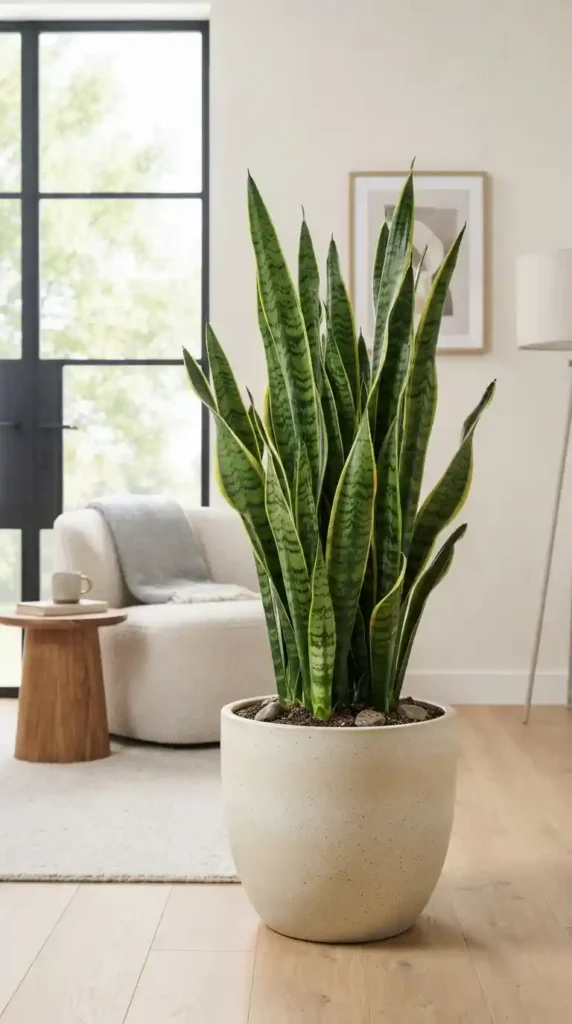
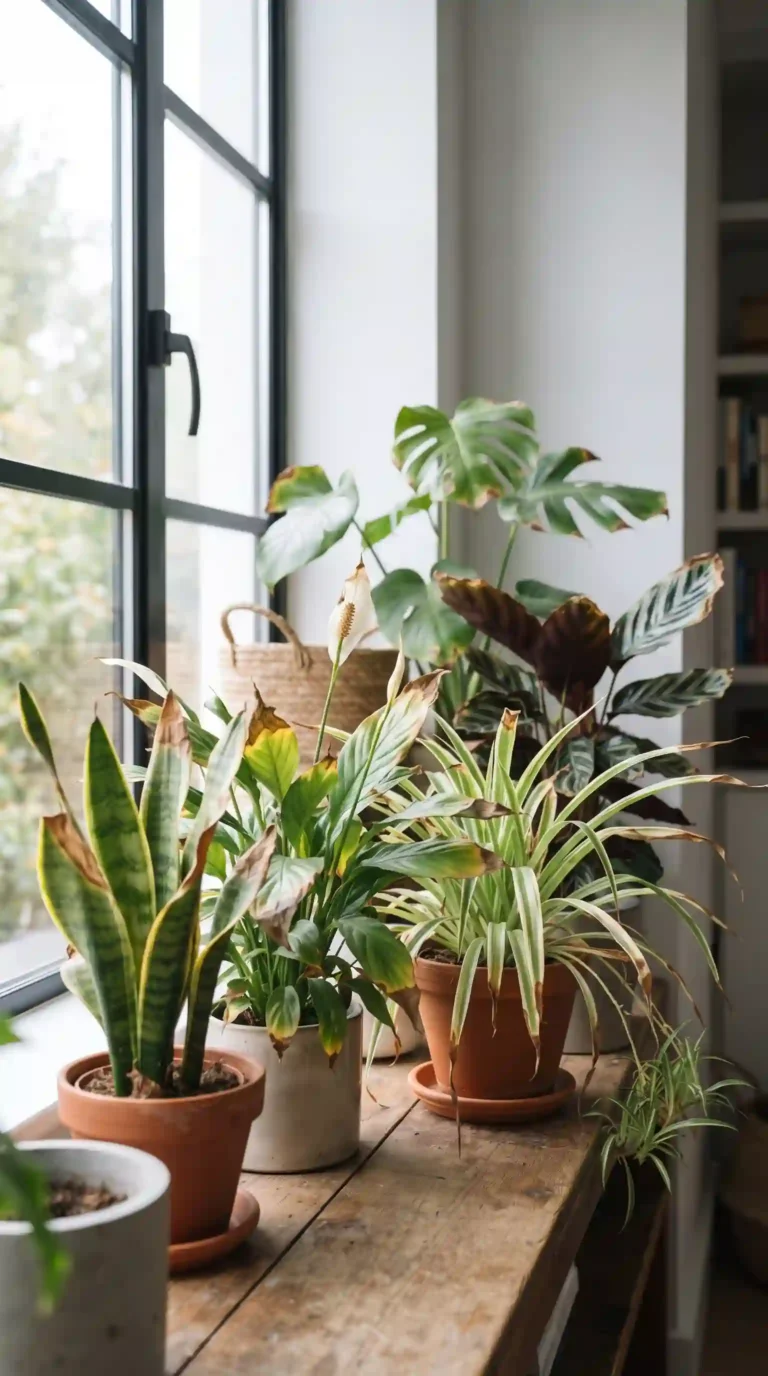
Snake plant is one of the most popular choices for beginners. Its tall, upright leaves give it a modern appearance, and it requires relatively little attention.
Snake plants can tolerate lower light than many other indoor plants, although they generally grow better when they receive suitable indirect light.
The biggest care rule is to avoid overwatering. Allow the soil to dry appropriately between waterings.
A pot with drainage holes is important because constantly wet roots can lead to serious problems.
Snake plants are excellent for bedrooms, offices, hallways, and other areas where space is limited.
2. Pothos
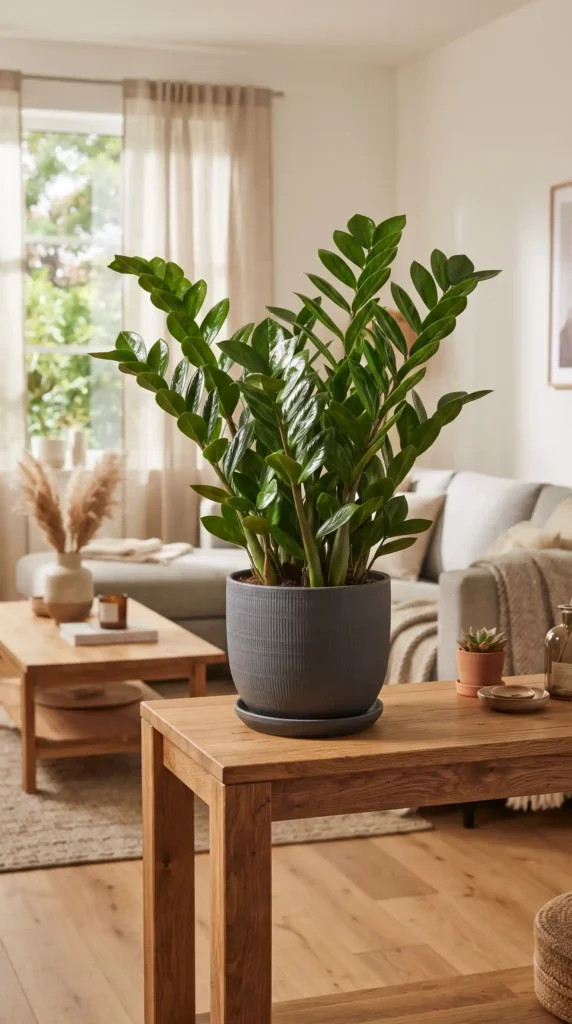
Pothos is a classic beginner-friendly houseplant with long trailing vines and attractive heart-shaped leaves.
It can tolerate a variety of indoor conditions and is particularly useful for shelves, cabinets, and hanging baskets.
Bright, indirect light usually encourages stronger growth, but pothos can tolerate lower-light locations.
Allow the soil to dry somewhat before watering again. If the leaves begin to droop, check the soil rather than immediately adding water.
Regular trimming can keep the plant compact or encourage fuller growth.
3. Spider Plant
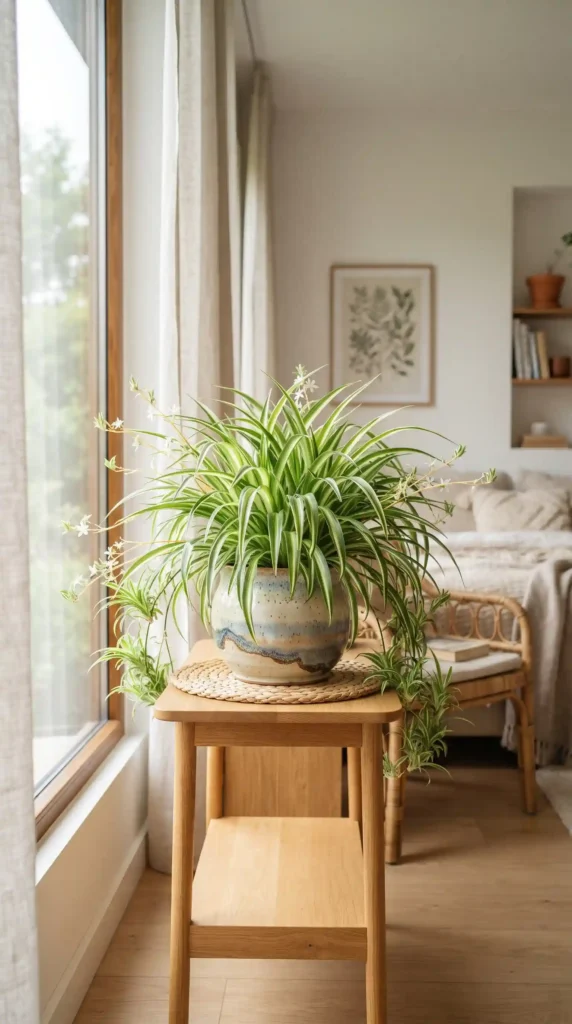
Spider plants are easy to recognize because of their long, narrow leaves and small plantlets that develop on mature plants.
They are generally easy to maintain and can adapt to a range of indoor environments.
Provide bright, indirect light when possible and water when the soil begins to dry.
Spider plants are also easy to propagate from their baby plants, making them a fun choice for beginners who want to grow their collection.
Avoid keeping the roots constantly wet.
4. ZZ Plant
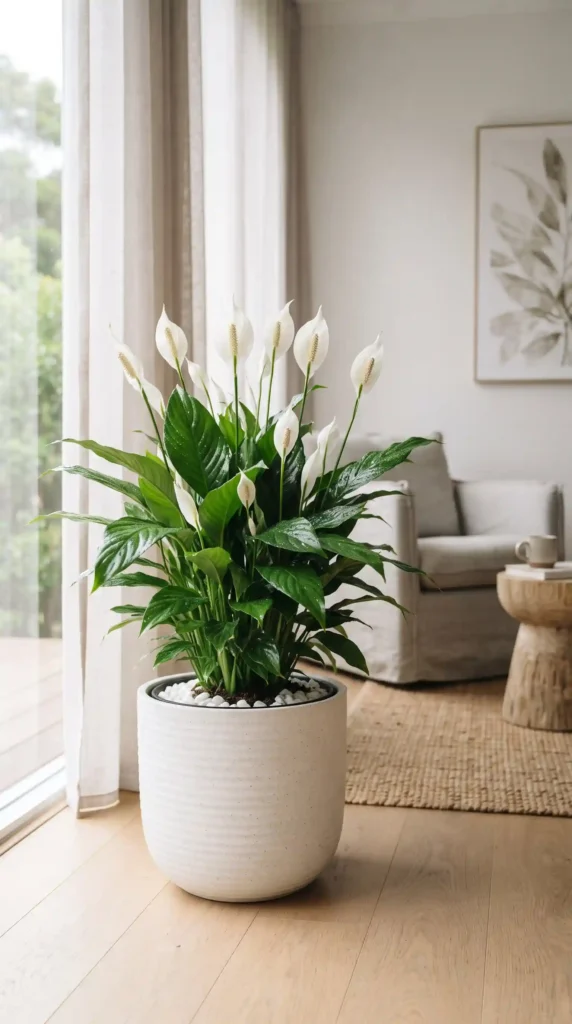
ZZ plant is another excellent choice for people who frequently forget to water.
Its thick stems and fleshy underground structures allow it to store water, helping it tolerate periods of dryness.
It can handle relatively low-light conditions, although growth may be slower.
Water only when the soil has dried appropriately. Excessive watering is a much greater concern than occasional dryness.
The ZZ plant’s glossy leaves can also add an attractive touch to offices, bedrooms, and living rooms.
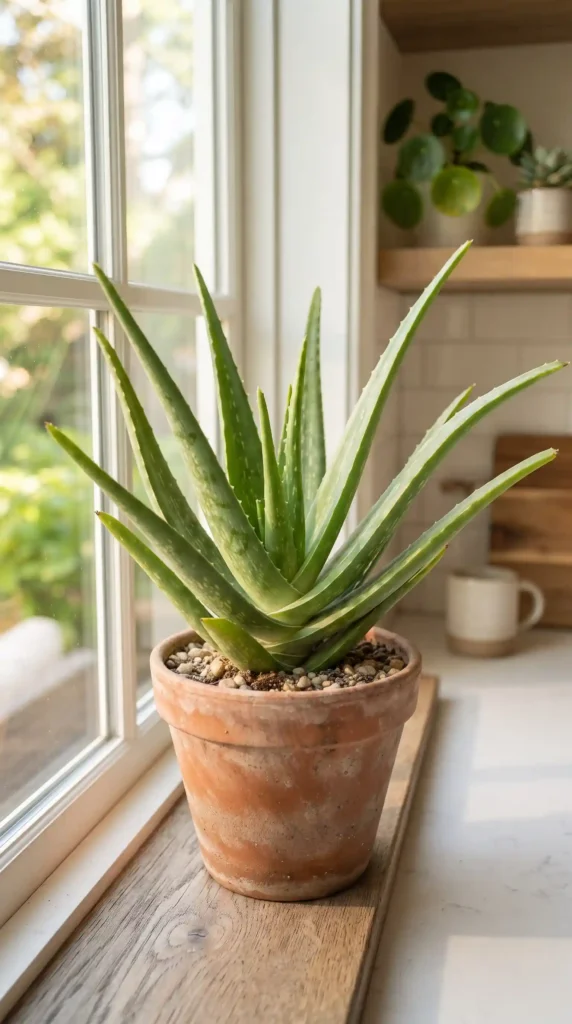
5. Aloe Vera
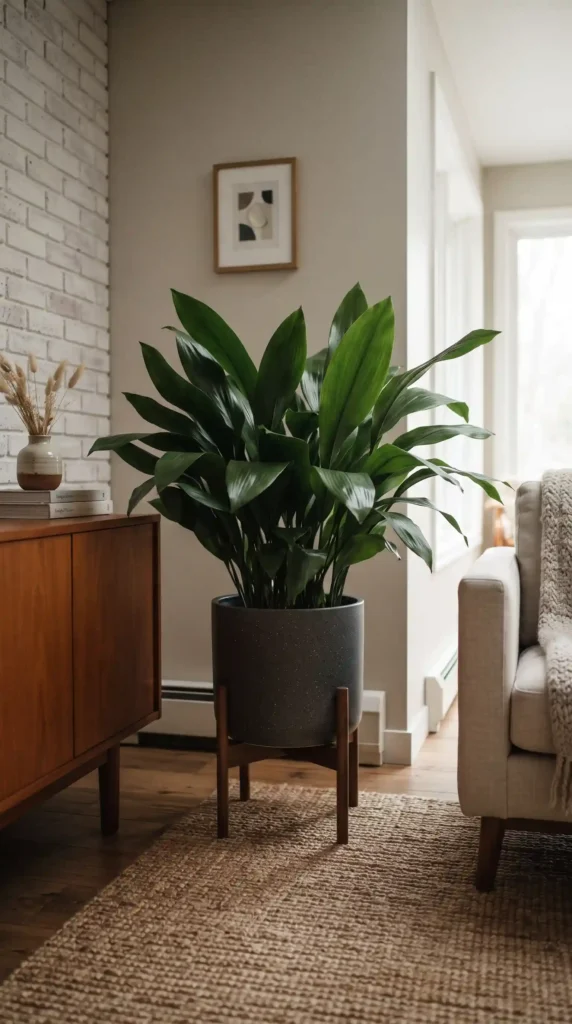
Aloe vera is a hardy succulent that prefers bright light and relatively dry conditions.
It stores water in its thick leaves, which means it does not need frequent watering.
Place aloe near a bright window where it can receive plenty of light. Allow the soil to dry thoroughly between waterings.
Use a fast-draining soil mix and a container with drainage holes.
Overwatering is the main problem to avoid with aloe vera.
6. Cast Iron Plant
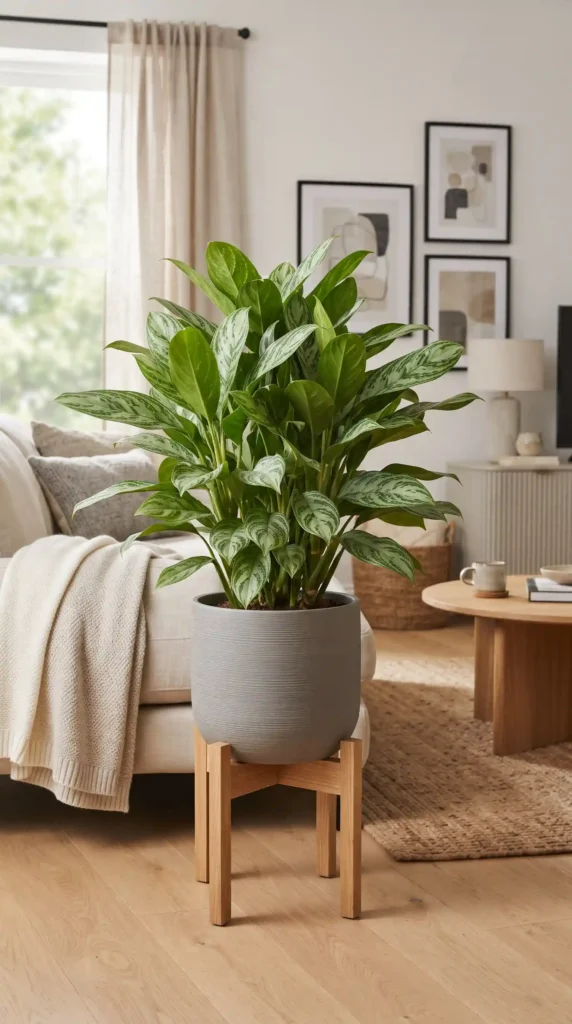
The cast iron plant has earned a reputation for being extremely tough.
It can tolerate lower light, occasional neglect, and less-than-perfect indoor conditions better than many delicate houseplants.
Its broad green leaves can add a lush appearance to darker corners.
Growth may be slower in low light, but that does not necessarily mean the plant is unhealthy.
Water according to soil moisture and avoid keeping the roots permanently wet.
7. Jade Plant
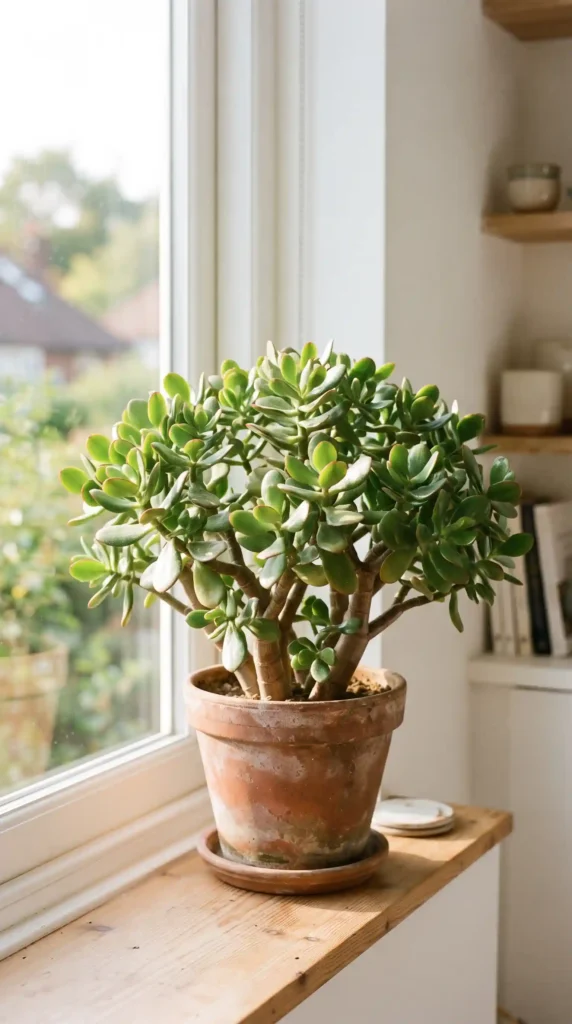
Jade plant is a popular succulent with thick leaves and sturdy stems.
It prefers bright light and does well when allowed to dry between waterings.
Place it near a bright window and use a well-draining soil mix.
Avoid watering too frequently. Succulents generally perform better when their roots are not kept constantly moist.
With enough light and suitable care, a jade plant can remain healthy for many years.
8. Chinese Evergreen
Chinese evergreen is a popular indoor plant because it can tolerate lower light and offers attractive foliage.
Different varieties can have green, silver, or patterned leaves.
It generally prefers indirect light and moderate watering. Avoid placing it in strong direct sunlight if the variety is sensitive to leaf scorch.
Allow the soil to dry somewhat before watering again.
Chinese evergreen can be a useful choice for offices, bedrooms, and other indoor spaces where light may not be especially strong.
9. Dracaena
Dracaena includes several attractive varieties that can grow well indoors with relatively simple care.
Many types have long, narrow leaves and upright growth, making them suitable for empty corners and office spaces.
Provide suitable indirect light and avoid overwatering.
Dracaena generally does better when the soil is allowed to dry somewhat between waterings.
Choose a container with proper drainage and keep the plant away from extreme temperature changes.
10. Rubber Plant
Rubber plant is a strong-growing houseplant known for its large, glossy leaves.
It can become a beautiful focal point in a living room or bright office.
Rubber plants generally prefer bright, indirect light. They can tolerate some lower light, but growth may slow.
Water when the soil has dried appropriately and avoid leaving the plant in standing water.
Clean the large leaves occasionally to remove dust and maintain their glossy appearance.
11. Heartleaf Philodendron
Heartleaf philodendron is another forgiving plant that produces attractive trailing vines.
It can adapt to many indoor conditions and is suitable for shelves, hanging baskets, and plant stands.
Bright, indirect light is ideal, but it can tolerate lower light.
Allow the soil to dry somewhat between waterings.
If the vines become too long, trim them back. The cuttings can often be used to create new plants under suitable propagation conditions.
12. Lucky Bamboo
Lucky bamboo is an easy-care indoor plant that can be grown in water or soil.
Its simple upright stems make it particularly attractive in modern interiors.
If grown in water, keep the container clean and maintain an appropriate water level. If grown in soil, use a well-draining setup and avoid overwatering.
Place it in bright, indirect light rather than intense direct sunlight.
Lucky bamboo can be a good choice when you want something decorative with a simple care routine.
Best Easy Houseplants for Beginners
If you are buying your first few plants, you do not need to start with complicated varieties.
Some beginner-friendly options include:
- Snake plant
- Pothos
- Spider plant
- ZZ plant
- Cast iron plant
- Chinese evergreen
These plants are generally more forgiving than many sensitive tropical species.
Choose based on the conditions you already have rather than trying to completely change your home for a plant.
Easiest Houseplants for Low Light
Low-light rooms can make plant selection difficult.
Snake plants, ZZ plants, cast iron plants, pothos, and Chinese evergreen can tolerate lower-light conditions better than many houseplants.
However, low light does not mean no light. Plants still need light to produce energy.
If a room has virtually no natural light, consider using a suitable grow light or moving plants periodically to a brighter area.
Easiest Houseplants for Forgetful Waterers
If you frequently forget to water, choose plants that naturally tolerate dry periods.
Snake plants, ZZ plants, aloe vera, and jade plants are particularly useful choices because they generally prefer allowing the soil to dry between waterings.
The important thing is not to compensate for missed watering by giving the plant an excessive amount of water at once.
Check the soil first and water according to the plant’s needs.
Easiest Houseplants for Small Spaces
Small homes and apartments can still have plenty of greenery.
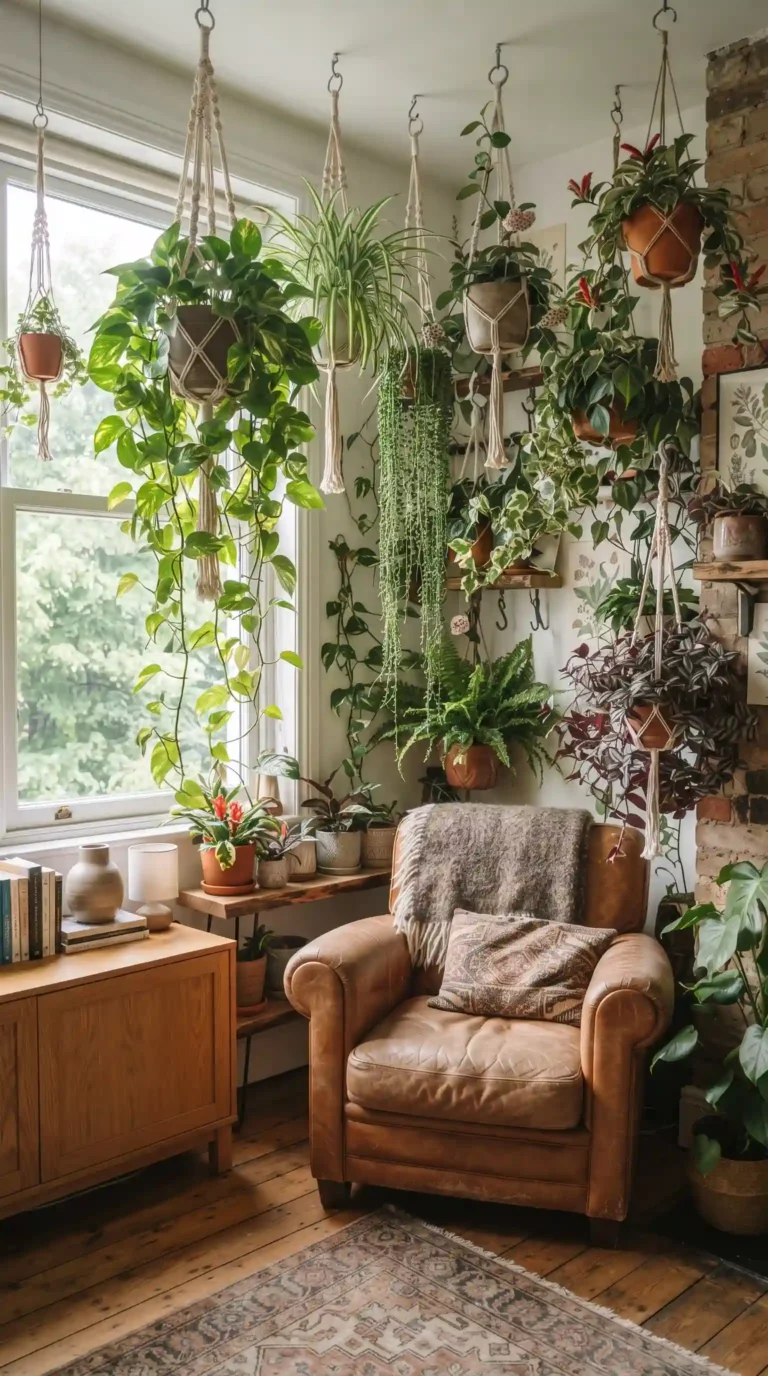
Pothos and heartleaf philodendron can grow vertically or trail from shelves.
Snake plants are useful because their upright shape takes up limited floor space.
Spider plants can also work well in hanging containers.
Using shelves, plant stands, and hanging baskets allows you to add greenery without using much floor area.
How Much Light Do Easy Houseplants Need?
Even the most forgiving houseplants need suitable light.
The amount of light your plant receives depends on the direction of your windows, nearby buildings, curtains, seasonal changes, and distance from the glass.
Bright indirect light is suitable for many common houseplants.
Some plants tolerate lower light, but growth may become slower and foliage may change.
Before choosing a plant, observe the location throughout the day.
How Often Should You Water Beginner Houseplants?
There is no single watering schedule that works for every houseplant.
Instead, check the soil.
Some plants prefer to dry substantially between waterings, while others prefer more consistent moisture.
Use the plant’s natural requirements as your guide.
When watering, apply enough water to moisten the root area and allow excess water to drain away.
Avoid leaving water sitting in decorative containers.
Why Overwatering Is a Bigger Problem Than Underwatering
New gardeners often assume that more water means healthier plants.
In reality, many houseplants are damaged by excessive watering.
When soil stays wet for too long, roots may become stressed and may not receive enough oxygen.
This is especially dangerous for plants such as snake plants, ZZ plants, aloe vera, and jade plants.
Always check the soil before watering.
Choosing the Right Pot
A suitable pot can make houseplant care much easier.
Choose a container that provides enough room for the roots without being unnecessarily large.
Drainage holes are particularly important because they allow excess water to escape.
If you use decorative pots without drainage, keep the plant in a suitable inner container and remove it when watering so excess water can drain properly.
Common Mistakes With Easy Houseplants
Even hardy plants need basic care.
Avoid these common mistakes:
- Watering on a fixed schedule without checking soil
- Keeping plants in complete darkness
- Using containers without drainage
- Overfertilizing
- Placing plants beside heaters
- Exposing plants to sudden temperature changes
- Ignoring pests
- Repotting too frequently
Easy-care plants are forgiving, but they still need a suitable environment.
How to Keep Beginner Houseplants Healthy
A simple maintenance routine can prevent many problems.
Check your plants once or twice a week. Feel the soil, inspect the leaves, and look for insects.
Remove dead leaves and clean dusty foliage when needed.
Rotate plants occasionally if they receive light from only one direction.
Do not make several major changes at once. If a plant is struggling, change one important condition and observe its response.
Signs Your Easy Houseplant Needs Help
Your plant’s leaves can tell you a lot about its condition.
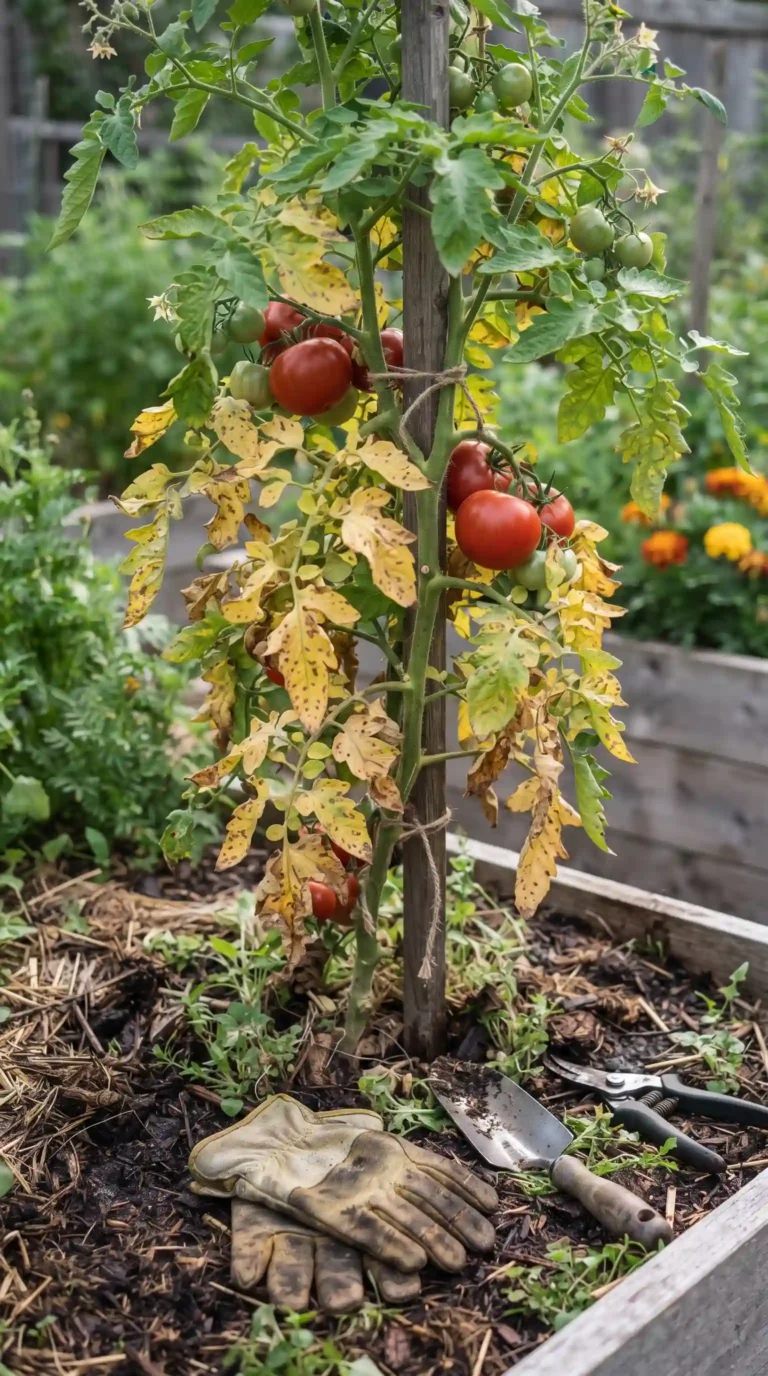
Yellow leaves may be related to overwatering, aging, nutrient issues, or other stress.
Brown leaf tips can result from watering problems, dry air, fertilizer buildup, or environmental changes.
Drooping can occur because of underwatering, overwatering, root problems, or temperature stress.
Look at the soil and growing environment before deciding what the plant needs.
How to Build a Beginner-Friendly Indoor Garden
Start with just a few plants instead of buying many varieties at once.
A simple combination might include a snake plant for an upright display, pothos for trailing growth, and a spider plant for a hanging container.
As you learn how each plant responds to your home’s conditions, you can gradually expand your collection.
This approach makes plant care easier and gives you time to understand watering, lighting, and seasonal changes.
Final Thoughts on the Easiest Houseplants
The 12 easiest houseplants you can’t kill are really plants that are highly forgiving when compared with more sensitive varieties. Snake plant, pothos, spider plant, ZZ plant, aloe vera, cast iron plant, jade plant, Chinese evergreen, dracaena, rubber plant, heartleaf philodendron, and lucky bamboo can all be excellent options for beginners when their basic needs are met.
Remember that no houseplant is completely impossible to kill. Even hardy plants need appropriate light, water, drainage, and temperature.
The easiest way to succeed is to choose a plant that matches your home rather than forcing a plant to live in unsuitable conditions. Start small, learn your plants’ needs, and maintain a simple care routine. With the right choices, growing healthy houseplants can become an enjoyable and rewarding part of your home.