Best 6 Garden Compost Systems for Beginners
Composting is one of the easiest ways to turn everyday organic waste into something useful for your garden. Instead of throwing fruit and vegetable scraps, dry leaves, grass clippings, and other suitable materials into the trash, you can recycle them into nutrient-rich compost that helps improve soil structure and support healthy plants.
For beginners, choosing a composting method can feel confusing because there are several systems available. Some need a backyard, while others work in small spaces. Some require regular turning, while others need very little maintenance.
The best 6 garden compost systems for beginners include simple compost bins, open compost piles, tumblers, worm bins, bokashi systems, and trench composting. Each method has different advantages, space requirements, and maintenance needs.
The right system depends on your garden size, the amount of organic waste you produce, available space, and how much time you want to spend managing the compost.
Why Composting Is Useful for Your Garden
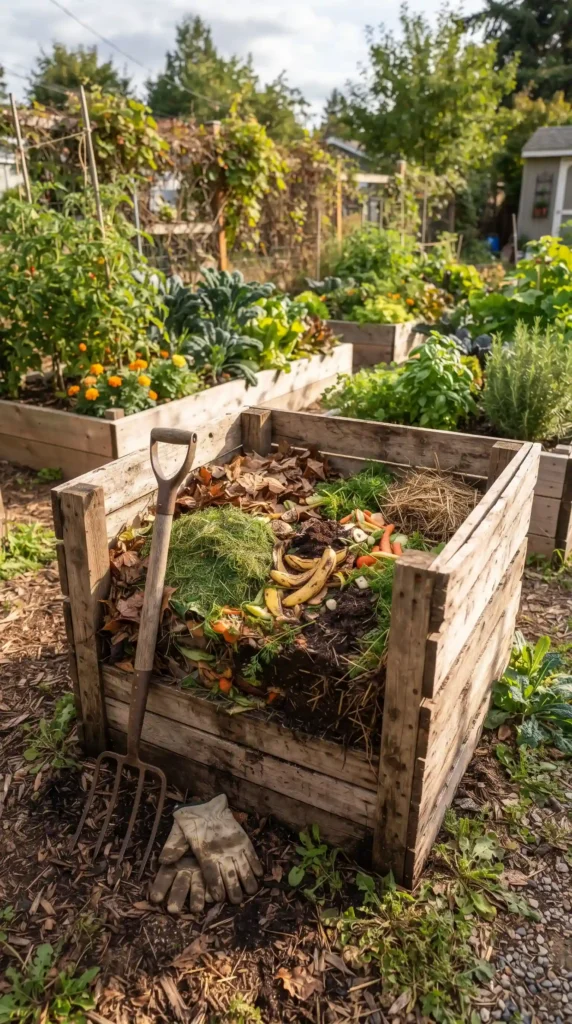
Composting recycles organic material and creates a soil amendment that can be mixed into garden soil. Compost can improve soil structure, support beneficial organisms, and help soil hold moisture more effectively.
A simple composting system can help you:
- Reduce household food waste
- Recycle garden leaves and plant material
- Improve soil structure
- Add organic matter to garden beds
- Support healthy plant growth
- Reduce the amount of organic waste sent to landfills
- Create a useful garden resource from everyday materials
You do not need an expensive setup to get started. A basic homemade system can work very well when it is properly managed.
1. Traditional Compost Bin
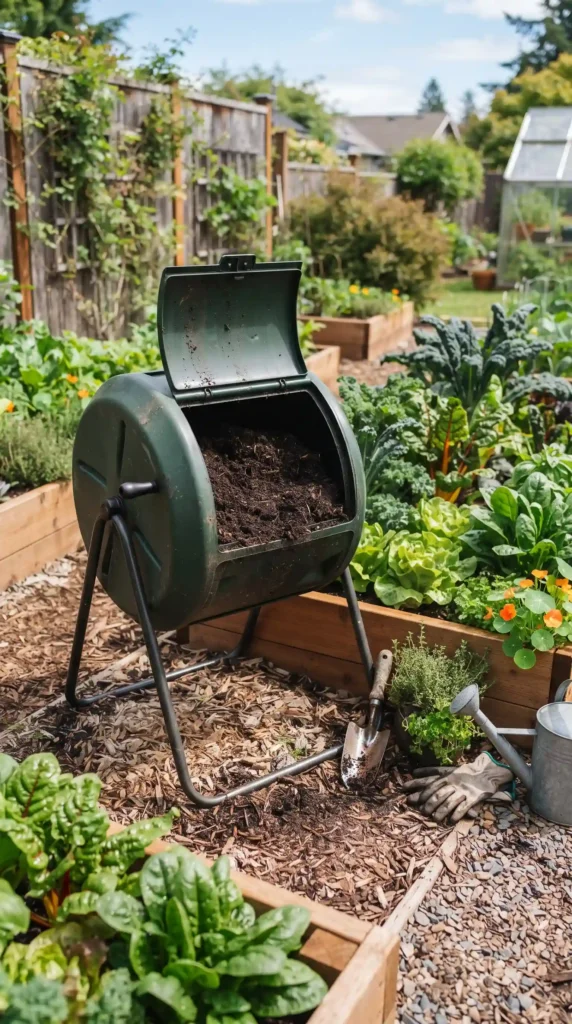
A traditional compost bin is one of the simplest choices for beginners. It can be made from plastic, wood, wire mesh, or another suitable material.
The basic idea is simple: organic materials are placed inside the bin and allowed to decompose over time.
A compost bin is particularly useful for gardeners who have a backyard and regularly produce kitchen and garden waste.
What to Put in a Compost Bin
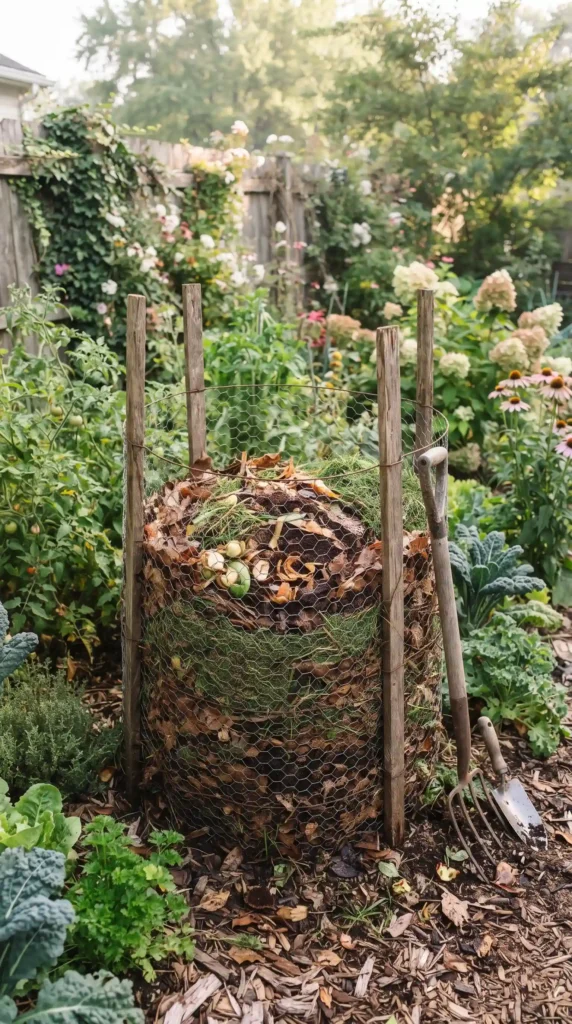
A good compost mixture normally includes a combination of carbon-rich “brown” materials and nitrogen-rich “green” materials.
Brown materials can include:
- Dry leaves
- Small twigs
- Shredded paper
- Cardboard
- Straw
- Wood chips
Green materials can include:
- Fruit scraps
- Vegetable scraps
- Fresh grass clippings
- Coffee grounds
- Some fresh garden waste
USDA guidance suggests using roughly 2–3 parts brown material to 1 part green material by volume, with enough water to keep the mixture moist.
A balanced mixture helps microorganisms break down the material more effectively.
How to Maintain a Traditional Compost Bin
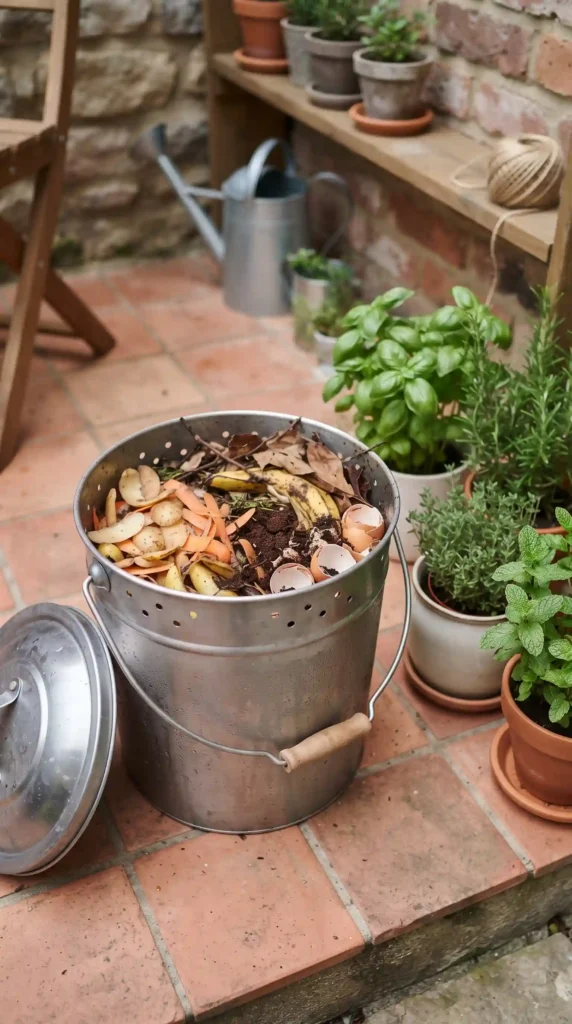
Place the bin somewhere convenient, preferably where it receives suitable shelter and is not constantly exposed to extreme heat or excessive moisture.
The material should remain moist but not soaking wet. Turning the compost periodically introduces air and helps distribute moisture and materials.
Avoid filling the bin with only fresh kitchen scraps. Too much wet material can make compost soggy and reduce airflow. Adding dry leaves, shredded cardboard, or similar brown material can help balance moisture.
A traditional bin is a good starting point because it is relatively simple and can handle a mixture of household and garden materials.
2. Open Compost Pile
An open compost pile is the simplest composting system because it does not necessarily require a manufactured container.
You can create a pile in a suitable corner of your garden and add organic materials over time.
This method works particularly well for gardeners with plenty of outdoor space and a large amount of leaves, grass, branches, and other garden waste.
Benefits of an Open Compost Pile
An open pile can be:
- Very inexpensive
- Easy to start
- Suitable for large amounts of garden waste
- Simple to expand
- Useful for gardeners with plenty of space
However, it can look less tidy than an enclosed bin. It may also need more attention to moisture and pests.
The RHS notes that garden waste can eventually compost in a heap, although a bin can make the process more efficient and space-saving.
How to Build a Simple Compost Pile
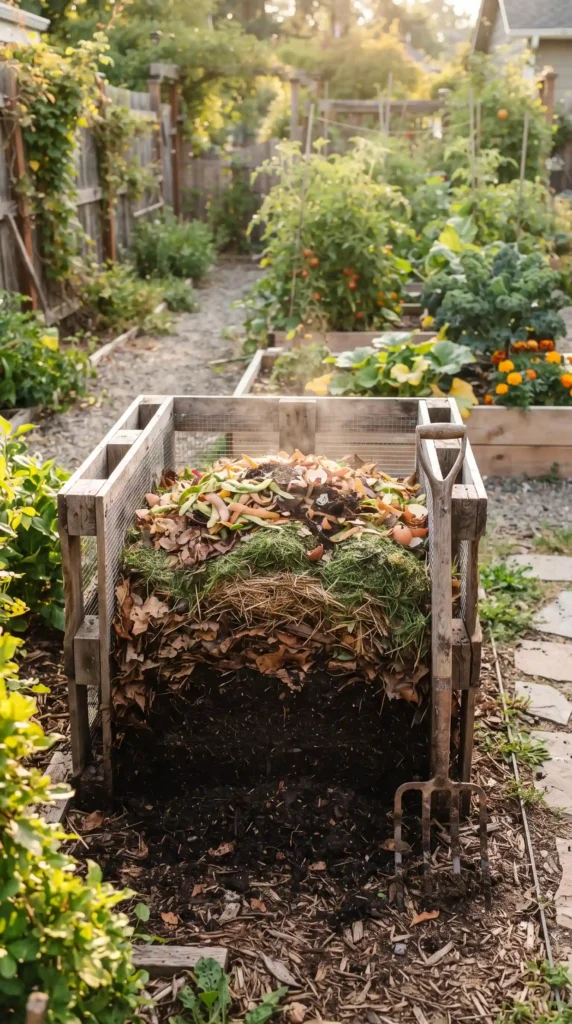
Choose a location with reasonable drainage and convenient access.
Start with a layer of coarse brown material such as small branches or dry plant material. Add green materials and then another layer of brown material.
Continue building the pile in layers.
Avoid creating a pile consisting entirely of grass clippings or food scraps. A mixture of materials generally provides better conditions for decomposition.
If the pile becomes too wet, add dry carbon-rich material. If it becomes extremely dry, add some water.
3. Compost Tumbler
A compost tumbler is a closed container mounted on a frame that can be rotated.
Instead of turning the compost with a fork or shovel, you simply rotate the container. This makes the system attractive to beginners who want an organized setup.
Tumblers can work well in smaller yards and patios where a traditional compost pile may not be practical.
Advantages of a Compost Tumbler
A tumbler can offer:
- Easy turning
- A tidy appearance
- Good aeration when rotated
- A contained design
- Less direct contact with the compost
- Convenient access
However, tumblers usually have limited capacity compared with large compost bins or piles. They can also become too wet if too many kitchen scraps are added without enough dry brown material.
How to Use a Compost Tumbler
Add a balanced mixture of green and brown materials instead of filling the tumbler with one type of waste.
Rotate it according to the instructions for your system and monitor moisture.
Do not assume that simply rotating the tumbler guarantees fast compost. The microorganisms still need appropriate moisture, oxygen, and a suitable mixture of materials.
A tumbler can be a convenient option when you want a cleaner-looking compost system and do not need to process huge quantities of garden waste.
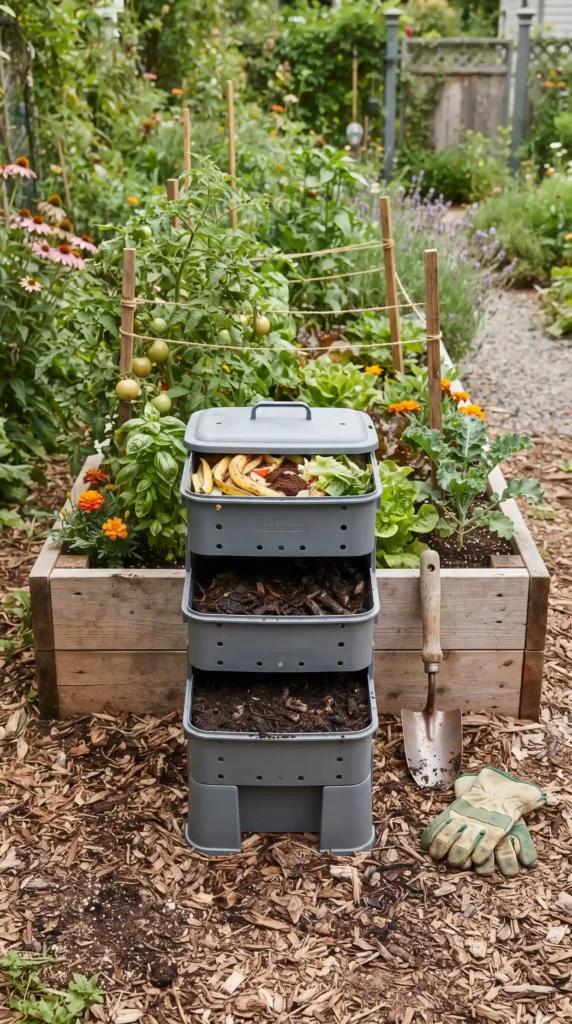
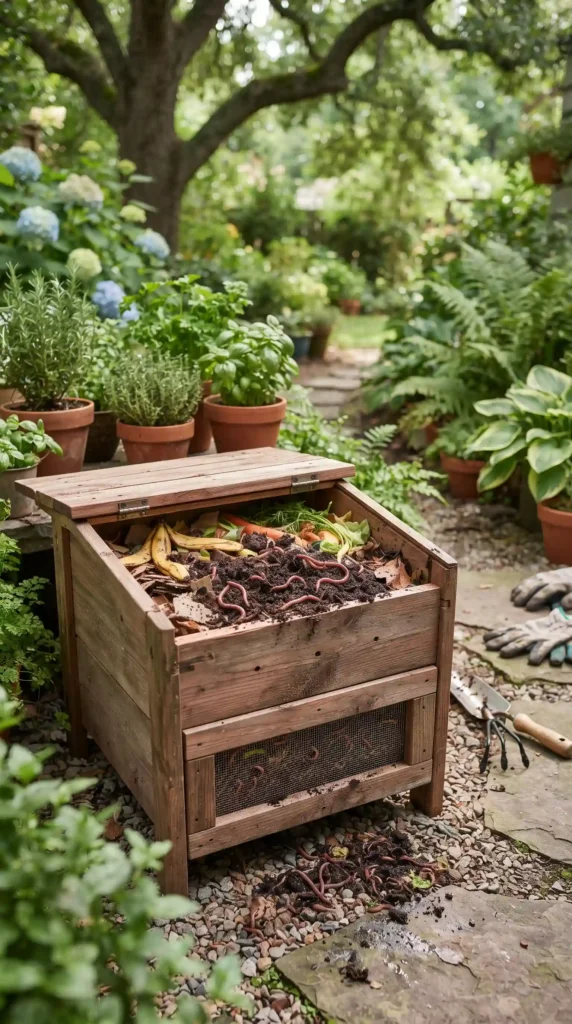
4. Worm Composting System
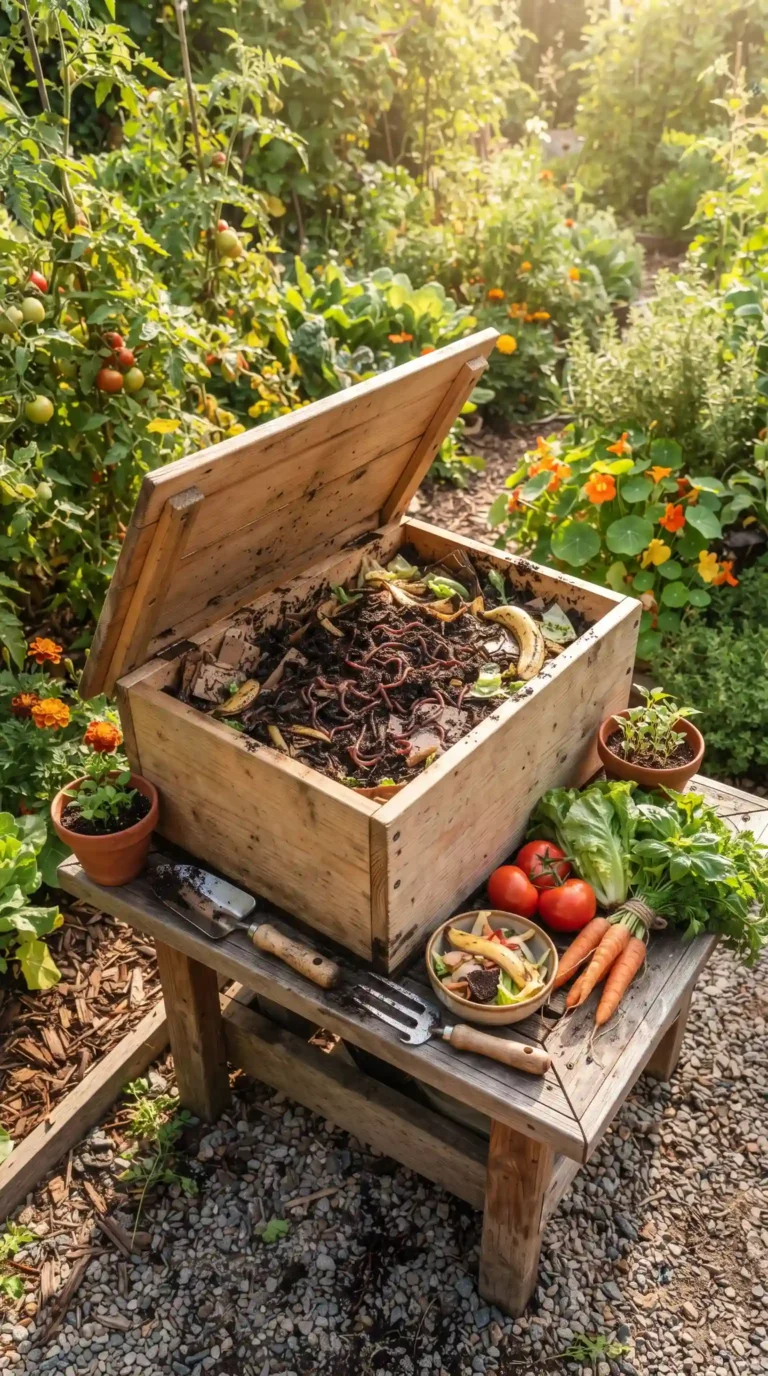
Worm composting, also called vermicomposting, uses composting worms to process organic food waste.
It is particularly useful for people with limited garden space because a worm bin can be kept indoors or outdoors in a suitable shaded location.
Instead of relying mainly on heat, worms and microorganisms break down suitable organic materials and create vermicompost, commonly known as worm castings.
Why Beginners May Like Worm Composting
A worm bin can be useful because:
- It requires little space
- It can be used indoors
- It works well with kitchen scraps
- It produces nutrient-rich worm castings
- It does not require a large backyard
- It can provide compost throughout the year
However, worms are living organisms, so they need suitable conditions.
Extreme temperatures, excess moisture, poor airflow, and overfeeding can cause problems.
Setting Up a Worm Bin
A basic worm bin needs a suitable container, bedding, composting worms, moisture, and appropriate food scraps.
The bedding can include materials such as shredded paper, cardboard, or other suitable organic bedding.
The USDA recommends composting worms such as red wigglers rather than ordinary garden earthworms for vermicomposting.
Add food in small quantities and allow worms time to process it before adding large amounts.
Suitable foods commonly include many fruit and vegetable scraps, coffee grounds, and crushed eggshells. Specific accepted materials vary by system, so follow reliable guidance for the worms you are keeping.
5. Bokashi Composting
Bokashi is a different approach to handling kitchen waste. Instead of relying on the same aerobic decomposition process used in a conventional compost pile, Bokashi uses fermentation.
A Bokashi system is usually based around an airtight bucket and a specialized inoculated material.
It can be useful for people who have limited outdoor space and want to process kitchen waste indoors.
Why Consider Bokashi?
Bokashi can be attractive because the system is compact and can handle certain food materials that traditional backyard compost systems generally avoid.
The process is different from ordinary composting, so the fermented material usually needs an additional step before it becomes suitable for use in the garden.
For beginners, it is important to understand that Bokashi is not simply a smaller version of a normal compost bin. It is a different process with different requirements.
How Bokashi Fits Into a Garden
Once the fermentation stage is complete, the processed material can be incorporated into soil or transferred to another composting stage depending on the system and local guidance.
This makes Bokashi useful as part of a broader waste-recycling routine.
It can be especially appealing for households that produce a steady amount of kitchen waste but have limited garden space.
6. Trench Composting
Trench composting is one of the simplest methods because you compost organic material directly in the ground.
Instead of maintaining a separate pile or container, you dig a suitable trench or hole, add appropriate organic material, cover it with soil, and allow it to decompose underground.
This method can be convenient for gardeners who have available planting beds.
Benefits of Trench Composting
Trench composting can:
- Require very little equipment
- Avoid the need for a compost bin
- Reduce visible compost piles
- Add organic material directly to garden soil
- Work well in suitable garden beds
NC State Extension lists trench composting as a home composting method and notes that it can encourage earthworm activity.
One limitation is planning. You need to know where the material is buried and allow sufficient time for decomposition before planting directly over it.
How to Choose the Right Compost System
The best compost system for you depends on your personal situation.
Consider these questions before choosing:
- How much organic waste do you produce?
- Do you have a backyard?
- Do you have only a balcony or patio?
- Do you want to compost mainly kitchen scraps?
- Do you have lots of leaves and garden waste?
- How much time can you spend maintaining the system?
- Do you want a tidy enclosed setup?
- Are you comfortable managing worms?
A large garden with lots of leaves may benefit from a traditional bin or open pile.
A small patio may work better with a tumbler or compact worm system.
A household focused mainly on kitchen waste may prefer vermicomposting or Bokashi.
Brown and Green Materials Matter
One of the most important beginner lessons is understanding the difference between brown and green materials.
Brown materials generally provide carbon, while green materials provide more nitrogen.
Examples of brown materials include dry leaves, shredded paper, cardboard, straw, and small woody materials.
Examples of green materials include fresh grass, vegetable scraps, fruit scraps, and coffee grounds.
The exact ratio does not need to be treated as a perfect mathematical formula. The main goal is to maintain a balanced mixture rather than allowing one material to dominate.
Keep Compost Moist but Not Soaking Wet
Microorganisms need moisture, but excessive water can reduce airflow and create unpleasant conditions.
Your compost should generally feel damp rather than saturated.
If the pile is too wet, mix in dry brown material such as shredded cardboard or dry leaves.
If it is too dry, add some water and mix the material.
Covered systems such as tumblers can become particularly wet when large quantities of wet kitchen scraps are added without enough brown material.
Give Compost Enough Air
Aeration is another important part of successful composting.
Microorganisms that thrive in oxygen-rich conditions help break down organic materials efficiently.
Turning a compost pile or tumbler can introduce air into the mixture. However, the amount of turning needed depends on the composting method.
A traditional pile may benefit from occasional turning, while a tumbler can be aerated through rotation.
Worm bins require good ventilation but should not be aggressively disturbed.
What Beginners Should Avoid
One common mistake is adding too much food waste at once.
Large amounts of wet scraps can create a soggy environment and may encourage unpleasant smells.
Another mistake is forgetting brown materials. Kitchen scraps alone are not an ideal compost mixture.
Avoid adding materials that your chosen system is not designed to handle. Traditional home compost systems generally should not receive meat, fish, dairy, pet waste, or other problematic materials unless a specific system is designed and managed for them.
Worm bins have their own food restrictions, and guidance from the USDA advises avoiding several materials including meat, dairy, greasy foods, bones, and pet waste.
How Long Does Compost Take?
There is no single timeline for every compost system.
Temperature, moisture, materials, oxygen, system design, and management all affect decomposition.
A passive compost bin may take many months. A carefully managed active system can work faster.
Worm bins operate differently because worms continuously process suitable food waste and produce castings over time.
Do not use unfinished compost simply because it looks dark on the outside. Mature compost should have a stable, earthy appearance and smell rather than smelling strongly of fresh waste.
Where to Place Your Compost System
Location can make composting easier.
Choose a place that is:
- Easy to reach
- Convenient for adding waste
- Protected from extreme conditions where appropriate
- Suitable for drainage
- Large enough for the chosen system
The RHS recommends a sheltered location with partial or full shade for many traditional compost bins because microorganisms perform better under more consistent conditions.
Convenience is also important. If the compost bin is difficult to reach, you may stop using it regularly.
How to Use Finished Compost
Finished compost can be useful in garden beds, around established plants, and as part of soil improvement.
It can help improve soil structure and contribute organic matter.
Rather than treating compost as a complete replacement for all fertilizers, think of it as an important soil-building material.
Use mature compost and mix it appropriately into the soil or apply it according to the needs of your plants.
Start Small and Learn
Beginners do not need a complicated composting station.
Start with a system that matches your available space and waste volume.
If you have a backyard, a basic compost bin may be enough. If you have limited space, a worm bin or compact tumbler may make more sense.
The most important thing is to learn how your chosen system behaves. Watch moisture, balance materials, provide suitable airflow, and avoid overloading the system.
Once you become comfortable, you can expand your setup or add another composting method.
Final Thoughts
The best 6 garden compost systems for beginners provide several practical ways to recycle organic material and create useful compost for your garden.
A traditional compost bin is a simple all-purpose option. An open pile works well for gardeners with plenty of space and large amounts of garden waste. A tumbler offers a tidy, easy-to-turn setup. Worm composting is useful for small spaces and kitchen scraps. Bokashi provides a compact fermentation-based option, while trench composting lets you process suitable organic material directly in the soil.
There is no single compost system that fits every garden. Choose according to your space, available materials, time, and gardening habits.
Start with a simple setup, keep the balance of materials in mind, and give the process time. With consistent care, composting can become an easy part of your regular gardening routine while turning everyday organic waste into something useful for your soil.