15 Best Low-Light Indoor Plants for Beginners
Not every home has large windows or bright sunlight, but that does not mean you cannot enjoy a beautiful indoor garden. Many houseplants can tolerate lower-light conditions and are excellent choices for bedrooms, offices, hallways, apartments, and rooms with limited natural light.
If you are new to houseplants, choosing varieties that can handle lower light can make plant care easier. However, it is important to remember that low light does not mean no light. Every green plant needs some light to grow, and a very dark room may require an artificial grow light.
In this guide, we will explore the 15 best low-light indoor plants for beginners, along with their basic care needs, watering tips, placement ideas, and common mistakes to avoid.
What Does Low Light Mean for Indoor Plants?
Low light usually means an indoor location that receives little direct sunlight. It may be several feet away from a window, receive filtered light, or get indirect daylight for part of the day.
A low-light area is different from a room with absolutely no natural light. Plants still need light for photosynthesis, even if they can tolerate much less than sun-loving varieties.
Before choosing a plant, observe the room during the day. Notice how much natural light reaches the area where you want to place your plant.
1. Snake Plant
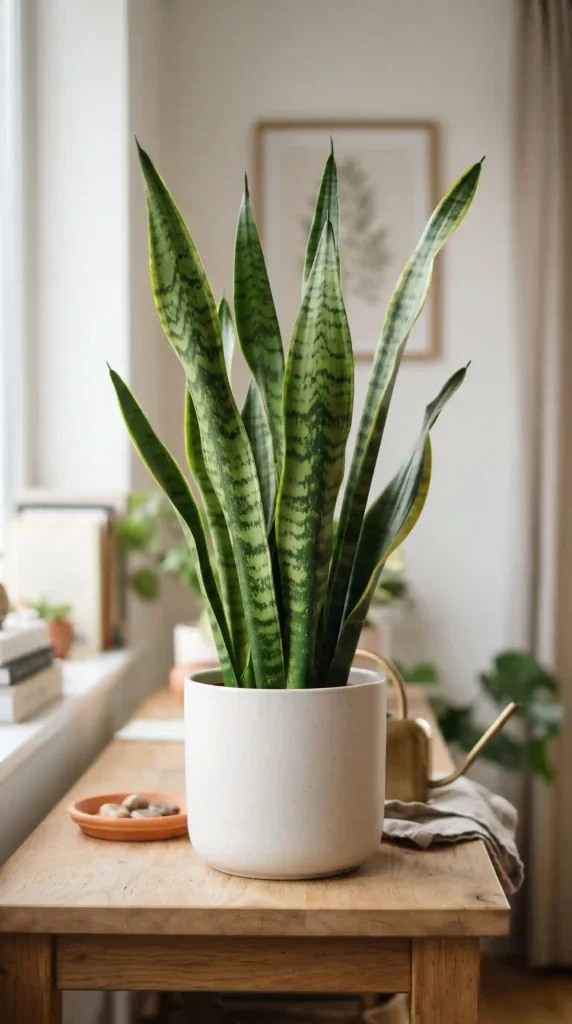
Snake plant is one of the most popular choices for beginners because it can tolerate lower-light conditions and does not require frequent watering.
Its tall, upright leaves make it perfect for corners, bedrooms, offices, and narrow spaces.
Although snake plants can survive in low light, they may grow faster when given brighter indirect light.
The most important care rule is to avoid overwatering. Allow the soil to dry appropriately before watering again.
Use a pot with drainage holes and never allow the plant to sit in standing water.
2. ZZ Plant
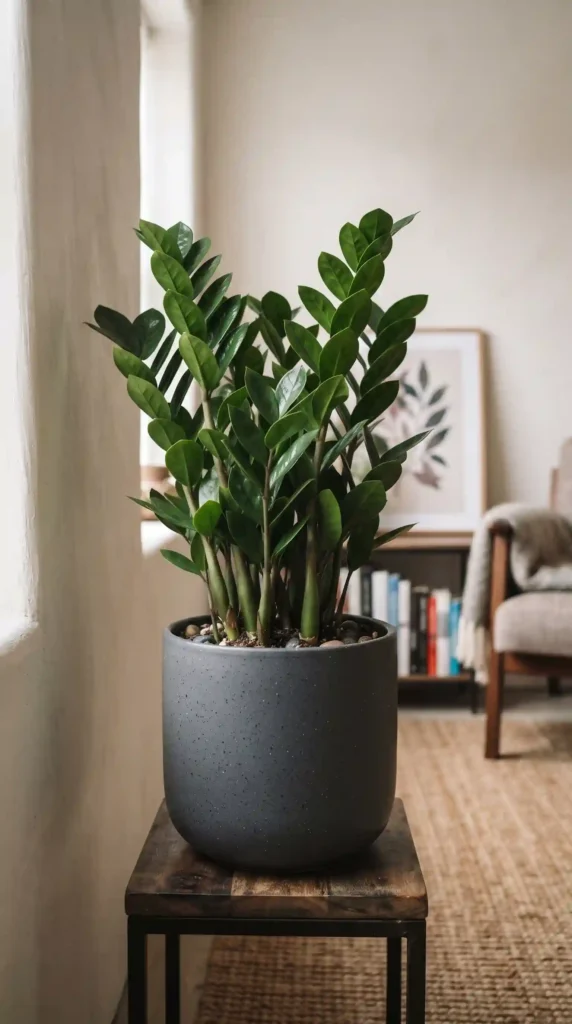
ZZ plant is another excellent option for beginners who have darker rooms or often forget to water.
Its thick stems and fleshy underground structures help it store water, allowing it to handle periods of dryness.
ZZ plants can tolerate low light, although growth may be slower than it would be in brighter conditions.
Water only when the soil has dried appropriately. Too much water is more likely to cause problems than occasional dryness.
Its glossy foliage also makes it an attractive choice for modern offices and living rooms.
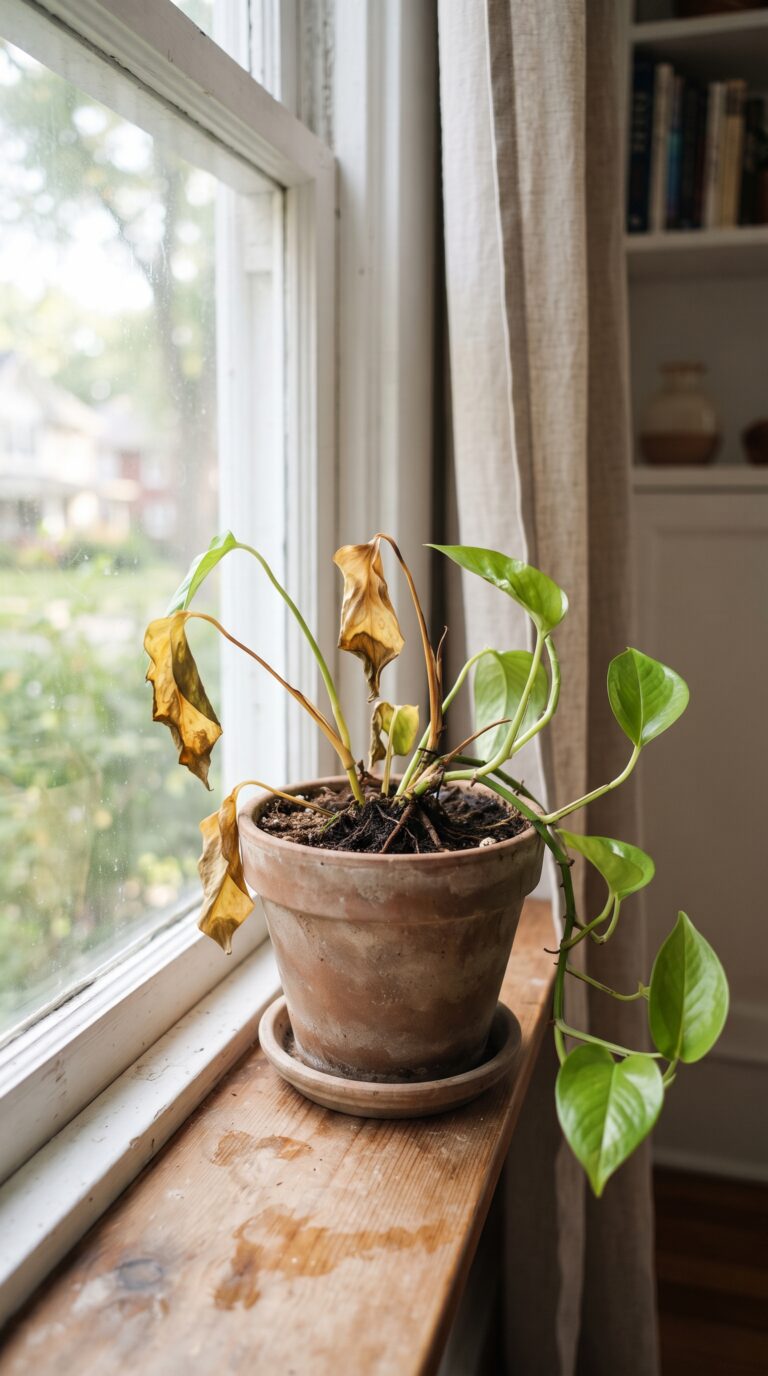
3. Pothos
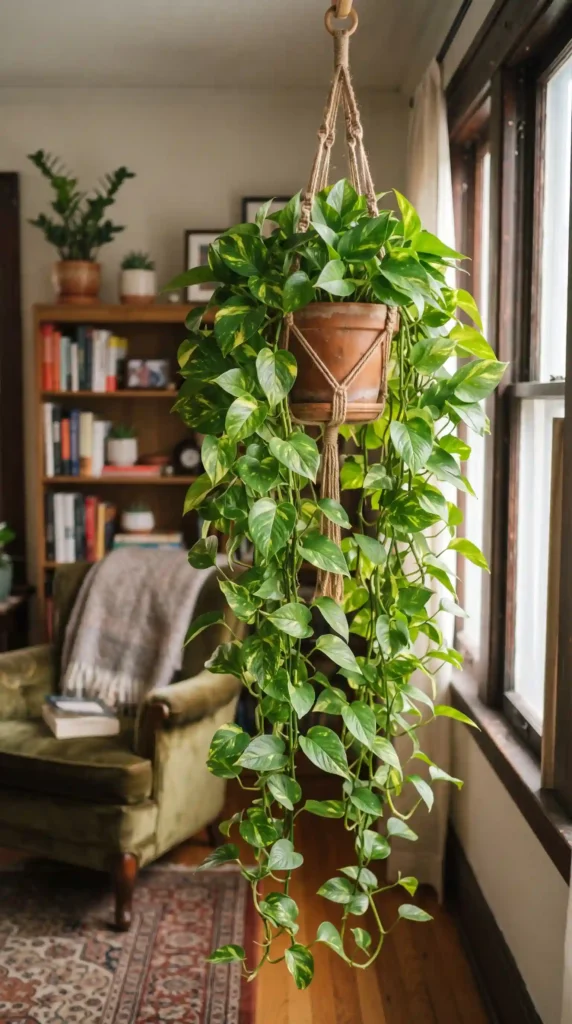
Pothos is a forgiving trailing plant that can adapt to many indoor environments.
It can tolerate lower light and works beautifully on shelves, cabinets, plant stands, and hanging baskets.
Bright indirect light can help maintain stronger growth and attractive variegation in some varieties.
Allow the soil to dry somewhat between waterings. If the vines become too long, trim them to maintain the shape you prefer.
Pothos is especially useful for beginners who want a plant that grows visibly and can be easily propagated.
4. Chinese Evergreen
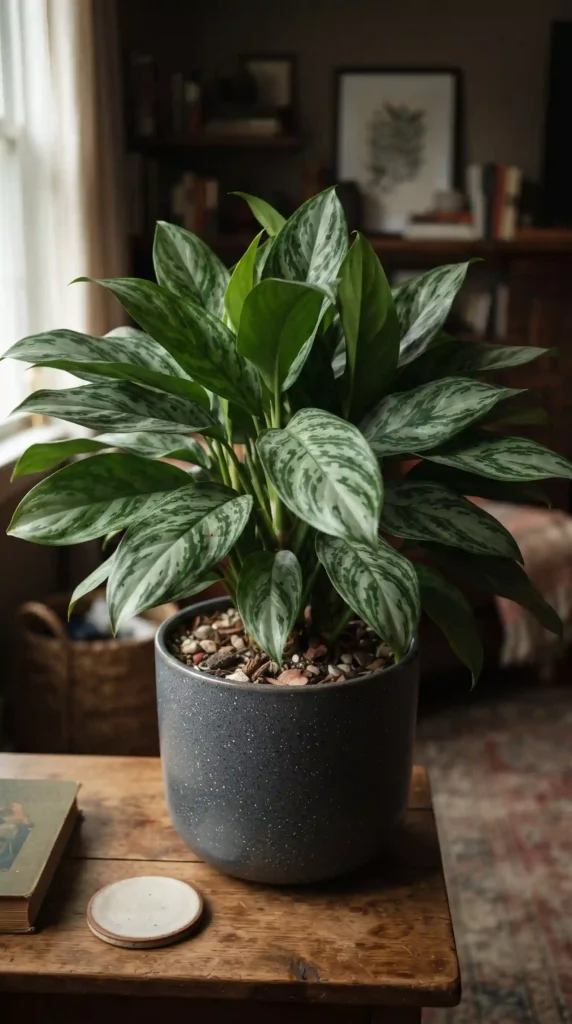
Chinese evergreen is known for its attractive foliage and ability to tolerate lower-light indoor conditions.
Different varieties feature shades of green, silver, cream, or patterned leaves.
It generally prefers indirect light and moderate moisture. Avoid keeping the soil constantly wet.
Chinese evergreen can work well in bedrooms, offices, living rooms, and other areas where bright sunlight is limited.
Choose a location away from harsh direct sunlight if the variety is sensitive to leaf scorch.
5. Cast Iron Plant
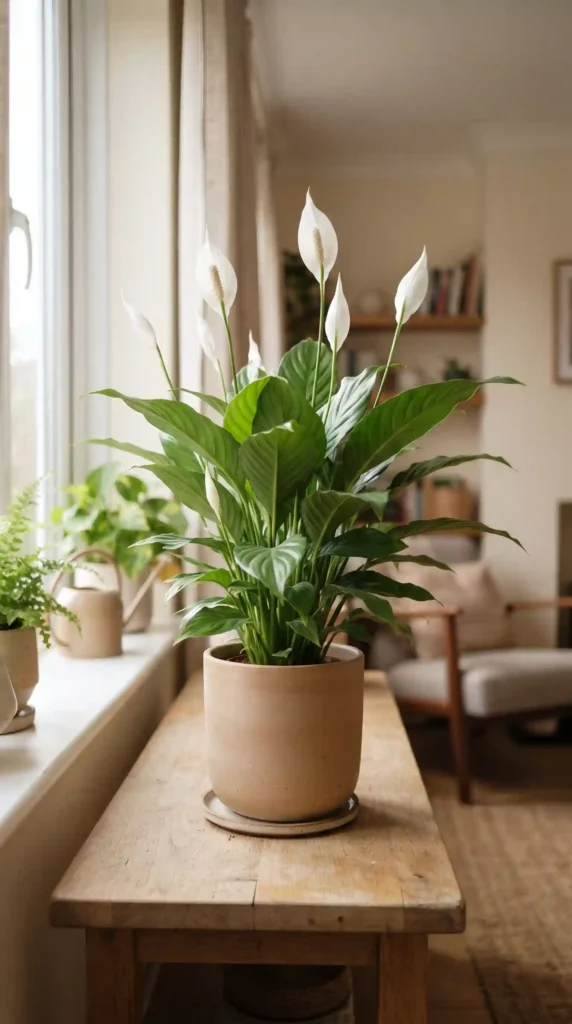
The cast iron plant has a reputation for being extremely tough.
It can tolerate lower light, occasional neglect, and a range of indoor conditions better than many delicate houseplants.
Its broad green leaves create a lush appearance and can brighten a darker corner.
Growth may be slow, especially in low light, but that does not necessarily indicate a problem.
Water when the soil begins to dry appropriately and avoid constantly wet conditions.
6. Heartleaf Philodendron
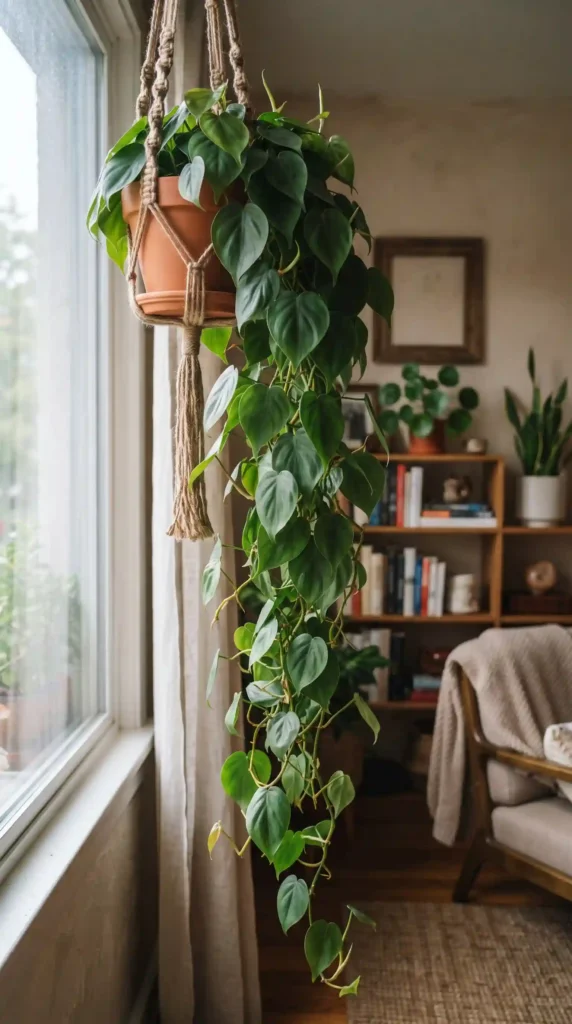
Heartleaf philodendron is a beginner-friendly plant with attractive heart-shaped leaves and trailing stems.
It can tolerate lower-light areas, although brighter indirect light generally encourages stronger growth.
This plant works well in hanging baskets, on shelves, or on high cabinets where its vines can trail downward.
Water according to soil moisture rather than using a strict schedule.
Regular trimming can keep the plant fuller and prevent vines from becoming too long.
7. Dracaena
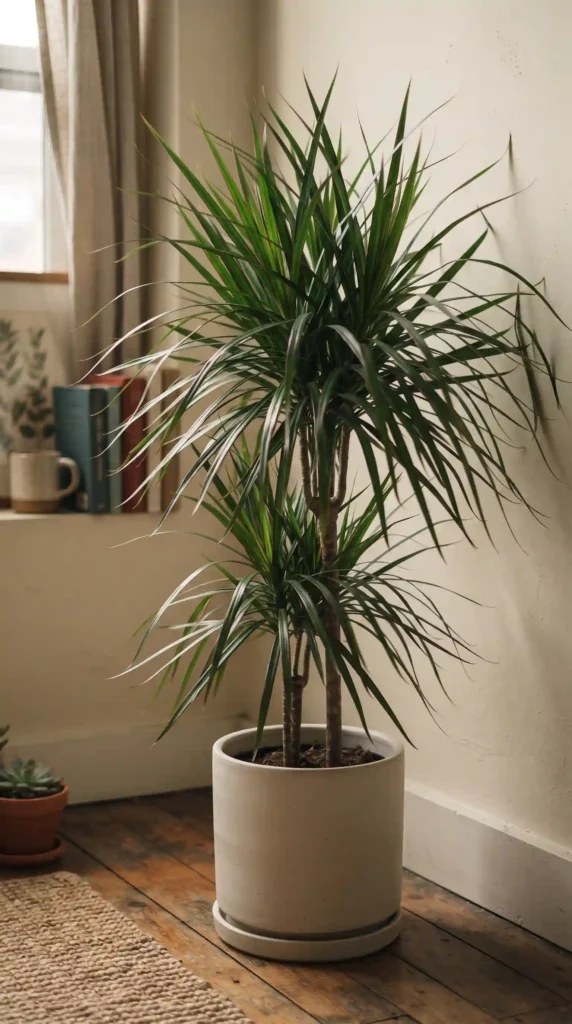
Dracaena includes several varieties that can adapt well to indoor conditions.
Many have long, narrow leaves and an upright shape, making them useful for adding height to a room.
Dracaenas can tolerate lower light, although growth may slow.
Keep the soil from remaining constantly wet and provide suitable indirect light whenever possible.
Avoid placing the plant beside heating systems or cold drafts because sudden environmental changes can damage foliage.
8. Parlor Palm
Parlor palm is a popular indoor palm that can tolerate lower-light conditions better than many other palms.
Its graceful leaves can add a tropical appearance to living rooms, bedrooms, and offices.
It generally prefers indirect light and moderate watering.
Do not keep the roots saturated. Use a container with drainage holes and check the soil before watering.
Give the plant enough space for its leaves to spread naturally.
9. Prayer Plant
Prayer plants are known for their attractive patterned leaves and interesting daily leaf movements.
They generally prefer indirect light and can tolerate moderate to lower-light conditions.
However, they can be more sensitive to dry air and inconsistent watering than plants such as snake plants or ZZ plants.
Keep the soil moderately moist without making it waterlogged and avoid placing the plant in harsh direct sunlight.
A stable indoor environment can help maintain healthy foliage.
10. Boston Fern
Boston fern can work in lower-light areas when there is still enough indirect daylight.
It is especially suitable for homes with moderate humidity.
Ferns generally prefer consistently moist soil compared with drought-tolerant plants, so they require more regular attention.
Avoid allowing the soil to become completely dry for long periods.
A humid bathroom with suitable indirect light can sometimes provide a comfortable environment for a Boston fern.
11. Lucky Bamboo
Lucky bamboo is a simple-looking plant that can be grown in water or soil.
It can tolerate lower-light indoor locations, although bright indirect light can support healthier growth.
If you grow it in water, keep the container clean and maintain a suitable water level.
If growing it in soil, use a well-draining setup and avoid excessive moisture.
Its upright stems make it a good choice for desks, shelves, and small spaces.
12. Spider Plant
Spider plants are easy to care for and can tolerate moderate indoor light conditions.
They produce long, narrow leaves and often develop small plantlets that hang from mature plants.
Bright indirect light is generally ideal, but they can adapt to somewhat lower light.
Allow the soil to dry slightly between waterings.
Spider plants can be placed in hanging baskets or on shelves where their leaves and plantlets can grow downward.
13. Rubber Plant
Rubber plants can adapt to indoor conditions, although they generally perform better with brighter indirect light.
They can tolerate some lower light, but very dark locations may result in slow growth.
Their large glossy leaves make them excellent decorative plants for living rooms and offices.
Water when the soil has dried appropriately and avoid leaving the roots in standing water.
If possible, place a rubber plant near a bright window where it receives filtered or indirect light.
14. Peacock Plant
Peacock plant is another attractive foliage option for indoor gardeners who want patterned leaves.
It generally prefers indirect light and higher humidity.
Avoid strong direct sunlight because delicate leaves can become damaged.
Keep the soil appropriately moist without allowing water to remain around the roots.
This plant may require more attention than a snake plant or ZZ plant, but its decorative foliage can make the extra care worthwhile.
15. English Ivy
English ivy can be grown indoors as a trailing plant and can add a natural look to shelves and hanging containers.
It generally prefers bright, indirect light but can tolerate some lower-light conditions.
Good airflow is helpful, especially when the plant is kept in a humid environment.
Water when the soil begins to dry and avoid keeping it constantly saturated.
Check regularly for pests because dense trailing growth can sometimes make insects harder to notice.
Best Low-Light Plants for Beginners
If you are completely new to houseplants, start with varieties that are especially forgiving.
Some easy options include:
- Snake plant
- ZZ plant
- Pothos
- Cast iron plant
- Chinese evergreen
- Heartleaf philodendron
These plants are generally more tolerant of lower light and occasional care mistakes than many sensitive houseplants.
Low-Light Plants for Bedrooms
Bedrooms often have limited space and may not receive strong sunlight.
Snake plants, ZZ plants, pothos, and heartleaf philodendrons can work well in suitable bedroom locations.
Place plants where they will not be knocked over and keep them away from heating or cooling vents.
Remember that plants should not be used as a replacement for proper room ventilation.
Low-Light Plants for Offices
Offices can be excellent places for hardy indoor plants.
ZZ plants, snake plants, Chinese evergreen, dracaena, and parlor palms can add greenery without requiring constant attention.
If your desk is far from a window, check whether the plant is receiving enough light.
Very dark offices may require an appropriate grow light to keep plants healthy over the long term.
Low-Light Plants for Small Apartments
Small apartments can still support a wide variety of indoor plants.
Choose plants that use vertical space or can grow from shelves.
Snake plants take up little floor space, while pothos and heartleaf philodendrons can trail from elevated locations.
Hanging baskets can also help you create a green display without sacrificing valuable floor area.
How Much Water Do Low-Light Plants Need?
Low-light plants do not automatically need less water, but their soil may dry more slowly because lower light can reduce growth and evaporation.
This means overwatering can become a common problem.
Always check the soil before watering.
If the soil remains wet for a long time, wait before watering again. If it has dried to the level appropriate for your particular plant, water thoroughly and allow excess water to drain.
Why Drainage Is Important
Good drainage is essential for nearly all container-grown houseplants.
Low light combined with constantly wet soil can create stressful conditions for roots.
Use containers with drainage holes and a suitable potting mix.
If you place a nursery pot inside a decorative container, make sure excess water can be removed after watering.
Signs Your Plant Is Not Getting Enough Light
Plants can show several signs when light is insufficient.
These may include:
- Slow growth
- Long, weak stems
- Smaller new leaves
- Loss of variegation
- Pale or weak-looking foliage
- Leaves turning toward the nearest light source
Move the plant gradually toward a brighter location if possible.
Do not suddenly place a plant that has been in low light under intense direct sunlight because sudden exposure can damage its leaves.
Can Plants Grow in a Windowless Room?
A completely windowless room provides little or no natural light, so most green plants will eventually struggle without another light source.
An appropriate artificial grow light can provide the light plants need.
If you do not want to use a grow light, consider moving plants between the darker room and a brighter area.
Common Mistakes With Low-Light Houseplants
Choosing a low-light plant does not mean you can ignore its care requirements.
Avoid:
- Keeping plants in complete darkness
- Watering too frequently
- Using pots without drainage
- Placing plants next to heaters
- Overfertilizing
- Moving plants suddenly into strong sunlight
- Ignoring pests
- Using the same watering schedule for every plant
Understanding the specific needs of each variety will help you avoid many problems.
How to Keep Low-Light Plants Healthy
A simple care routine can keep your indoor plants looking good.
Check the soil regularly, inspect leaves for pests, and monitor the amount of light the plant receives.
Clean dusty leaves gently when needed.
Rotate plants occasionally if they receive light mainly from one direction.
Do not make several major changes at once. If a plant begins struggling, identify the most likely problem and make gradual adjustments.
Best Way to Arrange Low-Light Plants
You can create an attractive indoor garden by combining plants with different shapes and heights.Use taller snake plants or dracaenas in corners. Place pothos and philodendrons on shelves where their vines can trail downward. Smaller plants such as spider plants can sit on desks or cabinets.Keep enough space between plants for air circulation and easy maintenance.
Final Thoughts
The 15 best low-light indoor plants for beginners offer plenty of choices for homes and offices where bright sunlight is limited. Snake plants, ZZ plants, pothos, Chinese evergreen, cast iron plants, philodendrons, dracaenas, parlor palms, and other hardy varieties can add attractive greenery to darker indoor spaces.
The key is to understand that low-light plants still need some light. They may tolerate less sunlight than other varieties, but complete darkness is not suitable for long-term growth.
Choose plants based on the actual conditions in your home, use proper drainage, avoid overwatering, and monitor your plants regularly. With a little attention and the right plant choices, even rooms with limited natural light can become beautiful and welcoming green spaces.