How to Build a Pet-Friendly Garden: Dog-Safe Plants & Layout
A garden can be a wonderful place for your dog to explore, play, relax, and enjoy the outdoors. But a beautiful garden is not automatically a pet-friendly garden. Some common ornamental plants can be harmful if pets chew or eat them, while sharp landscaping materials, fertilizers, pesticides, ponds, and unsecured gates can create additional hazards.
The good news is that you can design an attractive outdoor space that is also safer for your four-legged family members. By choosing appropriate plants, creating dedicated play areas, and avoiding unnecessary hazards, you can build a garden that works for both people and pets.
What Is a Pet-Friendly Garden?
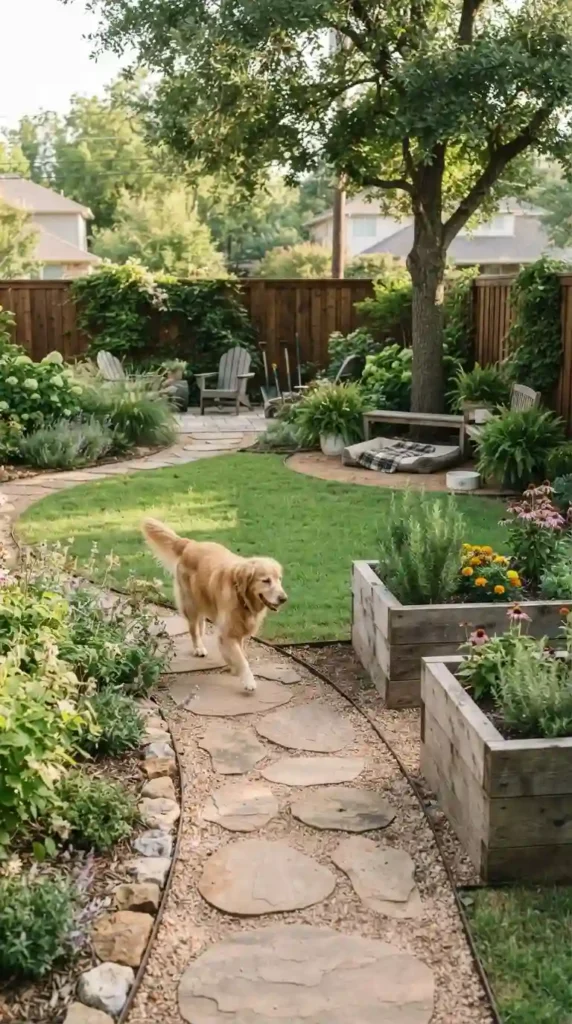
A pet-friendly garden is an outdoor space designed with your animal’s safety and behavior in mind.
For dogs, this can mean providing enough room to move around, using sturdy plants that can tolerate some activity, avoiding known toxic plants, securing boundaries, and keeping potentially dangerous garden products out of reach.
The goal isn’t to create a completely risk-free environment. Instead, it is to reduce preventable hazards while giving your pet a comfortable place to explore.
Start With a Safe Garden Layout
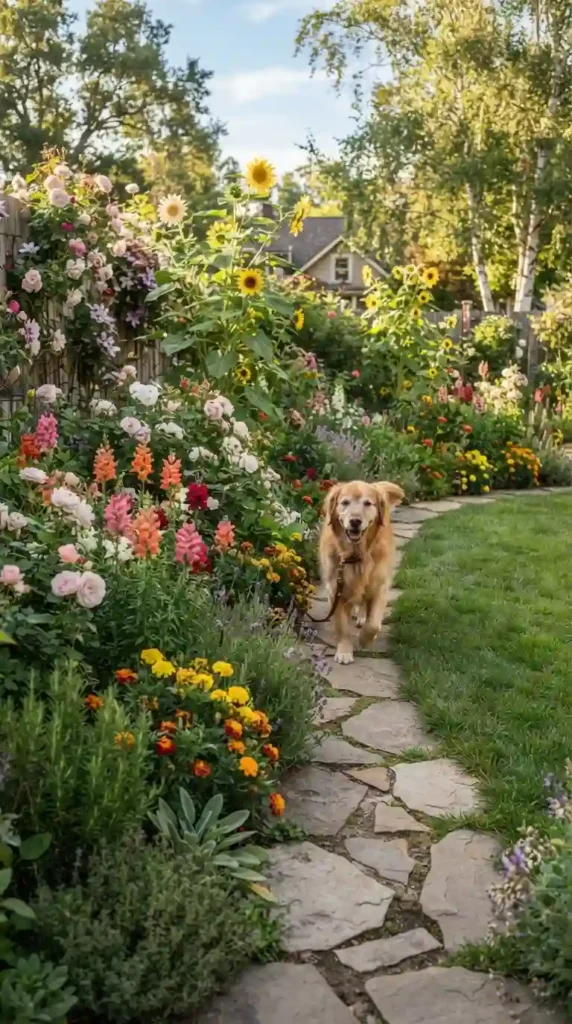
Before choosing plants, think about how your dog actually uses the yard.
Does your dog like running? Digging? Chasing insects? Sitting in the shade? Following the same path around the garden?
Understanding these habits can help you create a practical layout.
Consider dividing your garden into several areas:
- Play zone: An open area for running and games
- Planting zone: Flower beds and shrubs protected from heavy traffic
- Relaxation zone: A shaded area for resting
- Pathways: Routes that allow easy movement through the yard
- Pet-access zone: An area where your dog can safely explore
This approach helps prevent your entire garden from becoming a high-traffic area.
Choose Dog-Safe Plants Carefully
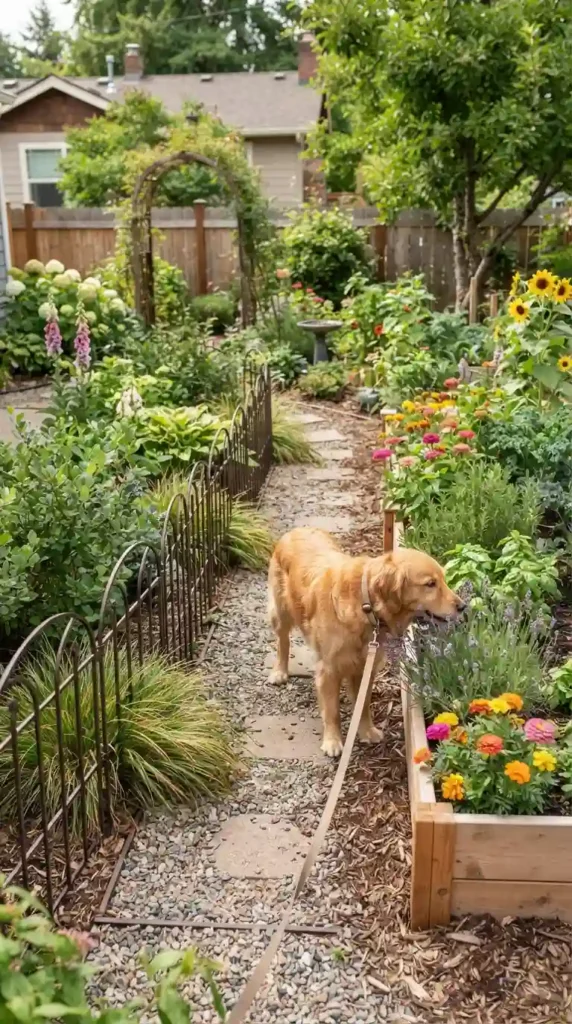
Plant selection is one of the most important parts of creating a dog-friendly garden.
Some plants can cause mild digestive problems, while others can be seriously poisonous. Before adding a new plant, check its toxicity specifically for dogs using a reliable veterinary or poison-control resource.
Plants commonly used in pet-conscious landscapes may include options such as:
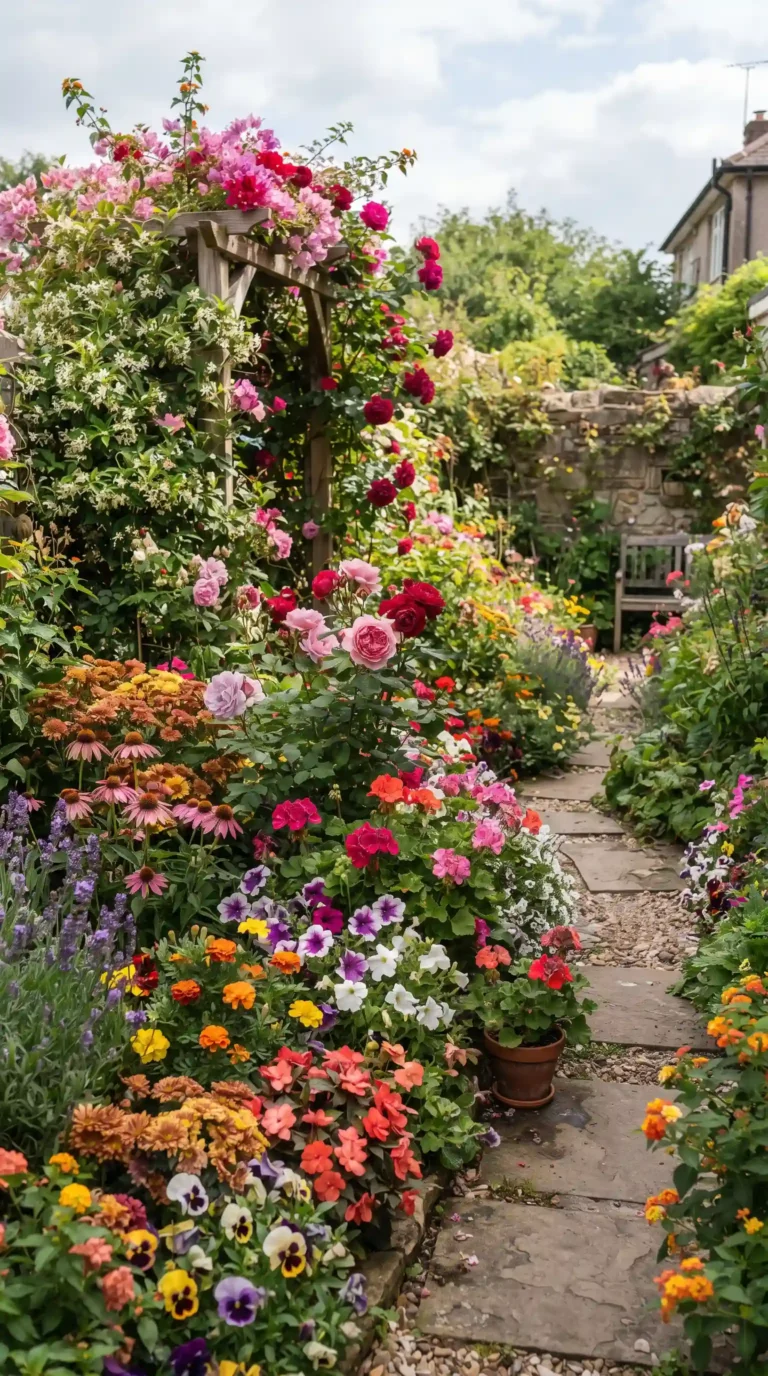
Sunflowers
Sunflowers are popular because they provide bright flowers and are generally considered non-toxic to dogs. They can also add height and color to a garden.
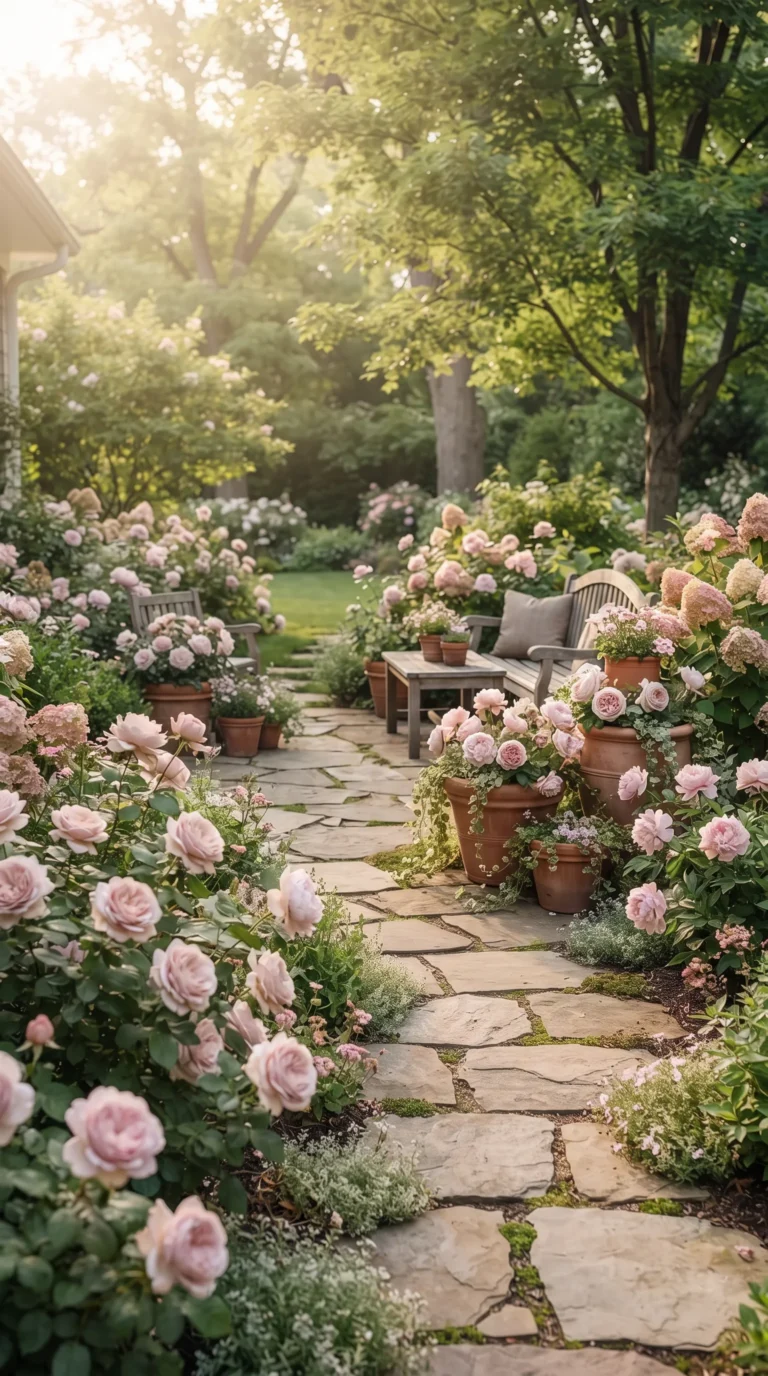
Roses
Roses can work well in dog-friendly gardens, although their thorns mean you should position them away from areas where dogs frequently run.
Snapdragons
Snapdragons provide colorful flowers and are commonly included on lists of plants considered non-toxic to dogs.
Marigolds
Certain marigold varieties can be suitable for pet-friendly gardens, but identification matters because common names can refer to different plants.
Herbs
Some culinary herbs can be useful additions to a garden, but don’t assume every herb is safe for pets. Check each species before planting.
Important: “Non-toxic” does not mean a plant should be eaten freely. Any plant material can potentially cause stomach upset if consumed in large quantities.
Plants to Avoid or Check Carefully
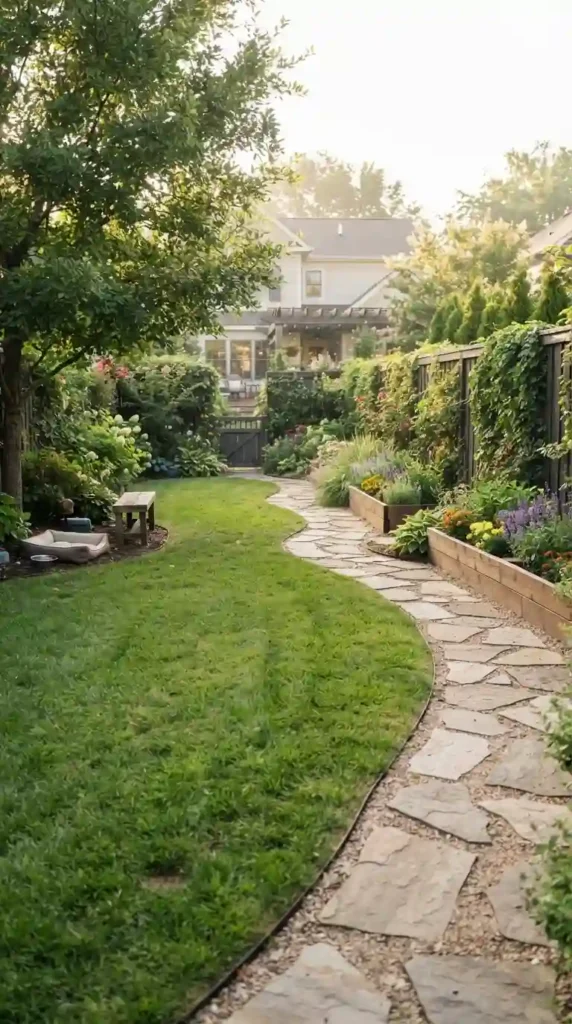
Some familiar garden plants can be dangerous to dogs.
Examples of plants that require particular caution include:
- Oleander
- Sago palm
- Azaleas and rhododendrons
- Lily-of-the-valley
- Certain lilies and bulbs
- Foxglove
- Autumn crocus
- Some mushrooms and fungi
The exact risk depends on the species and the part of the plant consumed.
Because plant toxicity can vary, don’t rely solely on a random online plant list. Verify plants before purchasing them, especially if your dog is a curious chewer.
If you suspect your pet has eaten a potentially toxic plant, contact your veterinarian or an appropriate animal poison-control service promptly.
Create a Dedicated Dog Play Area
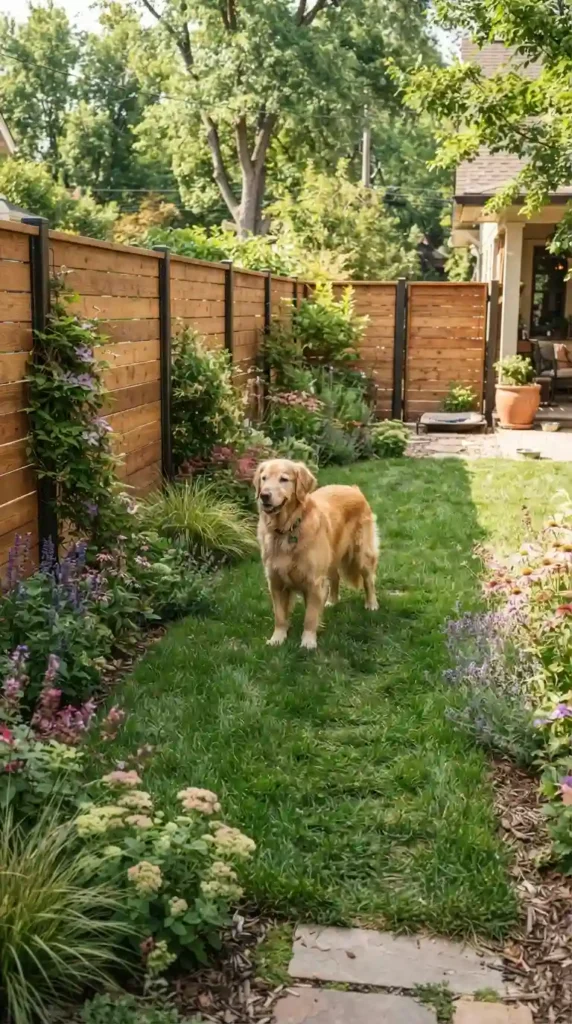
If your garden has enough space, consider creating an open play area specifically for your dog.
A lawn or suitable ground surface can provide space for:
- Fetch
- Running
- Training
- Interactive games
- Relaxation
Keeping this space separate from delicate flower beds can protect both your plants and your pet.
If your dog loves digging, consider creating a designated digging area. A small sand or soil section can give your dog an appropriate place to dig while reducing damage to other parts of the garden.
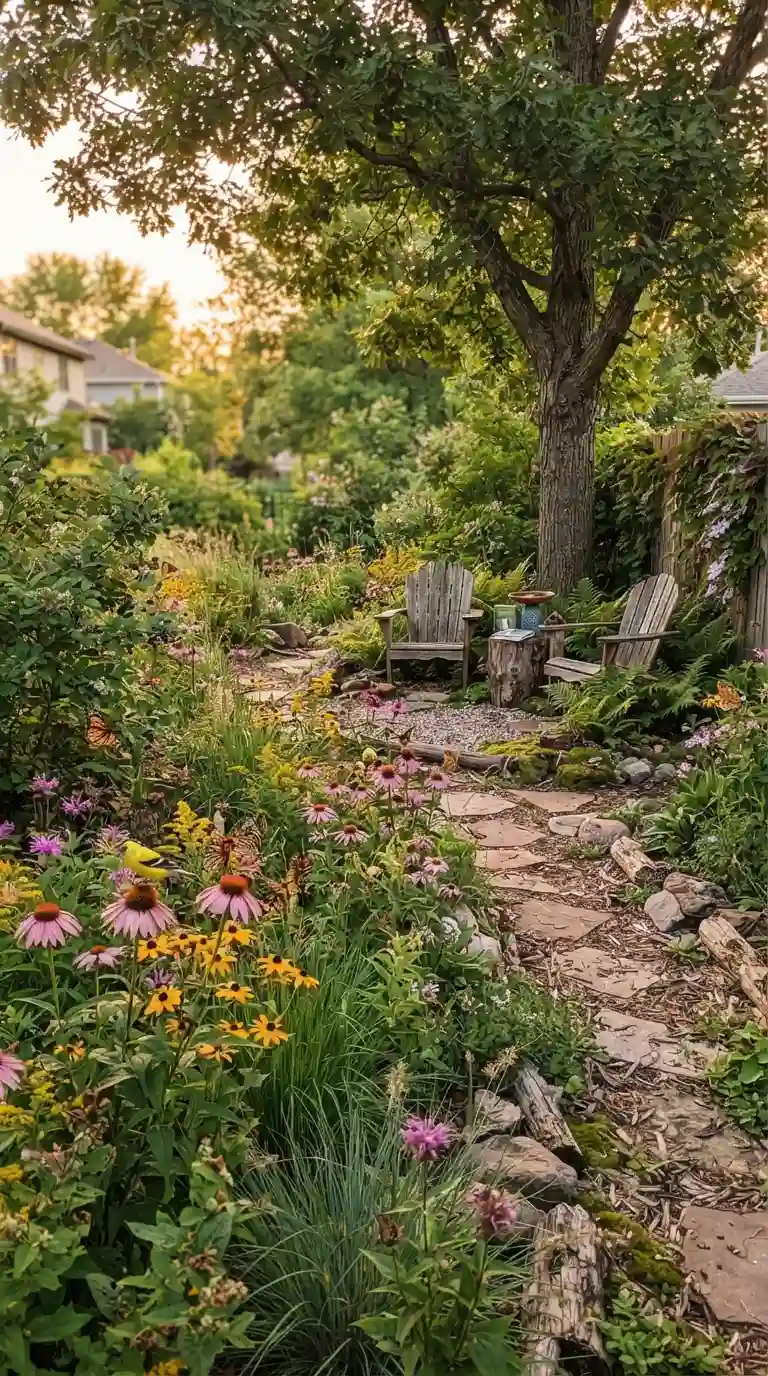
Use Pet-Friendly Garden Paths
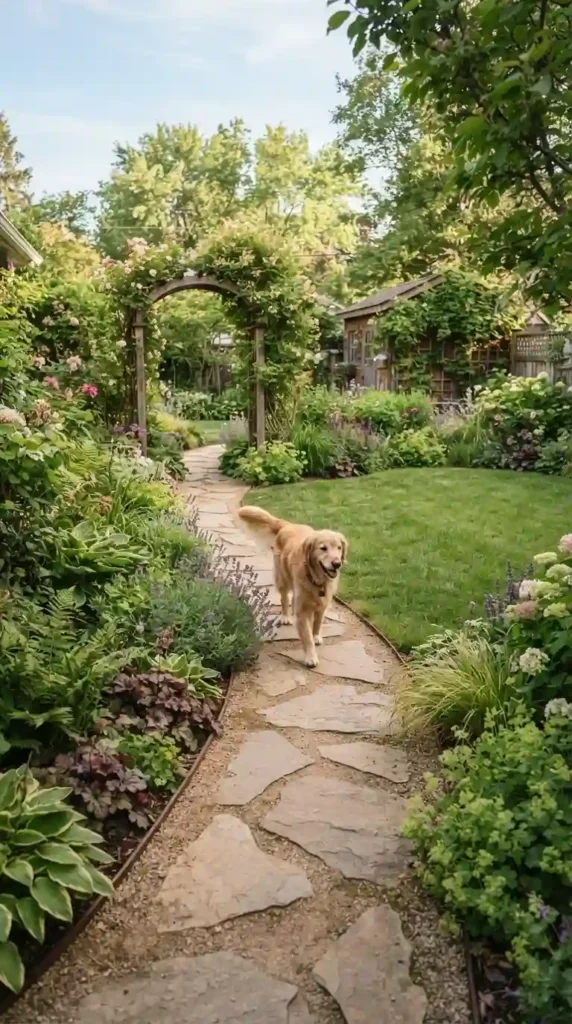
Garden paths can help guide your dog’s movement and protect planted areas.
Avoid materials that can become extremely hot, sharp, or unstable.
Smooth, appropriately installed paving and natural surfaces can be easier for dogs to navigate. Check surfaces during hot weather because materials that are comfortable for humans can become dangerously hot for paws.
Also avoid leaving exposed nails, sharp metal, broken pots, or other objects in areas accessible to your dog.
Provide Shade and Water
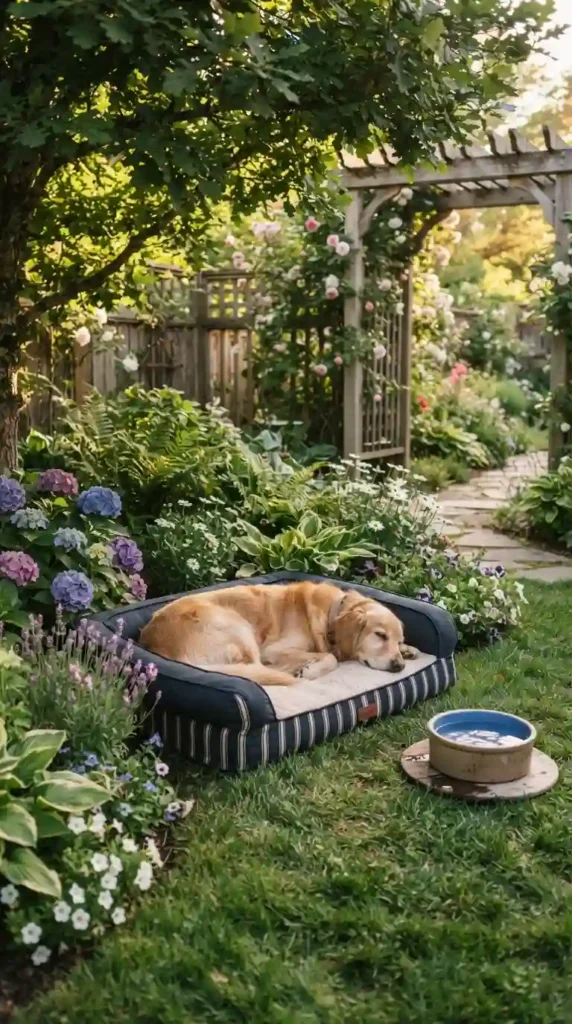
Dogs need access to a comfortable place away from direct sunlight.
Trees, pergolas, shade structures, or appropriately positioned outdoor shelters can provide relief during warm weather.
Always provide fresh drinking water when your dog spends time outside.
During particularly hot weather, remember that shade alone may not be enough. Heat can become dangerous quickly, especially for older dogs, puppies, and breeds that are more vulnerable to overheating.
Be Careful With Fertilizers and Pesticides
Garden chemicals can pose another risk.
Fertilizers, herbicides, insecticides, slug pellets, and other garden products should be stored securely and used strictly according to their labels.
Don’t allow your dog into treated areas until the product instructions indicate that it is safe to do so.
If possible, consider integrated pest-management techniques that reduce unnecessary chemical use.
Never assume that a product is safe simply because it is marketed as “natural.” Natural substances can still be harmful to animals.
Avoid Cocoa-Based Mulch
Mulch can make garden beds look neat and help conserve soil moisture, but not every type is appropriate around dogs.
Cocoa mulch deserves particular attention because it can contain theobromine, the same compound that makes chocolate dangerous to dogs.
Instead, investigate alternative mulches that are appropriate for your landscape and pet situation.
Keep any mulch material from becoming something your dog regularly eats.
Secure Fences and Gates
A beautiful garden won’t be very useful if your dog can escape it.
Inspect fences regularly for:
- Gaps underneath
- Broken boards
- Loose panels
- Damaged gates
- Areas where your dog can climb
- Weak spots created by digging
Choose a fence appropriate for your dog’s size, strength, and behavior.
If your dog is a persistent digger, reinforce the lower section of the fence or use a designated digging area to reduce escape attempts.
Avoid Standing Water Hazards
Ponds, pools, water features, and containers can create safety concerns.
If you have a pond or pool, consider appropriate barriers and safe access. Don’t assume every dog can swim well.
Small containers should also be monitored so they don’t become stagnant or attract unwanted insects.
Design a Garden That Can Handle Dogs
Even dog-safe plants may not survive constant running, digging, or chewing.
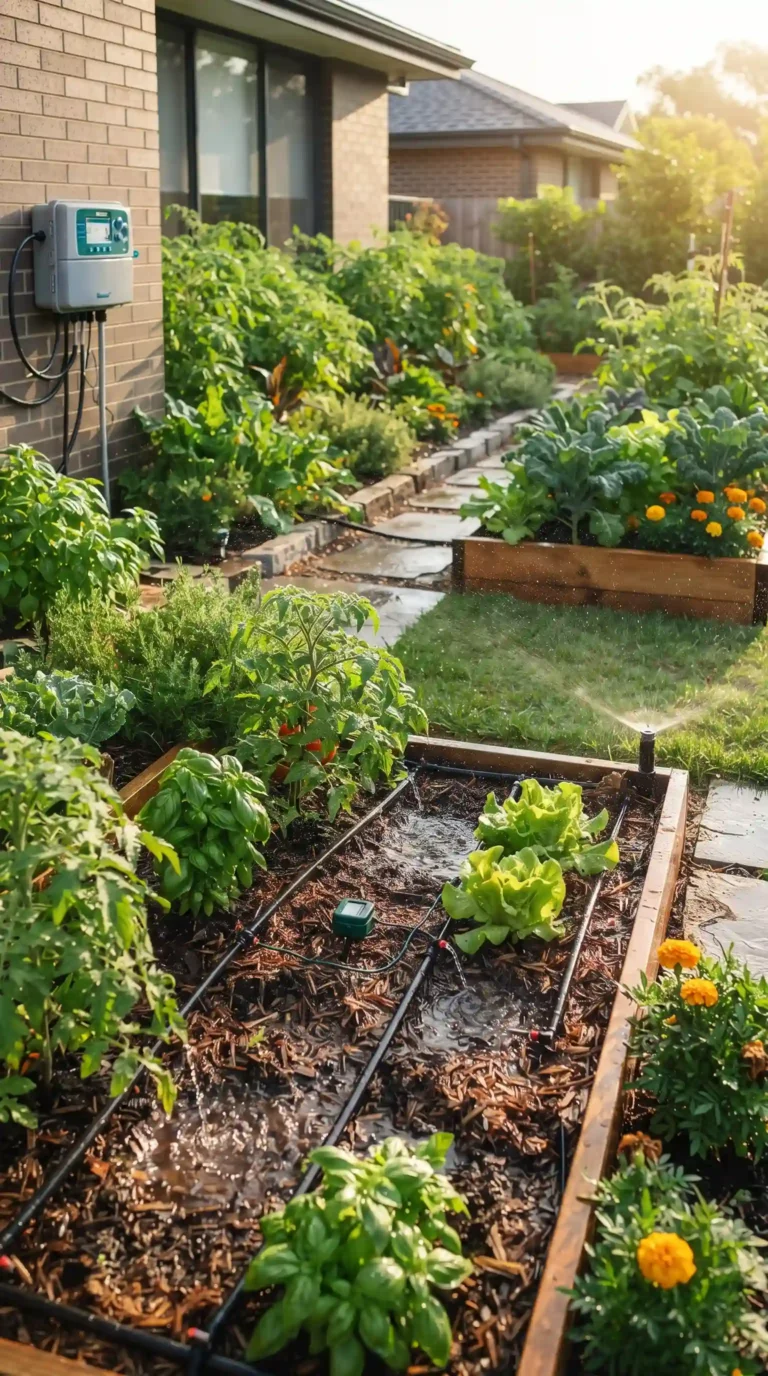
Choose sturdy plants appropriate for your local climate and place delicate specimens behind barriers or in raised beds.
Raised planters can be particularly useful because they separate vulnerable plants from curious pets.
You can also use decorative edging to establish a visual boundary between paths and planting areas. Make sure the edging itself does not contain sharp or easily broken materials.
A Simple Pet-Friendly Garden Checklist
Before letting your dog explore the garden, check:
- Are potentially toxic plants removed or inaccessible?
- Are fertilizers and pesticides stored securely?
- Is the fence secure?
- Does your dog have access to shade?
- Is fresh water available?
- Are pathways free of sharp objects?
- Are garden chemicals used according to their labels?
- Is there a safe play area?
- Are ponds and pools properly secured?
- Are delicate plants protected from heavy traffic?
Regular inspections can help you identify new hazards as your garden changes.
Final Thoughts
Building a pet-friendly garden doesn’t mean sacrificing style. With careful planning, you can combine attractive plants, comfortable outdoor spaces, and practical safety features.
Start by understanding your dog’s habits, then divide the yard into useful zones. Choose plants carefully, protect delicate beds, provide shade and water, secure fences, and keep potentially hazardous garden products out of reach.
Most importantly, remember that plant toxicity can be species-specific and that even generally safe plants can cause problems when eaten in large quantities. When you’re unsure about a plant, verify it with a trusted veterinary or poison-control resource before adding it to your yard.
With thoughtful dog-safe garden design, your outdoor space can become a place where both your plants and your pets can thrive.