Top 10 Medicinal Herb Garden Essentials
Growing a medicinal herb garden can be a rewarding way to connect with plants and learn how different herbs have been traditionally used. A small garden does not need to be complicated. With the right plants, suitable soil, enough sunlight, and basic gardening tools, beginners can create a useful herb-growing space at home.
The top 10 medicinal herb garden essentials include popular herbs such as peppermint, chamomile, lavender, rosemary, sage, lemon balm, thyme, calendula, ginger, and echinacea. These plants have different traditional uses, growing requirements, and levels of evidence behind their potential health effects.
It is important to understand that “medicinal” does not automatically mean safe or proven to treat a disease. Some herbs can interact with medicines, cause allergies, or be unsuitable for certain people. A home herb garden should therefore be viewed as a way to grow useful plants—not as a replacement for professional medical care.
Why Grow a Medicinal Herb Garden?
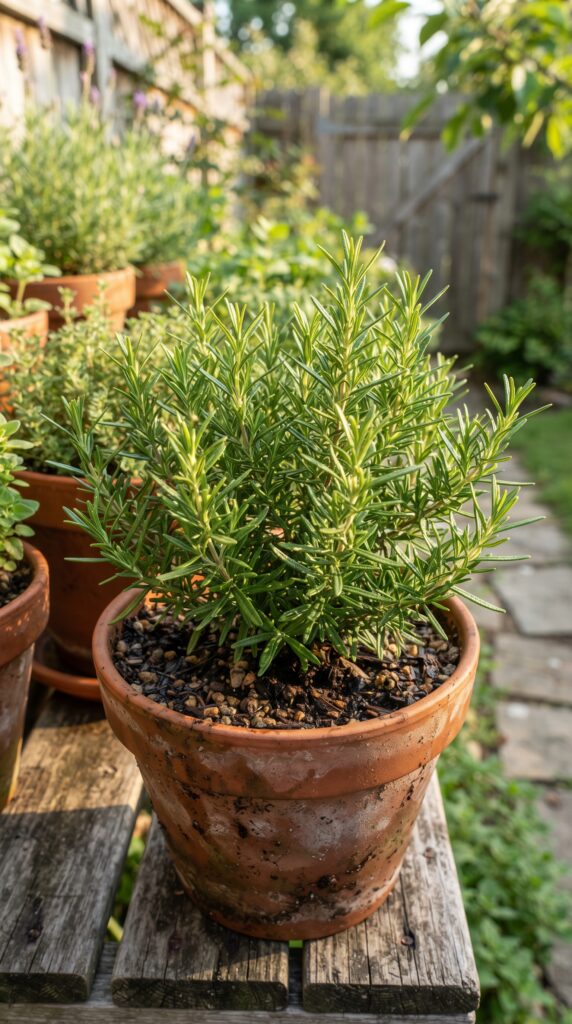
A medicinal herb garden can provide fresh herbs for culinary use, traditional herbal preparations, fragrance, and general gardening enjoyment.
Growing your own herbs also lets you control how the plants are cultivated. You can learn when each plant flowers, how it should be harvested, and how to dry or store suitable plant material.
A home herb garden can provide:
- Fresh aromatic herbs
- Ingredients for herbal teas
- Culinary herbs
- Fragrant flowers and leaves
- Plants that attract pollinators
- A learning opportunity for beginners
- Dried herbs for appropriate household use
The goal should be to grow plants responsibly and understand their limitations.
1. Peppermint
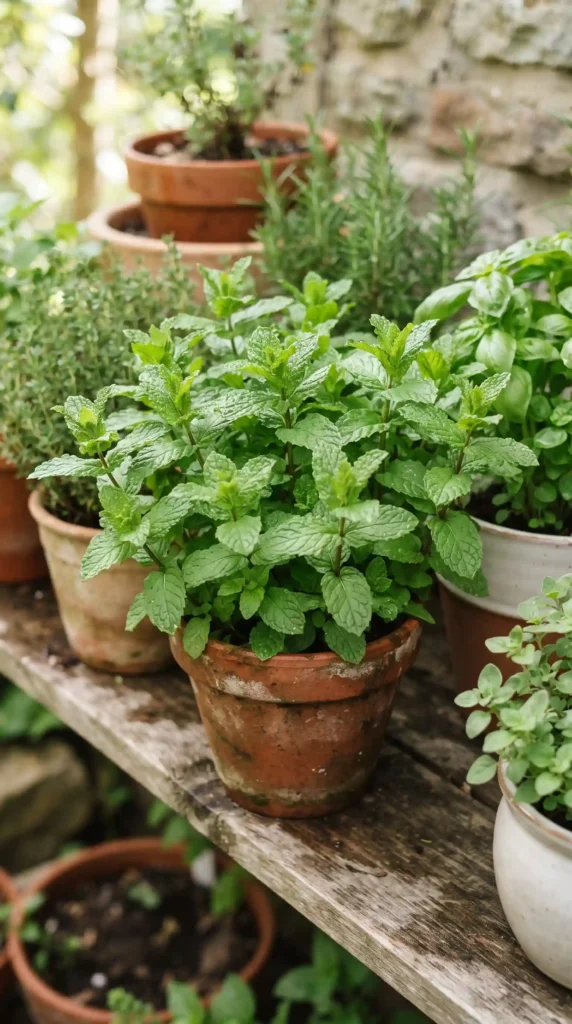
Peppermint is one of the most recognizable herbs in a medicinal herb garden. Its cool, refreshing aroma makes it popular for teas and culinary preparations.
Peppermint grows vigorously when conditions are suitable and can spread quickly. For this reason, growing it in a container is often easier than planting it directly in the ground.
The leaves can be harvested throughout the growing season and dried for later use.
Peppermint is traditionally used in preparations for digestive discomfort, although peppermint products are not appropriate for everyone. Concentrated peppermint oil is different from ordinary culinary quantities and should be handled carefully.
2. Chamomile
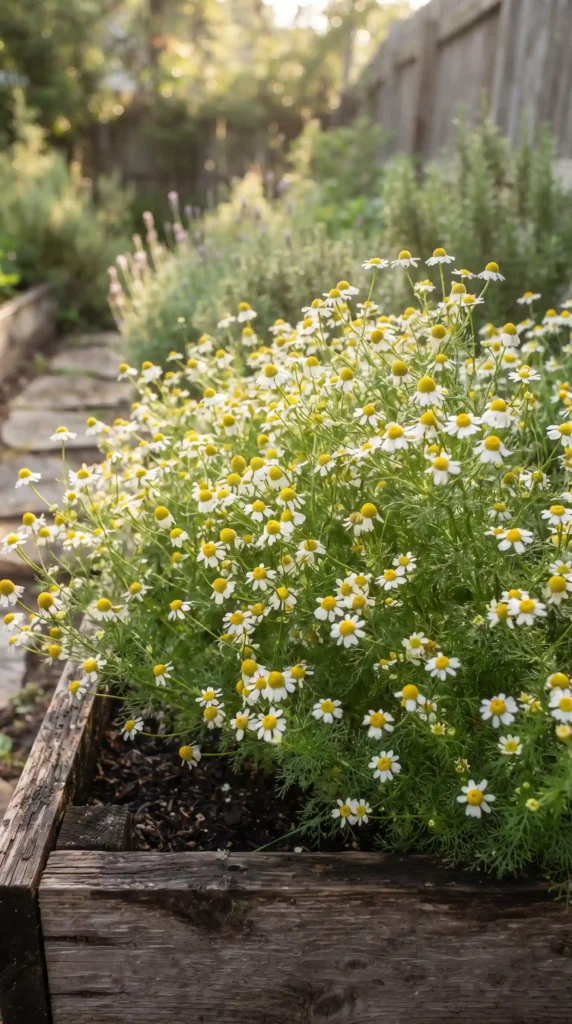
Chamomile is valued for its small, daisy-like flowers and gentle aroma. It is commonly grown for herbal tea and is one of the classic plants associated with home herbal gardens.
Chamomile generally prefers sunlight and well-drained soil. Its flowers should be harvested at the appropriate stage and dried carefully if they are intended for storage.
Chamomile tea is commonly consumed as a relaxing beverage, but people with allergies to plants in the daisy family may need to exercise caution.
Growing chamomile also adds attractive flowers to the garden and can provide a useful source of nectar for pollinators.
3. Lavender
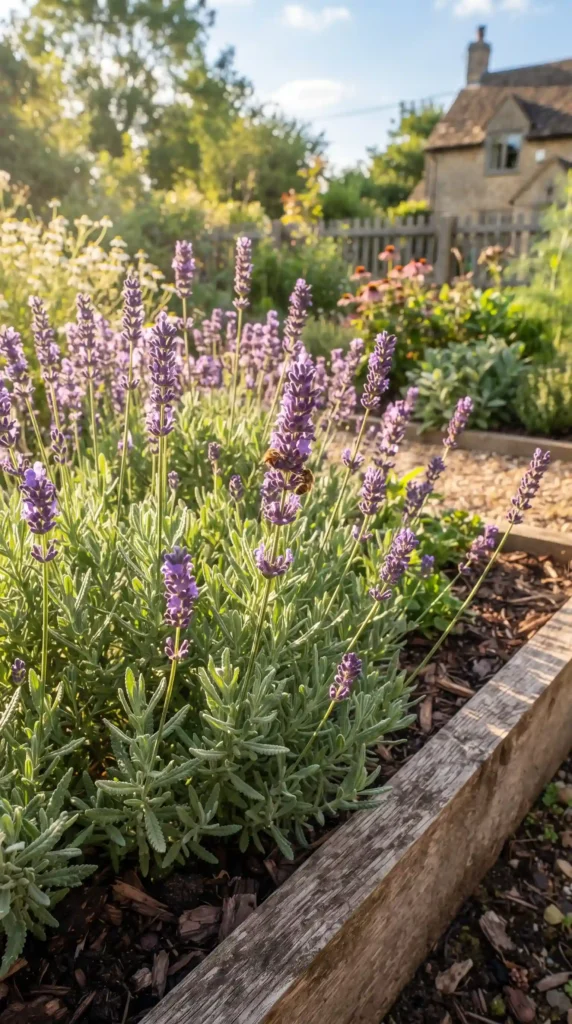
Lavender is a popular herb for gardens because it combines attractive flowers with a strong natural fragrance.
Its purple flower spikes can be used for decorative and aromatic purposes, while some varieties are also used in culinary preparations.
Lavender generally performs best in sunny locations with excellent drainage. Overwatering is a common problem, particularly when lavender is planted in heavy soil.
For a medicinal herb garden, lavender can provide both visual appeal and fragrance without requiring a large amount of garden space.
4. Rosemary
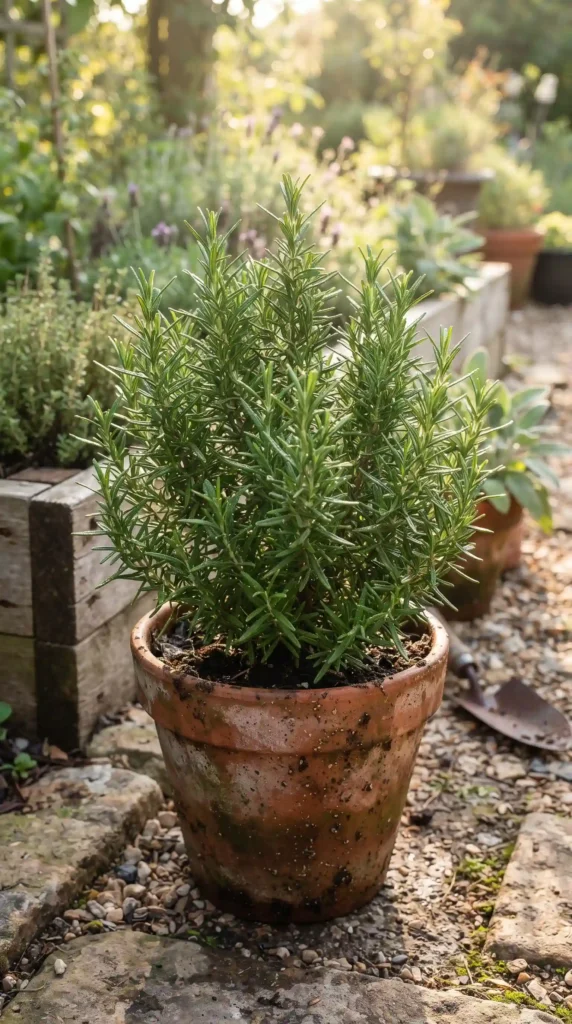
Rosemary is a hardy aromatic herb that can be useful in both culinary and traditional herbal gardens.
Its needle-like leaves have a strong fragrance and are commonly used in cooking. The plant can grow into a long-lived shrub in suitable climates.
Rosemary prefers plenty of sunlight and well-drained soil. Allowing excess water to drain away is important because constantly wet roots can lead to problems.
Harvest small amounts regularly and dry suitable leaves for storage.
Although rosemary has been studied for various potential health effects, culinary use should not be confused with proven medical treatment.
5. Sage
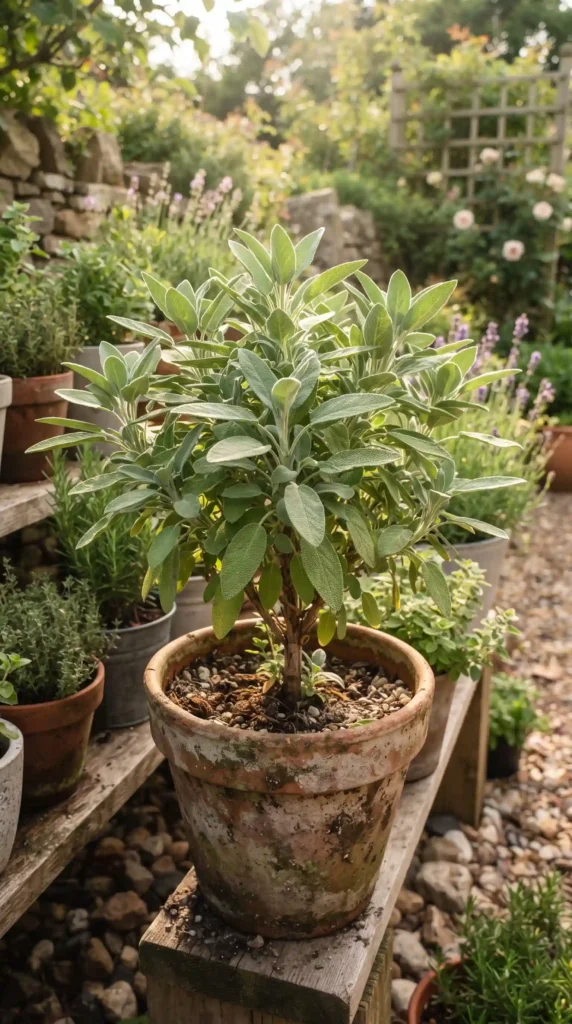
Sage is another traditional herb with a long history of culinary and herbal use.
Its textured leaves have a strong flavor and can be used in cooking, teas, and traditional preparations.
Sage generally prefers sunlight and relatively well-drained soil. Avoid keeping the roots constantly wet.
Regular harvesting can encourage fresh growth, but avoid removing too much plant material at once.
As with other medicinal herbs, concentrated sage preparations may have different safety considerations than normal culinary use.
6. Lemon Balm
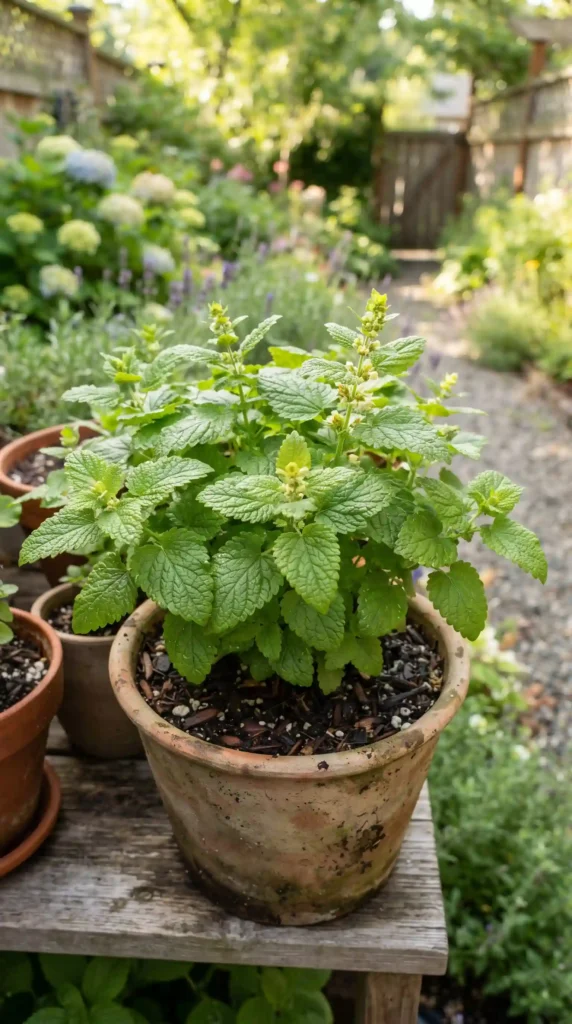
Lemon balm is a fragrant herb from the mint family. When the leaves are rubbed, they release a pleasant lemon-like scent.
It is commonly grown for herbal tea and traditional preparations. The plant is also attractive to gardeners who want fragrant foliage without needing a large garden.
Lemon balm can spread quickly, so containers may be useful when garden space is limited.
Harvest healthy leaves before or around flowering for a strong supply of fresh plant material, then dry them if you want to store them.
7. Thyme
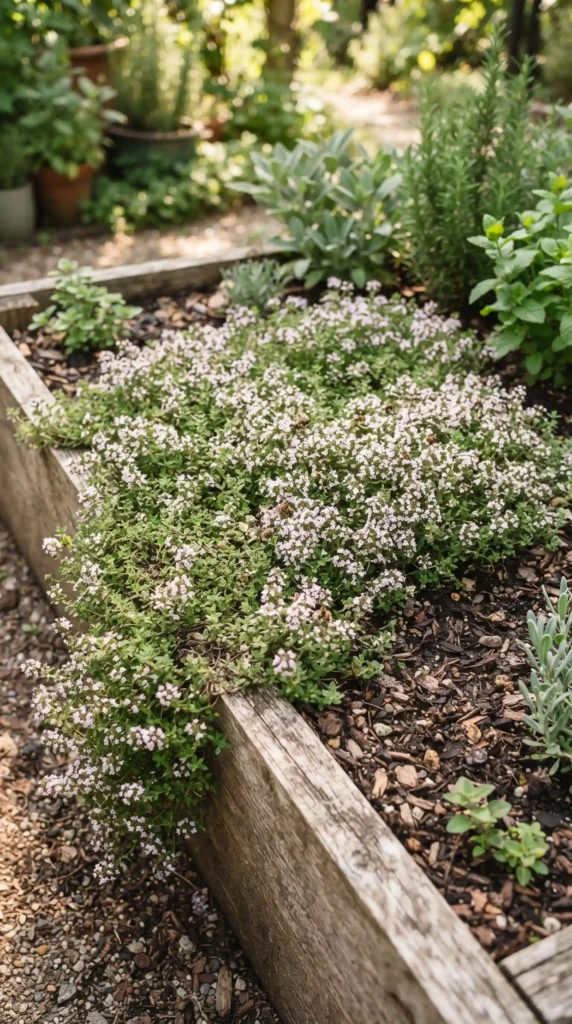
Thyme is a compact herb that can fit easily into small gardens, raised beds, and containers.
It is mainly known as a culinary herb, but it also has a long history of traditional herbal use.
Thyme generally prefers sunlight and well-drained soil. Because it is relatively compact, it works well around the edges of garden beds.
Its leaves can be harvested fresh or dried for later culinary use.
When considering thyme for medicinal purposes, remember that traditional use and scientific evidence are not necessarily the same thing.
8. Calendula
Calendula produces bright yellow or orange flowers and can bring strong color to a medicinal herb garden.
The petals have traditionally been used in various topical preparations. Calendula is often grown as an ornamental plant as well as an herbal garden plant.
It generally prefers sunlight and reasonably well-drained soil.
If you plan to use calendula, grow it specifically for that purpose and avoid applying pesticides or other garden chemicals that are not appropriate for plants intended for topical or culinary use.
People with allergies to related flowering plants should also be cautious.
9. Ginger
Ginger is a useful addition to an herb garden where the climate and growing season allow it to thrive.
Unlike many herbs, the main part people use is the underground rhizome rather than the leaves.
Ginger prefers warmth, moisture, fertile soil, and protection from harsh conditions. It can also be grown in containers when sufficient space is available.
Fresh ginger is widely used in cooking and beverages. It has also been studied for certain health-related applications, but its effects and appropriate doses depend on the specific situation.
If someone takes medication or has a medical condition, professional advice is appropriate before using concentrated ginger supplements.
10. Echinacea
Echinacea is a popular flowering plant that is commonly associated with traditional herbal products.
Its large flowers can make an attractive addition to a garden, while the plant also provides resources for pollinators.
Echinacea generally prefers sunlight and well-drained soil. Once established, it can become a long-lasting garden plant in suitable climates.
Although echinacea products are widely marketed for immune-related purposes, research findings vary depending on the preparation and health outcome being studied. It should not be treated as a guaranteed treatment or prevention method.
Choose the Right Location for Your Herb Garden
Most herbs perform best when they receive enough sunlight, but requirements vary.
Before planting, observe your garden throughout the day. Notice which areas receive direct sunlight and which remain shaded.
A good location should have:
- Appropriate sunlight
- Good drainage
- Easy access to water
- Protection from severe weather
- Enough space for mature plants
- Convenient access for harvesting
Putting the garden close to the house can make harvesting easier and encourages regular care.
Prepare Healthy Soil
Healthy soil gives herbs a strong foundation.
Many Mediterranean herbs, including rosemary, sage, lavender, and thyme, prefer well-drained soil. Others, such as ginger, generally prefer more consistent moisture.
Do not assume every medicinal herb needs identical soil conditions.
Improve compacted soil with suitable organic matter when appropriate, and make sure containers have drainage holes.
Good drainage is particularly important for herbs that are sensitive to waterlogged roots.
Decide Between Containers and Garden Beds
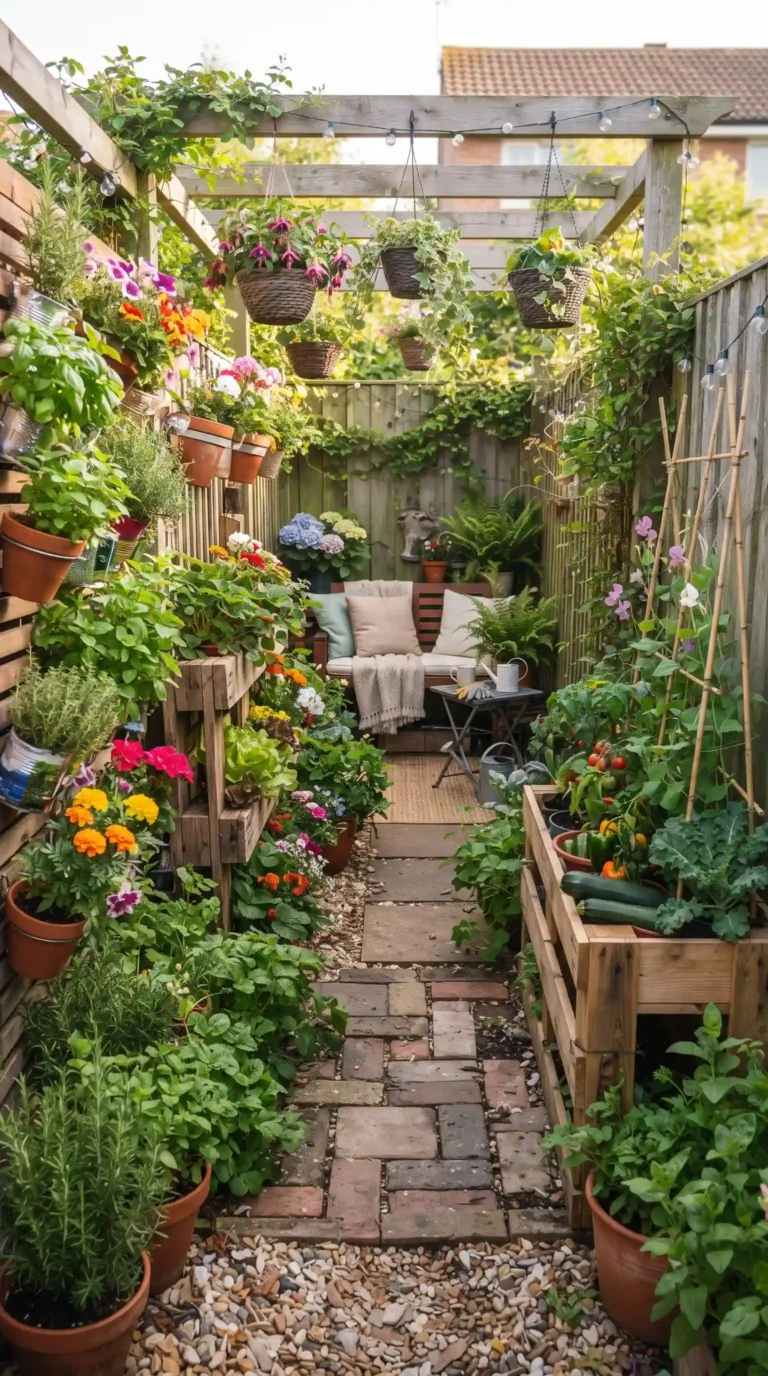
Containers are useful when you have limited space or want better control over individual plants.
They can be particularly helpful for aggressive herbs such as peppermint and lemon balm.
Garden beds are useful for plants that need more room or for gardeners who want to create a larger collection.
Whichever option you choose, make sure each plant has enough room for healthy root and leaf development.
Water Medicinal Herbs Properly
Watering needs vary widely between herbs.
Rosemary, lavender, sage, and thyme generally prefer conditions that are not constantly wet. Ginger needs more consistent moisture during active growth.
Rather than watering every plant on the same schedule, check the soil and understand the needs of each species.
Overwatering can be just as damaging as underwatering. Poor drainage combined with excessive watering can encourage root problems.
Use Natural Garden Practices
If you plan to use herbs for culinary or traditional purposes, be thoughtful about what you apply to the plants.
Use appropriate pest-management methods and always follow product labels when using any garden treatment.
Good garden hygiene can prevent many problems. Remove severely damaged plant material, maintain airflow, avoid unnecessary overhead watering, and inspect plants regularly.
Growing your own herbs does not automatically make them safe for consumption. Correct identification and clean cultivation remain important.
Harvest Herbs at the Right Time
Harvesting at the appropriate time can help preserve the quality of herbs.
Leaves are often harvested before or around flowering depending on the plant and intended use. Flowers should be collected when they are healthy and appropriately developed.
Avoid harvesting plants that are diseased, contaminated, or recently exposed to unsuitable chemicals.
Use clean scissors or pruners and handle harvested material carefully.
How to Dry Herbs
Drying is a simple way to preserve many herbs.
Start with clean, healthy plant material. Remove damaged leaves and excess moisture.
Spread the herbs in a clean, dry area with good airflow. Avoid excessive heat and direct sunlight when drying delicate herbs.
Once completely dry, place them in clean, airtight containers. Label each container with the herb name and date.
Store dried herbs somewhere cool, dry, and dark.
If herbs develop moisture, mold, or an unusual smell, they should not be used.
Understand Traditional Use and Scientific Evidence
One of the most important parts of maintaining a medicinal herb garden is understanding the difference between traditional use and established medical evidence.
A plant may have been used traditionally for hundreds of years, but that does not automatically prove that it can treat a particular disease.
Research may support some uses, show limited evidence for others, or produce mixed results.
The form of the herb also matters. A cup of herbal tea, dried leaves used in cooking, an extract, and a concentrated essential oil can have very different amounts of active compounds.
Avoid assuming that more concentrated means better.
Safety Comes First
Natural products can still cause side effects.
Some herbs can interact with prescription or over-the-counter medicines. Others can cause allergic reactions or may not be suitable during pregnancy, breastfeeding, childhood, or certain medical conditions.
Essential oils deserve additional caution because they are highly concentrated and are not interchangeable with ordinary culinary herbs.
Before using an herb for a specific medical condition, especially in concentrated form, consult a qualified healthcare professional.
Keep a Simple Herb Garden Record
A garden notebook can make your herbal garden much easier to manage.
Record:
- Plant name
- Variety
- Planting date
- Location
- Watering needs
- Flowering period
- Harvest date
- Drying date
- Storage date
- Any pest or disease problems
This information becomes especially useful when you grow several herbs or save seeds for future seasons.
Grow Herbs You Will Actually Use
It is easy to become interested in dozens of medicinal plants, but beginners usually benefit from starting with a smaller collection.
Choose herbs that match your climate and that you already know how to identify and use appropriately.
A simple garden containing peppermint, chamomile, lavender, rosemary, sage, lemon balm, thyme, calendula, ginger, and echinacea can provide plenty of variety.
As your gardening skills improve, you can gradually add other suitable plants.
Final Thoughts
The top 10 medicinal herb garden essentials provide a practical starting point for anyone interested in growing traditional and useful herbs at home. Peppermint, chamomile, lavender, rosemary, sage, lemon balm, thyme, calendula, ginger, and echinacea each offer different gardening characteristics and traditional uses.
The most important part is not simply planting medicinal herbs. It is learning how to identify them correctly, provide suitable growing conditions, harvest them responsibly, and understand their safety limitations.
A medicinal herb garden should complement a healthy lifestyle and responsible healthcare rather than replace medical treatment. Start small, choose plants suited to your climate, keep good garden records, and learn about each herb before using it.