8 Vertical Gardening Ideas for Small Spaces: Creative Ways to Grow More
Living in a small home, apartment, balcony, or townhouse does not mean you have to give up your dream of having a beautiful garden. When floor space is limited, the best solution is to think vertically. Vertical gardening allows you to grow plants upward instead of spreading them across the ground, helping you make the most of every available inch.
From wall-mounted planters and hanging pots to trellises and recycled containers, there are many creative ways to build a vertical garden. You can grow flowers, herbs, vegetables, and decorative plants without needing a large backyard.
In this guide, we will explore 8 vertical gardening ideas for small spaces that are practical, attractive, and easy to adapt. Whether you have a tiny balcony, narrow patio, small yard, or indoor corner, these ideas can help you create a productive green space.
What Is Vertical Gardening?
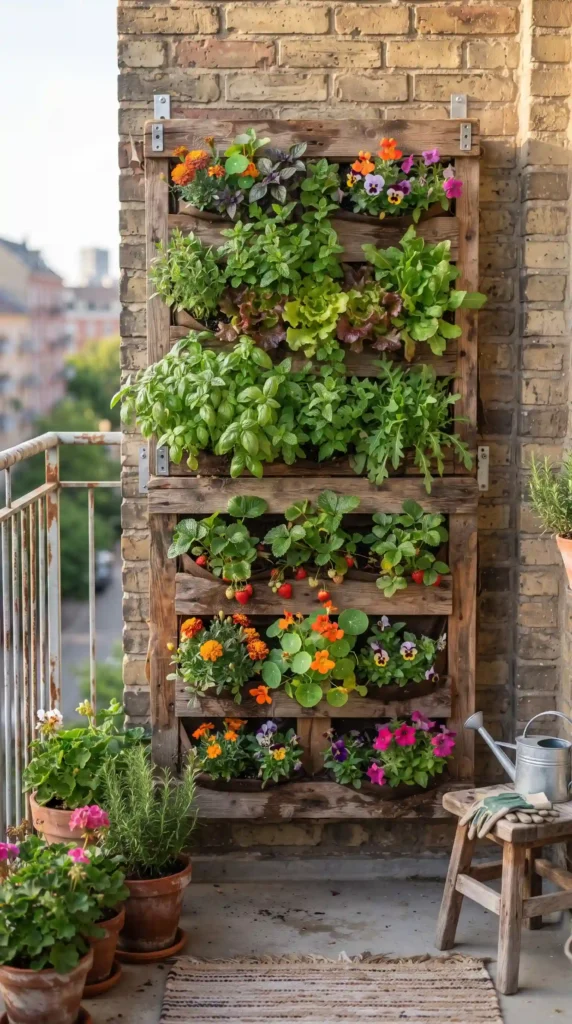
Vertical gardening is a method of growing plants upward using structures such as walls, shelves, trellises, hanging containers, towers, and specially designed garden systems.
Traditional gardening usually requires plants to spread across a horizontal area. Vertical gardening uses height instead, making it especially useful for people who have limited ground space.
A vertical garden can be as simple as a few pots attached to a wall or as advanced as a complete vertical growing system. The right choice depends on your available space, budget, plants, and gardening experience.
Why Is Vertical Gardening Perfect for Small Spaces?
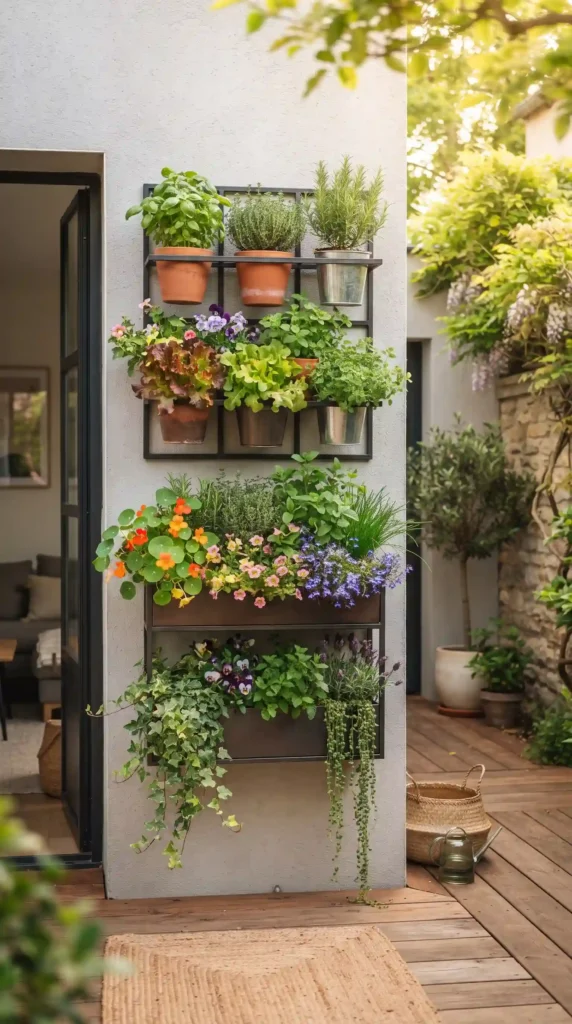
One of the biggest advantages of vertical gardening is space efficiency. Instead of using a large area of ground, you can grow multiple plants on a wall, fence, balcony railing, or vertical frame.
Vertical gardens can also make plain walls and empty corners more attractive. They add greenery at different heights and can create a natural focal point.
Other potential benefits include easier access to some plants, better organization, and the ability to grow herbs or vegetables close to your kitchen.
However, a successful vertical garden still needs proper light, water, drainage, support, and airflow.
8 Vertical Gardening Ideas for Small Spaces
1. Create a Wall-Mounted Planter Garden
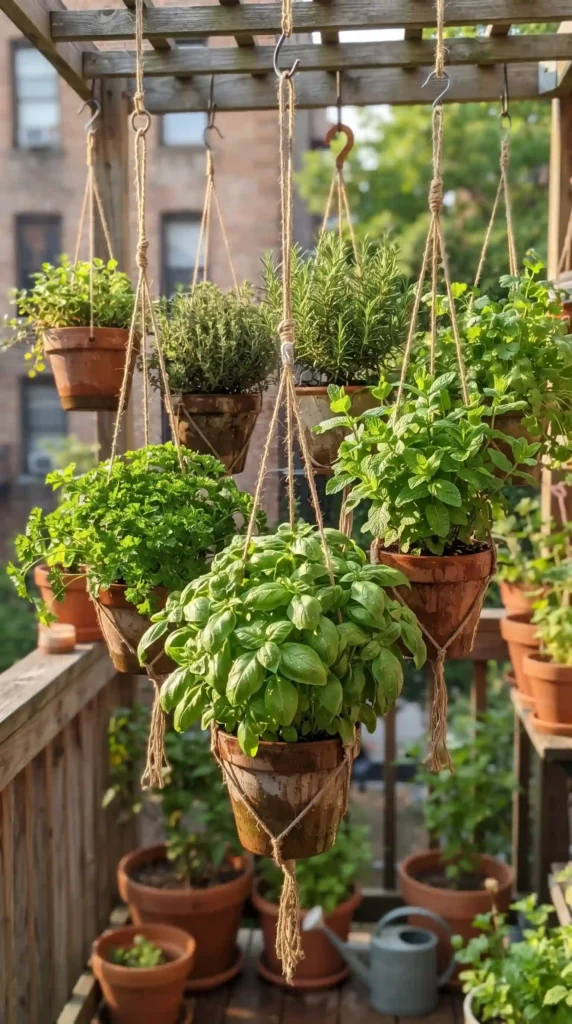
A wall-mounted planter system is one of the simplest ways to start a vertical garden. You can attach several planters directly to a suitable wall and arrange them in rows or creative patterns.
This setup works particularly well for herbs, small flowers, leafy plants, and compact vegetables.
For a kitchen garden, you could grow plants such as basil, mint, parsley, chives, and thyme in individual containers. Labeling each planter can make it easier to identify your herbs.
Tips for Wall-Mounted Planters
Choose containers that are lightweight enough for the wall structure to support. Make sure they have drainage holes and use suitable potting soil.
You should also consider how water will drain. If the planters are indoors, place a suitable tray or protective layer underneath them to prevent water damage.
Before installing anything, confirm that the wall and mounting hardware can safely support the combined weight of the containers, soil, plants, and water.
2. Use a Trellis for Climbing Plants
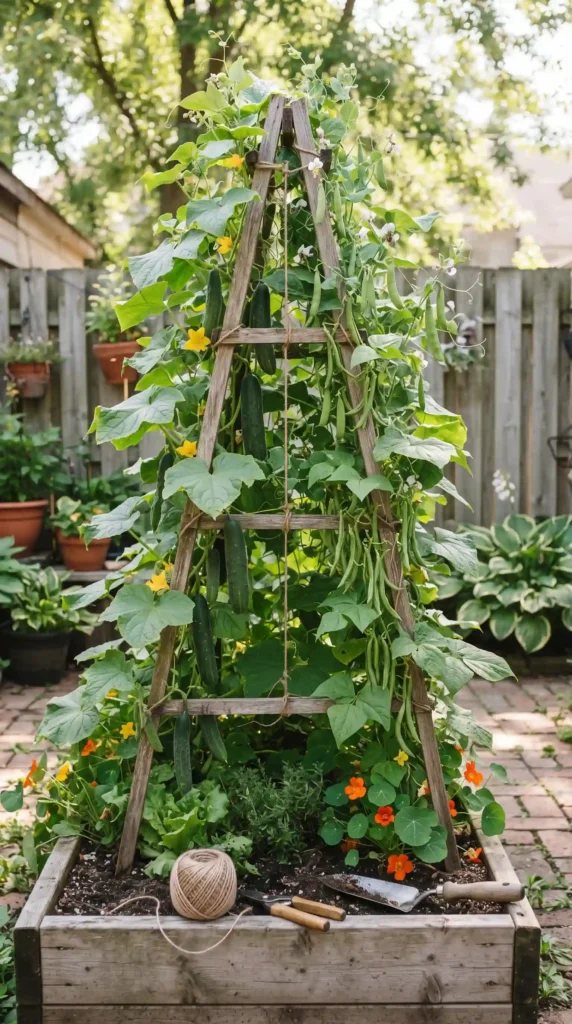
A trellis is a classic vertical gardening solution. It provides a structure that climbing plants can use to grow upward instead of spreading across the ground.
You can use a trellis against a wall, fence, balcony, or other suitable structure.
Climbing plants such as beans, peas, cucumbers, and certain flowering vines can work well with appropriate support.
How to Make a Small Trellis Garden
You do not need a huge structure. A compact trellis can be enough for a small balcony or patio.
Place the trellis where the plants receive the appropriate amount of sunlight. Secure it properly before the plants become large and heavy.
As the plants grow, gently guide suitable stems toward the support. Some plants naturally climb, while others may need to be tied loosely to the trellis.
3. Build a Vertical Herb Garden
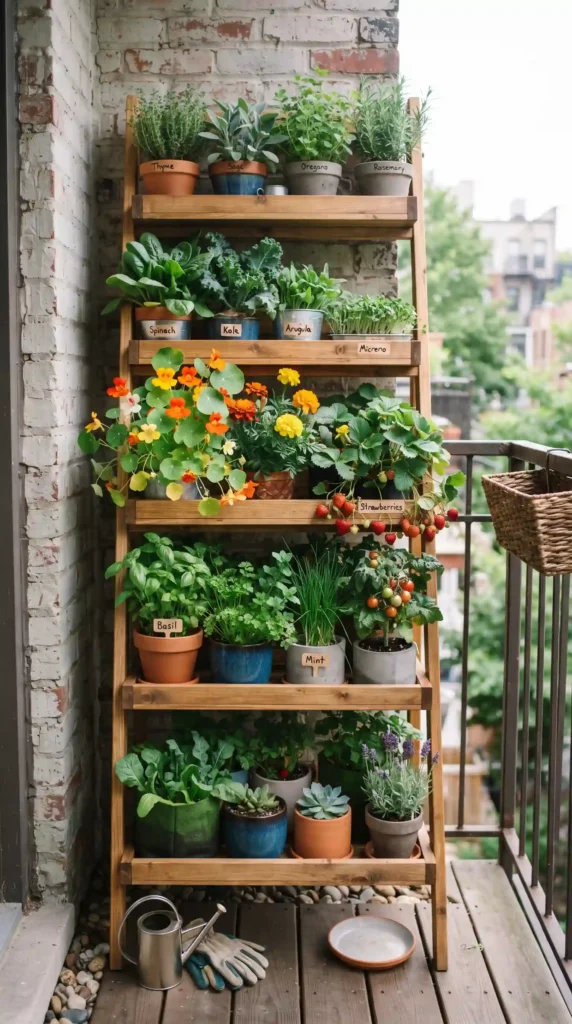
If you love cooking with fresh herbs, a vertical herb garden can turn a small wall or balcony into a useful growing area.
Herbs are particularly suitable because many varieties remain relatively compact. You can grow several different herbs in individual containers stacked vertically.
Popular options include:
- Basil
- Parsley
- Mint
- Thyme
- Oregano
- Chives
- Cilantro
- Rosemary
Choose Herbs According to Light
Before planting, check how much sunlight your location receives. Different herbs have different growing requirements.
Also remember that mint can spread aggressively when planted directly in the ground, so keeping it in its own container can make it easier to manage.
4. Try a Vertical Pallet Garden
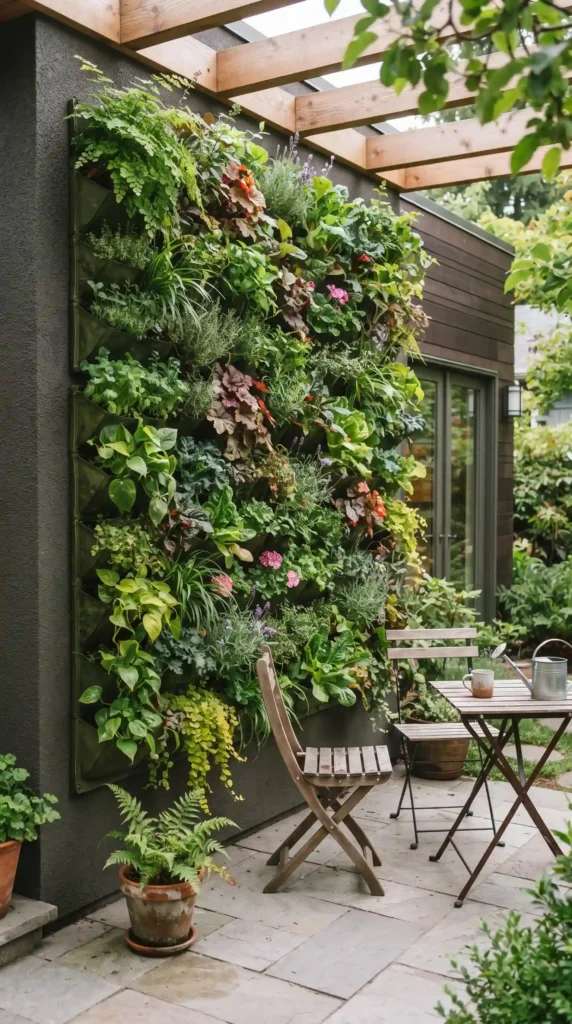
A wooden pallet can be transformed into a creative vertical garden when it is clean, safe, and suitable for gardening use.
The pallet can hold small containers or provide compartments where plants can grow. It can be placed against a wall or other sturdy support.
This idea can work well for flowers, herbs, and compact ornamental plants.
Make Safety a Priority
Not every old pallet is suitable for gardening. Avoid using wood that has been exposed to unknown chemicals or treatments that are unsuitable for plant growing.
The structure should also be securely positioned so that it cannot tip over.
If you are using a pallet outdoors, consider weather exposure and drainage before planting.
5. Install Hanging Planters
Hanging planters are an excellent way to add another level to a small garden. Instead of placing every plant on the floor, you can suspend suitable containers from a secure ceiling, railing, wall bracket, or other support.
Trailing plants can look especially attractive in hanging containers because their stems can grow downward.
You can use hanging planters for decorative flowers, herbs, and some compact vegetables depending on the conditions.
Arrange Hanging Plants at Different Heights
For a more attractive display, consider placing containers at different heights. This creates visual variety and allows you to use vertical space more efficiently.
Make sure each hanging container is securely installed and does not interfere with doors, walkways, or people moving through the area.
6. Create a Vertical Garden With Shelves
Shelves provide a flexible way to build a vertical garden without installing containers directly onto a wall.
A narrow shelving unit can hold several pots at different levels. This makes it easy to rearrange plants, replace containers, or move individual plants when necessary.
Shelves can work indoors and outdoors, depending on the material and weather conditions.
Best Plants for Garden Shelves
Small houseplants, herbs, succulents, flowers, and compact vegetables can all be options depending on the light available.
Place plants with similar light and watering requirements together whenever possible. This makes ongoing care easier.
7. Grow Vegetables in a Vertical Tower
Vertical towers can be useful when you want to grow edible plants but have very little ground space.
A tower system can contain multiple planting areas stacked above one another. Depending on the design, you may be able to grow leafy greens, herbs, strawberries, and other compact crops.
Vertical towers can be purchased as ready-made systems or built as DIY projects.
Benefits of Vertical Vegetable Towers
The main advantage is efficient use of space. Instead of spreading plants across a large garden bed, you can grow multiple plants in a relatively small footprint.
However, make sure the tower receives enough sunlight and has proper drainage. Plants at different levels may also receive different amounts of light, so monitor their growth and adjust their positions when possible.
8. Turn a Small Balcony Into a Vertical Garden
A balcony can become an excellent vertical garden when you use walls, railings, shelves, hanging containers, and compact supports.
Start by identifying where sunlight reaches the balcony during the day. Then choose plants that match those conditions.
You can combine several vertical gardening methods instead of relying on only one.
For example, you could use a trellis for climbing plants, railing planters for herbs, and hanging baskets for trailing flowers.
Keep Balcony Gardening Safe
Always consider the weight of containers, soil, and water. Balcony structures have weight limits, so avoid adding excessive loads.
Secure containers and trellises properly, particularly in areas that experience strong winds.
Also make sure water does not continuously drip onto neighboring balconies or create slippery surfaces.
Best Plants for Vertical Gardens
Choosing the right plants is important for a successful small-space vertical garden. Compact plants and climbers are often easier to manage than plants that require large amounts of horizontal space.
Vegetables
Some vegetables that can work in vertical systems include:
- Lettuce
- Spinach
- Peas
- Beans
- Small cucumbers
- Some compact tomato varieties
Plant requirements vary, so always check the specific variety before planting.
Herbs
Herbs are excellent candidates for small vertical gardens. Basil, thyme, parsley, chives, oregano, and cilantro can all be grown in suitable containers.
Flowers
Flowers can turn a functional vertical garden into a colorful decorative feature. Compact flowering plants and suitable trailing varieties can add texture and visual interest.
Ornamental Plants
If your main goal is decoration, consider compact houseplants, ferns, trailing plants, and other species that match your indoor or outdoor growing conditions.
How to Choose the Right Location for a Vertical Garden
Location can determine whether your vertical garden succeeds or struggles.
Check Sunlight
Observe the location throughout the day. Note how many hours of direct or indirect sunlight the area receives.
Choose plants according to those conditions instead of choosing plants first and trying to force them into an unsuitable location.
Consider Water Access
Your garden should be somewhere that is easy to water. A vertical garden that is difficult to reach may become harder to maintain.
Think About Airflow
Good airflow can help plants grow in healthier conditions. Avoid creating a tightly packed wall of plants with no room for air movement.
How to Maintain a Vertical Garden
Vertical gardening can be easy to maintain when the system is planned properly.
Water Carefully
Plants at the top and bottom of a vertical system may receive different amounts of water. Check the soil rather than assuming every container needs water at the same time.
Fertilize When Necessary
Container-grown plants may need nutrients replenished over time. Use a suitable fertilizer according to the plant’s requirements and product instructions.
Prune Regularly
Remove damaged leaves and trim plants when necessary. Pruning can help prevent overcrowding and keep the garden looking organized.
Monitor for Pests
Inspect plants regularly for signs of pests or disease. Problems can spread quickly when plants are positioned close together.
Common Vertical Gardening Mistakes to Avoid
Even a small vertical garden needs thoughtful planning. One common mistake is choosing plants without considering sunlight. A plant may struggle if it is placed in too much shade or intense direct sunlight.
Another mistake is using containers without adequate drainage. Waterlogged roots can cause serious problems for many plants.
Overcrowding is another issue. Give plants enough room to grow and maintain good airflow.
Finally, do not underestimate the weight of a vertical garden. Soil becomes significantly heavier when wet, so always use secure supports and suitable structures.
Final Thoughts on Vertical Gardening Ideas for Small Spaces
These 8 vertical gardening ideas for small spaces show that you do not need a large backyard to enjoy gardening. By using walls, trellises, shelves, hanging baskets, pallets, and vertical towers, you can transform even a small balcony or indoor corner into a productive green space.
The key is to choose the right plants for your available light and to build a structure that is secure, well-drained, and easy to maintain. Start small, learn how your plants respond to their environment, and gradually expand your vertical garden.