How to Fix a Waterlogged Garden: Drainage Solutions That Work
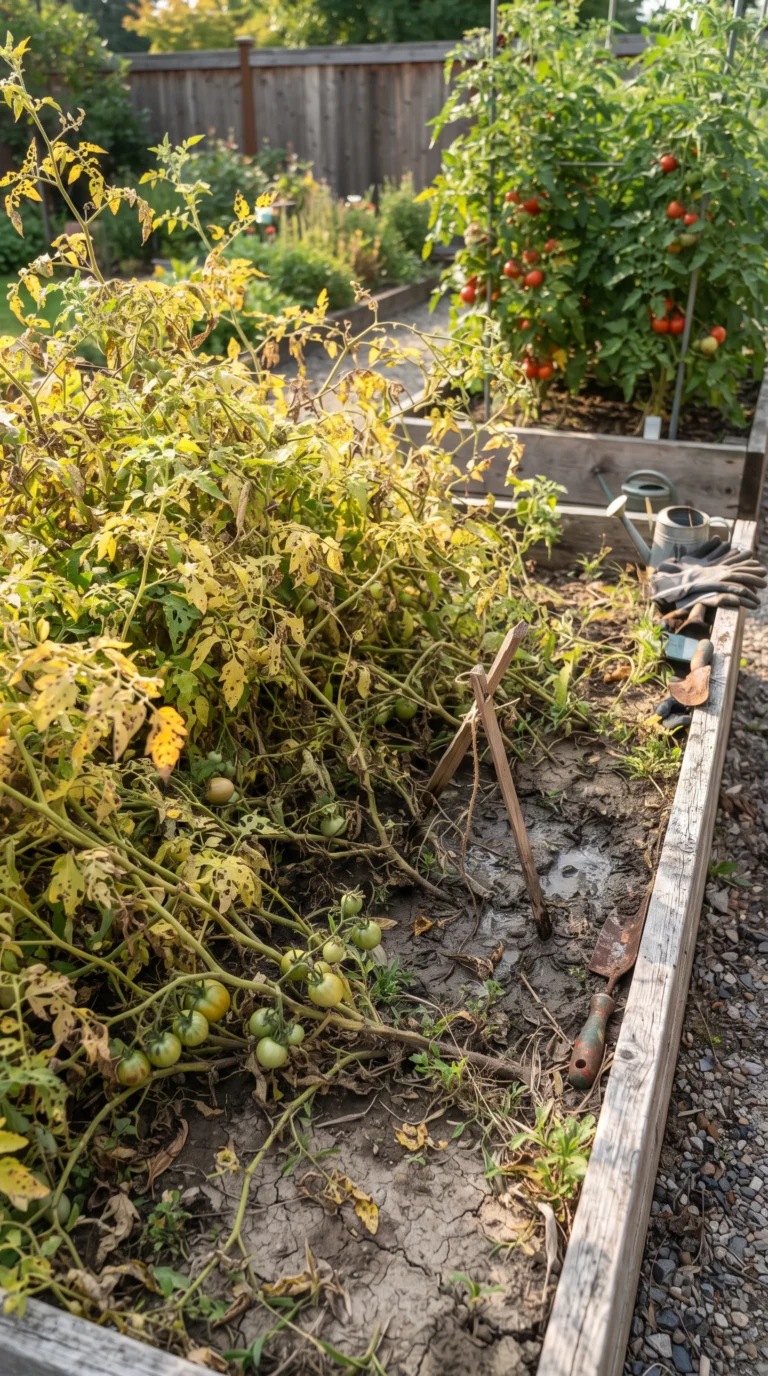
A waterlogged garden can quickly turn a beautiful outdoor space into a muddy, unhealthy mess. Constantly wet soil can damage grass, kill plants, encourage fungal diseases, attract pests, and make it difficult for roots to absorb the oxygen they need. Fortunately, there are several effective garden drainage solutions that can improve water flow and prevent your garden from becoming waterlogged again.
If you’re wondering how to fix a waterlogged garden, the first step is to identify why water is collecting in the area. Poor soil drainage, compacted ground, heavy clay soil, low-lying areas, blocked drains, excessive rainfall, and poorly designed landscaping can all contribute to standing water.
This guide explains the most practical garden drainage solutions, from simple DIY improvements to more permanent drainage systems.
What Causes a Waterlogged Garden?
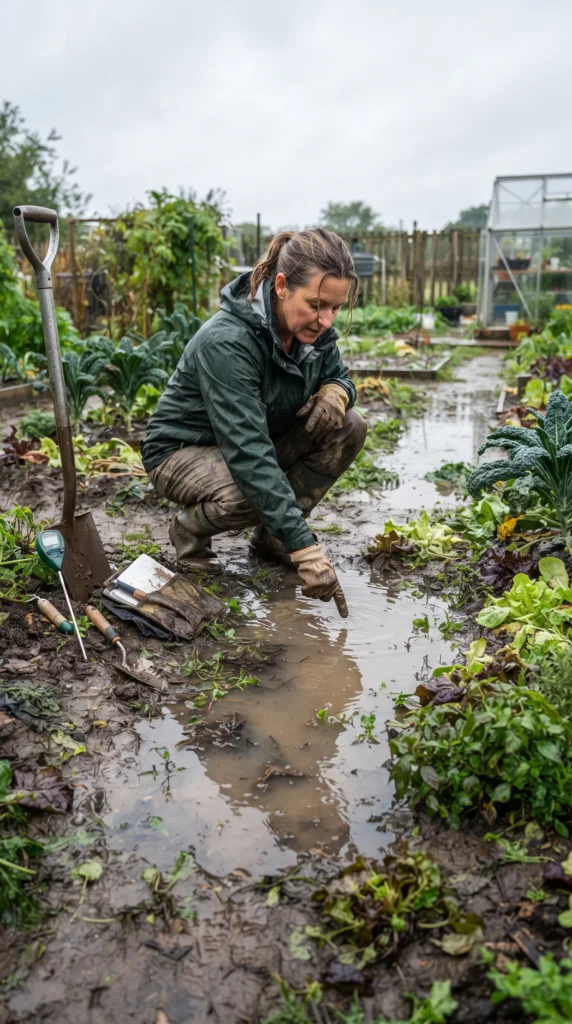
Before fixing a drainage problem, it is important to understand its cause. Waterlogging occurs when the soil becomes saturated and cannot drain excess water quickly enough.
Some common causes include:
- Heavy clay soil that holds water
- Compacted soil with limited air spaces
- Poorly graded or uneven ground
- Low areas where rainwater naturally collects
- Blocked gutters or drainage channels
- Excessive irrigation
- High groundwater levels
- Poorly designed patios, paths, or landscaping
- Heavy or prolonged rainfall
If your garden remains wet for several days after rain, develops puddles regularly, or feels soft and muddy underfoot, it may have a drainage problem.
How to Fix a Waterlogged Garden
There isn’t one solution that works for every garden. The best approach depends on the soil type, size of the affected area, amount of rainfall, and underlying cause.
Here are some of the most effective methods.
1. Improve the Soil
One of the simplest ways to improve drainage is to improve the structure of the soil.
Heavy clay soil contains very fine particles that hold water. When wet, it can become sticky and dense. When dry, it may become extremely hard. Adding organic matter such as compost, well-rotted manure, or leaf mould can improve soil structure and create more spaces for air and water to move through.
Work organic matter into the top layer of soil rather than simply spreading it over the surface.
For particularly compacted ground, aerating the soil can also help. A garden fork or aerator can create channels that allow water and air to penetrate deeper into the ground.
However, soil improvement is generally a gradual process. If your garden has severe standing water, you may need a dedicated drainage system as well.
2. Aerate Compacted Soil
Compacted soil is another major cause of poor garden drainage.
When soil becomes compacted, the spaces between soil particles are reduced. Water has fewer pathways to move through the ground, which can result in puddles and saturated roots.
Use a garden fork, lawn aerator, or mechanical aerator to loosen compacted areas. For lawns, aeration is particularly useful because regular foot traffic can compress the soil.
Make several holes across the affected area, especially where water tends to collect. Follow this with compost or another suitable soil amendment to improve the structure of the surface layer.
Avoid working extremely wet soil because doing so can make compaction worse.
3. Install a French Drain
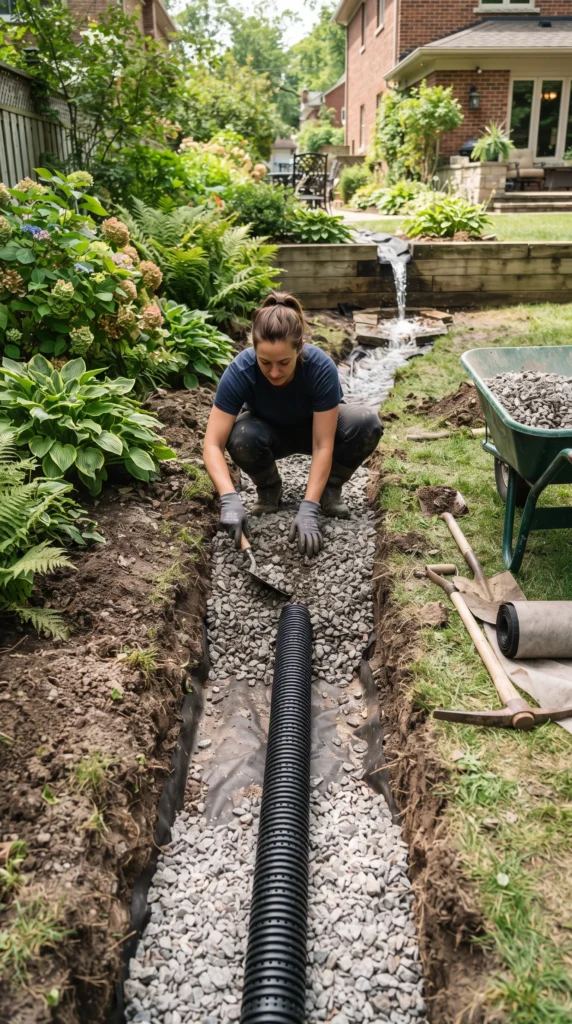
A French drain is one of the most popular solutions for waterlogged gardens.
A typical French drain consists of a trench containing a perforated drainage pipe surrounded by gravel or drainage stone. Water enters the gravel-filled trench, reaches the pipe, and is carried toward a suitable drainage point.
The basic process involves:
- Planning where the water needs to go.
- Digging a sloping trench.
- Adding suitable drainage material.
- Installing a perforated pipe.
- Covering the pipe with additional gravel.
- Adding a suitable surface layer.
The key is giving the water somewhere appropriate to discharge. Simply installing a pipe without an effective outlet won’t solve the underlying problem.
For larger gardens or areas close to buildings, professional advice may be worthwhile before excavation begins.
4. Create a Soakaway
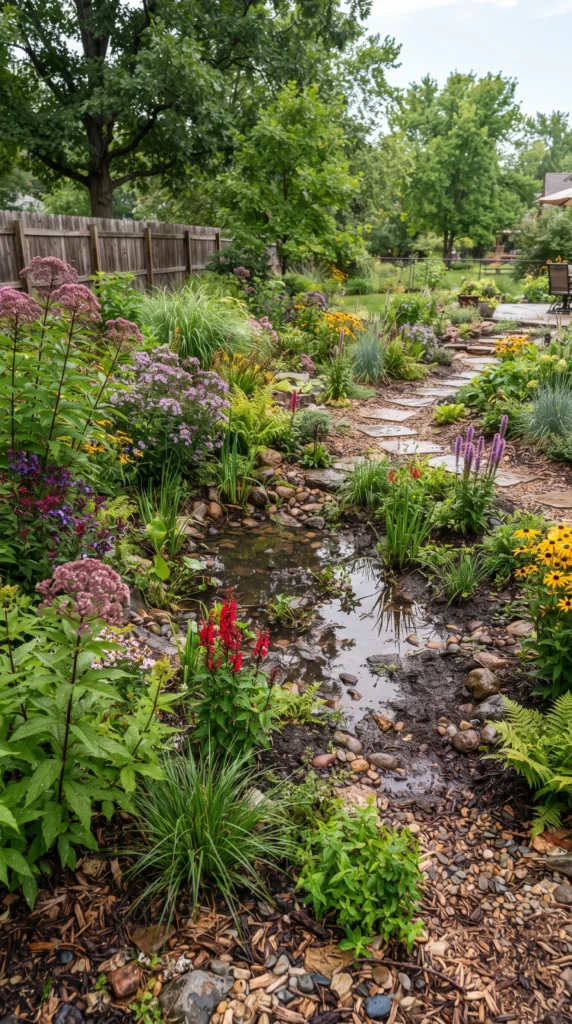
A soakaway provides an underground location where collected rainwater can gradually infiltrate surrounding soil.
It can be useful when rainwater needs to be moved away from patios, roofs, paths, or other hard surfaces.
A soakaway generally consists of an excavated area filled with suitable drainage material or a purpose-designed infiltration system.
Before installing one, make sure the local soil conditions are suitable. Heavy clay or a high water table may limit how effectively a soakaway works.
You should also check local regulations and ensure that water is not directed toward neighboring properties, foundations, public areas, or other locations where it could cause damage.
5. Regrade the Garden
Sometimes the problem isn’t the soil itself but the shape of the garden.
If the garden has a depression or low point, rainwater will naturally collect there. Regrading involves changing the contours of the ground so water flows toward an appropriate drainage area.
For example, a lawn that slopes toward a house can allow rainwater to collect near the foundation. Correcting the slope can help move water away from the building.
Regrading is usually more practical before planting or installing landscaping features. For significant changes in elevation, drainage planning should be done carefully to avoid creating problems elsewhere.
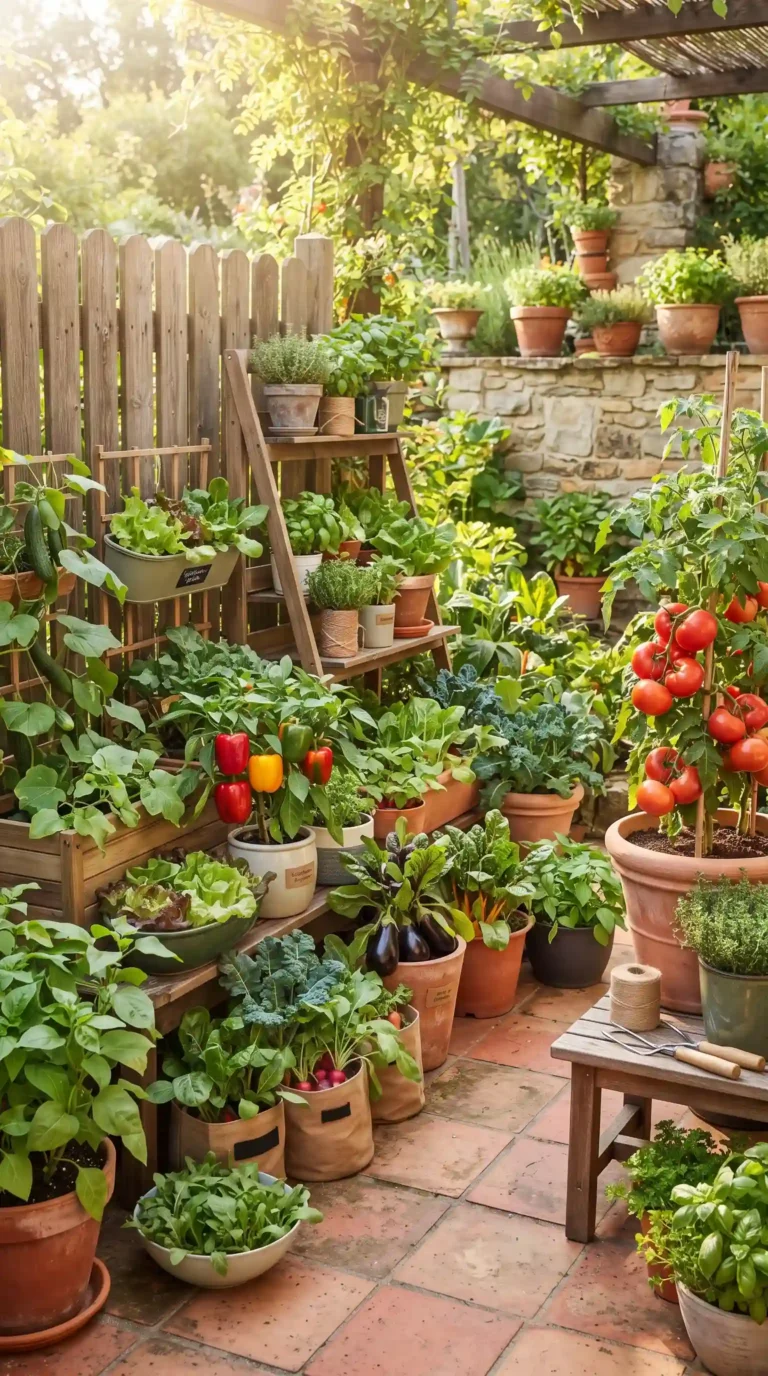
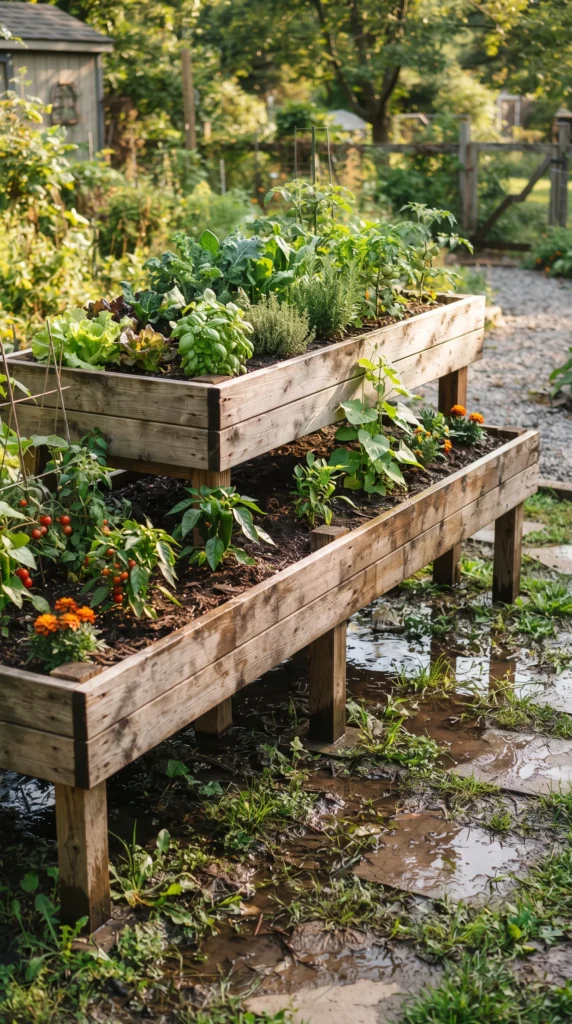
6. Use Raised Garden Beds
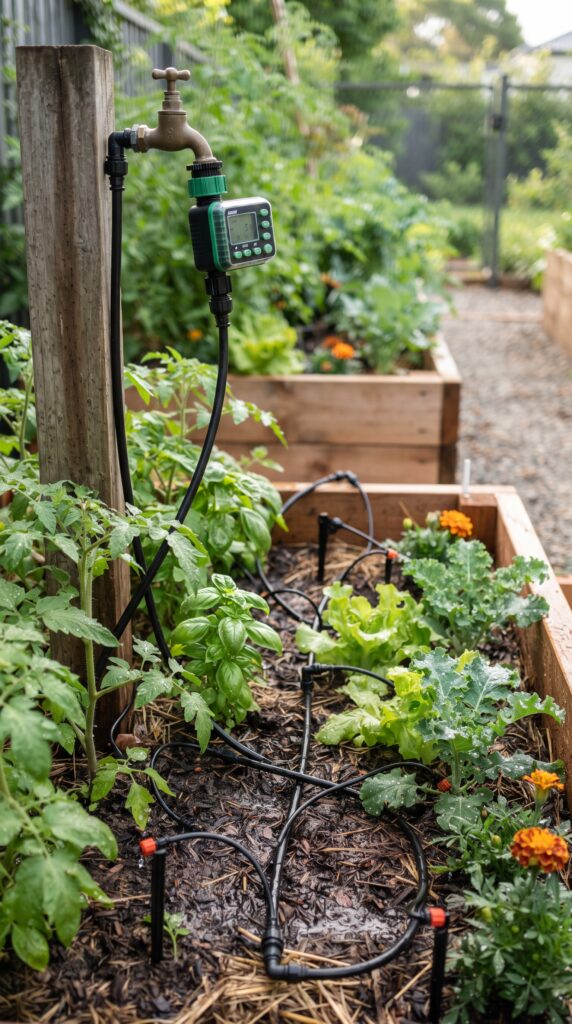
If certain plants struggle because the ground remains wet, raised beds can provide an immediate growing solution.
Raised beds elevate plant roots above saturated ground and allow you to fill the growing area with better-draining soil.
This can be particularly useful for vegetables, herbs, flowers, and other plants that dislike constantly wet conditions.
When constructing raised beds, use a suitable soil mixture and avoid creating a sealed container that traps water. The surrounding garden should still have somewhere for excess water to go.
Raised beds don’t necessarily fix the underlying drainage problem, but they can make affected areas more productive while broader drainage improvements are made.
7. Install a Dry Creek Bed
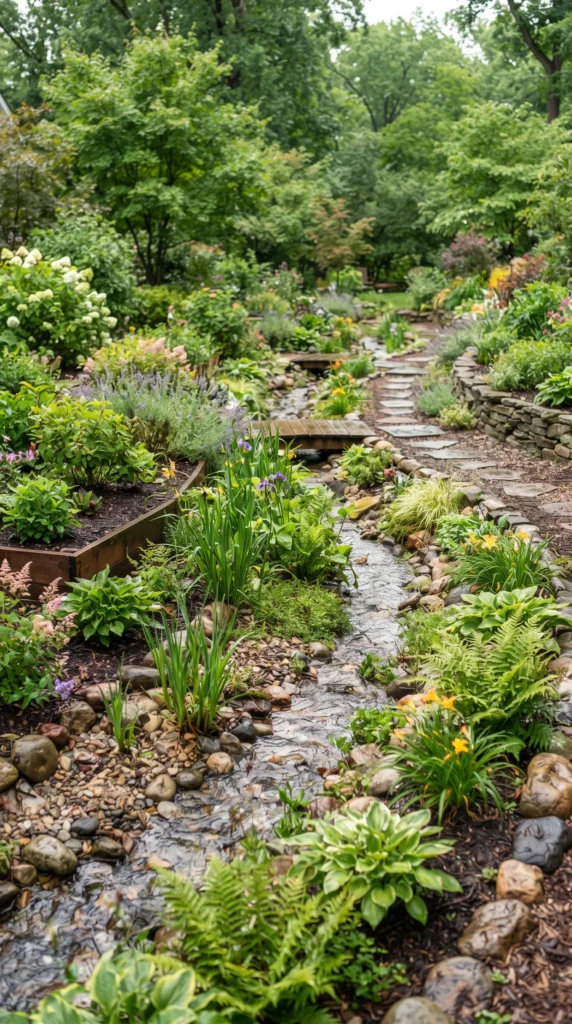
A dry creek bed can combine drainage with attractive landscaping.
It typically consists of a shallow, gently sloping channel lined with stones, gravel, and decorative rocks. During rainfall, the channel directs excess water toward an appropriate drainage point.
Unlike a conventional drain, a dry creek bed can become a visible landscape feature.
This option works particularly well in gardens where surface runoff is a major problem. The design should encourage controlled water movement rather than simply creating a deeper place for water to sit.
8. Choose Water-Tolerant Plants
Plant selection can make a significant difference in a wet garden.
Some plants naturally tolerate moist conditions better than others. If an area remains damp despite drainage improvements, consider choosing species that are suited to those conditions rather than trying to grow plants that require dry, well-drained soil.
Wet-tolerant plants can help stabilize soil and make a poorly drained section of the garden more attractive.
However, plants should not be treated as a substitute for drainage where standing water is severe or threatens structures.
9. Check Gutters and Downspouts
Sometimes the garden isn’t the real source of the problem.
A blocked gutter or poorly positioned downspout can release large amounts of water directly beside a lawn or flower bed. This can create persistent wet patches and even contribute to foundation problems.
Inspect gutters, downspouts, and surface drains regularly. Remove leaves, dirt, and other debris that could restrict water flow.
Make sure downspouts discharge water in an appropriate location and don’t simply dump it into the most vulnerable part of the garden.
This is one of the easiest garden drainage fixes to investigate because correcting the problem may require little more than redirecting runoff.
10. Consider a Surface Drainage System
For gardens that regularly experience surface flooding, a surface drainage system may be the most effective solution.
Channel drains, grates, and surface drains can collect rainwater before it spreads across lawns, patios, and paths.
These systems are especially useful around hard surfaces because paving and concrete prevent water from naturally soaking into the ground.
The collected water must still be directed to an appropriate outlet, such as an approved drainage system or suitable infiltration area.
How to Prevent Garden Waterlogging
Once you’ve fixed the immediate problem, prevention is just as important.
Avoid overwatering plants, particularly during periods of regular rainfall. Check the soil before irrigating and adjust watering according to weather conditions.
Regularly clean gutters and drainage channels. Remove leaves and debris before they accumulate.
Avoid walking repeatedly over wet lawns because this can increase soil compaction. If possible, use designated paths through frequently used areas.
Adding organic matter to garden soil over time can also help maintain better soil structure.
Finally, observe how water moves through your garden after heavy rain. Understanding where water comes from, where it collects, and where it naturally wants to flow can help you identify drainage problems before they become severe.
How Long Does It Take to Drain a Waterlogged Garden?
The time required for a garden to dry depends on soil type, weather, drainage, temperature, sunlight, and groundwater conditions.
A garden with mild surface waterlogging may dry within a few days after rainfall. Heavy clay soil or a garden with poor drainage may remain saturated for much longer.
If water continues to stand for several days after normal rainfall, repeatedly returns to the same location, or begins affecting buildings and structures, the problem deserves further investigation.
When Should You Hire a Professional?
DIY drainage improvements can work well for minor problems, but professional help may be appropriate when waterlogging is severe.
Consider getting professional advice if:
- Water regularly collects against a building.
- Your garden floods after ordinary rainfall.
- The property is on a steep slope.
- You suspect a damaged underground drain.
- A high water table is causing persistent saturation.
- You need major excavation or regrading.
- Water is flowing onto or from neighboring properties.
- Previous drainage attempts have failed.
A drainage professional or qualified landscaper can assess the site, identify the source of the water, and design a system appropriate for the property.
Final Thoughts
Learning how to fix a waterlogged garden starts with identifying the reason water isn’t draining properly. Improving compacted soil, adding organic matter, aerating the ground, correcting slopes, installing French drains, creating soakaways, and redirecting downspouts are all potential solutions.
For minor problems, simple soil improvements and better water management may be enough. For persistent standing water, a dedicated drainage system may provide a more reliable long-term solution.
The most important principle is simple: don’t just remove the water—identify where it is coming from and give it a safe, controlled place to go.
With the right combination of drainage, soil improvement, landscaping, and plant selection, even a consistently wet garden can become healthier, more attractive, and much easier to maintain.