12 Mistakes to Avoid When Growing Tomatoes
Growing tomatoes can be incredibly rewarding, but even experienced gardeners can run into problems. Yellow leaves, cracked fruit, blossom-end rot, weak plants, pests, and poor harvests are often connected to simple growing mistakes.
The good news is that most tomato problems can be prevented with better planning and consistent care.
Whether you’re growing tomatoes in a backyard garden, raised bed, or container, avoiding common mistakes can help your plants develop stronger roots, healthier foliage, and better fruit.
Here are 12 mistakes to avoid when growing tomatoes and what you should do instead.
1. Planting Tomatoes Too Early
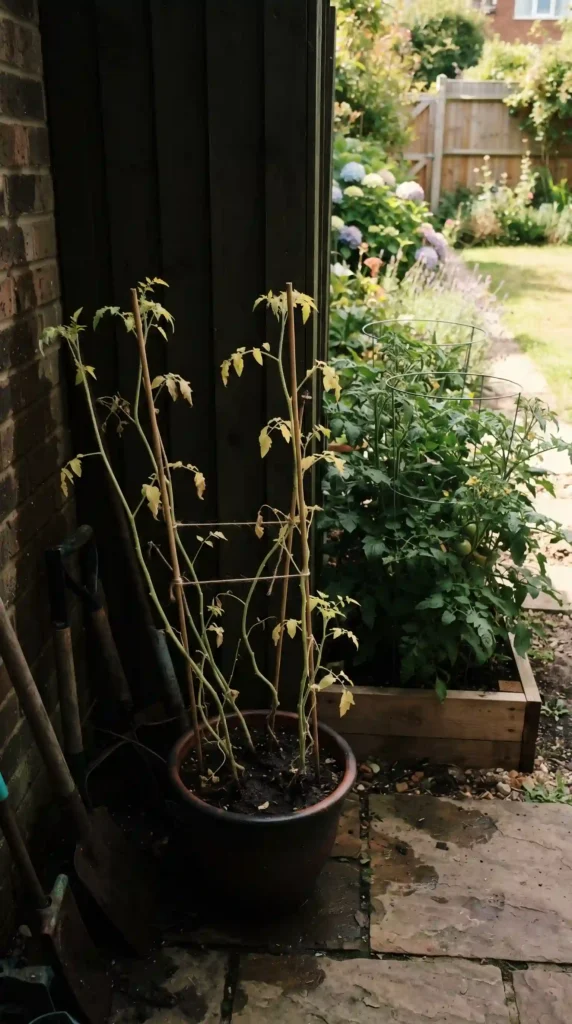
One of the most common tomato-growing mistakes is planting before conditions are warm enough.
Tomatoes are warm-season plants and can struggle when exposed to cold soil or frost.
What to Do Instead
Wait until the danger of frost has passed and soil temperatures are suitable for tomato growth.
If you start seeds indoors, gradually acclimate seedlings to outdoor conditions before transplanting them permanently.
This process, called hardening off, helps reduce transplant shock.
2. Choosing the Wrong Location
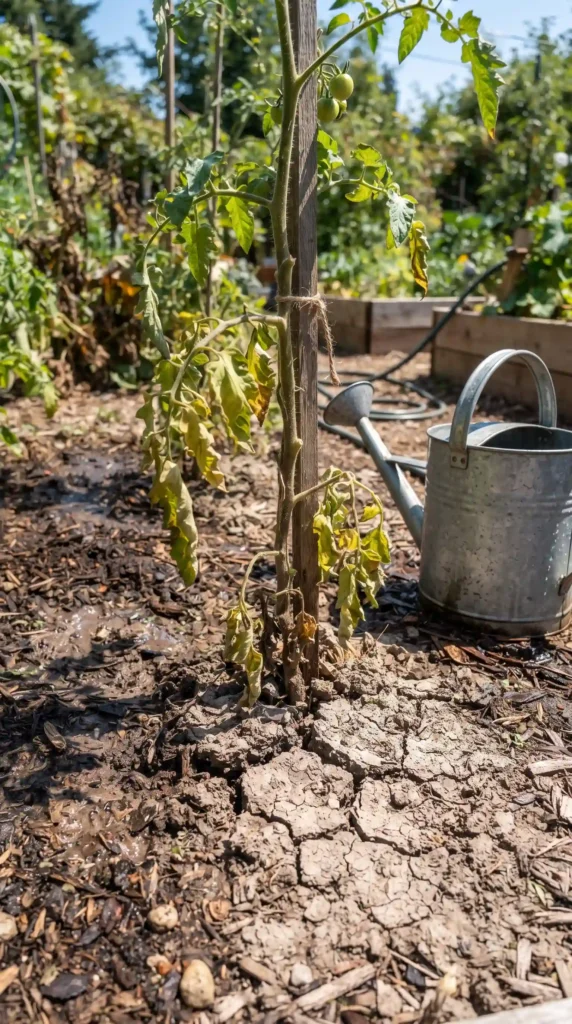
Tomatoes generally perform best when they receive plenty of sunlight.
Planting them in deep shade can result in weak growth, fewer flowers, and reduced fruit production.
Better Approach
Choose a location with sufficient direct sunlight for the tomato variety you’re growing.
Also consider airflow.
Avoid placing plants so close together that foliage remains crowded and damp.
3. Planting Tomatoes Too Close Together
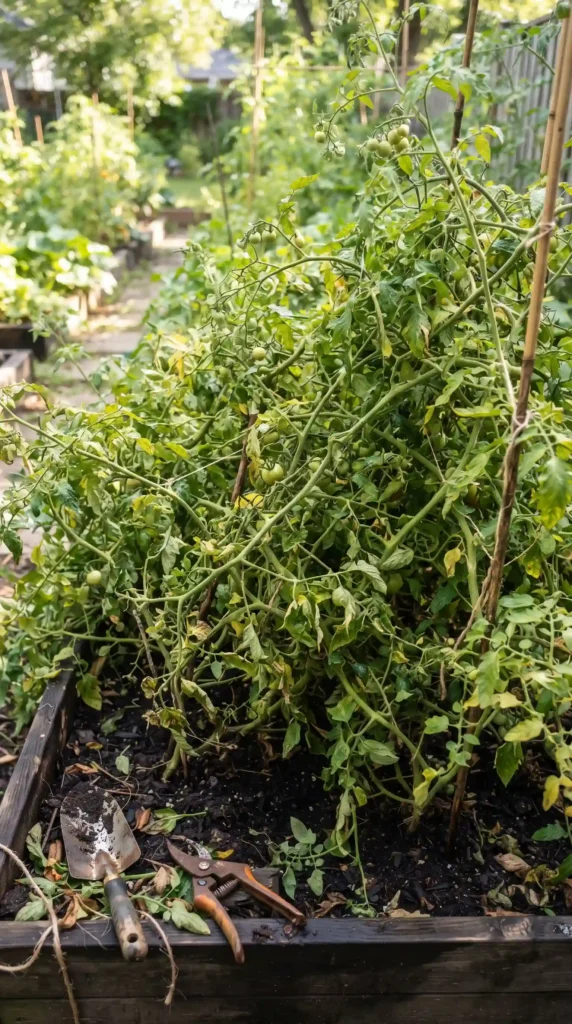
It’s tempting to squeeze several tomato plants into one small garden bed.
Unfortunately, overcrowding can create problems.
Plants compete for:
- Sunlight
- Water
- Nutrients
- Root space
Dense foliage can also reduce airflow, potentially increasing the risk of certain diseases.
Better Approach
Follow the spacing recommendations for your specific tomato variety.
Indeterminate varieties often need more room and support than compact determinate types.
4. Watering Inconsistently
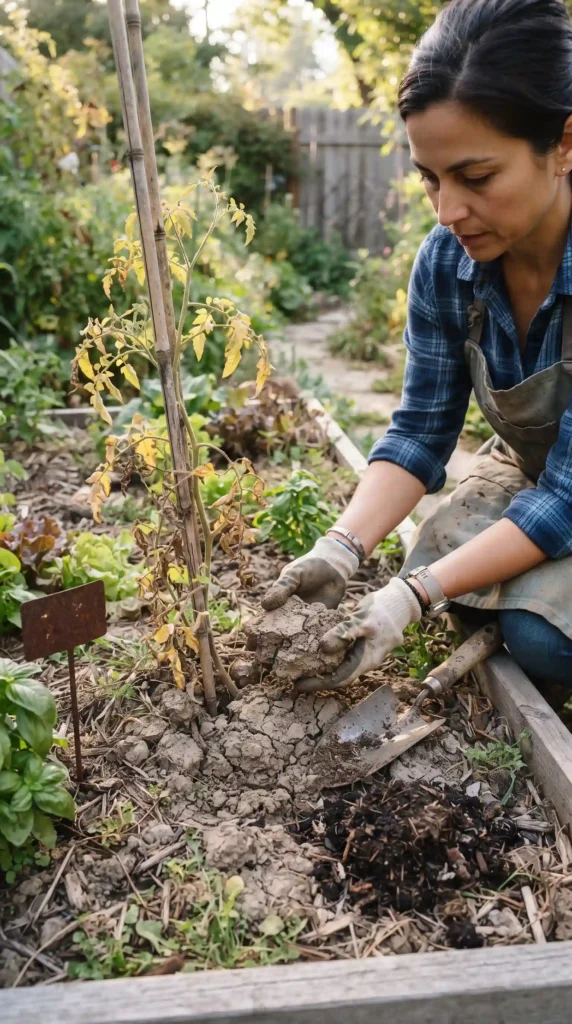
Tomatoes need adequate and reasonably consistent moisture.
Allowing plants to become severely dry and then soaking them can create stress and contribute to problems such as fruit cracking.
Better Approach
Check soil moisture regularly.
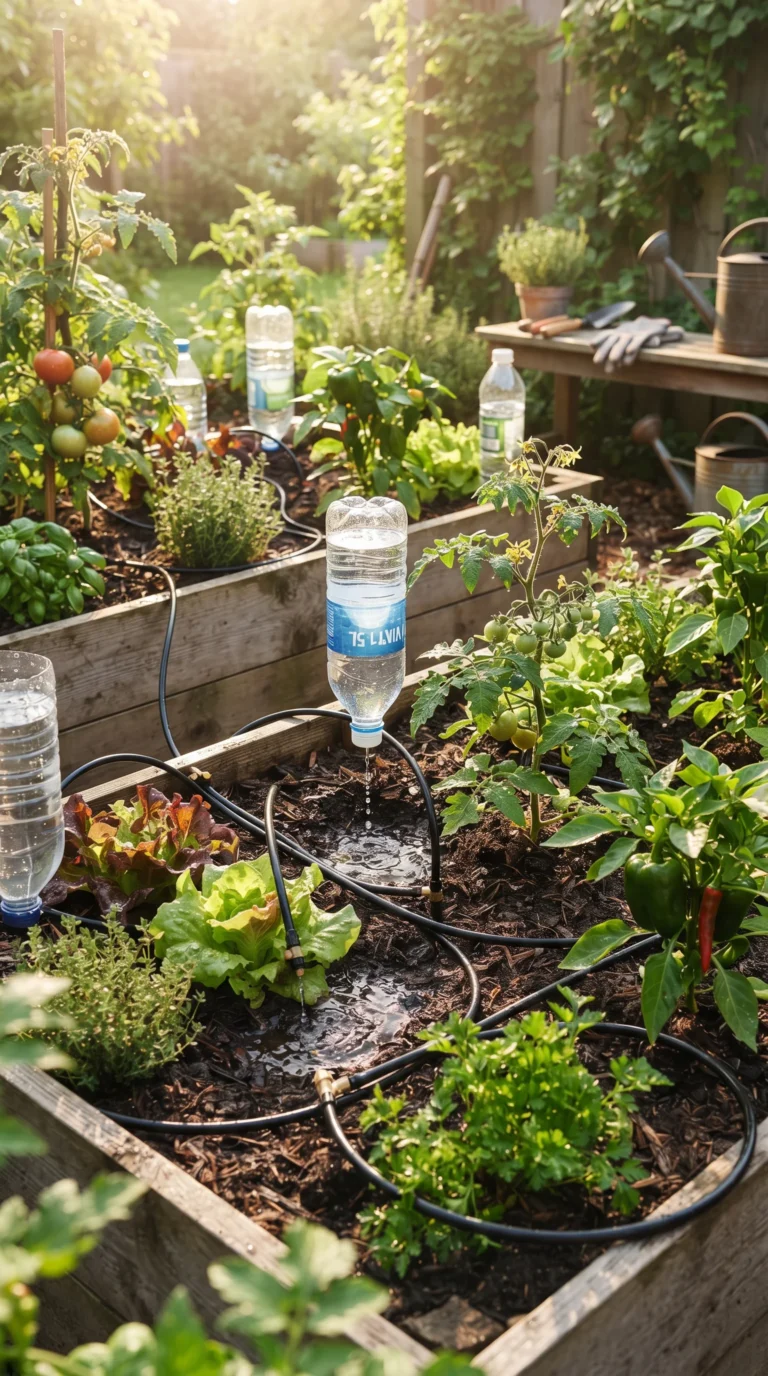
Water deeply enough to reach the root zone and adjust watering based on rainfall, temperature, soil type, and container size.
Mulch can help reduce evaporation and maintain more consistent soil moisture.
5. Overwatering Your Tomatoes
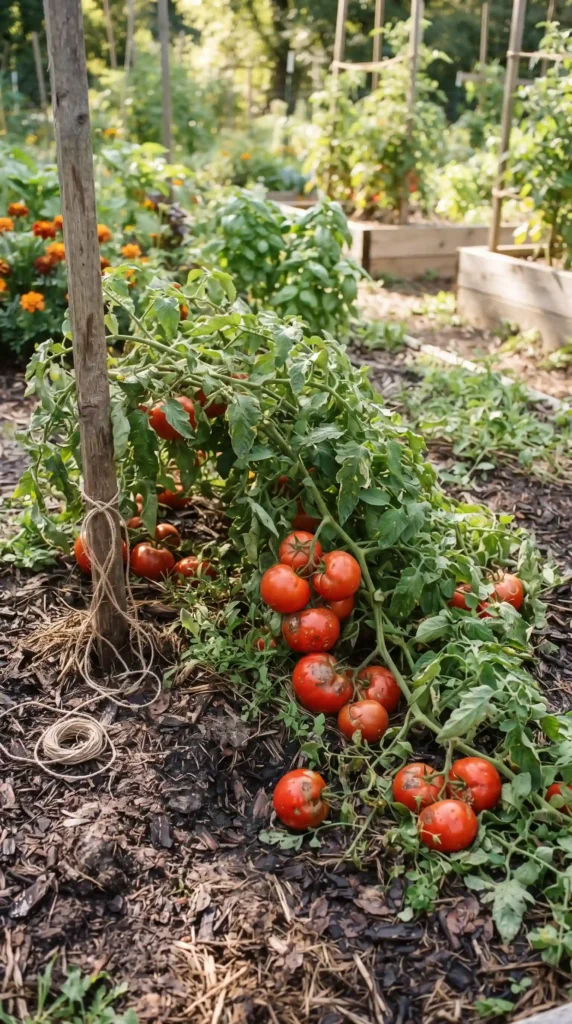
Too much water can be just as problematic as too little.
Constantly saturated soil can reduce oxygen around roots and contribute to root problems.
Signs of Excess Water
Watch for:
- Yellowing leaves
- Wilting despite wet soil
- Slow growth
- Poor root health
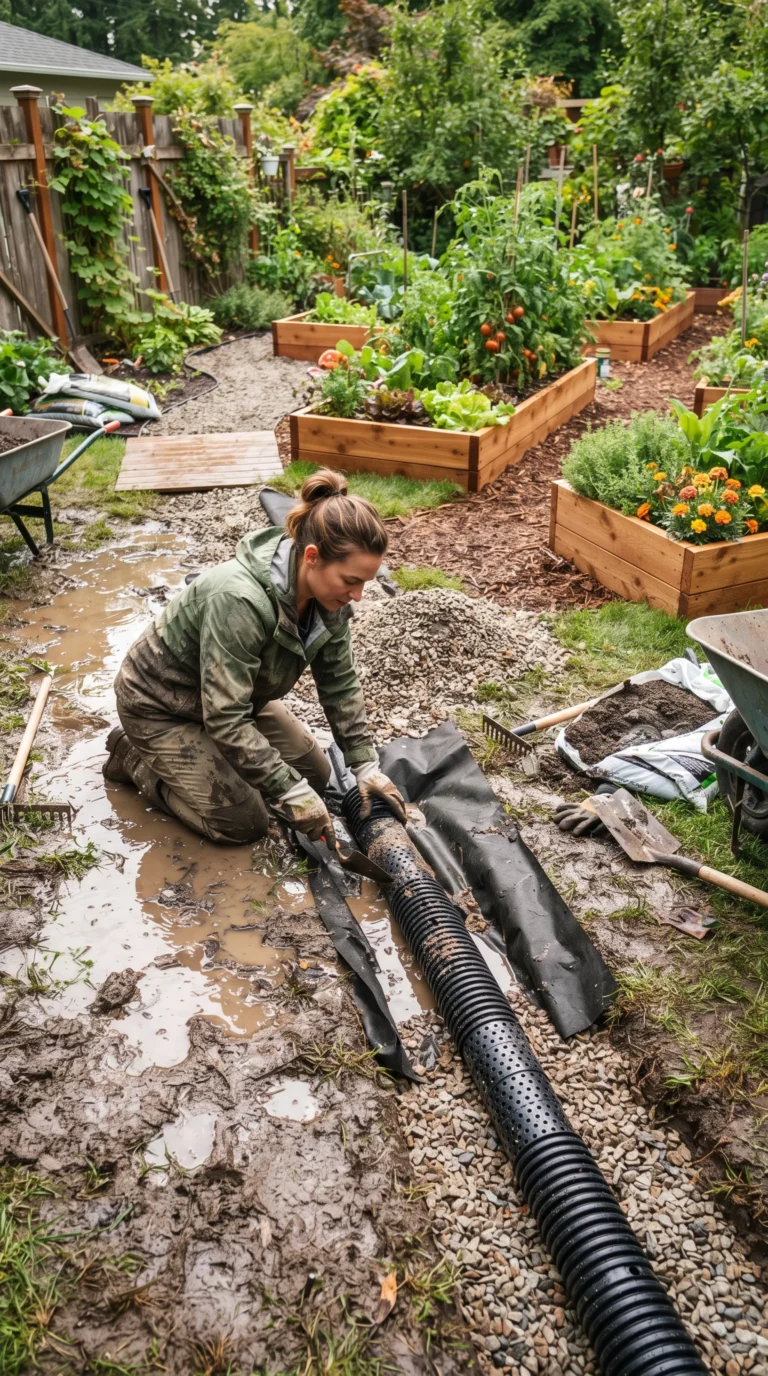
Make sure garden beds and containers drain properly.
6. Using Too Much Nitrogen
Nitrogen encourages leafy growth, but more isn’t always better.
Excess nitrogen can result in a plant producing lots of foliage while flowering and fruit production don’t keep pace.
Better Approach
Use a balanced fertility strategy based on soil conditions and the needs of your tomato variety.
Don’t automatically add fertilizer whenever growth seems slow.
A soil test can help identify actual nutrient problems.
7. Ignoring Soil Quality
Healthy tomatoes start with healthy soil.
Poorly drained, compacted, or nutrient-deficient soil can limit root development and plant growth.
Before planting, improve the soil appropriately with organic matter if needed.
Aim for a growing environment that provides:
- Good drainage
- Adequate nutrients
- Suitable structure
- Appropriate pH
8. Failing to Support Tomato Plants
Some tomato varieties can become large and heavy.
Without adequate support, stems may bend or break, fruit may rest on the ground, and foliage can become difficult to manage.
Better Approach
Install cages, stakes, trellises, or other appropriate supports early.
It’s much easier to support a young plant than to install a structure after it has become large and tangled.
Indeterminate tomatoes especially benefit from reliable support.
9. Planting Only One Tomato Variety
Growing one variety may seem simple, but it limits your options.
Different tomato varieties can have different:
- Maturity dates
- Fruit sizes
- Flavors
- Disease resistance
- Growth habits
- Heat tolerance
Better Approach
If space allows, grow several varieties suited to your climate.
This can provide a longer harvest window and help you discover which varieties perform best in your garden.
10. Ignoring Pests
Tomato plants can attract various pests.
Common examples include:
- Aphids
- Whiteflies
- Spider mites
- Tomato hornworms
- Stink bugs
Regular inspection makes it easier to catch problems before they become severe.
What to Check
Look at both sides of leaves, especially around new growth.
Inspect stems and fruit for unusual damage.
If you identify a pest, choose a management method appropriate for that specific pest rather than applying a broad treatment automatically.
11. Watering the Foliage Frequently
Wet foliage, particularly when plants remain wet for long periods, can create favorable conditions for some plant diseases.
Better Approach
When practical, direct water toward the soil around the plant rather than repeatedly wetting the leaves.
Water in the morning when possible so foliage that does become wet has time to dry.
Good plant spacing and airflow are also important.
12. Harvesting Too Late
Leaving ripe tomatoes on the plant for too long can expose them to cracking, pests, weather damage, or over-ripening.
Better Approach
Check your plants regularly as fruit begins changing color.
Harvest tomatoes at the appropriate stage for your preferred flavor and storage needs.
Many tomatoes can continue ripening off the vine after reaching an appropriate maturity stage.
Bonus Mistake: Ignoring the Tomato Variety
Not every tomato should be grown the same way.
There are two major growth habits to understand.
Determinate Tomatoes
Determinate tomatoes tend to grow to a more defined size and produce much of their crop over a relatively concentrated period.
They’re often useful for containers and smaller gardens.
Indeterminate Tomatoes
Indeterminate varieties continue growing and producing fruit throughout the season when conditions are favorable.
They generally need stronger support and more vertical space.
Understanding the variety you’re growing makes it easier to choose the right container, support system, spacing, and pruning approach.
How to Grow Healthier Tomatoes
Avoiding mistakes is only part of successful tomato gardening.
Use these basic practices:
Choose a Suitable Variety
Select varieties that fit your climate and available space.
Prepare the Soil
Ensure good drainage and adequate fertility.
Provide Enough Sunlight
Choose a location that meets the variety’s light requirements.
Water Consistently
Monitor soil moisture instead of relying on a rigid schedule.
Add Mulch
Mulch can help stabilize soil moisture and reduce soil splashing onto foliage.
Support Plants Early
Install stakes or cages before plants become large.
Inspect Regularly
Look for pests, diseases, nutrient problems, and environmental stress.
Common Tomato Problems and Possible Causes
Yellow Leaves
Possible causes include:
- Overwatering
- Underwatering
- Nutrient problems
- Natural aging
- Disease
Cracked Tomatoes
Often associated with inconsistent water availability or rapid changes in fruit water uptake.
Blossom-End Rot
Often associated with calcium availability problems within the developing fruit, frequently linked to inconsistent soil moisture or root stress.
Lots of Leaves but Few Tomatoes
Possible causes include excessive nitrogen, insufficient light, heat stress, or variety-specific growth patterns.
Wilting
Could result from drought, root problems, disease, heat, or other stresses.
Always examine the overall pattern before deciding on a treatment.
Final Thoughts
Knowing the mistakes to avoid when growing tomatoes can make a major difference in the health and productivity of your garden.
Don’t plant too early, overcrowd plants, overwater, overfertilize, or ignore pests and soil conditions. Give tomatoes suitable sunlight, consistent moisture, proper support, and enough room to grow.
Most importantly, observe your plants regularly.
Tomatoes often show visible signs when something is wrong. The earlier you notice those signs, the easier it is to correct the underlying problem.
With good planning and consistent care, even beginner gardeners can grow strong tomato plants and enjoy a rewarding harvest throughout the growing season.