Cottage Garden Style: How to Get That Lush, Romantic Look
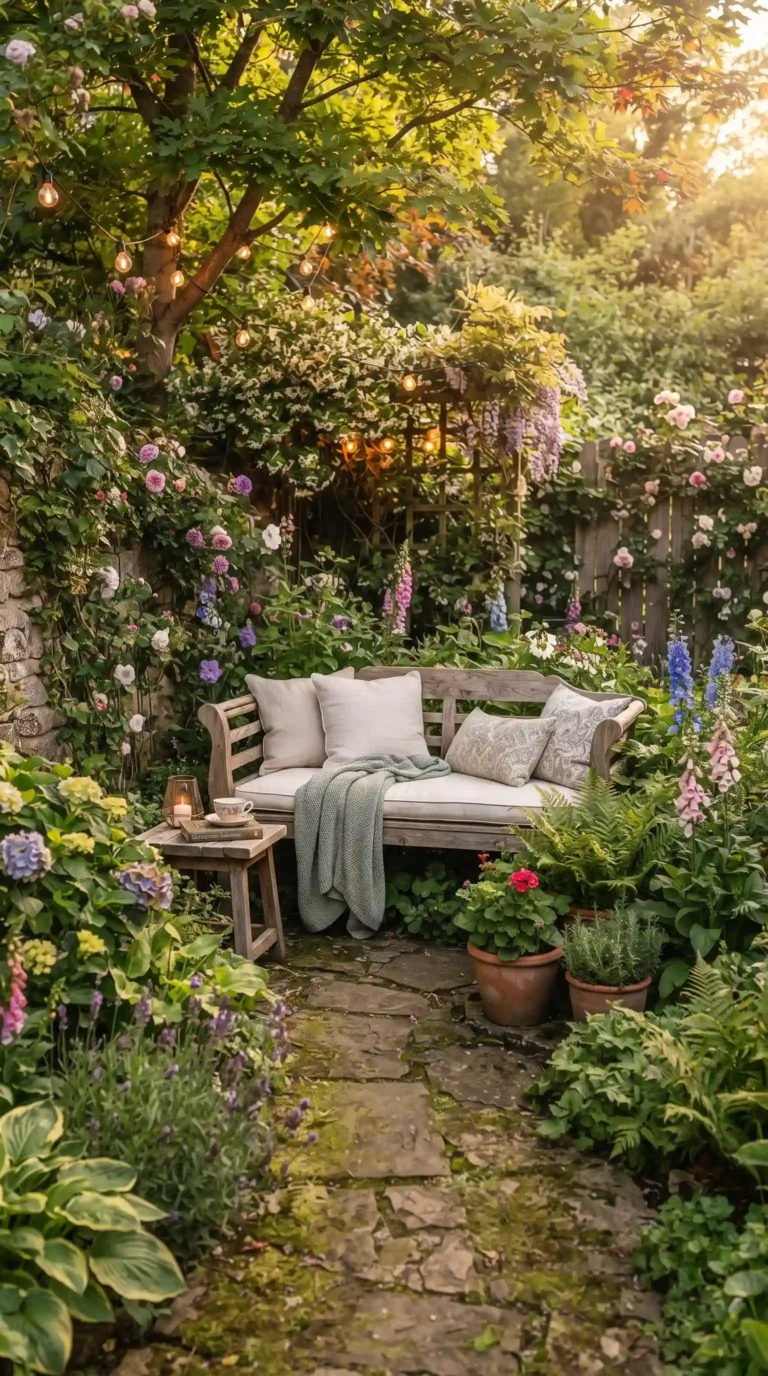
Few garden styles feel as timeless and inviting as the cottage garden. With overflowing flowers, winding paths, climbing plants, soft colors, and an intentionally relaxed appearance, cottage gardens create a romantic outdoor space that feels connected to nature.
The best part is that you don’t need a centuries-old English cottage to achieve the look. With thoughtful plant choices and a few simple design techniques, you can bring the lush cottage garden style to almost any backyard.
Whether you’re starting a new garden or transforming an existing flower bed, these ideas can help you create a charming, colorful, and relaxed landscape in 2026.
What Is Cottage Garden Style?

Cottage garden style is an informal approach to landscape design that emphasizes abundant planting, seasonal flowers, useful plants, and a relaxed appearance.
Traditional cottage gardens often combined ornamental flowers with herbs, vegetables, fruit trees, and other practical plants. Instead of organizing everything into perfectly symmetrical beds, gardeners allowed plants to grow together in a more natural way.
The result is a garden that feels abundant rather than carefully controlled.
Typical cottage garden features include:
- Dense flower planting
- Informal borders
- Climbing plants
- Roses
- Herbs
- Flowering shrubs
- Natural materials
- Winding pathways
- Vintage-inspired details
- A mixture of plant heights and textures
Start With a Soft Garden Layout

A cottage garden shouldn’t feel like a collection of perfectly straight lines.
Begin with an informal layout.
Curved pathways, irregular planting beds, and gently overlapping plant groups can create a more natural appearance.
If you already have a rectangular flower bed, you don’t need to rebuild it. Simply soften the edges by allowing plants to spill slightly over the borders.
The goal is to create a sense of movement.
Choose the Right Cottage Garden Plants

Plants are the heart of this garden style.
Instead of relying on one type of flower, combine plants with different heights, colors, textures, and bloom times.
Popular cottage garden plants include:
- Roses
- Foxgloves
- Delphiniums
- Hollyhocks
- Lavender
- Catmint
- Coneflowers
- Salvias
- Peonies
- Yarrow
- Shasta daisies
- Hardy geraniums
- Hydrangeas
You don’t need to grow every plant on the list. Choose species that are suitable for your climate and soil.
A romantic-looking garden that struggles because the plants aren’t adapted to your conditions won’t stay beautiful for long.
Create Layers of Height

One of the easiest ways to achieve a lush cottage garden look is to plant vertically.
Place taller plants toward the back or center of the bed, medium-height plants in the middle, and low-growing plants toward the front.
For example:
Back: Hollyhocks, delphiniums, tall grasses
Middle: Roses, coneflowers, salvias
Front: Lavender, catmint, low-growing geraniums
This layered structure makes the garden appear fuller while ensuring that smaller plants remain visible.
Don’t Be Afraid of Planting Density

Traditional cottage gardens often have a generous amount of planting.
Instead of leaving large empty spaces between every plant, use compatible plants to fill the garden.
As plants mature, they can overlap and create the impression that the garden has naturally developed over time.
However, avoid overcrowding plants simply to achieve an instant lush appearance. Plants still need adequate airflow and space to reach their mature size.
Add Roses for Romance
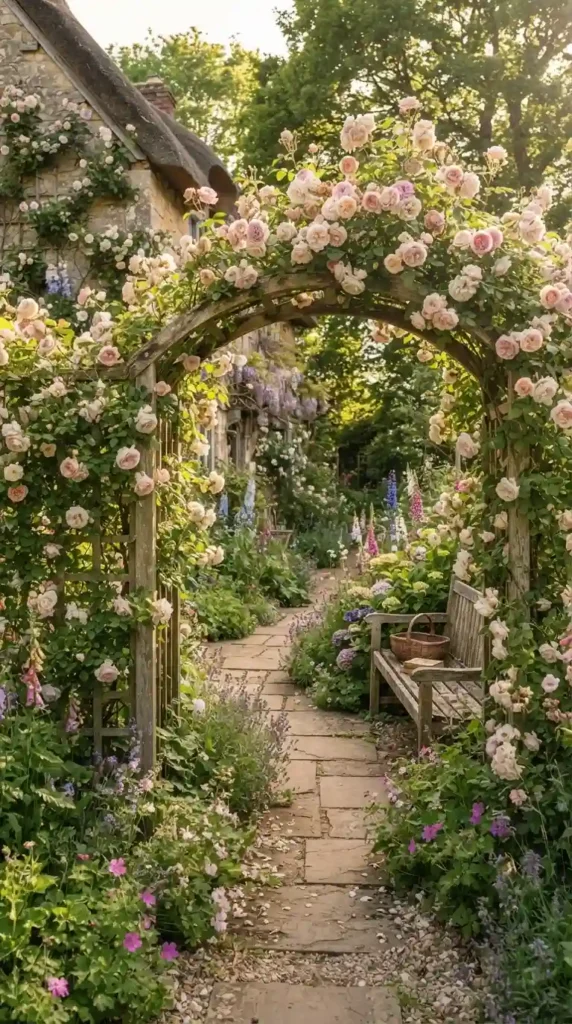
Few plants create a stronger romantic atmosphere than roses.
Climbing roses can be trained over arches, fences, pergolas, and walls.
Shrub roses can be incorporated into mixed borders alongside perennials.
For a cottage-inspired appearance, avoid making roses the only feature. Combine them with other flowers and foliage so the planting feels layered rather than formal.
Grow Climbing Plants
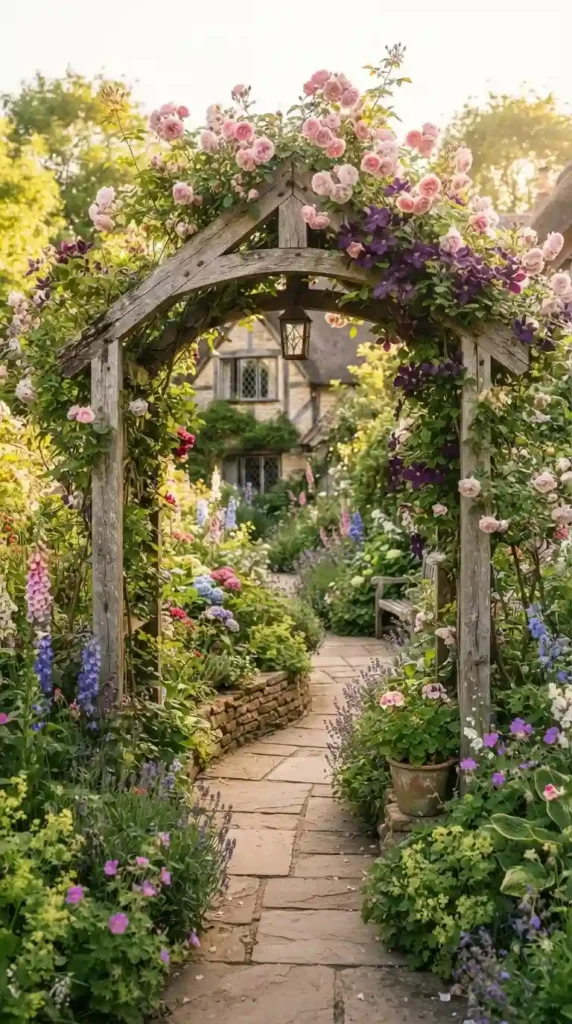
Vertical planting is especially useful in small gardens.
Consider suitable climbers such as:
- Clematis
- Climbing roses
- Honeysuckle
- Jasmine in appropriate climates
- Sweet peas
Use trellises, arches, fences, and pergolas to create vertical interest.
Climbing plants can also help soften hard structures and create a sense of enclosure.
Use a Romantic Color Palette

Cottage gardens are often associated with soft, harmonious colors.
You might combine:
- Soft pink
- Lavender
- White
- Blue
- Cream
- Pale yellow
But don’t feel restricted to pastel shades.
Deep burgundy, rich purple, bright yellow, and vibrant red can also work beautifully when balanced with softer foliage and flowers.
The key is repetition.
Repeat a few colors throughout the garden rather than using a completely different color in every section.
Mix Flowers With Herbs
Traditional cottage gardens often included useful plants alongside ornamental flowers.
Consider incorporating herbs such as:
- Rosemary
- Thyme
- Sage
- Oregano
- Chives
- Mint
Be careful with aggressive spreaders such as mint; growing them in containers can help keep them contained.
Herbs add fragrance and texture while reinforcing the informal character of the garden.
Add a Winding Path
A pathway can make even a small cottage garden feel more inviting.
Instead of a perfectly straight walkway, consider a gently curved route.
Materials such as gravel, brick, stone, or stepping stones can complement the style.
A winding path also creates a sense of discovery by partially hiding sections of the garden.
Use Natural Materials
Cottage garden design works particularly well with natural or weathered materials.
Consider:
- Stone
- Brick
- Wood
- Gravel
- Wrought iron
- Weathered fences
Avoid making every element look brand new.
A slightly aged appearance can enhance the relaxed character of the landscape.
Add a Small Seating Area
A cottage garden should be enjoyed, not simply photographed.
Add a bench, small table, or comfortable outdoor chair where you can sit among the plants.
Position seating near fragrant flowers or a visually interesting border.
A small seating area can become the focal point of the garden without requiring expensive landscaping.
Encourage Pollinators
The informal planting style of cottage gardens naturally works well with pollinator-friendly gardening.
Include flowers that provide nectar and pollen throughout the growing season.
Plants such as lavender, coneflower, salvia, catmint, asters, and native flowering species can attract bees, butterflies, and other beneficial insects.
Whenever possible, include native plants suited to your region.
A beautiful garden can also provide valuable habitat.
Make the Garden Look Naturally Messy—But Not Neglected
This is one of the hardest parts of cottage garden design.
You want abundance without chaos.
Allow some flowers to lean and overlap, but maintain clear paths and remove invasive weeds.
Deadhead plants when appropriate, but consider leaving some seedheads for birds and winter interest.
Prune shrubs according to their growth requirements rather than trying to make every plant perfectly symmetrical.
The garden should look relaxed rather than abandoned.
Cottage Garden Ideas for Small Spaces
You don’t need a huge backyard.
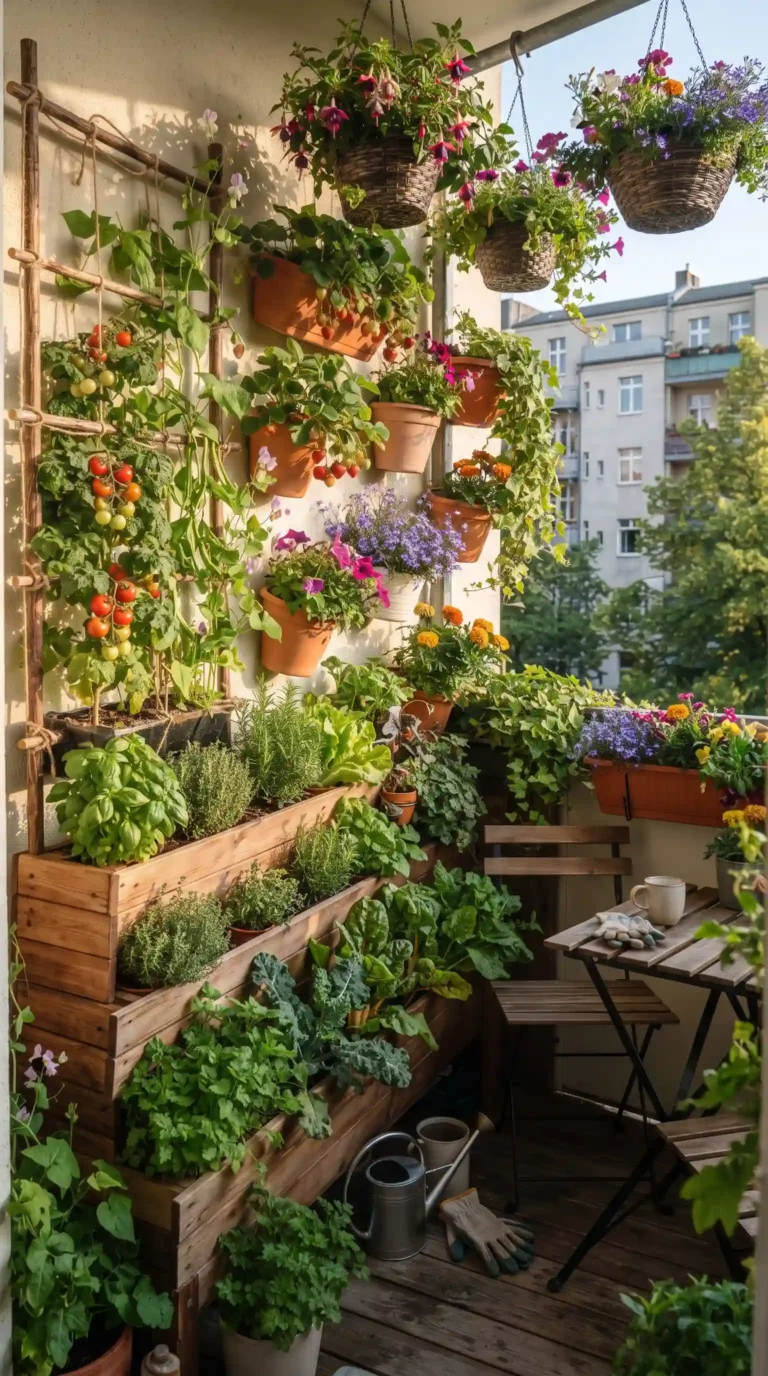
For small gardens, focus on vertical growth.
Use:
- Trellises
- Climbing roses
- Wall planters
- Containers
- Narrow borders
- Hanging baskets
A combination of containers and vertical planting can create a cottage-inspired atmosphere even on a small patio.
Cottage Garden Mistakes to Avoid
Planting Without a Plan
A relaxed garden still needs structure.
Choosing Plants That Don’t Suit Your Climate
Always consider hardiness, sunlight, drainage, and mature size.
Using Too Many Different Colors
A limited color palette usually creates a more cohesive appearance.
Ignoring Plant Spacing
Overcrowding can lead to poor airflow and maintenance problems.
Making Everything Perfect
The charm of cottage gardens comes partly from their informal character.
How to Create a Cottage Garden on a Budget
You don’t need an expensive landscaping project.
Start with one small border.
Grow plants from seed where practical, divide established perennials, and look for locally appropriate plants.
Use inexpensive materials such as gravel, reclaimed-looking wood, or simple stepping stones for paths.
Add decorative elements gradually rather than buying everything at once.
The garden will become more attractive as the plants mature.
Final Thoughts
Creating a beautiful cottage garden style is less about following strict rules and more about creating a sense of abundance, charm, and relaxed beauty.
Mix flowers, shrubs, herbs, grasses, and climbing plants. Use layers of height, repeat colors, soften hard edges, and create pathways that encourage people to explore.
Most importantly, choose plants that can thrive in your local conditions.
A successful cottage garden doesn’t have to be perfectly manicured. Its beauty comes from the way plants overlap, bloom at different times, attract wildlife, and create an outdoor space that feels welcoming.
Start with one border, add plants gradually, and let your garden evolve. Over time, you can create the lush, romantic cottage garden look you’ve been dreaming about without needing a massive yard or an enormous budget.