Rewilding Your Backyard: Let Nature Take Over and Why It’s a Good Idea
What if your backyard didn’t need to look perfectly trimmed to be beautiful?
For generations, many homeowners have been taught that a good garden means short grass, carefully clipped shrubs, weed-free flower beds, and neatly arranged plants. But a growing gardening movement is challenging that idea. Rewilding your backyard means allowing more natural processes to return to your outdoor space while intentionally creating habitat for birds, pollinators, insects, and other wildlife.
Rewilding doesn’t mean abandoning your garden completely. Instead, it means finding a balance between the spaces you use and areas where nature can take the lead.
Whether you have a large yard or a small suburban garden, simple changes can turn an ordinary outdoor space into a more diverse and wildlife-friendly habitat.
What Is Backyard Rewilding?
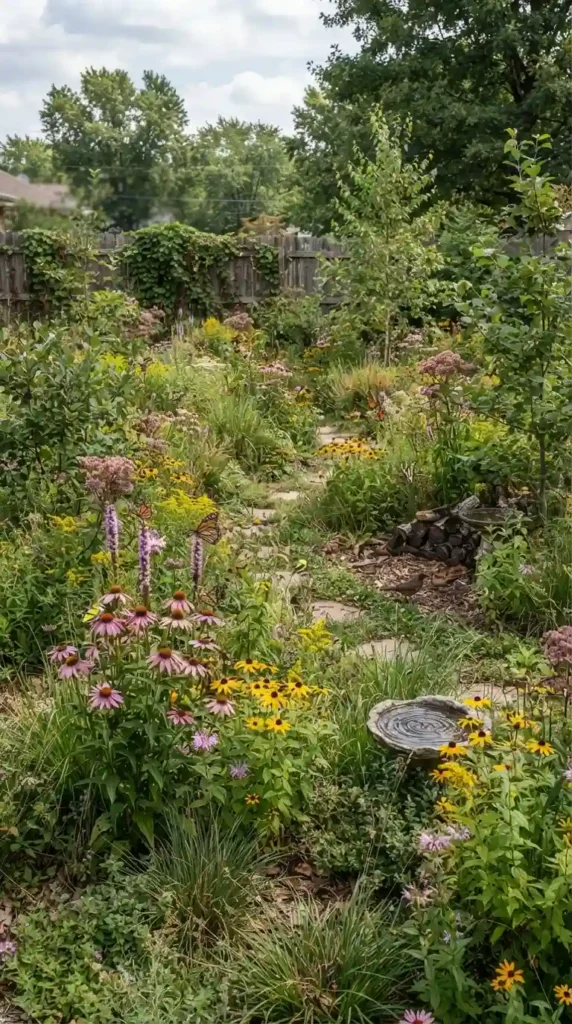
Backyard rewilding is the practice of making residential outdoor spaces more supportive of native wildlife and natural ecological processes.
Instead of trying to control every part of the landscape, you allow some plants to grow naturally, reduce unnecessary mowing, add native species, and provide food, shelter, and water for wildlife.
A rewilded garden can include:
- Native trees and shrubs
- Wildflowers
- Native grasses
- Fallen leaves
- Logs and branches
- Pollinator plants
- Bird-friendly habitats
- Small water sources
- Less frequently mowed areas
The exact design depends on your region and property.
Why Is Rewilding Your Backyard a Good Idea?
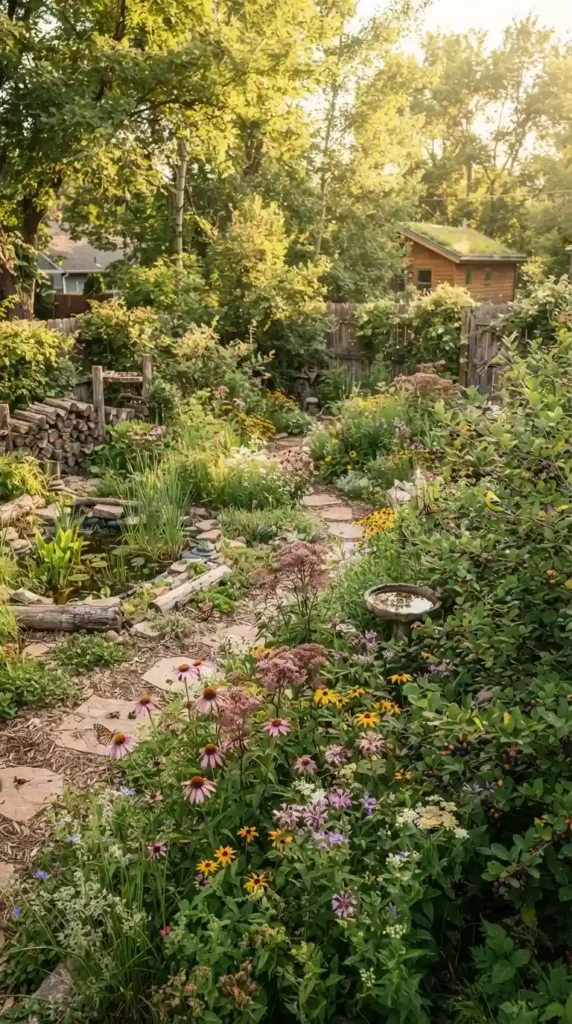
There are several reasons homeowners are embracing the idea.
It Supports Wildlife
Native plants can provide food and shelter for insects, birds, and other wildlife.
Flowers offer nectar and pollen, while leaves can serve as food for caterpillars. Seeds, berries, and fruits can support birds and other animals.
A diverse garden generally provides more opportunities for wildlife than a landscape dominated by closely mowed lawn.
It Can Support Pollinators
Bees, butterflies, moths, and other insects depend on suitable plants and habitat.
A backyard filled with different native flowers can provide food throughout multiple seasons.
Instead of planting only one type of flowering plant, try combining species with different bloom periods.
It Reduces Lawn Maintenance
A large traditional lawn can require regular mowing, watering, edging, fertilizing, and weed management.
Allowing part of your lawn to become a naturalized area can reduce some of these maintenance tasks.
You don’t have to eliminate your lawn. Even converting a portion of it can make a difference.
It Creates More Biodiversity
A garden containing trees, shrubs, flowers, grasses, groundcovers, and natural materials provides more habitat layers than a uniform lawn.
Different wildlife species can use different parts of the garden.
Start Small With a Rewilding Zone
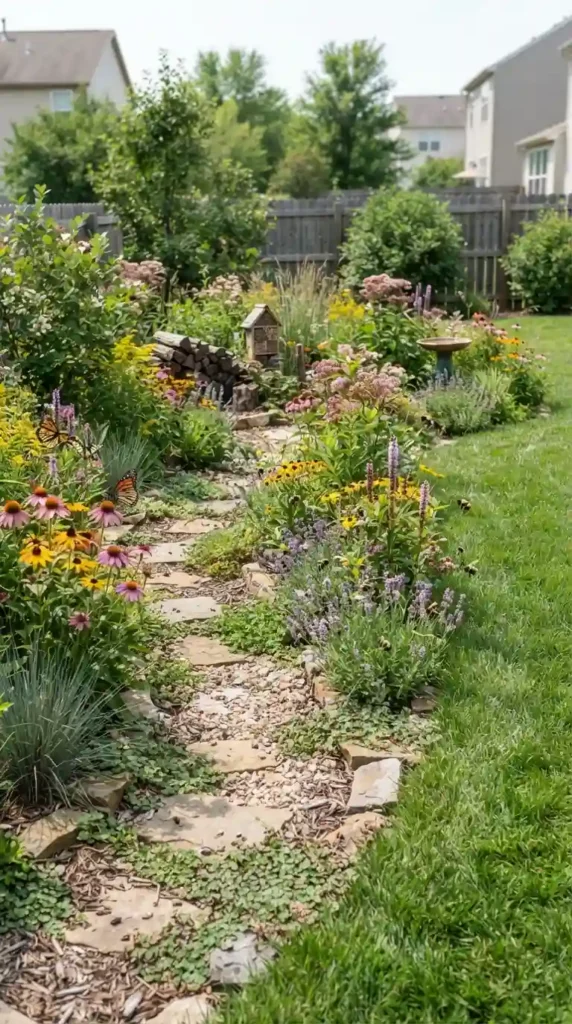
You don’t need to transform your entire backyard overnight.
Start with a small section.
Choose an area that is rarely used and reduce mowing there. Introduce suitable native plants and allow some natural growth to develop.
Over time, you can expand the area if you like the results.
This gradual approach also allows you to learn which plants perform well in your particular soil and climate.
Choose Native Plants
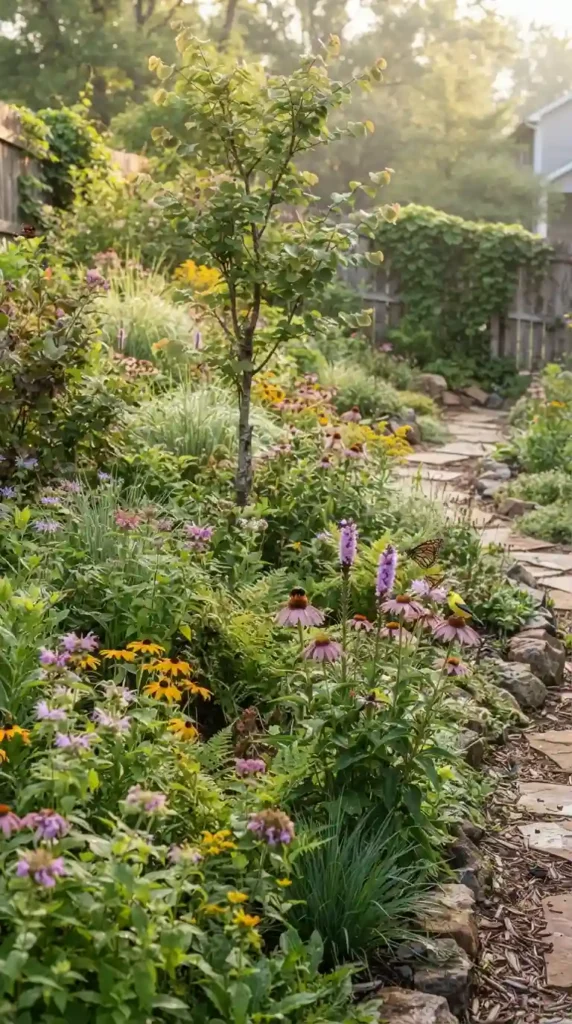
One of the most useful steps in rewilding your backyard is selecting plants that naturally belong in your region.
Native plants have developed alongside local insects and wildlife, making them valuable components of local ecosystems.
Consider planting a mixture of:
- Native trees
- Native shrubs
- Flowering perennials
- Native grasses
- Groundcovers
Don’t rely on a generic “native plant” list for the entire country. A plant native to one state may not be native to another.
Your local native-plant society, botanical garden, or university extension service can help you identify appropriate species.
Stop Mowing Every Inch
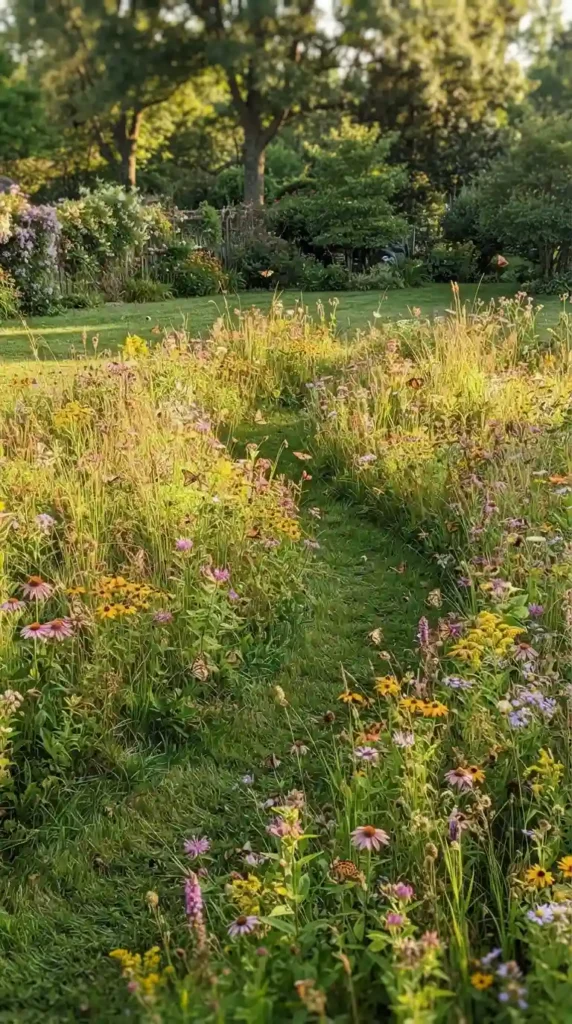
Frequent mowing prevents many plants from flowering and removes habitat for insects.
Consider creating a no-mow or low-mow area.
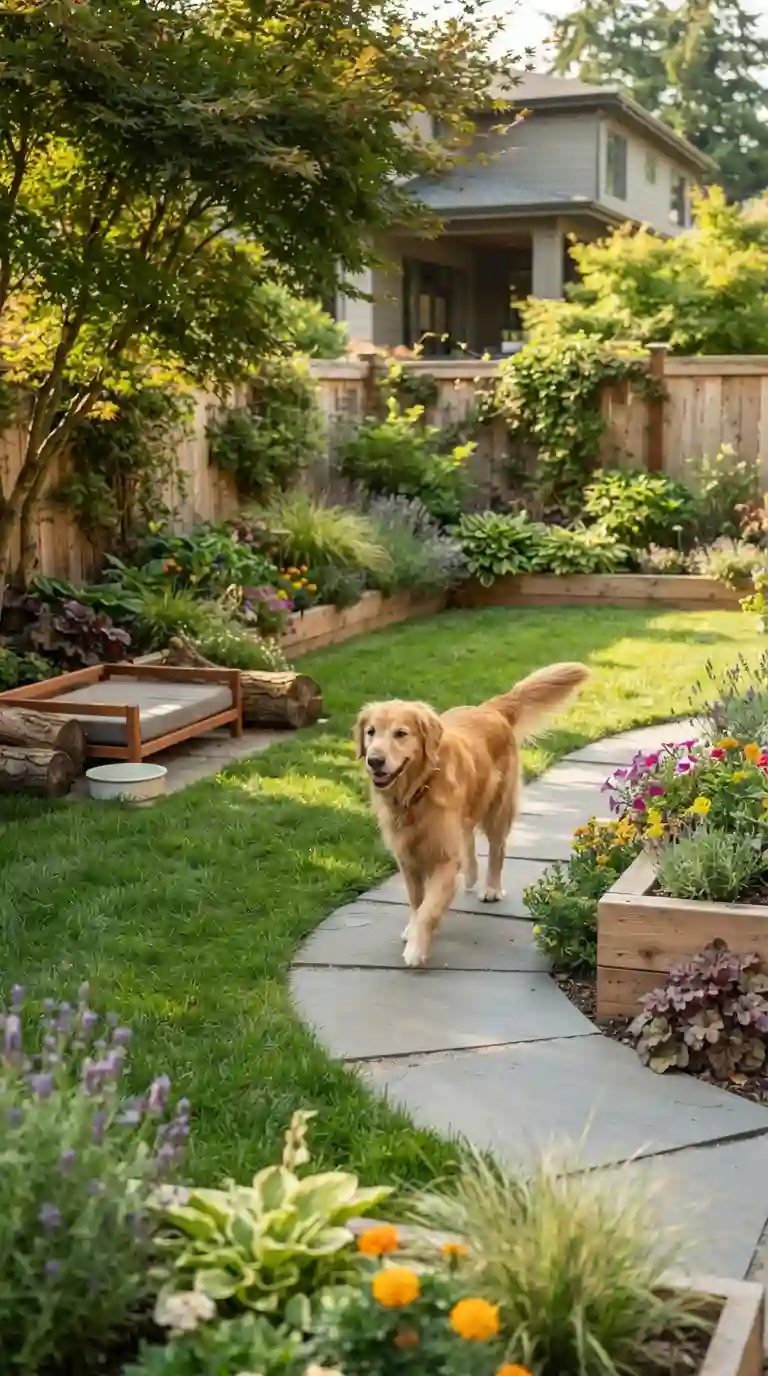
You can mow paths through it so the garden still looks intentional and remains easy to navigate.
A mowed path through a meadow-style planting can create a beautiful contrast between managed and natural areas.
The goal isn’t necessarily to let invasive weeds take over. Instead, guide the area toward a diverse plant community suited to your region.
Leave the Leaves
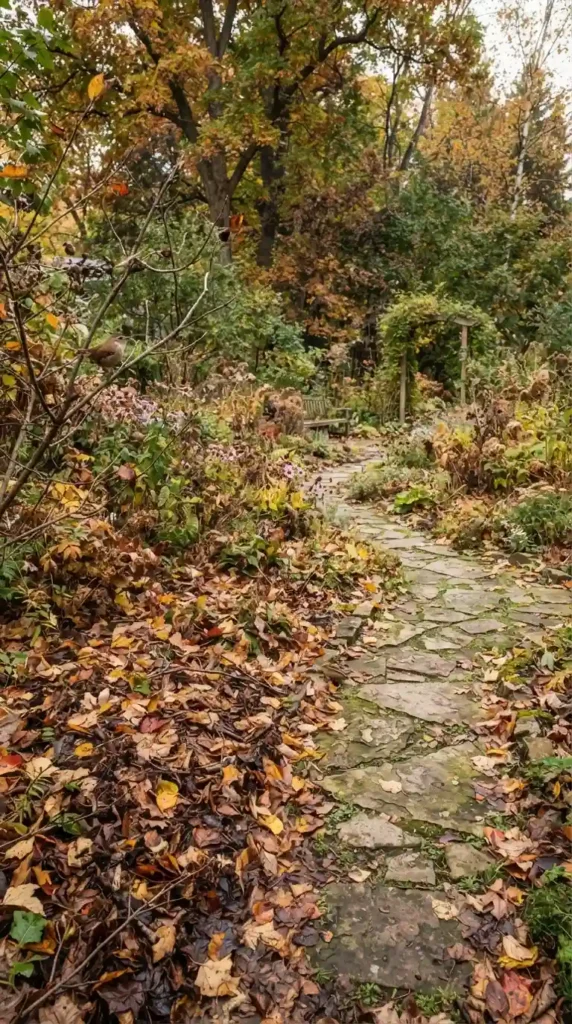
Autumn leaves aren’t necessarily garden waste.
Leaves can provide shelter for insects and other small organisms while gradually returning nutrients and organic matter to the soil.
Rather than removing every leaf from your property, consider leaving them in garden beds and naturalized areas.
If thick layers accumulate on lawn, you can mulch them with a mower where appropriate.
Add Native Trees and Shrubs
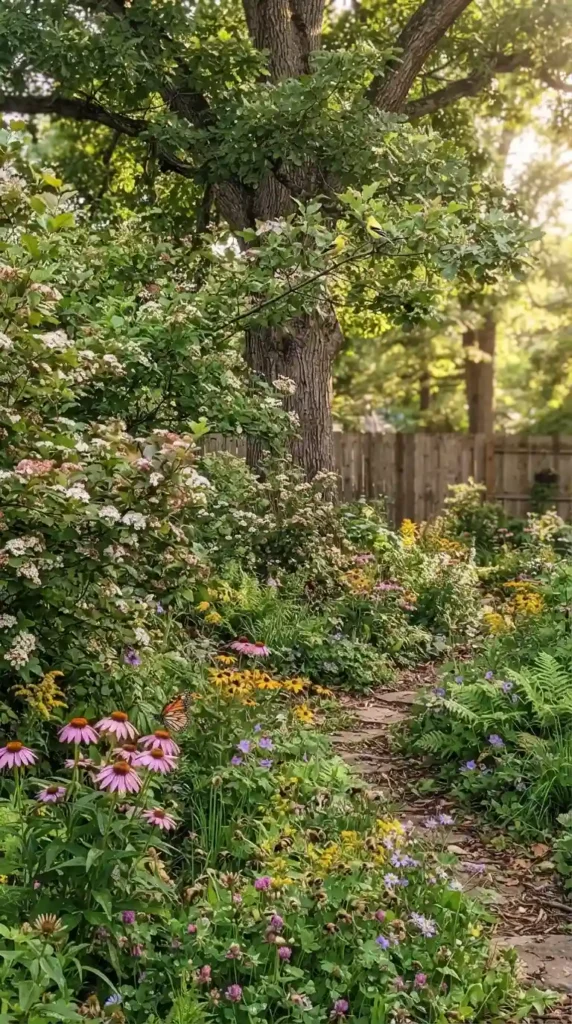
Trees and shrubs can dramatically increase the habitat value of a backyard.
They provide:
- Nesting opportunities
- Cover
- Shade
- Flowers
- Fruits
- Seeds
- Insect habitat
Even a small native tree can provide benefits that aren’t possible with a simple lawn.
Think vertically when designing a rewilded garden. Use trees as the upper layer, shrubs beneath them, and flowering plants and groundcovers at ground level.
Create a Wildlife-Friendly Water Source
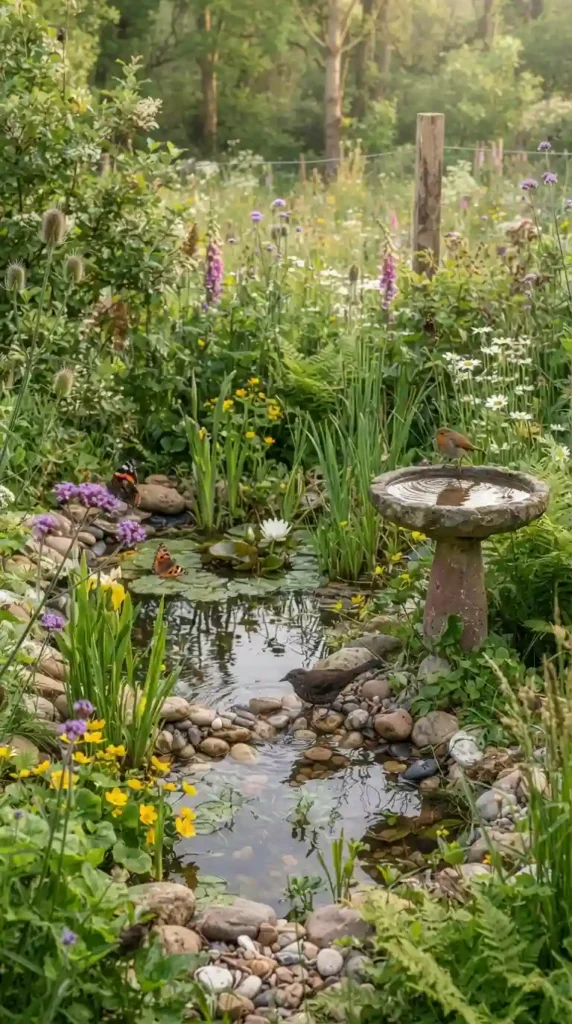
Wildlife needs water as well as food and shelter.
A shallow birdbath can be a simple starting point.
If you install a larger pond, include shallow areas where animals can safely access water.
Change birdbath water regularly and keep the container clean.
You don’t need an elaborate water feature to make your backyard more useful to wildlife.
Build a Small Wildlife Shelter
Natural materials can provide excellent habitat.
Consider leaving:
- Fallen branches
- A small log pile
- Leaf litter
- Hollow stems
- Brush piles
These materials can provide hiding places for insects and other organisms.
Avoid turning your entire yard into a pile of debris. Instead, create intentional habitat areas that remain compatible with how you use the garden.
Avoid Pesticide Overuse
A rewilded garden should support insects rather than automatically treating every insect as a problem.
Before using a pesticide, identify the pest and determine whether treatment is actually necessary.
Encouraging natural predators can sometimes help keep pest populations under control.
Ladybugs, lacewings, predatory beetles, birds, and other organisms can all contribute to a healthy garden ecosystem.
Don’t Confuse Rewilding With Neglect
This is one of the most important distinctions.
Rewilding is not simply letting everything grow indefinitely.
A successful rewilded backyard still benefits from thoughtful management.
Remove invasive plants where necessary, maintain pathways, control vegetation around structures, and prune plants when appropriate.
You are creating a more natural landscape—not abandoning responsibility for the property.
Make Your Rewilded Garden Look Intentional
Some neighbors may initially think an unmowed area looks messy.
You can make the design appear intentional by creating clear boundaries.
Try:
- Mowed paths
- Defined garden edges
- Informal seating areas
- Native plant groupings
- Signage explaining a wildlife garden
- Decorative borders
- Clearly defined naturalized zones
A simple visual structure can make a wild-looking garden feel designed.
Rewilding Ideas for Small Backyards
You don’t need acres of land.
For a small yard, consider:
Replace a Lawn Section
Turn one corner into a native flower bed.
Add a Native Shrub
A single shrub can provide food and shelter.
Plant a Small Native Tree
Choose a species appropriate for your available space.
Add Containers
If you rent or have limited ground space, use containers for suitable native plants.
Create a Mini Meadow
A small patch of native flowers and grasses can become a valuable feature.
Common Backyard Rewilding Mistakes
Planting Invasive Species
Not every fast-growing plant is beneficial. Research plants before introducing them.
Choosing Plants Only for Appearance
Select species based on local ecology as well as aesthetics.
Doing Too Much Too Quickly
Start small and observe what happens.
Removing Every Fallen Branch
Some natural materials can provide valuable habitat.
Ignoring Local Regulations
Some neighborhoods, homeowners’ associations, or local authorities may have rules concerning vegetation height or property appearance. Check applicable regulations before creating large naturalized areas.
A Simple Backyard Rewilding Plan
If you’re not sure where to start, use this basic sequence:
Step 1: Choose one underused section of your yard.
Step 2: Reduce mowing in that area.
Step 3: Identify and remove invasive plants.
Step 4: Add regionally appropriate native plants.
Step 5: Leave some fallen leaves and natural materials.
Step 6: Add a shallow water source if appropriate.
Step 7: Create a path or clear boundary.
Step 8: Observe wildlife activity and adjust the garden over time.
This approach keeps the project manageable while allowing the landscape to evolve naturally.
Final Thoughts
Rewilding your backyard doesn’t mean giving up on gardening. It means changing the way you think about what a garden should be.
Instead of controlling every leaf, flower, and patch of grass, you can create areas where native plants and wildlife have more room to thrive.
Start small. Replace part of your lawn with native plants, mow less frequently, leave some leaves, provide water and shelter, and avoid unnecessary pesticide use.
The result may look different from a traditional manicured yard—but that difference is the point.
A rewilded backyard can become more than an attractive outdoor space. It can become a small but meaningful piece of habitat that supports biodiversity right outside your door.