Best 6 Smart Gardening Technologies for 2025
Gardening is becoming easier and more efficient with the help of modern technology. From automatic watering systems to smart sensors, gardeners now have access to tools that can help them monitor plants, save water, and manage garden tasks with less manual effort.
The best 6 smart gardening technologies for 2025 include smart irrigation systems, soil moisture sensors, weather monitoring tools, automated lighting, AI-powered plant monitoring, and robotic gardening equipment. These technologies can support home gardeners, greenhouse growers, and people who want to maintain plants in limited spaces.
Smart gardening does not mean replacing every traditional gardening method. Instead, it means using technology where it provides real value. Even a simple moisture sensor or automatic watering timer can make garden care more convenient.
What Is Smart Gardening?
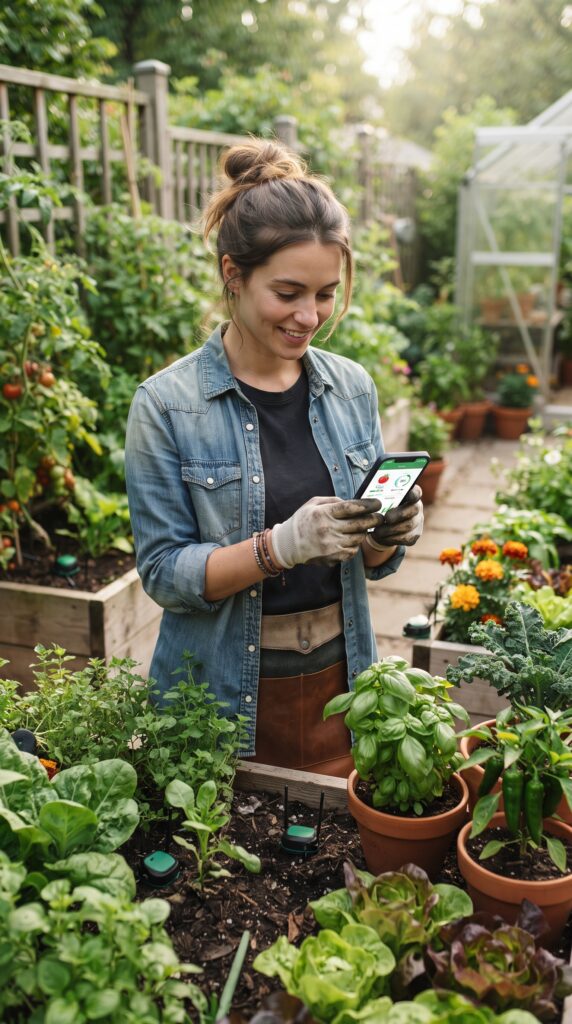
Smart gardening uses connected devices, sensors, automation, and digital tools to help manage plants and growing environments.
Some systems collect information about soil moisture, temperature, humidity, and sunlight. Others use this information to control watering, lighting, or ventilation.
Many smart gardening devices connect to a smartphone app, allowing users to check conditions or adjust settings remotely.
Smart gardening can help with:
- Monitoring soil and plant conditions
- Managing watering schedules
- Tracking temperature and humidity
- Supporting indoor plant growth
- Reducing repetitive gardening tasks
- Making garden care more organized
The results depend on the device, how it is installed, and whether its recommendations match the plants and local conditions.
1. Smart Irrigation Systems
Smart irrigation is one of the most practical technologies for modern gardening. These systems automate watering using timers, soil sensors, weather information, or a combination of these features.
Instead of watering every plant according to a fixed schedule, a smart system can help adjust irrigation based on changing conditions.
How Smart Irrigation Works
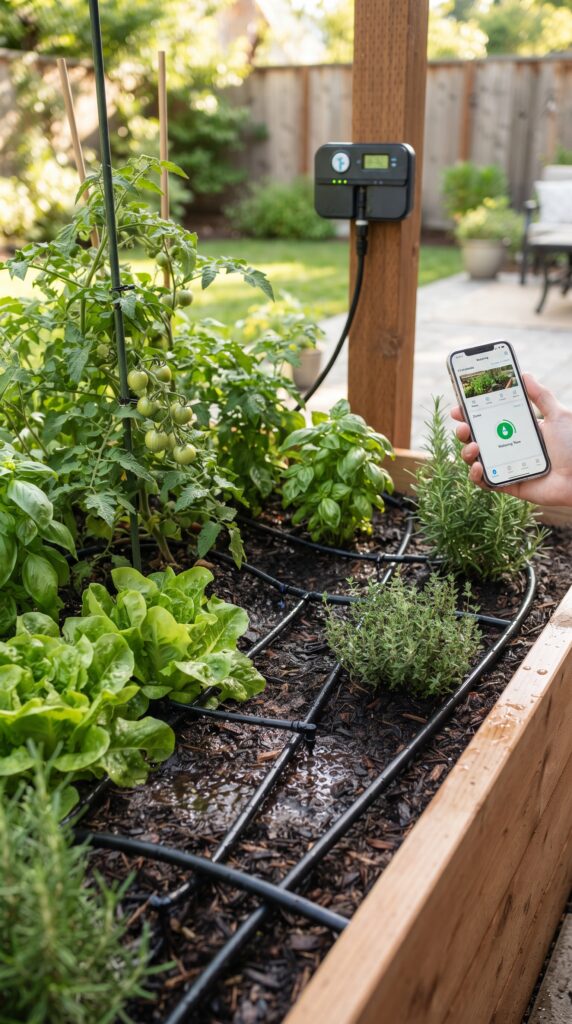
A smart irrigation system may include a controller, water valves, sensors, and a connected app.
Depending on its features, it can:
- Schedule watering times
- Adjust watering duration
- Respond to soil moisture readings
- Pause watering after rainfall
- Control different garden zones
- Allow remote adjustments
Some advanced systems use weather data and predictive algorithms to estimate when plants need water. Research published in 2025 describes how IoT sensors and predictive models can support more adaptive irrigation decisions. <Cite refs={[“turn0search1″,”turn0search4”]} />
Benefits of Smart Irrigation
Smart irrigation can reduce unnecessary watering when correctly installed and configured. It can also help gardeners manage different areas separately.
For example, a vegetable bed may need more frequent watering than a section containing drought-tolerant herbs.
However, a smart controller does not automatically guarantee water savings. Poor sensor placement, incorrect settings, or unsuitable irrigation equipment can still lead to overwatering.
2. Soil Moisture Sensors
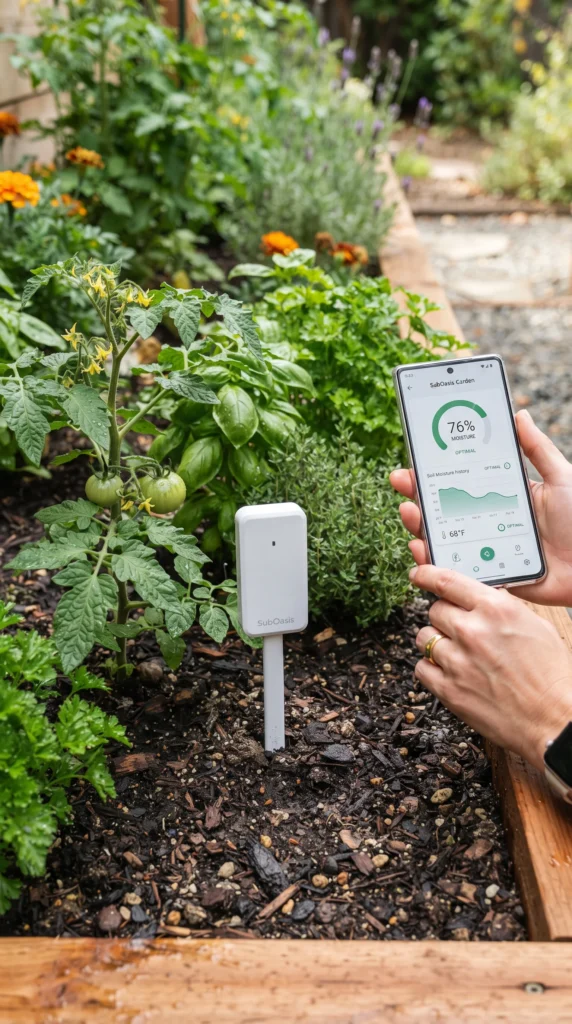
Soil moisture sensors help gardeners understand how much water is present in the soil.
This is useful because the surface of the soil can look dry even when the root zone still contains enough moisture. The opposite can also happen: the surface may look damp while deeper soil is too dry.
How Soil Moisture Sensors Work
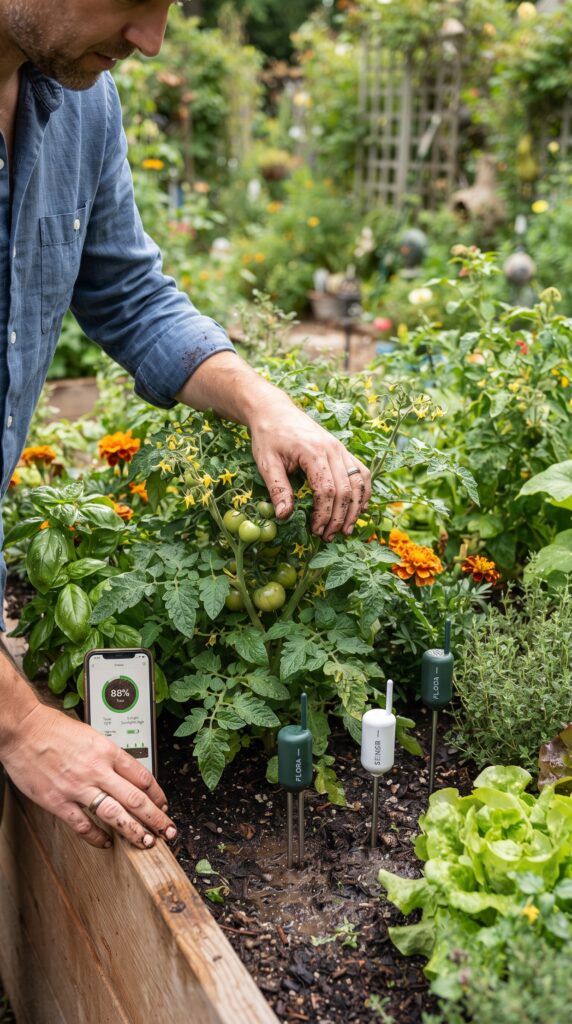
A sensor is placed in the soil, often near the root zone. It measures moisture using its sensing method and provides a reading through a display, controller, or smartphone app.
Some models simply show a moisture level. Others can connect to irrigation equipment and help trigger watering when moisture falls below a selected threshold.
Soil moisture monitoring is a major part of smart irrigation research and precision growing systems. <Cite refs={[“turn0search2″,”turn0search9”]} />
Why Gardeners Use Moisture Sensors
Moisture sensors can help:
- Reduce guesswork about watering
- Identify dry areas in garden beds
- Monitor container plants
- Support more consistent irrigation
- Avoid watering when soil is already moist
Different soils and plants need different moisture levels. A reading that works for one plant may not be suitable for another, so sensors should be calibrated and interpreted according to the garden.
3. Smart Weather Stations
Weather conditions have a major effect on plant growth. Temperature, humidity, rainfall, wind, and sunlight can all influence watering needs and garden maintenance.
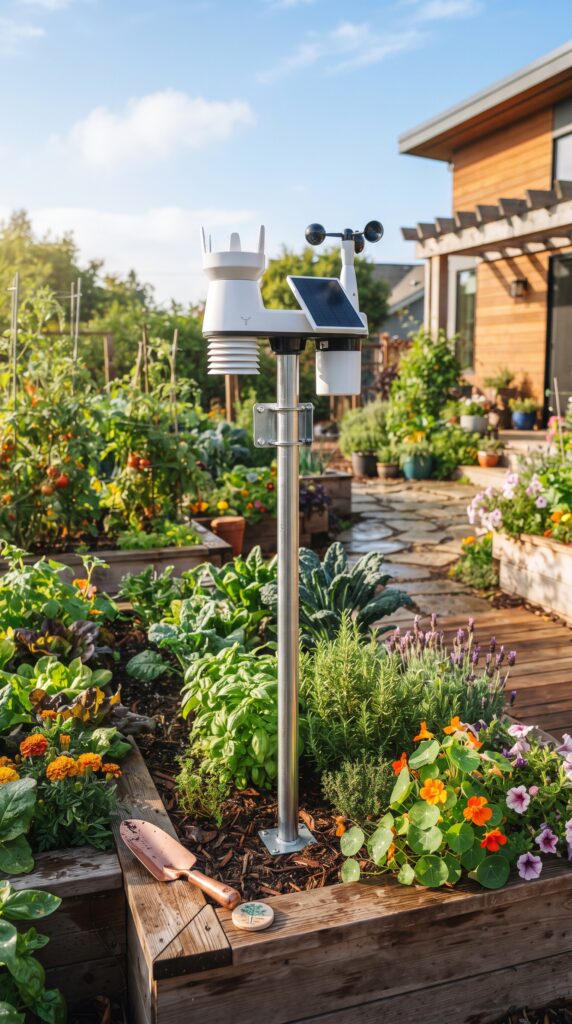
Smart weather stations collect local environmental information and make it available through a display or connected app.
What Smart Weather Stations Measure
Depending on the model, a weather station may monitor:
- Air temperature
- Relative humidity
- Rainfall
- Wind speed
- Wind direction
- Sunlight or solar radiation
Some systems combine local readings with online forecasts to help gardeners plan their activities.
Research on smart horticulture identifies weather monitoring as a useful application of connected sensors because environmental data can support irrigation planning and crop management. <Cite refs={[“turn0search7″,”turn0search9”]} />
Practical Uses in a Home Garden
A weather station can help you decide when to water, protect delicate plants, or move containers to a sheltered location.
For example, if heavy rain is expected, you may be able to delay scheduled irrigation. During unusually hot weather, you can check plants more frequently for signs of water stress.
Weather information is helpful, but forecasts and sensor readings are not perfect. Always check the actual condition of your plants and soil.
4. Automated Grow Lights
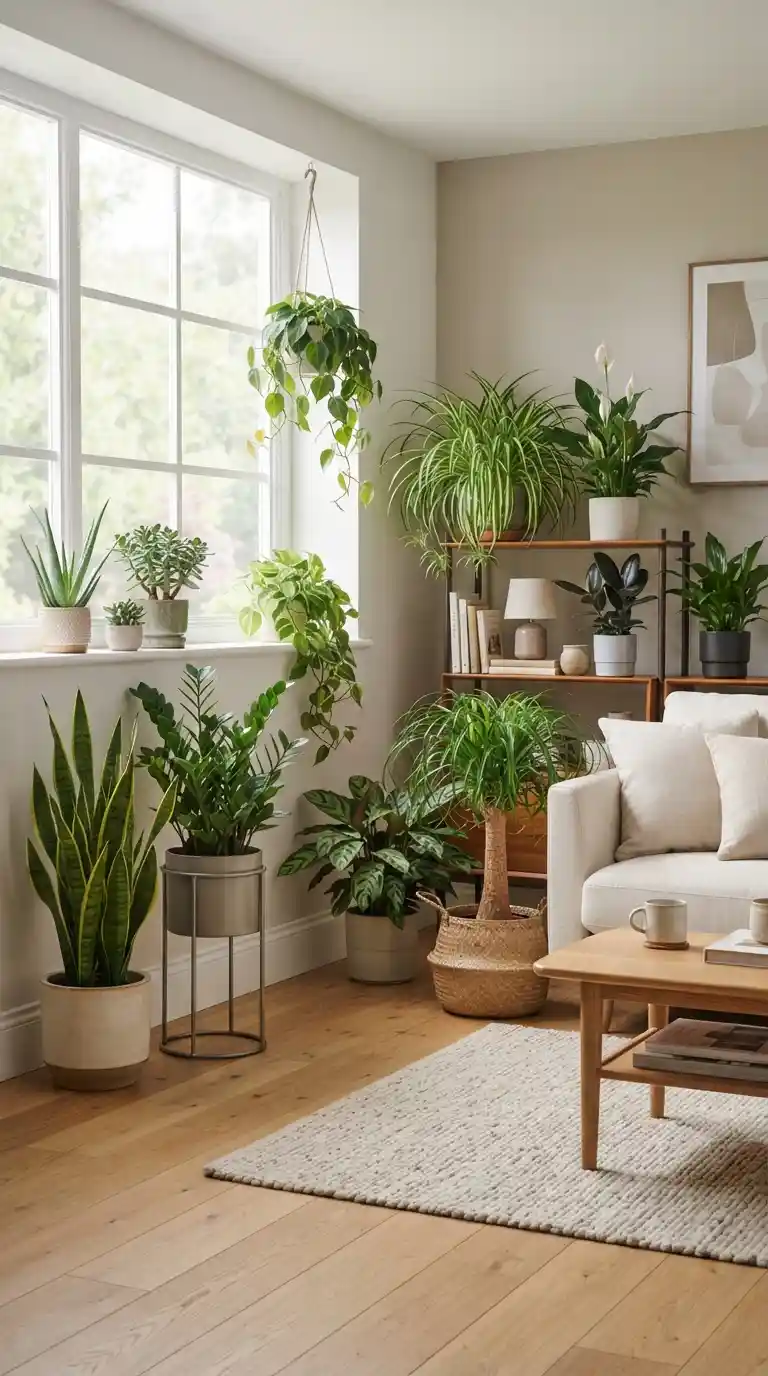
Automated grow lights are especially useful for indoor gardening, seed starting, and growing plants in spaces with limited natural sunlight.
These systems provide artificial light to support plant growth when outdoor sunlight is unavailable or insufficient.
How Smart Grow Lights Work
Some grow lights use timers to turn on and off automatically. More advanced systems allow users to adjust brightness, timing, or lighting programs through a controller or app.
Features may include:
- Programmable lighting schedules
- Adjustable brightness
- Different light settings
- Remote control
- Timed on-and-off cycles
The appropriate light schedule depends on the plant species and its growth stage.
Benefits for Indoor Plants
Automated lighting can make it easier to maintain a consistent routine for indoor plants.
It can be useful for seedlings, herbs, and some vegetables grown indoors. However, not every plant needs the same amount of light, and excessive light or heat can damage plants.
Choose a light suitable for the growing area and follow the manufacturer’s recommendations for distance and operating time.
5. AI-Powered Plant Monitoring
Artificial intelligence is increasingly being explored for plant monitoring and agricultural decision support.
AI-powered tools may analyze photographs, sensor readings, or environmental data to identify possible plant problems and suggest next steps.
How AI Plant Monitoring Works
A gardener may take a photograph of a leaf or upload an image to a plant-care application. The software analyzes visible features and may suggest possible causes of discoloration, spots, or wilting.
Some systems combine image analysis with environmental information, such as temperature and moisture readings.
Research published in 2025 discusses AI applications in crop monitoring, disease management, and precision agriculture, while also identifying limitations such as sensor reliability, connectivity, and implementation costs. <Cite refs={[“turn0search3″,”turn0search5”]} />
What AI Tools Can Help With
Depending on the tool, AI-based monitoring may help:
- Suggest possible plant identification
- Flag visible leaf damage
- Organize plant-care reminders
- Interpret sensor information
- Track changes in plant appearance
- Provide general care suggestions
Important Limitations
AI suggestions are not always correct. Similar symptoms can result from different causes, including pests, disease, nutrient problems, heat, or watering mistakes.
Use AI as a starting point rather than a final diagnosis. Check the plant, growing conditions, and reliable gardening guidance before taking action.
6. Robotic Gardening Equipment
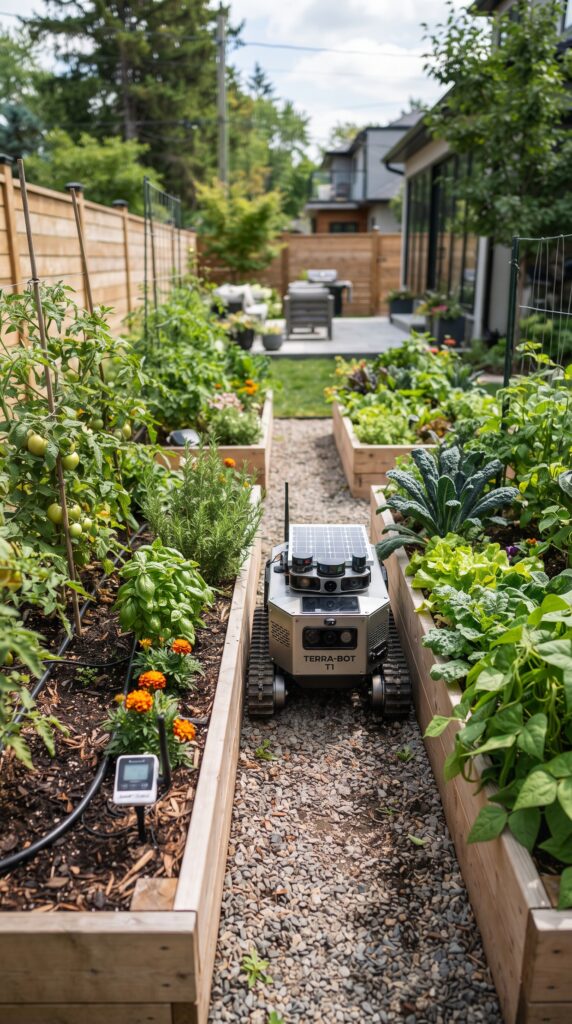
Robotic gardening equipment can automate certain repetitive tasks. Depending on the design, robots may help with mowing, monitoring, or other garden operations.
Robotic systems are more common in some larger or specialized growing environments, but smaller automated devices are also available for home use.
Types of Gardening Robots
Examples include:
- Robotic lawn mowers
- Autonomous monitoring platforms
- Automated greenhouse equipment
- Robots designed for targeted garden tasks
In agricultural settings, robotics research includes applications such as monitoring, irrigation support, and precision operations. <Cite refs={[“turn0search2″,”turn0search6”]} />
Benefits and Challenges
Robotic equipment can reduce some repetitive work and may help maintain a regular schedule.
However, these devices can have high upfront costs and may require maintenance, suitable terrain, charging, or reliable connectivity.
Before buying a gardening robot, check whether it is designed for your garden size, plant layout, and outdoor conditions.
How to Choose Smart Gardening Technology
You do not need every available device to create a smart garden. Start by identifying the task that takes the most time or causes the most problems.
For example, if plants are frequently overwatered, a moisture sensor may be a more useful first purchase than a robotic mower.
Consider these points:
- Garden size
- Indoor or outdoor use
- Number and type of plants
- Available Wi-Fi or mobile connectivity
- Water supply
- Device compatibility
- Installation requirements
- Maintenance needs
- Total cost
A small garden may benefit from a simple timer and a moisture sensor, while a greenhouse may need several sensors and automated controls.
Smart Gardening for Small Spaces
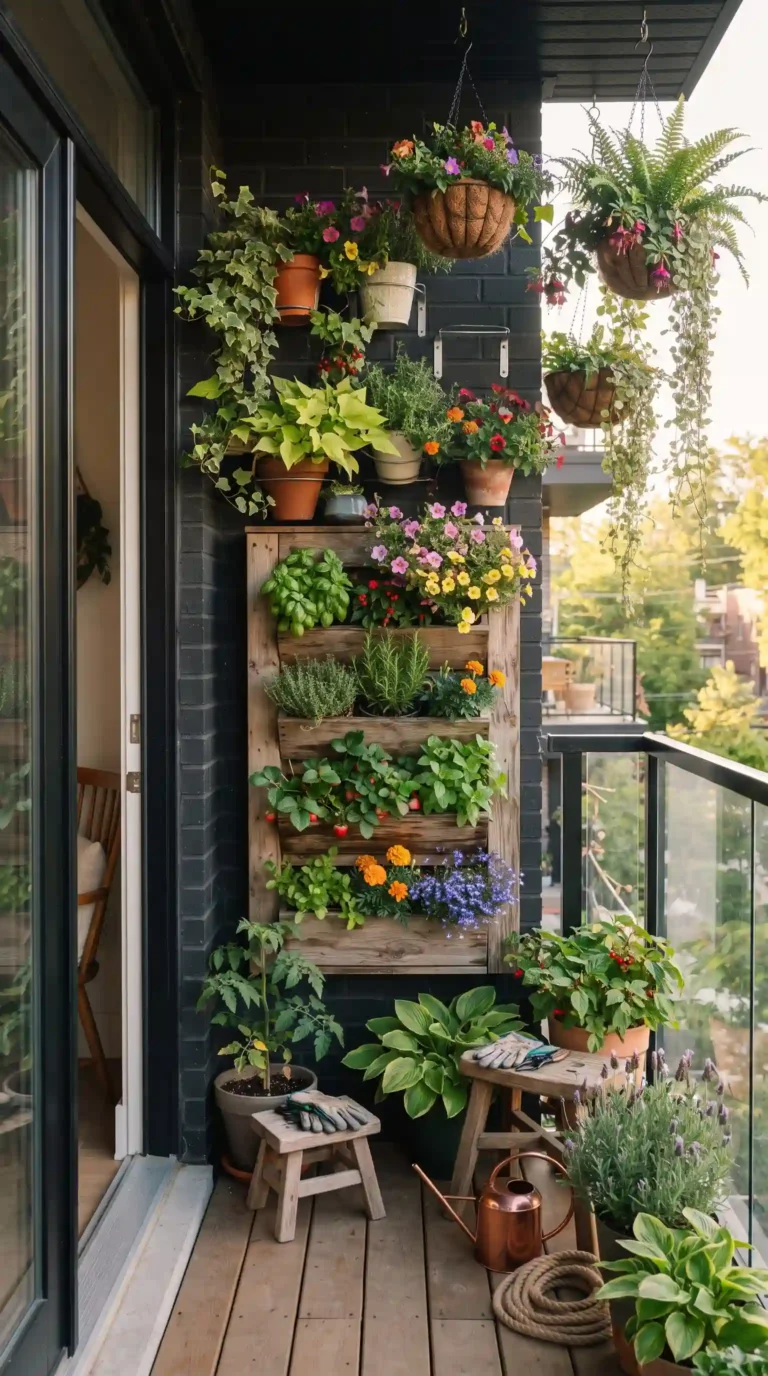
Smart gardening can work in balconies, patios, and indoor growing areas.
Container gardeners can use compact moisture sensors, automatic watering kits, and programmable grow lights.
These tools can be particularly helpful when plants are spread across different locations or when the gardener cannot check them every day.
However, small containers can dry out quickly, especially during hot weather. Sensors and automatic watering systems should be checked regularly to ensure they are working correctly.
Smart Gardening for Greenhouses
Greenhouses can benefit from connected sensors because temperature, humidity, ventilation, and irrigation need careful management.
A greenhouse monitoring system may collect environmental readings and alert the gardener when conditions move outside selected ranges.
More advanced setups can connect sensors to fans, vents, irrigation valves, or other equipment.
The purpose is to support stable growing conditions, but systems need appropriate setup and regular maintenance. Sensor errors or power failures can affect automated controls.
Can Smart Gardening Save Water?
Smart gardening technologies can help improve water management, particularly when irrigation responds to actual soil and weather conditions.
A 2025 review of AI-driven irrigation studies reported water savings across the studies it analyzed, while also discussing factors such as economic feasibility, calibration, and system integration. Results vary by crop, climate, equipment, and management. <Cite refs={[“turn0search1″,”turn0search10”]} />
For home gardeners, useful water-saving practices include:
- Checking soil before watering
- Using drip irrigation where appropriate
- Adjusting watering for rainfall
- Grouping plants with similar water needs
- Repairing leaks
- Using mulch where suitable
- Checking automated schedules regularly
Technology works best when combined with sound gardening practices.
Common Smart Gardening Mistakes
Smart devices can make gardening easier, but they cannot replace basic plant knowledge.
Common mistakes include:
- Trusting one sensor without checking the soil
- Using the same watering schedule for every plant
- Ignoring device calibration
- Buying equipment that is too complicated
- Forgetting software or battery maintenance
- Assuming AI suggestions are always accurate
- Ignoring plant-specific light requirements
- Failing to check automated systems regularly
A simple, reliable setup is often more useful than a complicated system that is difficult to maintain.
Smart Gardening Costs and Accessibility
The cost of smart gardening equipment varies widely. Basic timers and simple sensors are generally less complex than integrated irrigation controllers, greenhouse automation systems, or robotic equipment.
Before purchasing, compare the initial price with ongoing costs such as batteries, replacement parts, connectivity, and maintenance.
Also consider whether the device requires a stable internet connection. Some systems offer local controls, while others depend heavily on an app or online service.
For beginners, starting with one device can make it easier to learn what works before expanding the system.
The Future of Smart Gardening
Smart gardening continues to develop through improvements in sensors, AI, automation, and connected devices.
Research in 2025 highlighted how combinations of IoT, AI, robotics, and data systems can support monitoring and resource management, while noting barriers such as cost, infrastructure, connectivity, and technical skills. <Cite refs={[“turn0search2″,”turn0search3″,”turn0search8”]} />
Future systems may become easier to configure and better at combining information from different devices. However, gardeners should still evaluate products based on practical performance, reliability, cost, and compatibility with their own plants.
Final Thoughts
The best 6 smart gardening technologies for 2025 show how digital tools can support more organized and efficient gardening. Smart irrigation systems help manage watering, soil moisture sensors provide information about root-zone conditions, weather stations track local conditions, automated grow lights support indoor growing, AI tools assist with plant monitoring, and robotic equipment can handle certain repetitive tasks.
You do not need to invest in all six technologies at once. Begin with the problem you most want to solve, choose a tool that suits your garden, and check its performance regularly.
Smart gardening works best when technology supports—not replaces—careful observation, suitable plant selection, and good gardening habits.