Top 10 Air-Purifying Plants for Your Home
Bringing plants into your home is an easy way to add natural beauty, color, and a fresh feeling to your indoor spaces. Houseplants can make rooms feel more welcoming and create a relaxing connection with nature. Some plants are also widely known for their ability to interact with indoor air and absorb certain compounds through their leaves and root systems.
If you are looking for the top 10 air-purifying plants for your home, there are plenty of attractive options to consider. From easy-care snake plants to lush peace lilies, these plants can fit into bedrooms, living rooms, offices, kitchens, and other indoor spaces.
However, it is important to understand that houseplants should not be considered a replacement for ventilation or proper indoor air-quality equipment. Their biggest everyday benefit is often their greenery, beauty, and contribution to a comfortable indoor environment.
What Are Air-Purifying Plants?
Air-purifying plants are houseplants that have been studied for their ability to interact with certain airborne compounds under controlled conditions.
Plants naturally exchange gases through tiny openings in their leaves. Their roots and surrounding soil microorganisms also participate in biological processes that can affect certain compounds in the environment.
The results of controlled experiments do not necessarily mean that filling a normal home with a few plants will dramatically clean indoor air. Still, these plants can be attractive additions to a healthy indoor environment.
Why Add Plants to Your Home?
Houseplants provide several practical and decorative benefits.
They can:
- Add natural color to rooms
- Make empty spaces look more attractive
- Create a calming atmosphere
- Bring natural textures indoors
- Make workspaces feel more comfortable
- Give you an enjoyable gardening hobby
- Add visual interest to shelves and corners
Choosing plants that match your home’s light and temperature conditions is more important than simply choosing the largest number of plants.
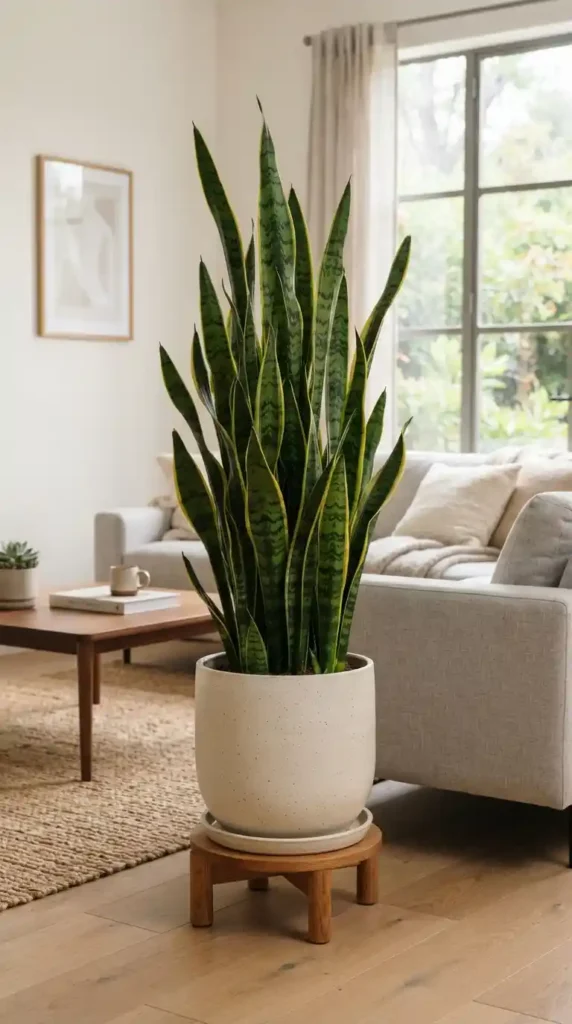
1. Snake Plant
Snake plant is one of the most popular choices for indoor spaces because it is attractive and relatively easy to maintain.
Its tall, upright leaves take up little floor space, making it useful for bedrooms, offices, hallways, and living rooms.
Snake plants tolerate lower-light conditions better than many houseplants, although they generally grow better with suitable indirect light.
One of the biggest care mistakes is overwatering. Snake plants store moisture in their leaves and can suffer when their roots remain wet for extended periods.
Use a pot with drainage holes and allow the soil to dry appropriately between waterings.
2. Peace Lily
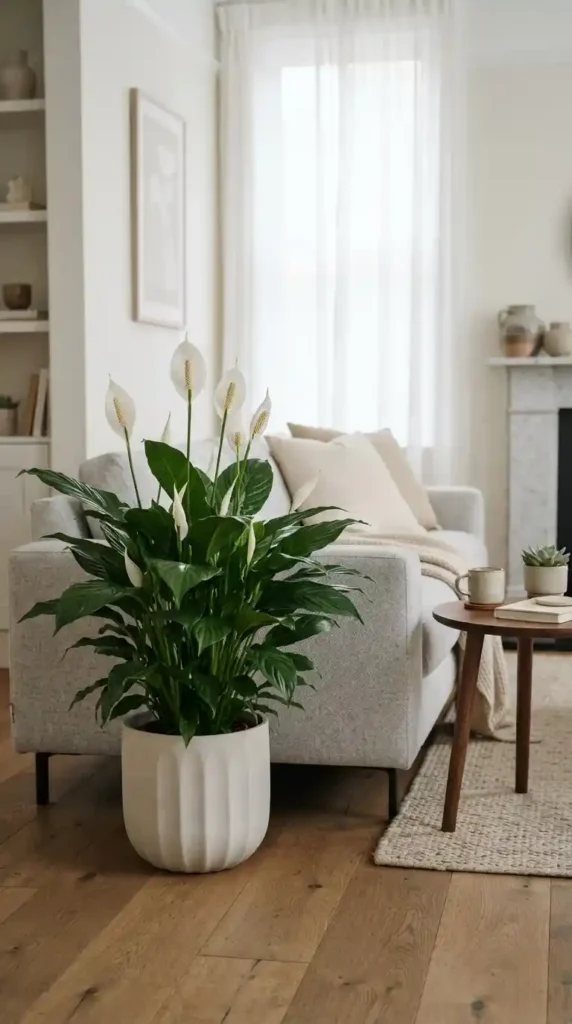
Peace lily is a beautiful tropical houseplant with dark green leaves and distinctive white flowers.
It is often included in discussions about air-purifying plants and is also popular because of its attractive appearance.
Peace lilies generally prefer bright, indirect light and evenly moist soil. They can tolerate lower light, but flowering may decrease when light is very limited.
Avoid keeping the soil constantly saturated. Good drainage is important for maintaining healthy roots.
Peace lilies can also be sensitive to dry conditions, so they may appreciate a moderately humid indoor environment.
3. Spider Plant
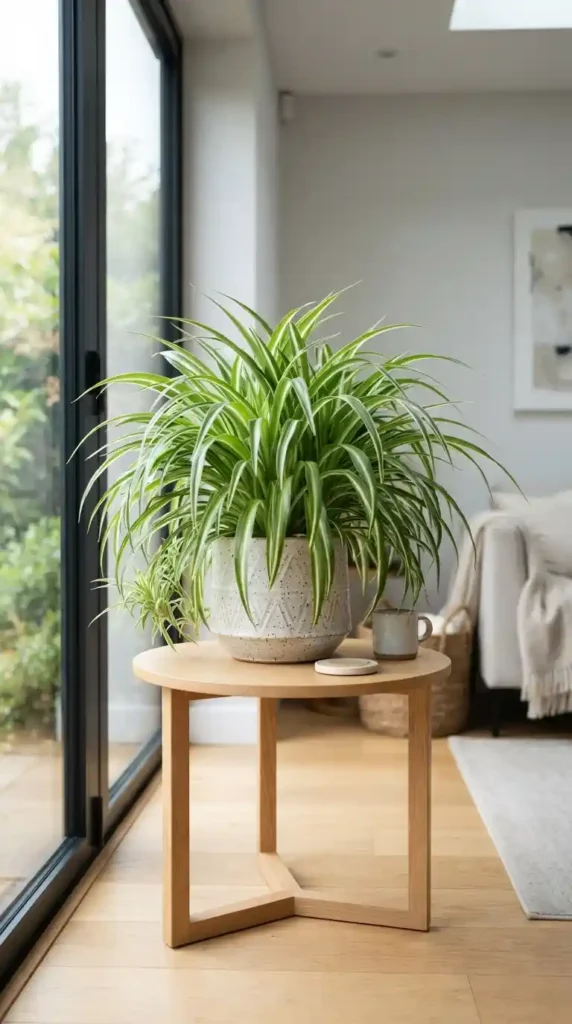
Spider plants are excellent choices for beginners. They grow long, narrow leaves and can produce small plantlets that hang from the main plant.
Their naturally trailing appearance makes them suitable for hanging baskets, shelves, and elevated plant stands.
Spider plants usually prefer bright, indirect light but can adapt to moderate indoor lighting.
Water when the soil begins to dry appropriately, and make sure excess water can drain away.
They can be particularly attractive when several plantlets develop around the mature plant.
4. Pothos
Pothos is another popular houseplant for people who want attractive greenery without complicated care.
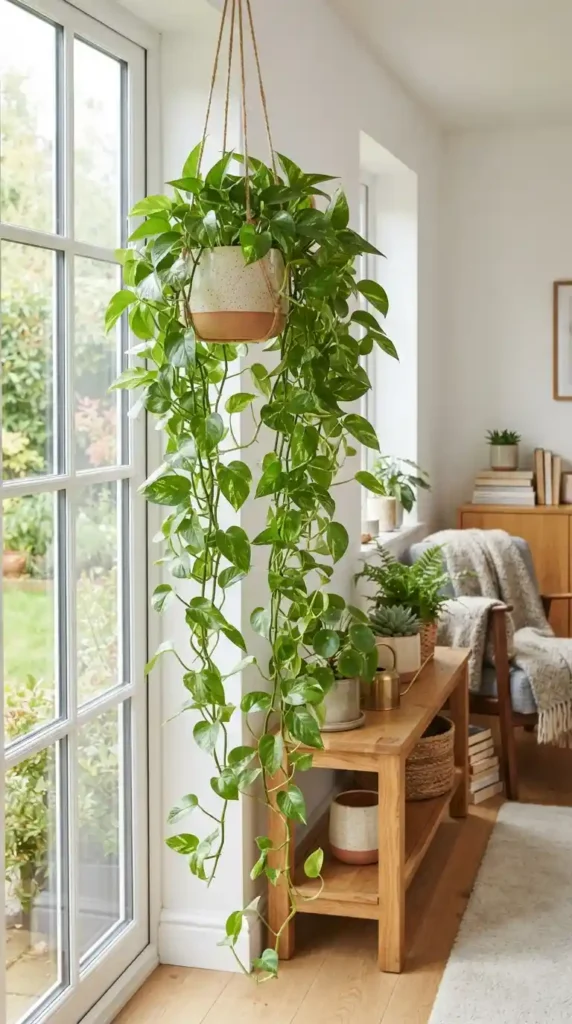
Its long vines can trail from shelves, cabinets, or hanging containers. Several varieties have green, yellow, or variegated leaves.
Pothos generally grows well in bright, indirect light but can tolerate lower light. Very low light may reduce variegation in some varieties.
Avoid watering too frequently. Check the soil before adding water and allow appropriate drying between waterings.
Pothos is useful for adding greenery to rooms where floor space is limited.
5. Rubber Plant
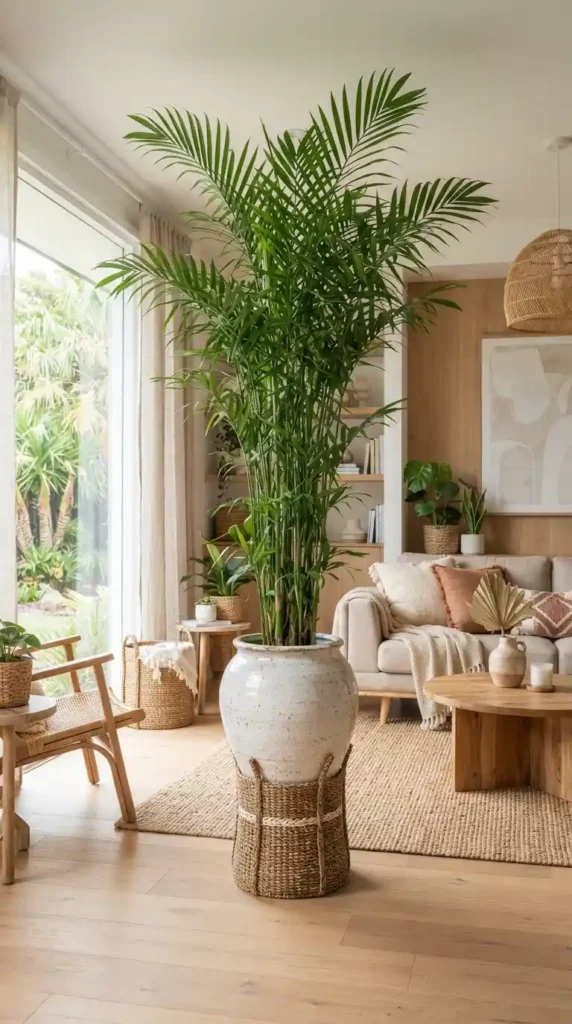
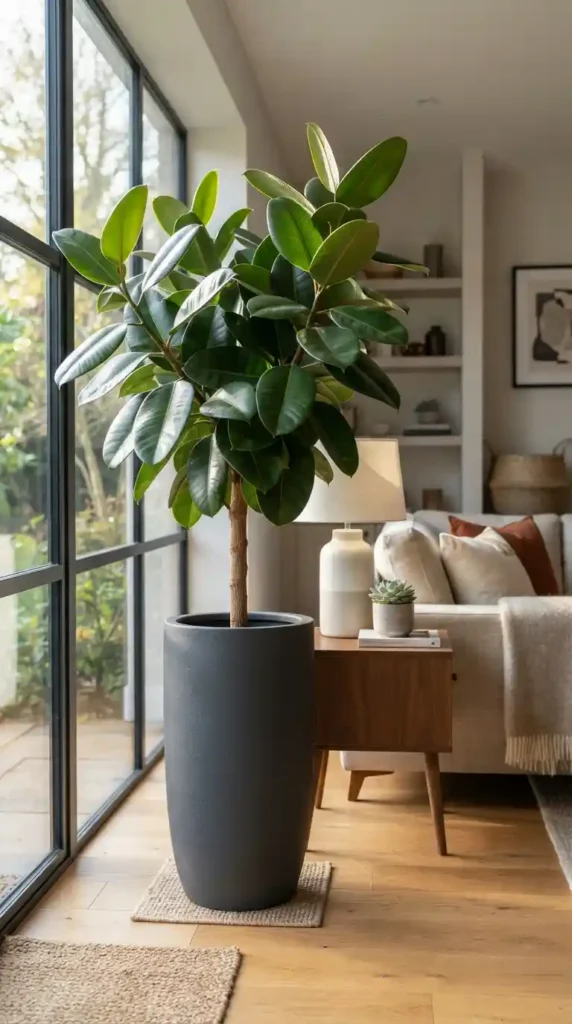
Rubber plant is known for its large, glossy leaves and upright growth habit.
It can become a striking indoor feature when given enough space and suitable growing conditions.
Rubber plants generally prefer bright, indirect light. Strong direct sunlight can sometimes damage leaves, especially when the plant has not been acclimated gradually.
Keep the soil appropriately moist but avoid waterlogging.
Wipe large leaves occasionally to remove dust and help maintain their attractive appearance.
6. Boston Fern
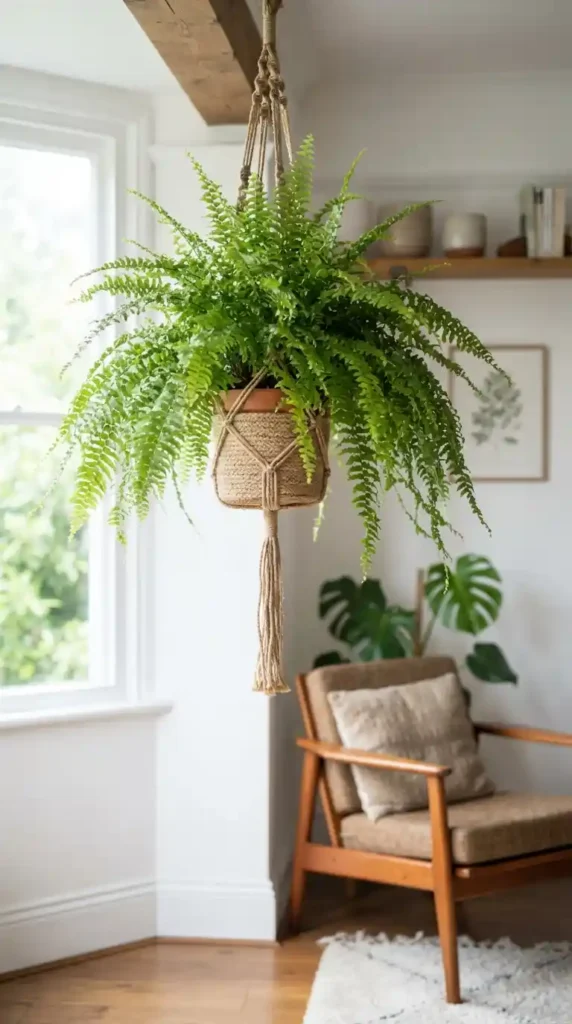
Boston fern is a lush plant that can add a soft, tropical appearance to indoor spaces.
It produces numerous delicate fronds and generally appreciates higher humidity than many common houseplants.
A bathroom, humid room, or location near a suitable humidifier can work well when there is also enough indirect light.
Boston ferns can struggle when the air becomes very dry. Keep an eye on the fronds and soil moisture, particularly during dry seasons.
Good airflow is still important because constantly wet foliage can encourage plant problems.
7. Areca Palm
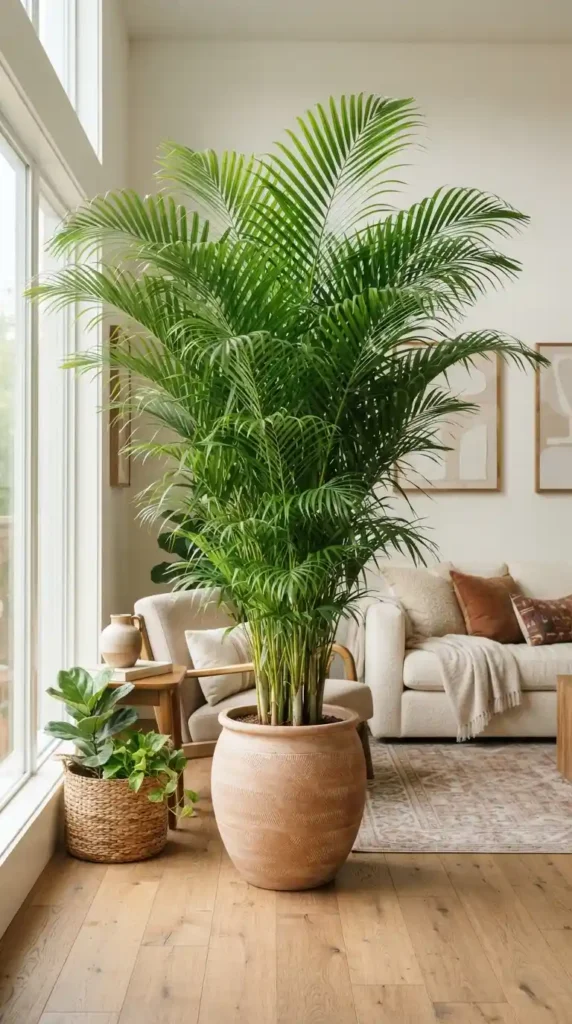
Areca palm can bring a tropical look to a living room, office, or other bright indoor area.
Its long, arching leaves create a fuller appearance than many smaller houseplants.
Areca palms generally prefer bright, indirect light and consistent but not excessive moisture.
Give the plant enough room because mature specimens can become relatively large.
Avoid placing the palm directly beside heating or cooling vents, as sudden temperature changes and dry air can stress the foliage.
8. Dracaena
Dracaena includes several attractive varieties with long leaves and upright growth.
These plants can work well in homes and offices because many varieties adapt to indoor conditions.
Provide suitable indirect light and avoid keeping the soil constantly wet.
Dracaena can be useful when you want a taller plant for an empty corner.
Different varieties have different leaf colors and growth patterns, so you can choose one that matches your interior style.
9. Aloe Vera
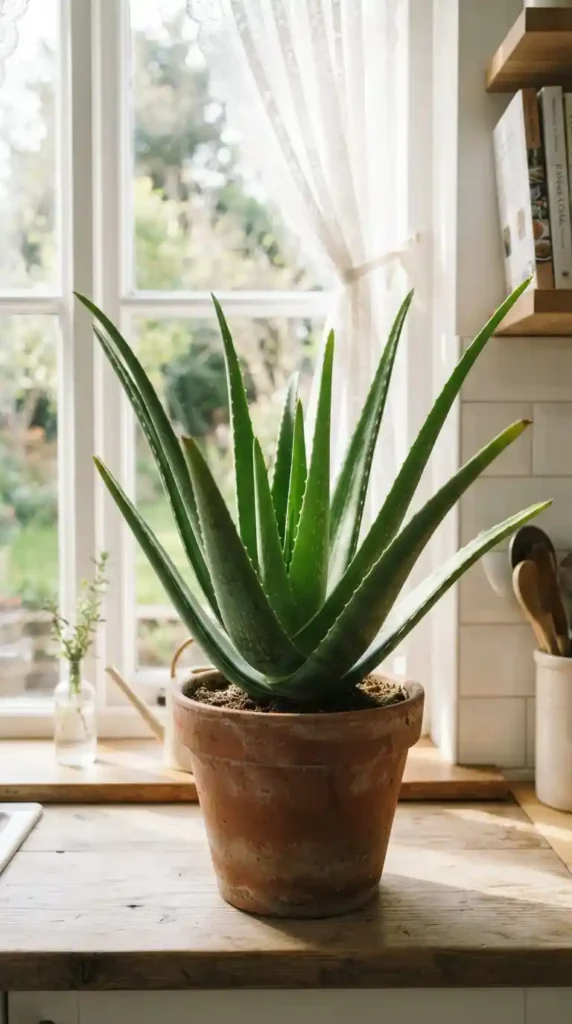
Aloe vera is a popular succulent known for its thick, fleshy leaves.
Unlike humidity-loving tropical plants, aloe prefers drier conditions and plenty of bright light. A sunny windowsill can work well if the plant is gradually acclimated to strong sunlight.
The most common care mistake is overwatering.
Allow the soil to dry thoroughly between waterings and use a fast-draining soil mix. A container with drainage holes is essential.
Aloe vera is especially useful for people who want an attractive plant that does not require frequent watering.
10. English Ivy
English ivy can add a beautiful trailing effect to indoor plant displays.
Its vines can be trained around supports or allowed to hang naturally from containers.
Indoor ivy generally prefers bright, indirect light. Good airflow is useful because dense foliage and consistently wet conditions can encourage pest or disease issues.
Check the plant regularly for insects and avoid keeping the soil excessively wet.
Before bringing English ivy into a home with pets, check whether it is appropriate for your household because some common houseplants can be harmful if eaten.
Best Air-Purifying Plants for Bedrooms
Bedrooms can benefit from greenery that fits the room’s lighting and available space.
Snake plants, pothos, and spider plants are popular options because they can work in a variety of indoor settings.
However, the idea that a few bedroom plants can replace ventilation or significantly filter all indoor pollutants should be treated cautiously.
For healthier indoor air, focus on adequate ventilation, controlling pollution sources, reducing dust, and maintaining appropriate humidity.
Best Plants for Living Rooms
Living rooms often have more space, making them suitable for larger plants.
Rubber plants, areca palms, dracaenas, and larger peace lilies can create attractive focal points.
Choose the plant based on the amount of sunlight available. A large plant may look beautiful in a bright corner but struggle if the location receives very little light.
Best Plants for Small Spaces
If you live in a small apartment or have limited floor space, choose plants that grow upward or can be placed on shelves.
Snake plants are particularly useful because their upright leaves take up relatively little space.
Spider plants and pothos can also work well in hanging containers.
Small pots can be grouped together to create a green display without taking over the room.
How Much Light Do Indoor Plants Need?
Light is one of the most important factors in houseplant health.
Different plants have different requirements. Some tolerate lower light, while others need bright indirect or direct sunlight.
Before buying a plant, identify the brightest and darkest areas of your home.
Remember that a room may look bright to your eyes while providing much less usable light for plants.
If natural light is insufficient, an appropriate grow light may help support plant growth.
How Often Should You Water Houseplants?
There is no universal watering schedule for every houseplant.
Watering depends on the plant species, pot size, soil, temperature, humidity, and amount of light.
Check the soil before watering. Some plants prefer to dry significantly between waterings, while others prefer more consistent moisture.
Avoid automatically watering every plant on the same day.
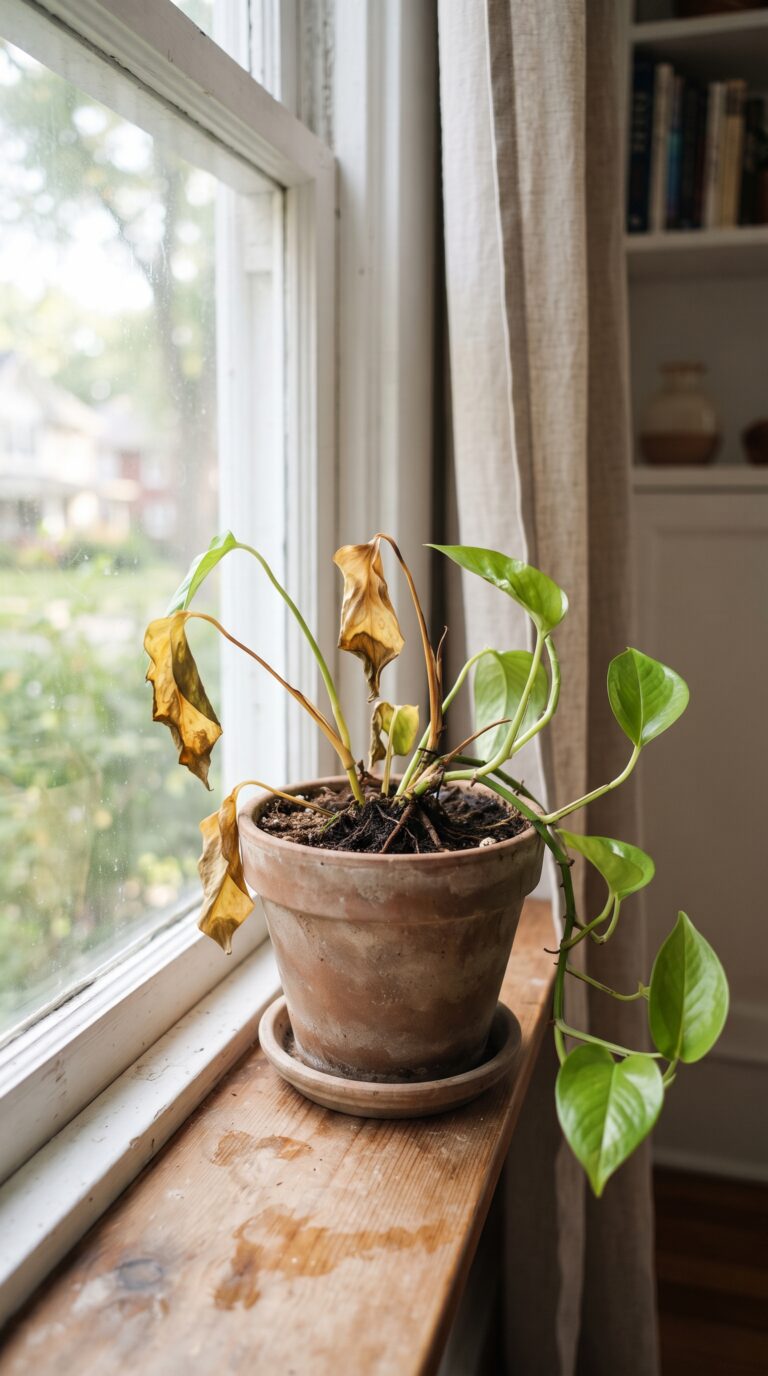
Overwatering is one of the most common reasons indoor plants decline.
Why Drainage Matters for Houseplants
Good drainage allows excess water to leave the root zone.
Without drainage, water can collect at the bottom of a container and create conditions that damage roots.
Use pots with drainage holes whenever possible.
If you place a nursery pot inside a decorative container, remove it during watering when necessary and allow excess water to drain before returning it to the outer pot.
How to Keep Air-Purifying Plants Healthy
Healthy plants are better-looking plants, and proper care starts with understanding their individual needs.
Keep an eye on:
- Leaf color
- Soil moisture
- New growth
- Pests
- Light exposure
- Root condition
- Temperature
- Humidity
Remove dead leaves when needed and clean dusty foliage gently.
Do not move a plant repeatedly from one extreme environment to another. Gradual changes are usually easier for plants to handle.
Common Mistakes With Indoor Plants
Many houseplant problems come from simple care mistakes.
Avoid:
- Watering too frequently
- Using pots without drainage
- Placing plants in unsuitable light
- Ignoring pests
- Overfertilizing
- Keeping plants near extreme temperatures
- Choosing plants without checking their mature size
- Assuming every plant needs the same care
Learning the basic requirements of each plant can prevent many common problems.
Do Air-Purifying Plants Replace Air Filters?
Houseplants should not be treated as a replacement for proper ventilation, air filtration, or pollution control.
Controlled research has shown that plants can interact with certain airborne compounds, but real homes have much larger air volumes and different conditions.
If indoor air quality is a concern, practical measures such as ventilation, source control, cleaning, and suitable filtration are more dependable approaches.
Plants can still be a valuable part of your home because they add natural beauty and can make indoor spaces more pleasant.
How Many Plants Should You Have?
There is no fixed number of plants required for a healthy home.
Instead of filling every room, choose plants that you can care for properly.
A few healthy plants are generally more useful and attractive than a large collection that does not receive enough light or attention.
Start with two or three easy-care varieties and expand your collection as you gain experience.
Create a Green Indoor Space
You can create an attractive indoor garden by combining plants with different heights, textures, and leaf shapes.
Place taller plants on the floor, medium-sized plants on stands, and trailing plants on shelves or hanging baskets.
Keep the arrangement practical so you can easily water, inspect, and clean the plants.
Natural materials such as wooden stands, ceramic pots, and simple baskets can complement green foliage nicely.
Final Thoughts on the Top 10 Air-Purifying Plants
The top 10 air-purifying plants for your home include snake plant, peace lily, spider plant, pothos, rubber plant, Boston fern, areca palm, dracaena, aloe vera, and English ivy.
Each plant has different requirements, so the best choice depends on your home’s light, temperature, humidity, available space, and your preferred level of plant care.
While houseplants can add beauty and contribute to a pleasant indoor environment, they should not replace proper ventilation or effective methods of managing indoor air pollution.
Choose plants that fit your space, give them the right growing conditions, and maintain them regularly. With the right selection and care, indoor plants can make your home feel greener, more comfortable, and more inviting.