Best Plant ID Apps of 2026: Which One Actually Works?
Ever walked past a plant and wondered, “What is that?” In 2026, you don’t need a botany textbook to find the answer. Plant identification apps can use your smartphone camera and image recognition technology to suggest a plant’s name within seconds.
But with dozens of apps available, which one actually works?
The best plant ID app depends on what you need. Some are designed for quick identification, while others focus on scientific observations, plant care, wildlife discovery, or gardening advice.
Popular options include PictureThis, PlantNet, iNaturalist, Seek, and LeafSnap. Independent testing has found that results can vary between apps, with PictureThis, PlantNet, and iNaturalist among the stronger performers in comparative tests.
Here’s what you should know before choosing the best plant identification app in 2026.
What Is a Plant Identification App?
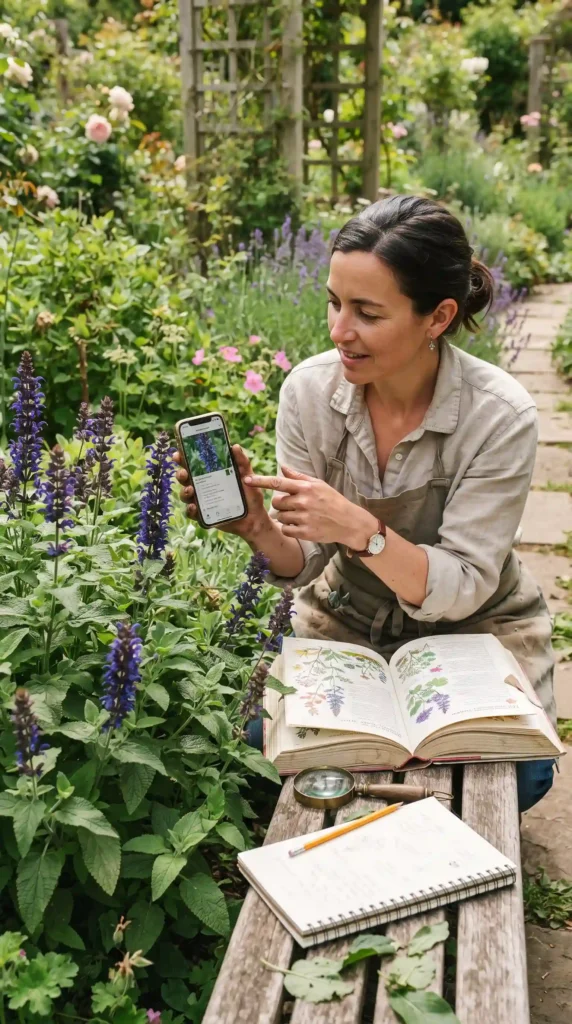
A plant identification app uses a photo of a plant to suggest its likely identity.
Depending on the app, you may be able to photograph:
- Leaves
- Flowers
- Fruits
- Stems
- Trees
- Houseplants
- Wild plants
- Weeds
The app analyzes visual characteristics and compares them with information in its database or identification system.
However, these apps aren’t perfect. A blurry photograph, unusual species, seasonal changes, or visually similar plants can make identification more difficult.
For important decisions—especially whether a plant is edible or poisonous—don’t rely on a single app result.
1. PictureThis
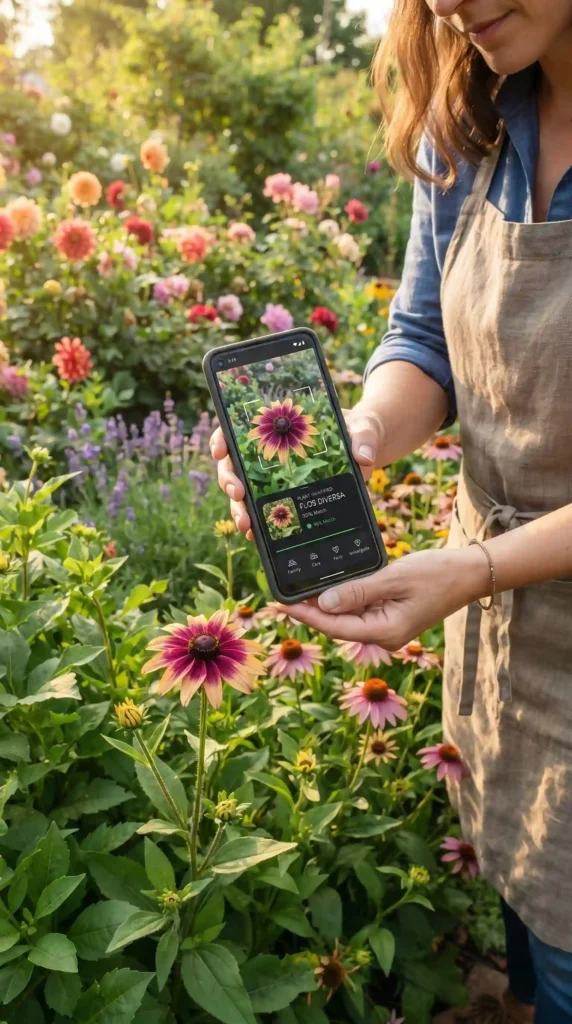
PictureThis is one of the most popular choices for people who want quick plant identification.
Its website describes the service as an identifier for flowers, leaves, trees, herbs, and other plants.
The app is particularly appealing to casual gardeners because it combines identification with additional plant information and care-related features.
Best For
- Beginner gardeners
- Houseplant owners
- Quick identification
- Plant care information
- Identifying common garden plants
Pros
- Simple photo-based identification
- Beginner-friendly interface
- Large plant database
- Additional plant information
Cons
- Some features may require payment
- Results should still be verified
- Identification quality can vary with photographs
Independent testing has ranked PictureThis highly for overall identification accuracy, although results depend on the test set and methodology.
Verdict: A strong choice if you want an easy, beginner-friendly plant ID app.
2. PlantNet
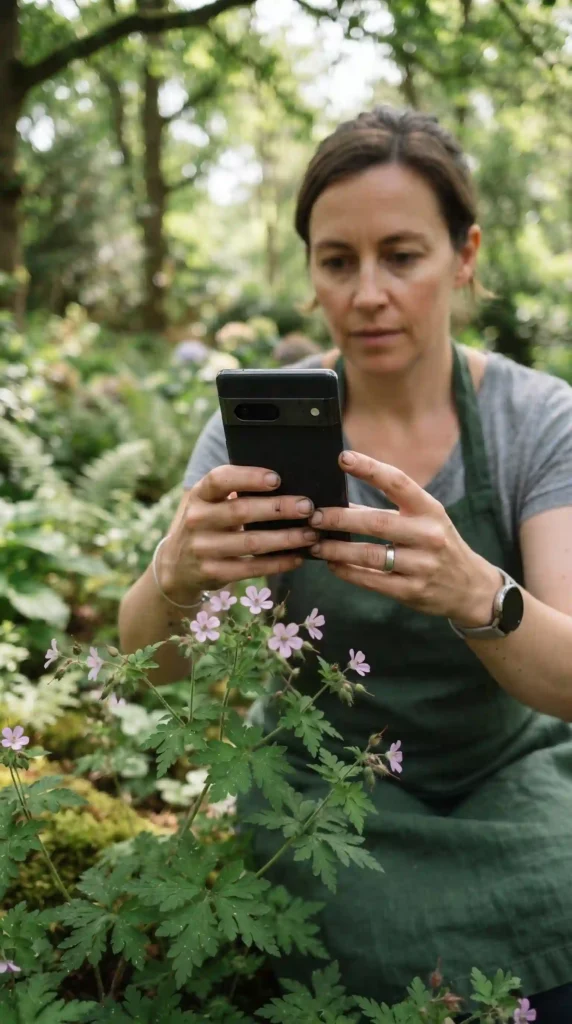
If you’re looking for a strong free plant identification app, PlantNet deserves serious consideration.
PlantNet allows users to photograph plants and receive identification suggestions. More importantly, the project also contributes observations to biodiversity research and citizen science.
The app is especially useful for people interested in wild plants and botanical identification rather than simply caring for houseplants.
Best For
- Wild plant identification
- Nature enthusiasts
- Students
- Citizen science
- Free plant identification
Pros
- Strong botanical focus
- Photo-based identification
- Citizen-science component
- Available across multiple platforms
Cons
- Interface may feel less beginner-focused
- Identification can depend heavily on the quality of your photograph
- Less focused on general plant-care guidance
Comparative testing has placed PlantNet among the stronger plant identification tools.
Verdict: One of the best options if you want plant identification with a scientific and biodiversity focus.
3. iNaturalist
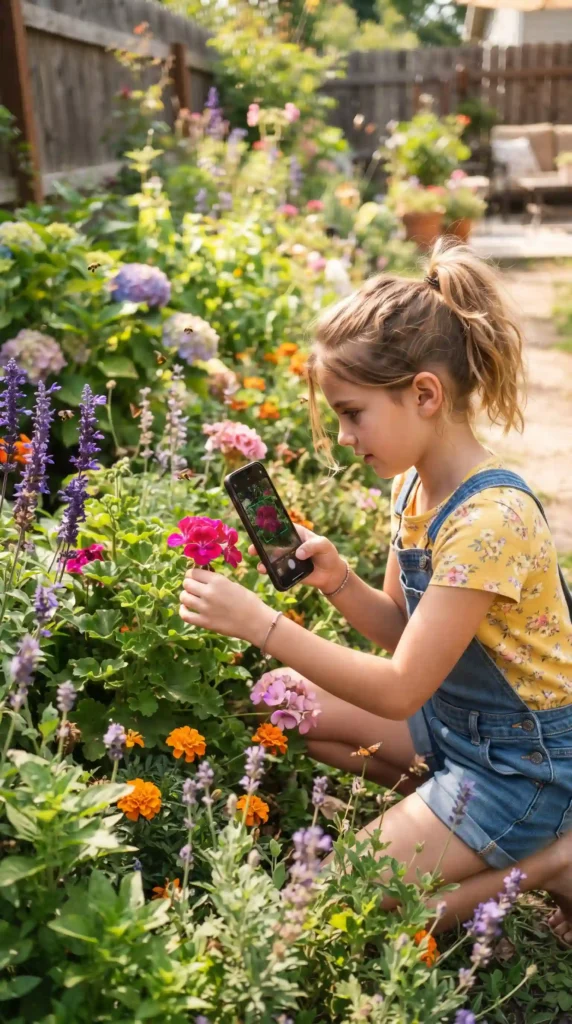
iNaturalist takes a different approach.
Instead of functioning only as a simple identification tool, it is a community-based platform where people can record observations of plants and animals and receive identification assistance.
Its global community and observation database make it particularly useful for people who want to learn more about nature.
Best For
- Nature enthusiasts
- Students
- Wildlife observers
- Serious identification
- Citizen science
Pros
- Large community
- Useful for plants and animals
- Human-supported identification
- Observations contribute to scientific records
Cons
- Can feel more complicated than simple photo-ID apps
- Some identifications may take time
- Not primarily designed as a basic houseplant-care app
Verdict: Excellent for people who want to go beyond simply learning a plant’s name.
4. Seek by iNaturalist
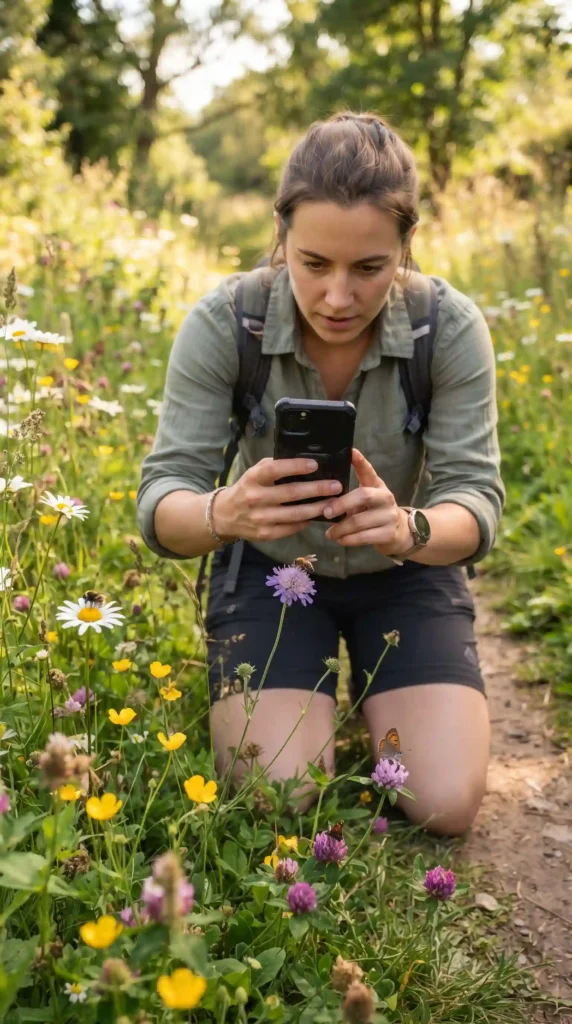
Seek is another useful option from the iNaturalist ecosystem, but it is designed to make nature discovery more immediate and accessible.
You point the camera at a living organism, and Seek attempts to identify it. It can recognize plants, fungi, insects, birds, amphibians, and other organisms.
The app also includes badges and challenges, making identification more engaging for beginners and families.
Best For
- Nature walks
- Families
- Students
- Quick wildlife identification
- Learning about local species
Pros
- Easy to use
- Identifies more than plants
- Educational
- Gamified experience
Cons
- Less focused on detailed gardening advice
- Results can vary depending on the subject and image
Verdict: A great choice if you want to identify plants while exploring the outdoors.
5. LeafSnap
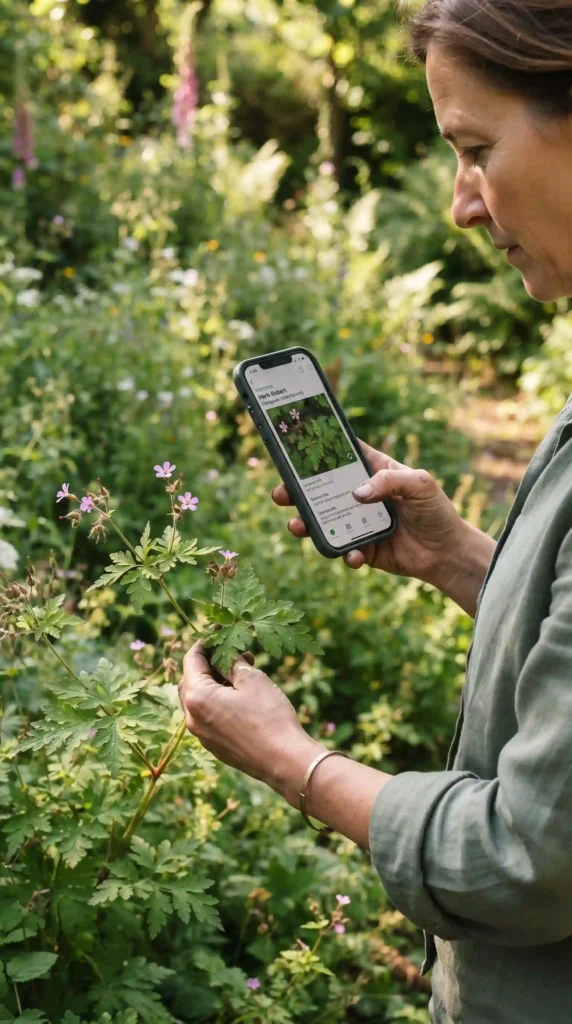
LeafSnap focuses heavily on identifying plants from visual characteristics, particularly leaves.
It can be useful when you’re trying to identify a tree or plant that isn’t flowering.
However, like every image-based identification tool, it works best when you provide a clear photograph and enough useful visual information.
Best For
- Tree identification
- Leaf identification
- Nature walks
- Gardeners
Verdict: Worth trying as an additional identification tool, especially when leaves are the most obvious feature.
Plant ID Apps Compared
| App | Best For | Main Strength |
|---|---|---|
| PictureThis | Beginners | Easy identification and plant information |
| PlantNet | Botanists & nature lovers | Botanical identification and citizen science |
| iNaturalist | Serious nature enthusiasts | Community-supported observations |
| Seek | Families & outdoor exploration | Fast identification and learning |
| LeafSnap | Leaf identification | Useful for trees and foliage |
Which Plant ID App Is Most Accurate?
There isn’t one app that is guaranteed to be the most accurate for every plant.
Independent comparisons have produced different results depending on the plants tested and how partial matches were scored. One test found PictureThis had the highest percentage of fully correct identifications, while another analysis placed PlantNet and iNaturalist among the strongest overall performers.
That’s why experienced gardeners shouldn’t rely on a single app.
If a plant is difficult to identify, take several photographs and compare results from two or three apps.
How to Take a Better Plant ID Photo
The quality of your photograph can make a major difference.
Photograph the Whole Plant
Start with a clear image showing the plant’s overall shape.
Photograph the Leaves
Take a close-up showing the leaf shape, edges, veins, and arrangement.
Photograph Flowers or Fruit
If available, these features can provide important identification clues.
Use Good Lighting
Avoid extremely dark or blurry photographs.
Remove Distracting Backgrounds
Make sure the plant is clearly visible.
Taking multiple photos from different angles gives identification tools more information to work with.
Can You Trust Plant Identification Apps?
Plant ID apps are useful tools, but they aren’t infallible.
A result should be treated as a suggestion rather than absolute proof, particularly when identifying rare, poisonous, edible, or invasive plants.
If you’re trying to determine whether a wild plant is safe to eat, don’t rely on an app alone. Confirm the identification using reliable botanical references or a qualified expert.
The same principle applies to diagnosing serious plant diseases.
Free vs. Paid Plant Identification Apps
Some plant ID apps provide basic identification for free while placing advanced features behind subscriptions or purchases.
Before subscribing, check exactly what you’re receiving.
If your only goal is identifying occasional wild plants, a free option such as PlantNet may be enough.
If you’re a houseplant owner who wants identification plus care information and reminders, a feature-rich paid service may provide more value.
How to Choose the Best Plant ID App
Ask yourself what you actually need.
For beginners: Choose an easy-to-use app such as PictureThis.
For free botanical identification: Try PlantNet.
For serious nature observation: Consider iNaturalist.
For outdoor exploration: Seek is an excellent option.
For comparing results: Keep two or more apps available.
There’s no rule saying you can only use one.
Final Verdict: Which Plant ID App Actually Works?
So, which plant identification app actually works in 2026?
The short answer is: several of them do, but none should be treated as perfect.
For everyday gardeners, PictureThis is an attractive all-around choice because of its simple identification experience and additional plant information. PlantNet is an excellent option for people who want a more botanical and citizen-science-focused experience. iNaturalist is particularly valuable when community knowledge and scientific observations matter, while Seek is ideal for exploring nature and identifying multiple types of organisms.
If you’re serious about getting an accurate answer, the smartest approach is to use the apps as identification aids rather than unquestionable authorities.
Take clear photographs, compare results, check the plant’s characteristics, and verify unusual or safety-critical identifications with trusted sources.
In other words, the best plant ID app of 2026 isn’t necessarily the one with the biggest database or the most impressive marketing claim. It’s the one that gives you useful results for the plants you actually encounter—and helps you learn more about them along the way.