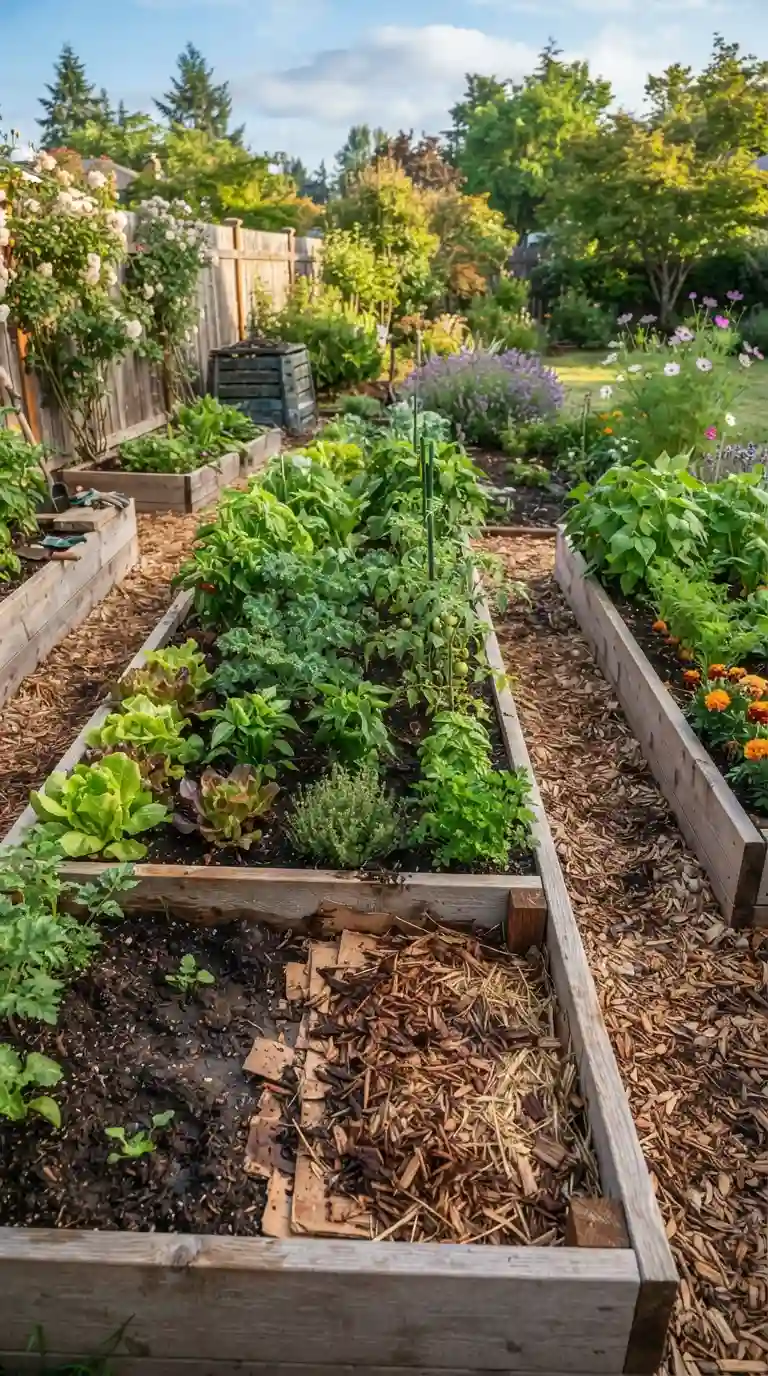
Mini Garden Ideas That Fit Any Space: Trending in 2026
You don’t need a large backyard to enjoy gardening. In 2026, mini garden ideas are making it easier than ever to grow flowers, herbs, vegetables, and even small trees in balconies, patios, windowsills, rooftops, and tiny yards.
The latest small-space gardening trend is less about squeezing dozens of plants into a limited area and more about making every inch work harder. Vertical planters, statement containers, tabletop vegetables, modular pots, and compact garden zones can turn even the smallest outdoor space into a beautiful and productive garden.
Whether you live in an apartment or simply have a small backyard, these mini garden ideas for 2026 can help you create a garden that feels bigger than it really is.
What Is a Mini Garden?
A mini garden is a compact growing space designed for a small footprint.
It can be almost anything:
- A collection of pots on a balcony
- A tiny backyard flower bed
- A windowsill herb garden
- A vertical wall garden
- A tabletop vegetable garden
- A miniature pollinator garden
- A compact patio container garden
The goal isn’t to recreate a full-sized landscape. Instead, it’s to choose plants and layouts that provide maximum beauty or productivity within limited space.
HGTV’s 2026 micro-garden inspiration shows that even a container or small balcony can become a lush retreat, pollinator garden, or productive growing area.
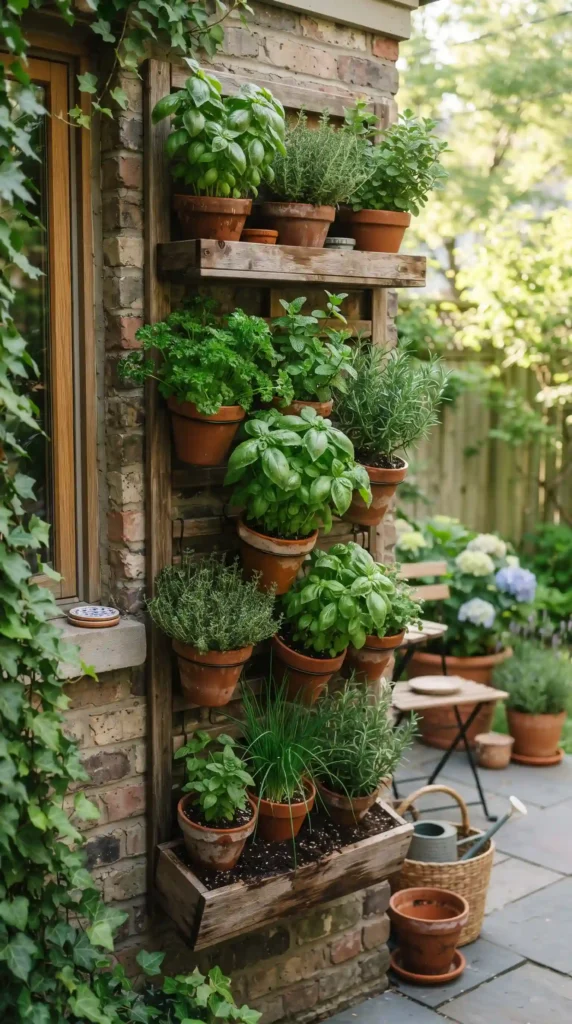
1. Create a Vertical Mini Garden
When floor space is limited, look upward.
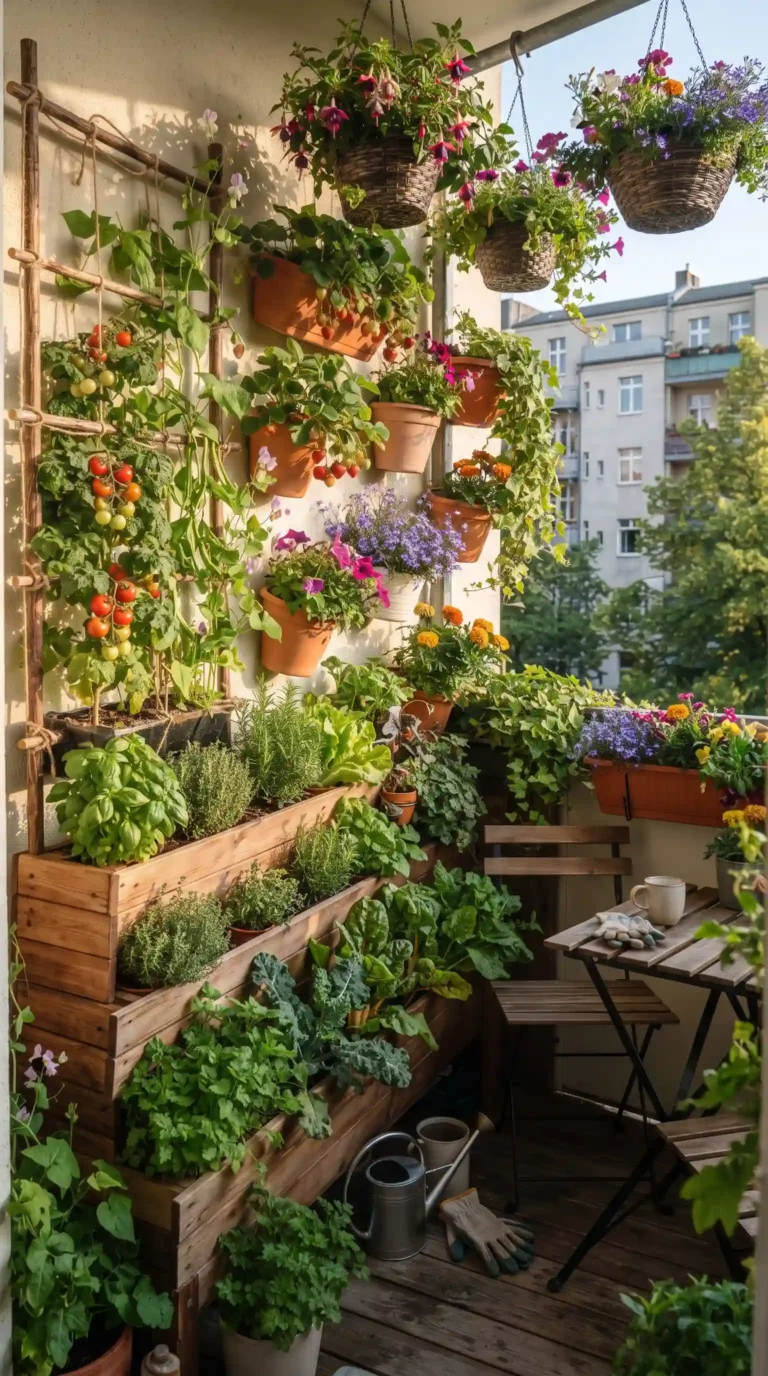
Vertical gardening is one of the smartest ways to maximize a small garden. Instead of spreading plants across the ground, use walls, fences, railings, trellises, hanging baskets, and tiered planters.
You can grow:
- Herbs
- Strawberries
- Lettuce
- Flowers
- Climbing beans
- Cucumbers
- Compact tomatoes
- Trailing plants
A vertical garden also adds height and can make a small outdoor area feel more layered.
Wall-mounted planters and climbing plants are particularly useful when you have more wall space than floor space.
2. Try a Tabletop Vegetable Garden

One of the notable 2026 gardening trends is growing compact vegetables in containers that can sit on tables, balconies, patios, or other small surfaces.
The RHS predicts increased interest in tabletop vegetables, including dwarf varieties bred specifically for compact growing spaces.
Good choices include:
- Compact peppers
- Chillies
- Lettuce
- Herbs
- Radishes
- Small tomatoes
- Dwarf vegetables
This is particularly useful for renters or gardeners who don’t have access to a traditional garden bed.
3. Use One Large Statement Planter
A common mistake in small gardens is filling every available inch with tiny pots.
Instead, consider using one large statement planter as the focal point.
Current 2026 container design is moving toward oversized planters, naturalistic planting, and fewer but more purposeful containers.
A large container can hold:
- A compact tree
- Ornamental grass
- Flowering shrub
- Citrus tree in a suitable climate
- Layered flower planting
Choose a container large enough for the mature plant and make sure it has adequate drainage.
4. Build a Mini Herb Garden
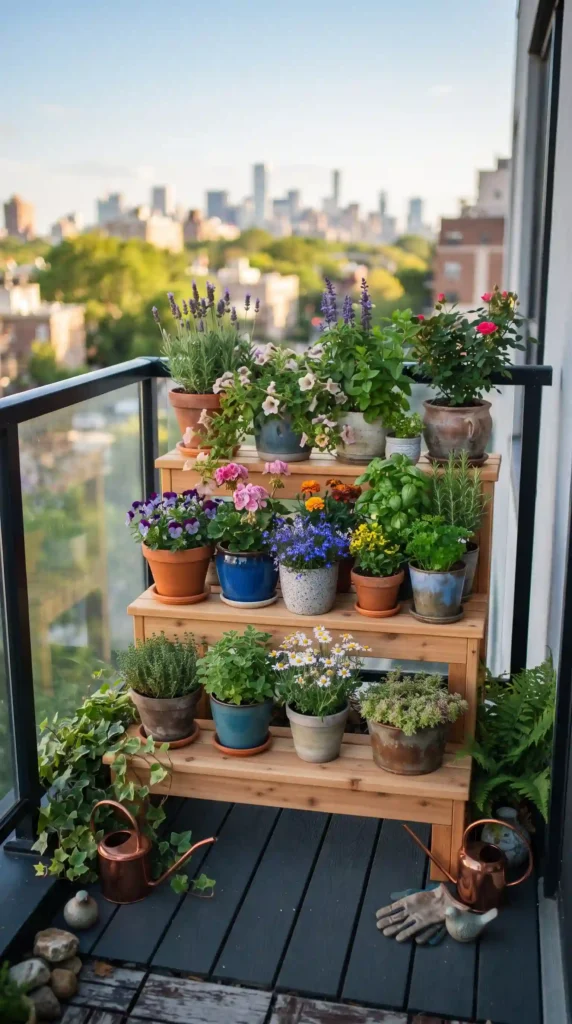
Herbs are among the easiest plants to grow in small spaces.
Create a compact herb garden using several pots or one long planter.
Try:
- Basil
- Thyme
- Chives
- Parsley
- Oregano
- Rosemary
- Sage
- Mint
Keep mint contained because it can spread aggressively.
Place frequently used herbs close to your kitchen door or on a sunny windowsill for easy harvesting.
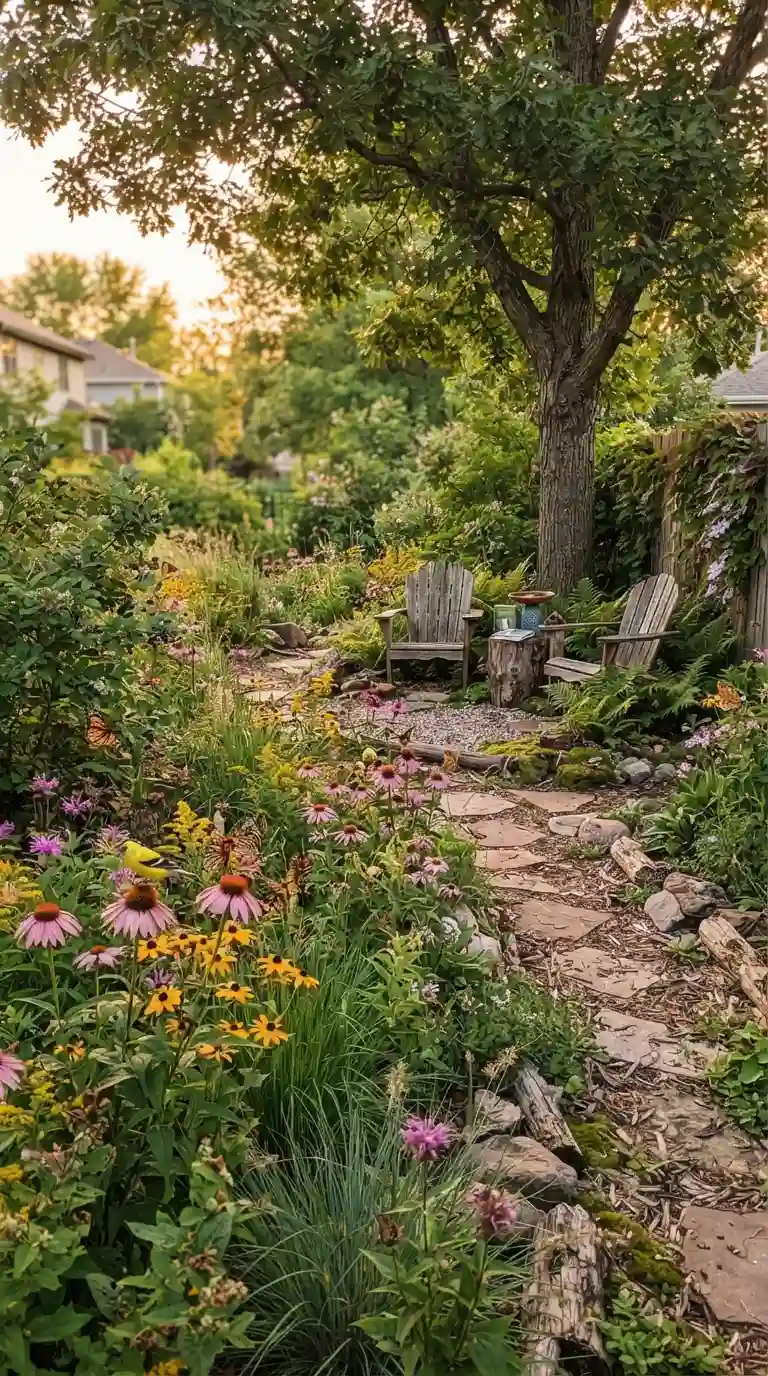
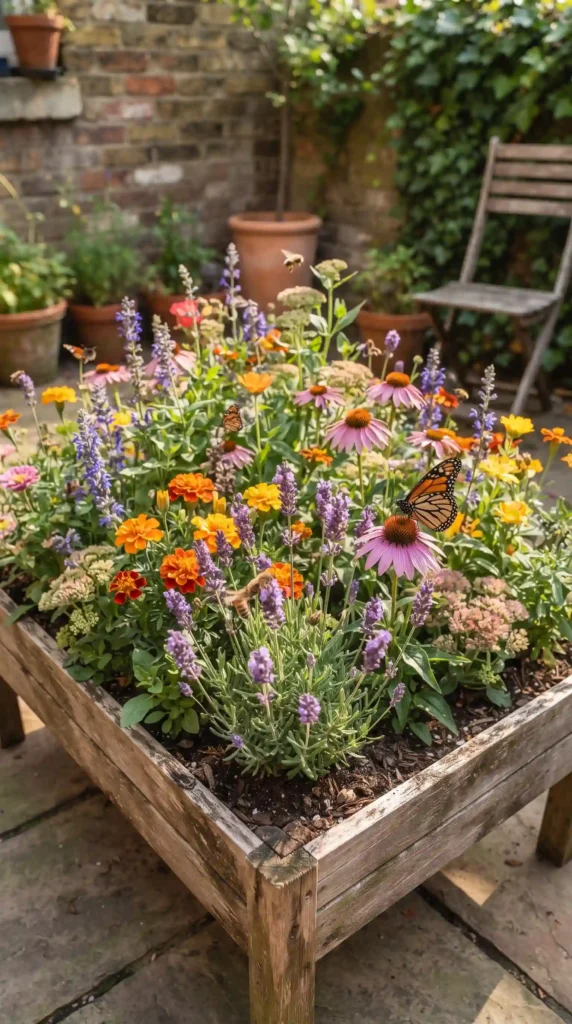
5. Make a Mini Pollinator Garden
Even a tiny garden can provide resources for bees and butterflies.
Choose several flowering plants suited to your region and place them together in a container or small bed.
You can include:
- Coneflower
- Lavender
- Salvia
- Native asters
- Bee balm
- Coreopsis
- Other locally appropriate native flowers
Try to select plants that bloom at different times so pollinators have access to flowers across more of the growing season.
6. Create a Balcony Garden
A balcony can become a surprisingly productive garden when you use vertical space.
Start with a few containers rather than overcrowding the area.
Use:
- Railing planters
- Hanging baskets
- Vertical shelves
- Wall planters
- Compact containers
- Trellises
Choose plants according to the amount of sunlight your balcony receives.
Remember that balconies have weight limits. Large containers filled with wet soil can become very heavy, so check building requirements before adding substantial planters.
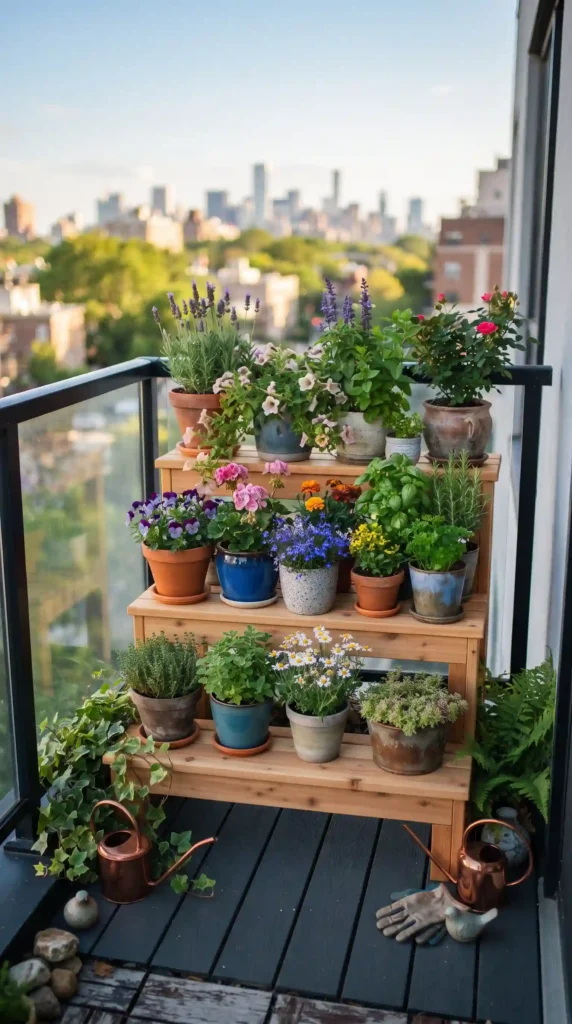
7. Design a Mini Garden With Tiered Pots
Tiered planting creates multiple growing levels without requiring additional floor space.
Place taller plants toward the back and smaller or trailing plants toward the front.
A simple three-level arrangement can include:
Top: Tall herb or flowering plant
Middle: Compact flowers or leafy greens
Bottom: Trailing plant
This technique adds depth while keeping the footprint relatively small.
8. Try the Thriller-Filler-Spiller Method
The thriller-filler-spiller approach remains useful for compact container gardens.
The basic formula is:
Thriller: A tall plant that creates height.
Filler: A rounded plant that fills the middle.
Spiller: A trailing plant that grows over the container edge.
For example, you could combine an upright ornamental plant with compact flowers and a trailing plant.
Make sure all plants in the same container have similar light and watering requirements.
9. Create a Mini Fruit Garden
You don’t necessarily need a backyard orchard to grow fruit.
Some compact fruit plants can work in containers when provided with an appropriately sized pot, suitable soil, sunlight, and care.
Depending on your climate, possibilities may include:
- Strawberries
- Dwarf citrus
- Blueberries
- Compact figs
- Patio fruit trees
Always check the mature size and growing requirements before purchasing.
A dwarf or patio variety can be much more practical than a standard-sized tree.
10. Turn a Windowsill Into a Garden
If you don’t have outdoor space, your windowsill can become a miniature growing area.
Sunny windows can support herbs and some compact edible plants.
Try:
- Basil
- Chives
- Parsley
- Thyme
- Microgreens
Use containers with drainage and avoid allowing excess water to damage the windowsill.
11. Create a Mini Succulent Garden
Succulents are ideal for creating a compact decorative garden in suitable conditions.
Combine several shapes and textures in one container or create a small collection of individual pots.
Their architectural forms can make a tiny space feel visually interesting without requiring dozens of plants.
However, succulent care varies by species, so avoid treating all succulents exactly the same.
12. Add a Tiny Water Garden
A miniature water feature can bring another dimension to a small garden.
A suitable container can become a tiny pond or water garden when properly designed.
You can add aquatic plants and create a small wildlife-friendly feature.
Keep safety and mosquito management in mind, particularly where standing water could become a problem.
Even very small water features can contribute to urban biodiversity when designed thoughtfully.
13. Use Modular Containers
If you’re renting or frequently change your garden layout, modular containers are an excellent option.
You can move them around as your needs change.
Current small-space garden design is increasingly focused on portable and modular solutions, particularly for balconies and rental properties.
Choose lightweight containers where appropriate and avoid placing heavy planters where they could create structural concerns.
14. Create a Mini Garden Room
A small garden doesn’t have to be purely about plants.
Divide your space into simple zones.
For example:
Zone 1: Container plants
Zone 2: Small chair or bench
Zone 3: Vertical garden
Zone 4: Storage
This creates the feeling of an outdoor room without requiring a large yard.
The concept of dividing compact outdoor areas into purposeful zones is becoming increasingly popular in 2026 garden design.
15. Grow Up Instead of Out
If you remember only one rule from these mini garden ideas, make it this: think vertically.
A narrow trellis can provide support for climbing plants without taking much floor space.
Try growing:
- Pole beans
- Cucumbers
- Peas
- Climbing flowers
- Compact tomatoes
Vertical structures also add privacy and architectural interest.
How to Make a Small Garden Look Bigger
A few design tricks can make your mini garden feel more spacious.
Use Different Heights
Combine ground-level plants with raised containers and vertical plants.
Keep a Clear Path
Avoid filling every square inch. Empty space helps the garden feel organized.
Repeat Plants
Repeating the same plant or color creates visual continuity.
Use Light-Colored Materials
Pale containers, gravel, and reflective surfaces can make a small area feel brighter.
Draw the Eye Upward
Trellises, tall plants, hanging baskets, and wall planters make use of vertical space.
Best Plants for Mini Gardens
When choosing plants, prioritize compact varieties.
Excellent options can include:
- Basil
- Thyme
- Chives
- Lettuce
- Radishes
- Strawberries
- Compact tomatoes
- Peppers
- Salvia
- Lavender
- Succulents
- Dwarf ornamental grasses
The best choices depend on your climate, available sunlight, container size, and growing goals.
Common Small-Space Gardening Mistakes
Using Containers That Are Too Small
Small pots can dry out quickly and restrict root growth.
Overcrowding
Too many plants can create competition for light, water, and nutrients.
Ignoring Drainage
Every outdoor container should have appropriate drainage.
Choosing Plants Without Checking Light
A beautiful plant won’t thrive if it doesn’t receive enough light.
Forgetting Mature Size
A plant that looks tiny at the garden center may eventually outgrow a small space.
Final Thoughts
These mini garden ideas for 2026 prove that you don’t need a large backyard to grow something beautiful.
Start with the space you already have. A balcony can become a vertical herb garden. A patio can support a statement planter. A windowsill can produce fresh herbs. A tiny yard can become a pollinator garden.
The biggest trend in small-space gardening isn’t simply adding more plants. It’s using better layouts, compact varieties, vertical structures, and purposeful containers to make every available inch count.
Choose plants that fit your space, provide the right amount of sunlight and drainage, and resist the temptation to overcrowd. With thoughtful planning, even the smallest space can become a productive and beautiful garden in 2026.