15 Keystone Native Plants Every U.S. Gardener Should Grow
A beautiful garden can do more than add color to your yard. The right plants can provide food and shelter for pollinators, birds, butterflies, and other wildlife. This is where keystone native plants become especially valuable.
Native plants are adapted to the conditions of their region, but some native species have an outsized ecological impact because they support many different insects and other organisms. Adding even a few of these plants to your landscape can help create a more productive habitat while reducing your dependence on high-maintenance ornamental plants.
If you’re planning a wildlife-friendly garden in 2026, here are 15 keystone native plants for U.S. gardens worth considering.
What Are Keystone Native Plants?
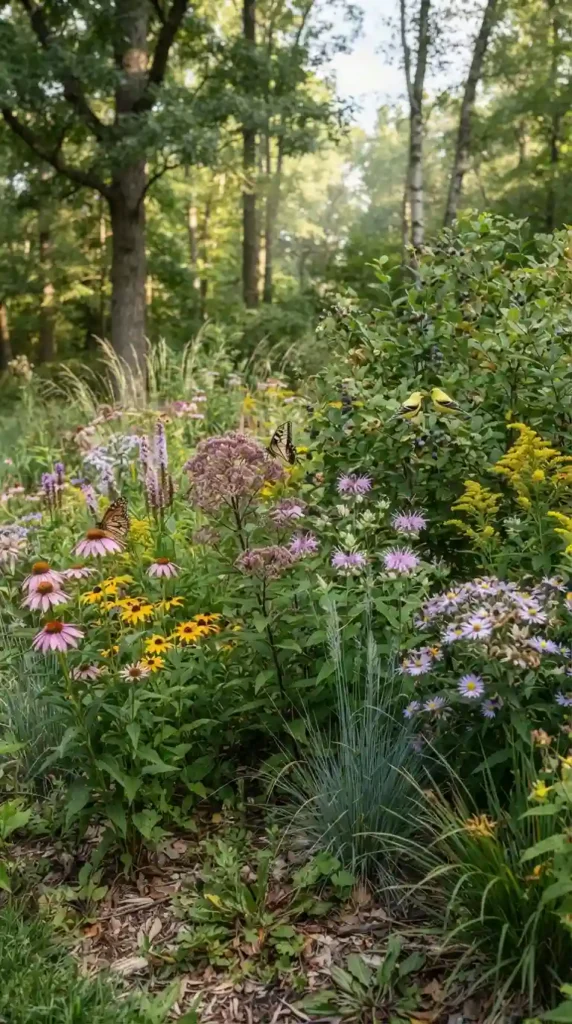
A keystone plant is a plant species that has a particularly important role in supporting an ecosystem. In gardening, the term is often used for native plants that support large numbers of caterpillars and other insects, which in turn provide food for birds and other wildlife.
Native plants can be especially valuable because local insects have evolved alongside them.
For example, a native oak tree can support hundreds of species of caterpillars, while many ornamental non-native plants may support far fewer native insects.
This doesn’t mean other plants have no value. Instead, keystone plants can provide exceptional ecological benefits relative to the space they occupy.
1. Oak Trees
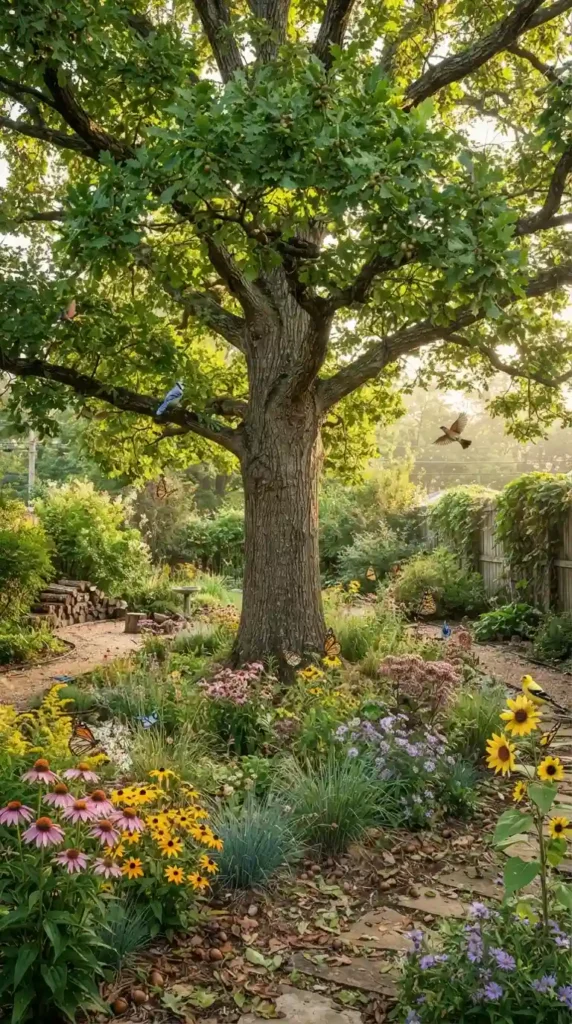
Oak trees (Quercus species) are among the most important native plants for wildlife in North America.
Different oak species support large numbers of caterpillar species, making them valuable food sources for birds. Their acorns also provide food for squirrels, deer, turkeys, and other wildlife.
Because oaks can become very large, choose a species appropriate for your property and region.
Best for: Large yards, wildlife habitat, birds and insects.
2. Willows
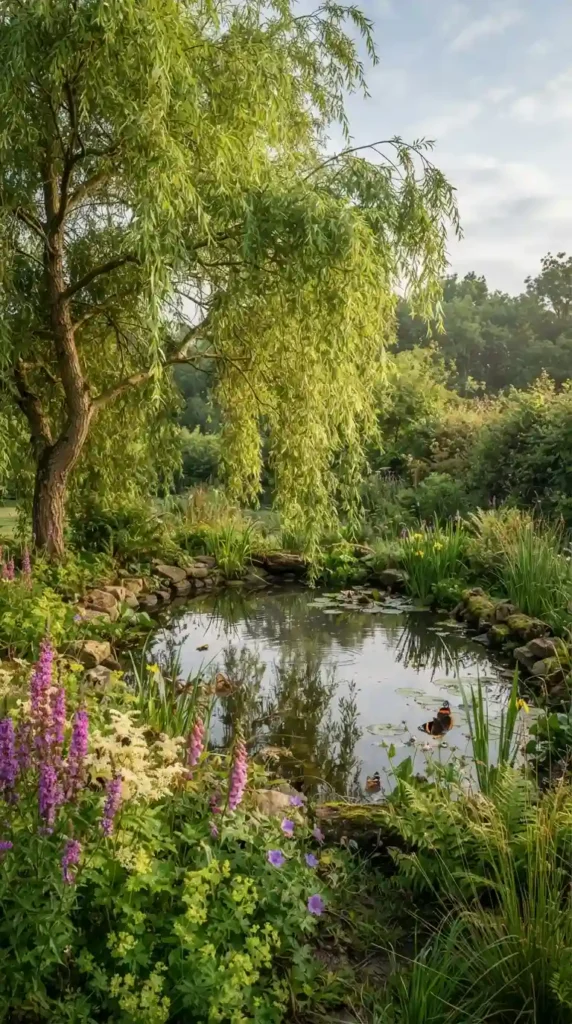
Native willows (Salix species) are particularly valuable in moist environments.
They can support numerous insects and provide early-season resources for pollinators. Their growth habit also makes them useful near suitable water features and naturalized areas.
Choose a locally native willow rather than assuming every willow species is appropriate for your region.
Best for: Moist soils, pollinator gardens, larger landscapes.
3. Cherries and Plums
Native cherry and plum trees (Prunus species) provide flowers for pollinators and host plants for numerous caterpillars.
Their fruits can also benefit birds and other wildlife.
Depending on your location, species such as black cherry, chokecherry, or native plum may be appropriate.
Best for: Wildlife gardens, pollinators, birds and larger landscapes.
4. Birches
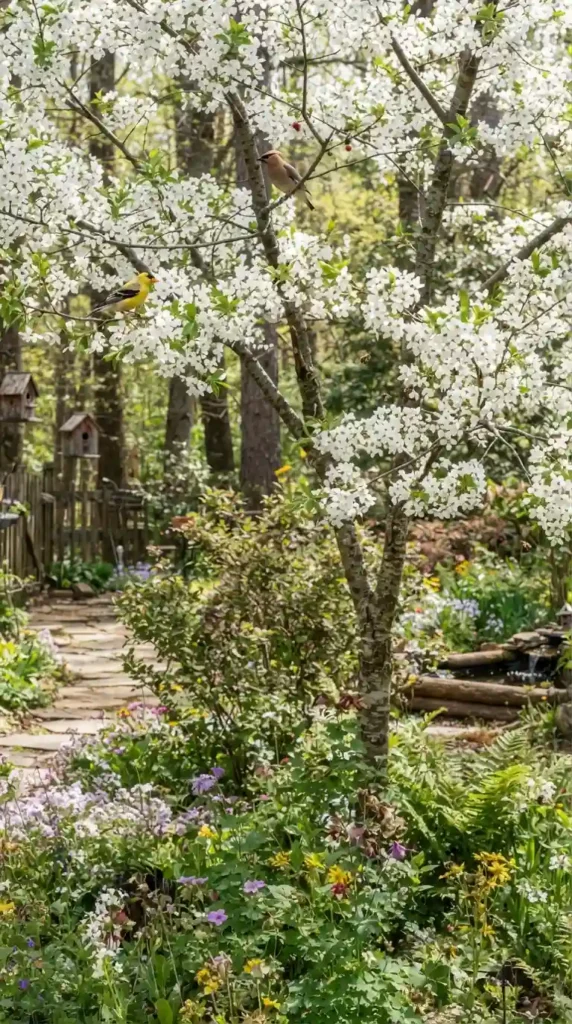
Native birches can provide ecological value while adding attractive bark and foliage to a landscape.
Several birch species support caterpillars and other insects that form part of the food web.
Choose a species suited to your local climate and soil rather than selecting a birch solely for appearance.
Best for: Medium and large gardens.
5. Maples
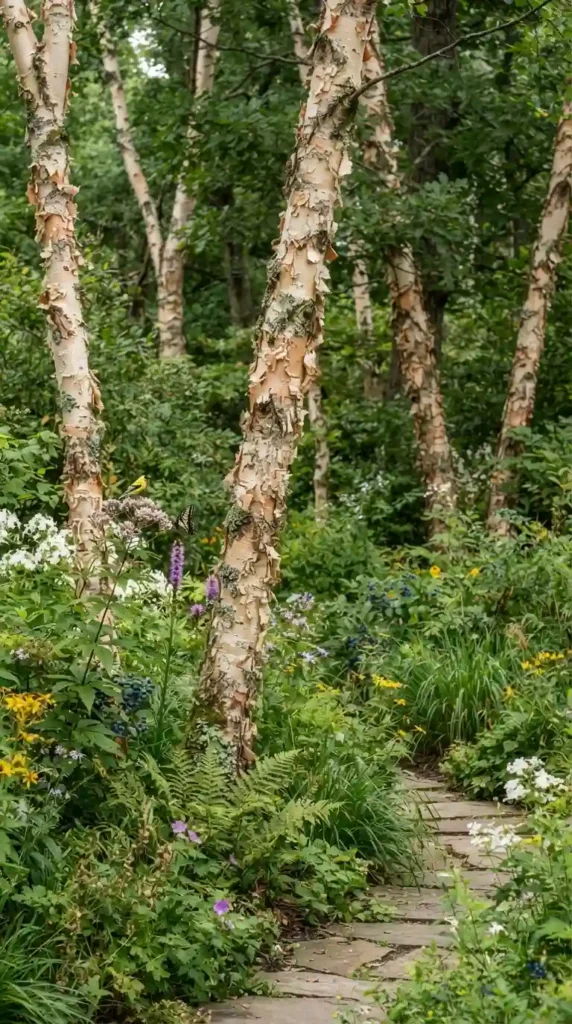
Native maples (Acer species) can provide shade, seasonal color, and habitat value.
Some native maple species support numerous insect species, making them useful additions to wildlife-conscious landscapes.
Before planting, research which maple species are native to your state or ecoregion.
Best for: Shade, larger landscapes and seasonal interest.
6. Pines
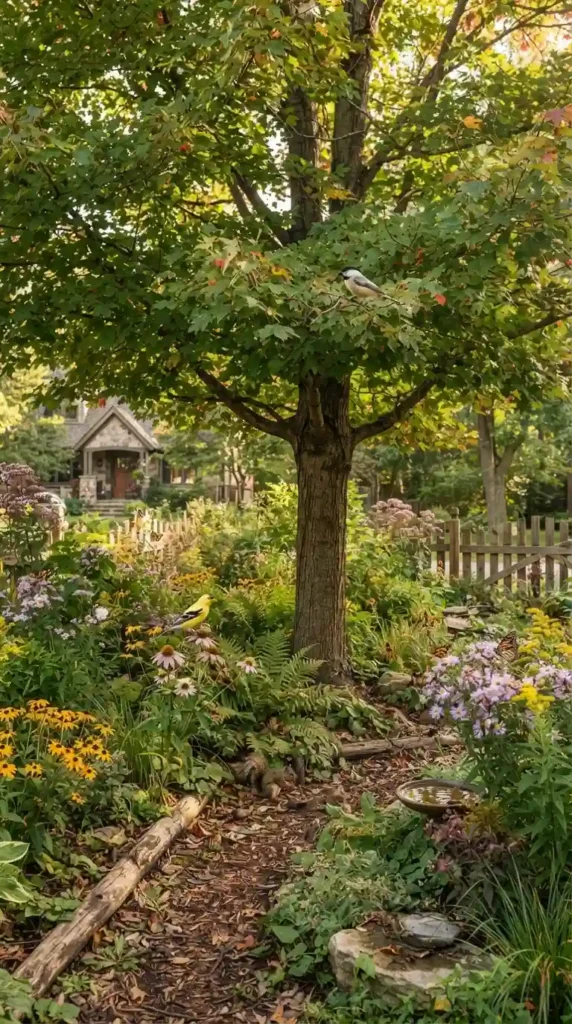
Native pine trees (Pinus species) provide year-round structure and can support insects, birds, and other wildlife.
Their needles, cones, and dense branches can contribute to habitat diversity.
Pines can become substantial trees, so give them adequate room to reach their mature size.
Best for: Larger yards and naturalized landscapes.
7. Goldenrod
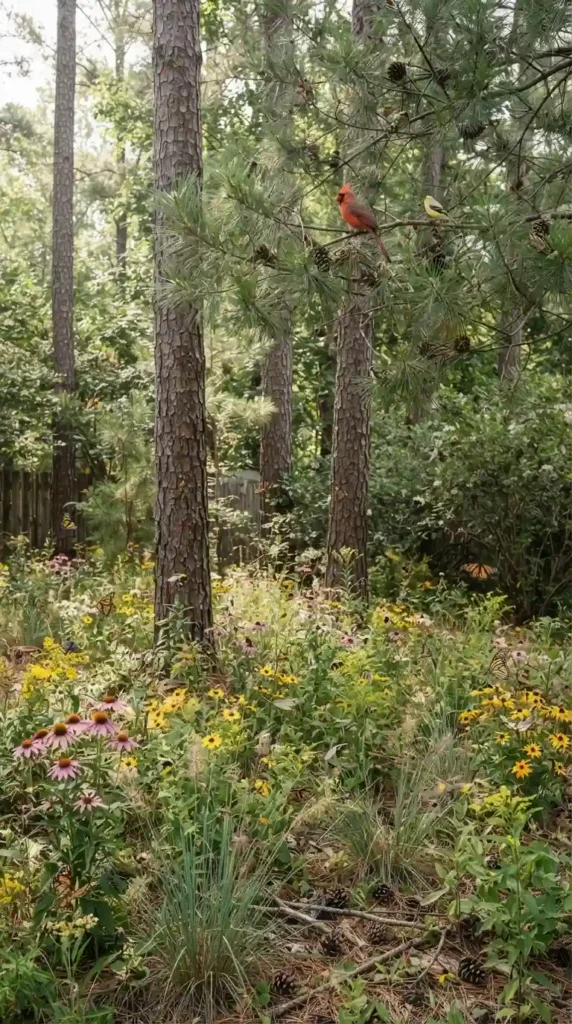
Goldenrod is an excellent choice for gardeners who want a native flowering perennial.
Its late-season blooms can provide resources for pollinators when many other plants are finishing their flowering period.
Goldenrod is sometimes incorrectly blamed for seasonal allergies, but ragweed is a much more important source of wind-borne pollen.
Best for: Pollinator gardens, sunny borders and naturalistic planting.
8. Asters
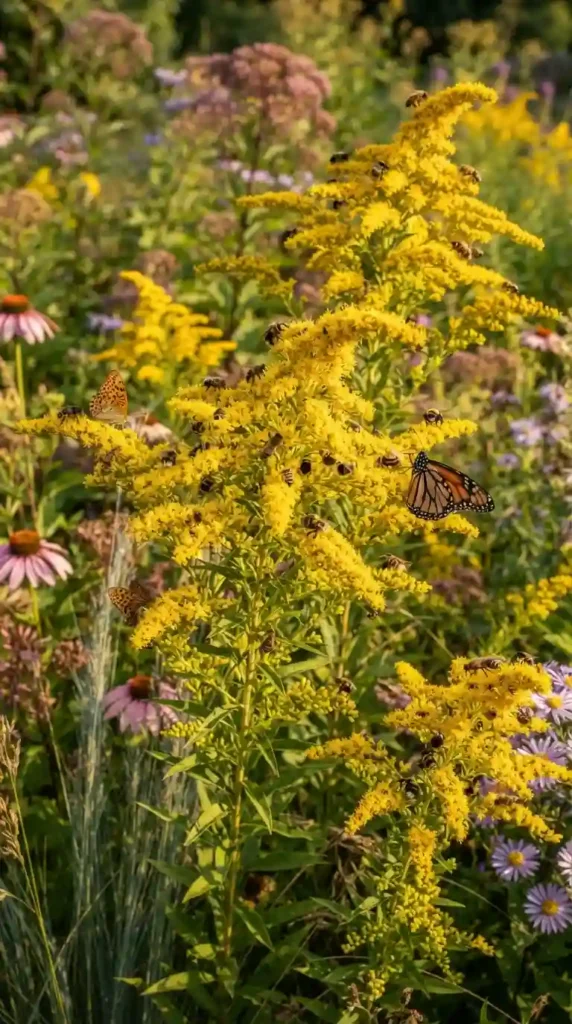
Native asters provide valuable late-season flowers for bees, butterflies, and other insects.
There are many native aster species across the United States, so gardeners should select species appropriate for their particular region.
Their flowers can add attractive shades of blue, purple, pink, or white to the fall garden.
Best for: Pollinator gardens and fall color.
9. Sunflowers
Native sunflowers can provide bright flowers while supporting insects and birds.
Some species produce seeds that birds can use as a food source.
When choosing a sunflower for a wildlife garden, consider native species rather than automatically selecting ornamental cultivars.
Best for: Sunny gardens and wildlife borders.
10. Black-Eyed Susan
Black-eyed Susan (Rudbeckia species) is a familiar native garden plant with bright yellow flowers and dark centers.
It is relatively easy to incorporate into perennial borders, meadow-style gardens, and pollinator plantings.
Its flowers can attract bees and butterflies, while its seed heads can provide food for birds.
Best for: Beginners, sunny borders and pollinator gardens.
11. Serviceberry
Native serviceberries (Amelanchier species) are excellent multi-season plants.
They can provide spring flowers, edible berries for wildlife, and attractive fall color.
Their relatively manageable size can also make them useful in landscapes where a large tree isn’t practical.
Best for: Small to medium landscapes and wildlife gardens.
12. Viburnums
Native viburnums can provide flowers, berries, and foliage interest throughout different seasons.
Several native species support insects and provide fruit that birds can use.
Choose a species appropriate for your region because not every viburnum sold at garden centers is native to the United States.
Best for: Shrub borders, privacy planting and wildlife habitat.
13. Elderberry
Native elderberries (Sambucus species) can provide flowers followed by berries that are valuable to wildlife.
They can work well in naturalistic gardens and areas where a larger shrub is appropriate.
Choose locally suitable species and give the plant enough room to develop.
Best for: Wildlife gardens and naturalized landscapes.
14. Dogwoods
Native dogwoods provide several wildlife benefits while offering attractive flowers, foliage, and fruit.
Depending on the species, they can work as understory trees or larger shrubs.
Native dogwoods can also add seasonal interest without requiring the highly manicured appearance of many ornamental landscapes.
Best for: Woodland-style gardens and partially shaded landscapes.
15. Native Willows and Regional Shrubs
For gardeners with limited space, choosing regionally important native shrubs can be more practical than planting a large tree.
Look for native shrubs in your area that support caterpillars, pollinators, birds, and other wildlife.
Examples can vary dramatically between regions, so local native-plant societies, botanical gardens, and extension services are excellent sources for identifying the best species for your location.
Best for: Small yards, borders and habitat gardens.
How to Choose the Right Keystone Plants
The United States contains many different ecosystems, so there is no universal list of plants that will perform equally well everywhere.
A plant native to Florida may not be native to Maine, California, Arizona, or Oregon.
Before purchasing a plant, consider:
- Your state or ecoregion
- Soil type
- Sun exposure
- Average rainfall
- Winter temperatures
- Mature plant size
- Water requirements
- Wildlife value
The best native plants for your garden are those that naturally belong in your local ecosystem and can thrive under your property’s conditions.
Plant Native Species in Groups
You don’t need dozens of different species to create a wildlife-friendly garden.
Planting several individuals of the same native species together can create stronger visual impact while making it easier for pollinators to locate flowers.
Try combining plants that bloom during different seasons.
For example:
Spring: Native flowering trees and shrubs
Summer: Rudbeckia, native sunflowers and other summer perennials
Fall: Goldenrod and asters
This creates a garden that provides resources throughout much of the growing season.
Avoid Creating a “Native Plant Museum”
A common mistake is planting one specimen of every native species you can find.
Instead, think about creating a functioning plant community.
Combine trees, shrubs, flowers, grasses, and groundcovers that naturally occur together in your region.
Layered planting provides different heights and habitats while creating a more natural appearance.
Why Keystone Plants Matter for Birds
Many people plant bird-friendly gardens by adding seed-producing flowers and bird feeders.
But insects are also extremely important.
Baby birds often depend on insects and caterpillars as food. By growing native plants that support insect populations, gardeners can help create a more complete food web.
This is one reason keystone native plants can have an impact that goes beyond their flowers or fruit.
Final Thoughts
Adding keystone native plants to your garden is one of the simplest ways to make your landscape more valuable to local wildlife.
From towering oaks and pines to goldenrod, asters, Rudbeckia, serviceberry, and native shrubs, these plants can provide food, shelter, nesting resources, and habitat for insects and birds.
However, the most important rule is to think locally. Native status varies by region, and a plant that is highly beneficial in one part of the country may not be native or appropriate somewhere else.
Start with a few species native to your area, group plants together, provide flowers across multiple seasons, and reduce unnecessary lawn where practical.
You don’t need to transform your entire property overnight. Even a small planting of regionally appropriate native plants can become a valuable piece of habitat—and a beautiful addition to your garden.