12 Essential Herbs for Survival Situations
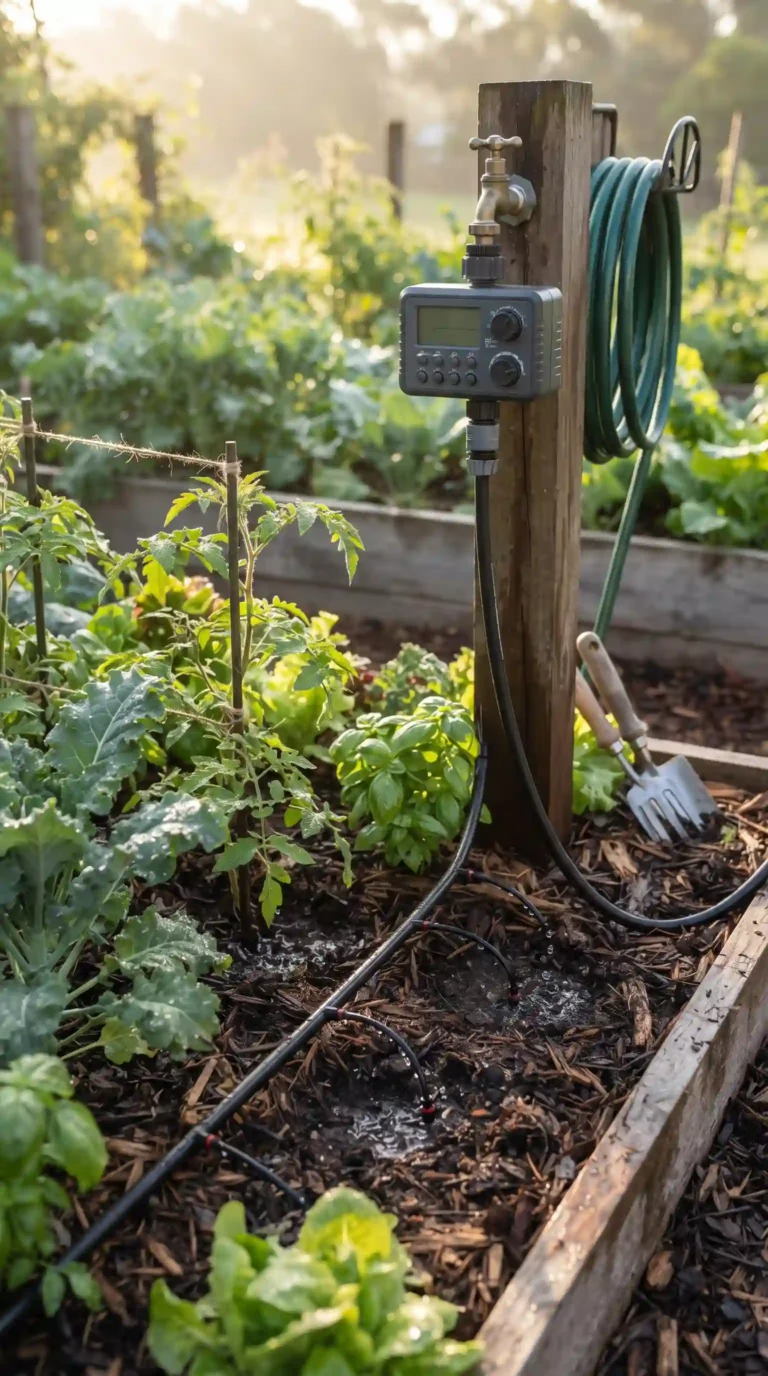
When preparing for a survival situation, most people think about food, clean water, shelter, fire, and first-aid supplies. However, useful plants can also have a place in a well-planned survival garden or emergency supply system. 12 essential herbs for survival situations can provide useful flavors, food ingredients, teas, aromas, and traditional plant-based options when access to stores is limited.
Herbs are especially valuable because many are easy to grow, can be dried for long-term storage, and do not require a large garden. Some can also attract beneficial insects, support a healthy garden ecosystem, or provide useful culinary ingredients.
It is important to remember that herbs should not be treated as replacements for professional medical care. Wild plants can also be dangerous if they are misidentified. For survival planning, focus on herbs that are easy to identify, useful in everyday life, and practical to grow at home.
Why Herbs Matter in Survival Situations
Herbs can be useful because they offer several benefits from a relatively small amount of garden space. Many perennial herbs can return year after year, while annual herbs can produce plenty of leaves or seeds during one growing season.
A survival herb garden can help provide:
- Flavor for simple meals
- Ingredients for herbal teas
- Aromatic plants for household use
- Natural garden support
- Useful cooking ingredients
- Dried herbs for long-term storage
- Seeds for future planting
- Plant material that can support pollinators
Instead of depending on a single purpose, a good survival garden uses plants with several practical uses.
1. Rosemary
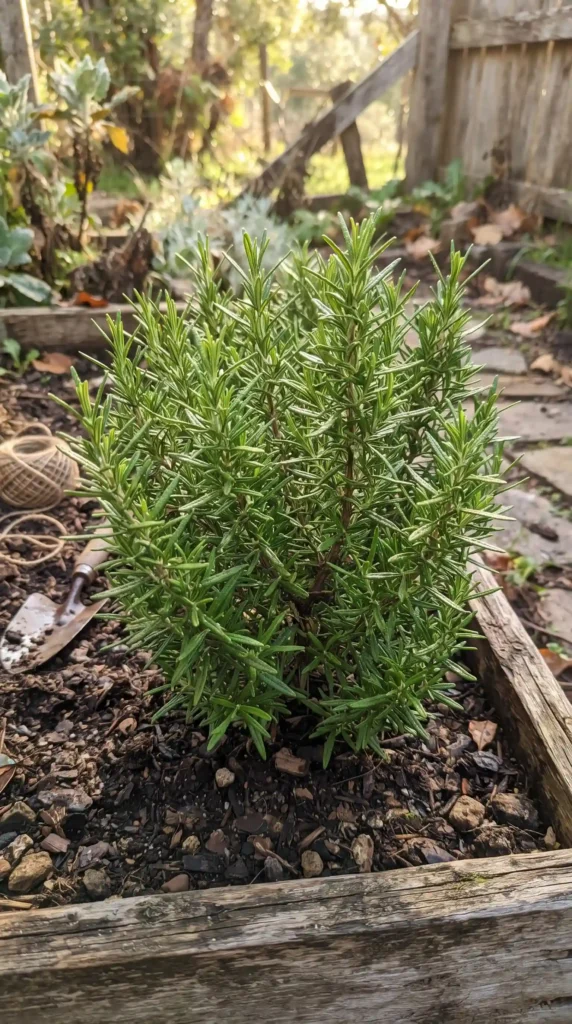
Rosemary is one of the most useful herbs to consider for a survival garden. It has a strong aroma and works well with vegetables, potatoes, beans, soups, and meats.
Once established, rosemary can tolerate relatively dry conditions, especially when grown in well-drained soil. In suitable climates, it can grow as a long-lived perennial.
Its leaves can be harvested and dried for storage. Dried rosemary keeps its strong flavor and can be useful when fresh herbs are unavailable.
For survival gardening, rosemary is particularly attractive because it can provide value without requiring daily harvesting.
2. Thyme
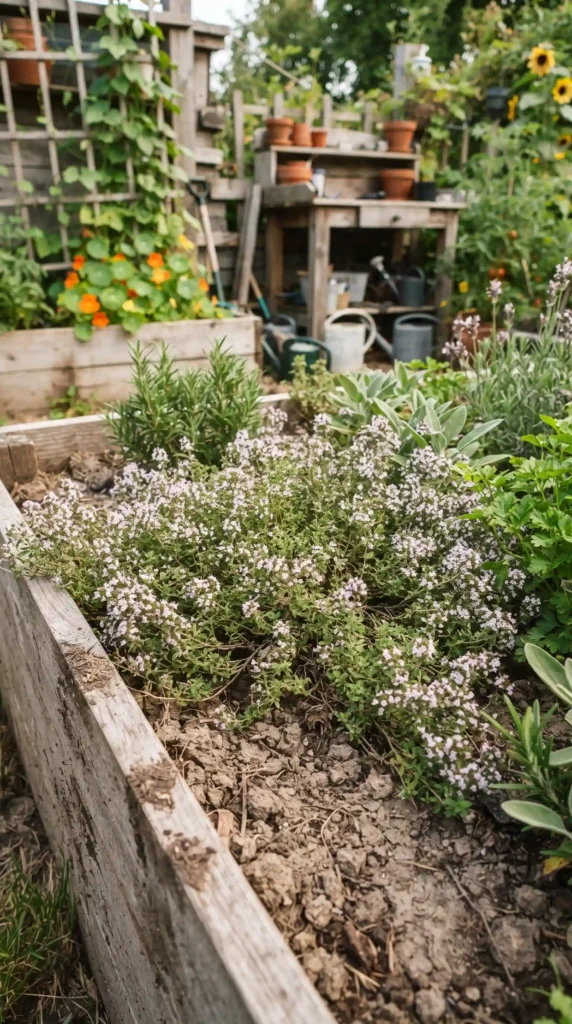
Thyme is a small herb with a powerful flavor. A little can add character to soups, stews, vegetables, beans, and other simple meals.
It is also useful for small gardens because it does not normally need a large amount of space. Many thyme varieties prefer sunny locations and well-drained soil.
Thyme can be harvested regularly and dried for later use. Keeping dried thyme in an airtight container can help preserve its flavor for future cooking.
For people building a compact survival garden, thyme is an easy herb to include.
3. Sage
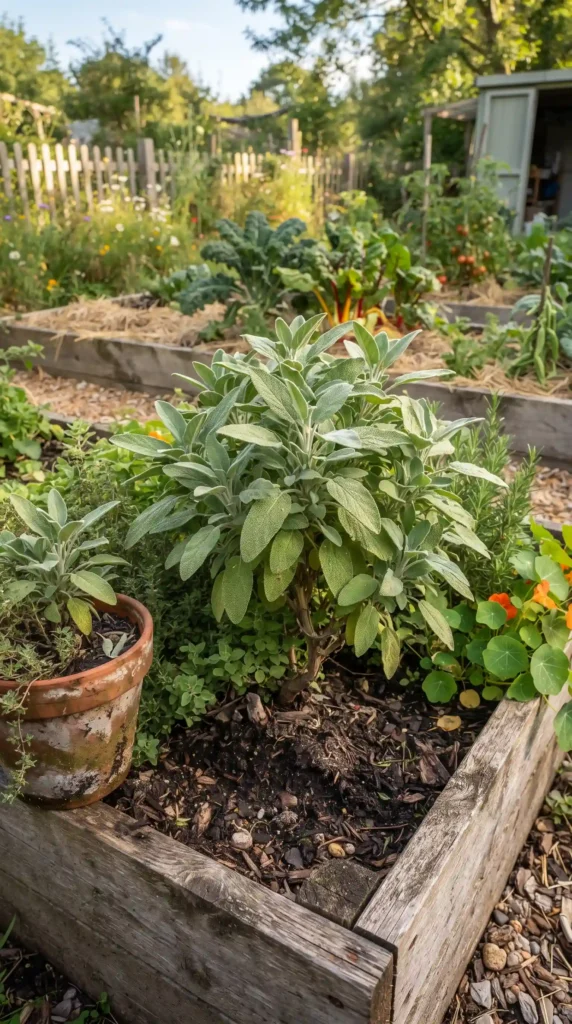
Sage is another hardy herb that can be useful when food choices become limited. Its strong flavor works well in soups, vegetables, beans, and various savory dishes.
Sage generally prefers plenty of sunlight and soil that drains well. Overwatering can create problems, so allowing the soil to dry somewhat between watering can be helpful depending on local conditions.
The leaves can be harvested and dried. Because sage has a strong taste, a relatively small amount can add noticeable flavor to meals.
4. Mint
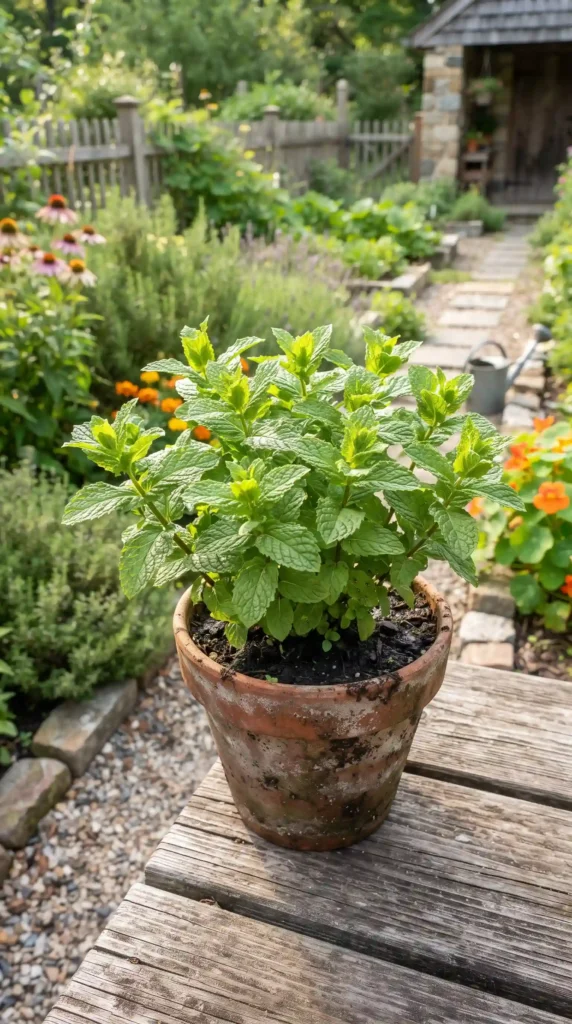
Mint is well known for its refreshing aroma and flavor. It can be used in teas, drinks, salads, sauces, and various foods.
One important survival-gardening point is that mint can spread aggressively. Instead of planting it directly in a large garden bed, many gardeners prefer growing it in containers.
Fresh mint can be harvested throughout the growing season, while leaves can also be dried for tea or cooking.
Mint can therefore provide a useful combination of flavor and variety when the diet is based heavily on stored foods.
5. Oregano
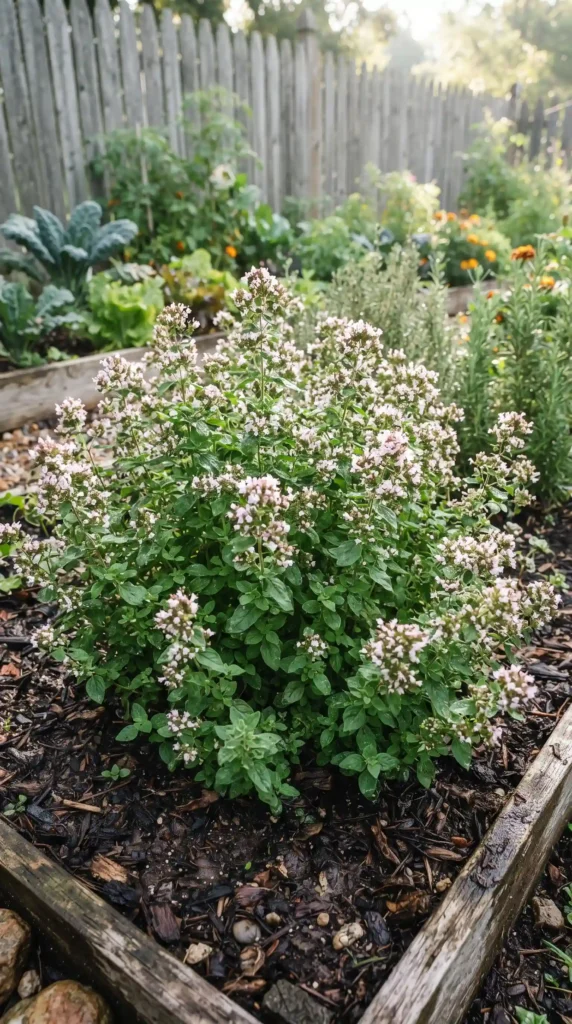
Oregano is especially useful for people who enjoy flavorful meals. It works well with tomatoes, beans, vegetables, sauces, soups, and many Mediterranean-style dishes.
The plant generally prefers sunlight and well-drained soil. Once established, oregano can provide a steady supply of leaves during its growing period.
Drying oregano is simple. Harvest healthy stems, allow them to dry in a clean, dry area with good airflow, then remove the leaves and store them in an airtight container.
A small amount of dried oregano can make basic stored foods much more enjoyable.
6. Basil
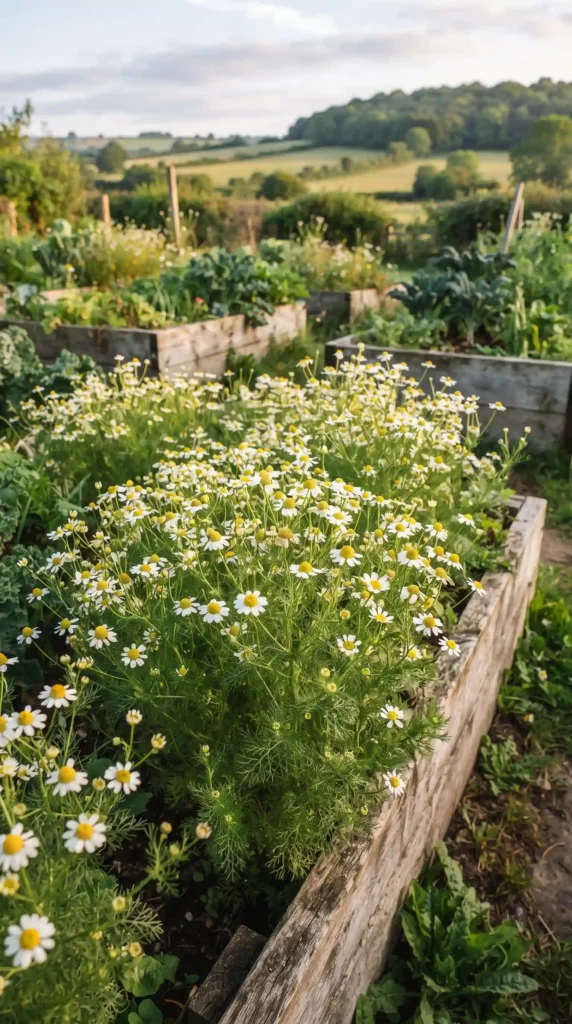
Basil is a popular culinary herb that can be valuable in a survival garden. Its leaves work particularly well with tomatoes, vegetables, sauces, rice dishes, and salads.
Unlike rosemary or thyme, basil is generally treated as an annual in many climates. This means seeds are especially important if you want to continue growing it in future seasons.
Basil prefers warmth, sunlight, and consistent moisture. Regular harvesting can encourage new growth.
For long-term preparedness, allow some healthy plants to flower and produce seeds rather than harvesting every leaf. Saving seeds can help you restart your herb supply in the next growing season.
7. Parsley
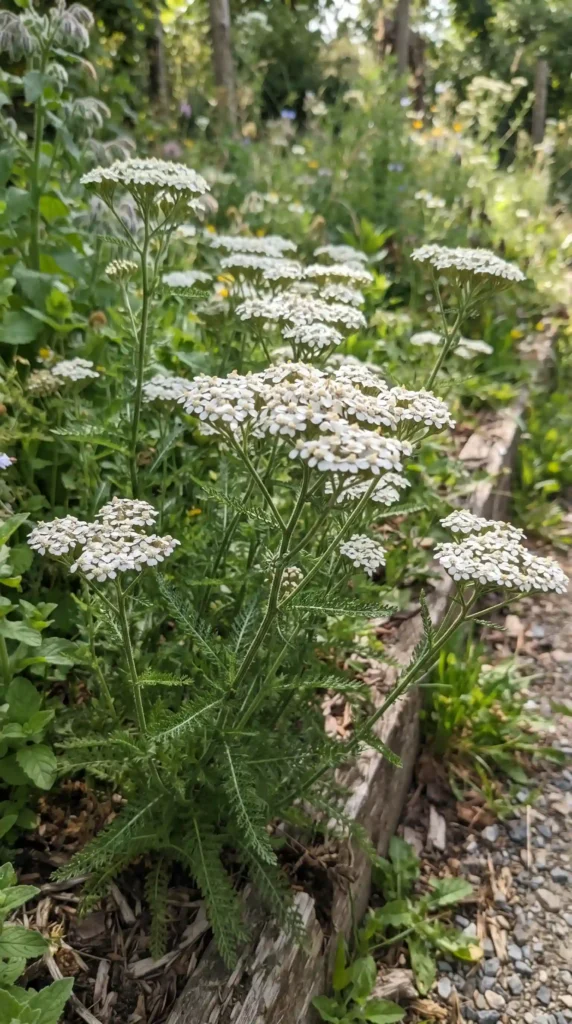
Parsley is more than a simple garnish. It can add fresh flavor to soups, salads, vegetables, sauces, and many other foods.
It can be grown in garden beds or containers and generally performs well with adequate sunlight and regular watering.
Parsley is useful in a survival garden because it provides a fresh green ingredient that can improve meals made from stored staples.
If growing parsley for long-term preparedness, consider allowing some plants to produce seeds. This can create a renewable supply rather than relying entirely on purchased seed packets.
8. Chives
Chives are a convenient herb for small gardens because they grow in clumps and can be harvested repeatedly.
Their mild onion-like flavor works well in potatoes, eggs, soups, salads, rice, vegetables, and other simple meals.
Chives can often return after cutting, allowing gardeners to harvest only what they need. This is valuable during situations where food resources need to be used carefully.
They can also be grown in containers, making them suitable for balconies, patios, and small urban gardens.
9. Fennel
Fennel can provide several useful parts, including its leaves and seeds. Its distinctive flavor makes it useful for cooking and seasoning.
The plant can become quite large, so it needs more space than compact herbs such as thyme or chives.
Fennel seeds can be collected when mature and stored properly for future planting or culinary use.
As with any plant used in a survival situation, make sure the species is correctly identified before consuming it. This is especially important when collecting plants outside your garden.
10. Lemon Balm
Lemon balm is a fragrant member of the mint family. Its leaves have a pleasant lemon-like aroma and can be used to make herbal tea or add flavor to certain foods and drinks.
It can grow vigorously under suitable conditions, so containers can help keep it under control.
For a survival garden, lemon balm offers variety. Having several herbs with different flavors can make stored grains, vegetables, and other basic foods less repetitive.
Fresh leaves can be harvested as needed, while leaves can also be dried for later use.
11. Lavender
Lavender is best known for its distinctive fragrance rather than its role as a major food herb. Still, it can have a useful place in a multipurpose garden.
Certain culinary lavender varieties can be used in food in small amounts, while dried flowers are commonly valued for their aroma.
Lavender generally prefers plenty of sunlight and well-drained soil. Once established, it can be relatively low-maintenance in suitable conditions.
When growing lavender for any culinary purpose, choose an appropriate edible variety and avoid plants that have been treated with unsuitable chemicals.
12. Garlic Chives
Garlic chives provide a mild garlic-like flavor and can be used in soups, vegetables, eggs, rice dishes, and sauces.
They are particularly useful when you want an herb that can provide repeated harvests. The leaves can be cut when needed, allowing the plant to continue producing new growth.
Garlic chives can also produce flowers and seeds, making them an interesting option for gardeners who want plants that can continue through future seasons.
Their strong flavor means even a small harvest can add variety to basic meals.
How to Choose Herbs for a Survival Garden
You do not need to grow all 12 herbs at once. Start with plants that match your climate, available space, cooking habits, and water supply.
When selecting herbs, consider:
- How much sunlight your garden receives
- Whether the herb is annual or perennial
- How much water it needs
- How much space it requires
- Whether it grows well in containers
- Whether you can save its seeds
- How easily it can be dried
- How often you expect to use it
A small collection of highly useful herbs can be more practical than a large garden filled with plants you rarely use.
Grow Perennial Herbs for Long-Term Value
Perennial herbs can be particularly valuable for preparedness because many can survive and produce for multiple years when grown in suitable conditions.
Rosemary, thyme, sage, oregano, and some types of chives can fit well into a long-term garden plan.
Perennial plants may take time to become established, so planting them before an emergency occurs is important. Good soil preparation and suitable placement can make maintenance easier over time.
Grow Annual Herbs for Fresh Seasonal Harvests
Annual herbs such as basil can provide large amounts of fresh leaves during the right growing season.
The key to long-term usefulness is planning for the next crop. Letting some plants mature enough to produce seeds can help maintain a renewable garden.
Seed saving requires proper identification, healthy parent plants, and suitable storage conditions. Store dry seeds in a cool, dry, protected location and label them clearly.
How to Dry Herbs for Storage
Drying is one of the easiest ways to preserve many herbs.
Start by harvesting clean, healthy plant material. Remove damaged leaves and gently clean the herbs if necessary. Allow excess moisture to disappear before drying.
Herbs should be dried in a clean area with good airflow and protection from excessive heat, moisture, and direct sunlight.
Once completely dry, store them in airtight containers. Label each container with the herb name and storage date.
Properly dried herbs should remain dry. If moisture enters the container, mold can become a problem.
Why Identification Is Extremely Important
Survival situations can create pressure to use whatever plants are available. This can be dangerous.
Some wild plants look very similar to edible herbs but can cause serious poisoning. Never consume an unfamiliar wild plant simply because it resembles something you recognize.
A responsible survival plan should include reliable plant-identification references and hands-on learning before an emergency occurs.
Growing herbs yourself is generally easier to manage because you know exactly what you planted.
Herbs Are Not a Replacement for Medicine
Herbs have a long history of traditional use, but traditional use does not automatically mean a plant is an effective treatment for a medical condition.
Some herbs can also interact with medicines or cause unwanted effects. Concentrated herbal products can be especially different from normal culinary amounts.
In a serious injury, infection, allergic reaction, poisoning, or other medical emergency, proper medical care should be sought whenever it is available.
For survival preparation, herbs are best considered supportive household and culinary resources rather than emergency replacements for trained medical treatment.
Build a Balanced Survival Garden
A survival garden should not depend only on herbs. Herbs are useful, but they do not provide all the calories, protein, carbohydrates, fats, and nutrients needed for long-term survival.
A more balanced garden can include:
- Herbs for flavor
- Vegetables for fresh produce
- Beans for additional protein and calories
- Root crops for storage
- Fruit plants where space allows
- Seed-producing plants for future crops
This approach creates a more useful food system than relying on one plant category.
Save Seeds for Future Growing
Seeds can become extremely valuable when access to garden supplies is limited.
Choose healthy plants and allow selected specimens to mature fully. Collect seeds when they are mature and dry.
Keep seeds clearly labeled with the plant name and collection year. Store them away from heat, moisture, insects, and direct sunlight.
Not every herb is equally easy to grow from saved seed, so learn about the specific varieties in your garden before depending on them.
Use Containers When Space Is Limited
You do not need a large property to create a survival herb garden.
Containers can work well for herbs such as mint, thyme, chives, parsley, oregano, and basil. They allow you to move plants when sunlight or weather conditions change.
Containers can also help control aggressive herbs such as mint.
Make sure containers have adequate drainage holes. Poor drainage can damage roots and create conditions that encourage disease.
Plan Around Your Local Climate
The best survival herbs depend partly on your growing conditions.
Before planting, consider:
- Average temperatures
- Summer heat
- Winter cold
- Rainfall
- Soil type
- Available sunlight
- Water availability
- Container-growing options
An herb that thrives in one region may struggle in another. Choosing varieties suited to your climate can reduce wasted seeds, water, time, and effort.
Common Mistakes to Avoid
A survival herb garden should be simple enough to maintain. Avoid planting more varieties than you can care for.
Common mistakes include:
- Overwatering herbs
- Ignoring drainage
- Planting shade-loving and sun-loving herbs together
- Forgetting to save seeds
- Harvesting every plant before it can reproduce
- Storing herbs before they are completely dry
- Using unidentified wild plants
- Depending on herbs as a complete food supply
- Ignoring pest and disease problems
Simple planning can prevent many of these problems.
Final Thoughts
These 12 essential herbs for survival situations can add practical value to a home preparedness garden. Rosemary, thyme, sage, mint, oregano, basil, parsley, chives, fennel, lemon balm, lavender, and garlic chives each offer different benefits for cooking, storage, gardening, or household use.
The most useful survival garden is not necessarily the biggest one. It is a garden containing plants you can identify, grow, harvest, preserve, and use confidently.
Start with a few herbs that match your climate and daily needs. Learn how to care for them, save seeds, dry the harvest, and maintain healthy plants. With consistent preparation, even a small herb garden can become a useful part of a broader food and household preparedness plan.