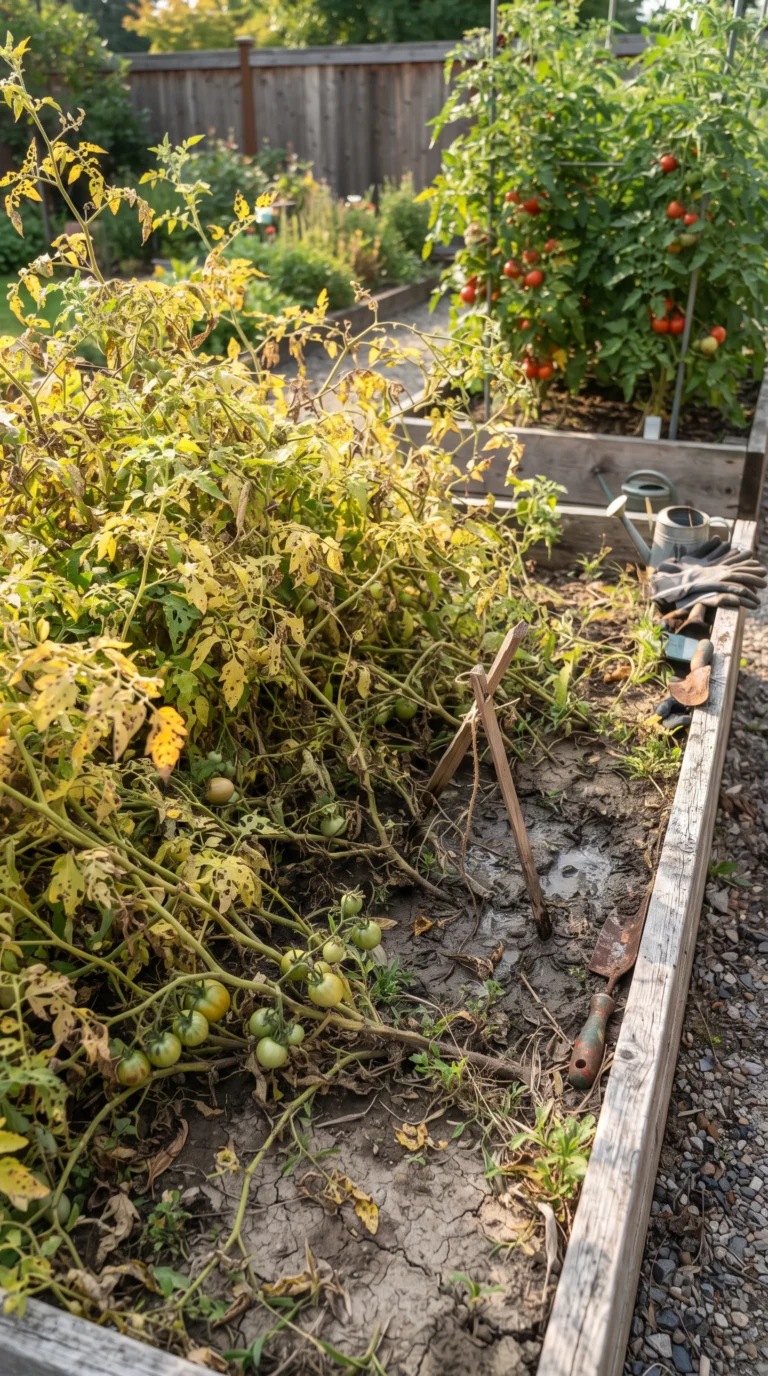
Fire-Safe Landscaping: How to Protect Your Home With Smart Plant Choices
Wildfire risk is an important consideration for homeowners living in fire-prone areas. While no landscape can guarantee that a home will survive a wildfire, thoughtful fire-safe landscaping can help reduce the amount of combustible vegetation around a property.
The goal isn’t to turn your backyard into a barren landscape. With the right plants, spacing, maintenance, and hardscaping, you can create an attractive garden while reducing potential pathways for fire to reach your home.
Fire-resistant landscaping works best as part of a larger wildfire-prevention strategy that also includes maintaining the structure itself, cleaning roofs and gutters, and using appropriate fire-resistant building materials.
What Is Fire-Safe Landscaping?
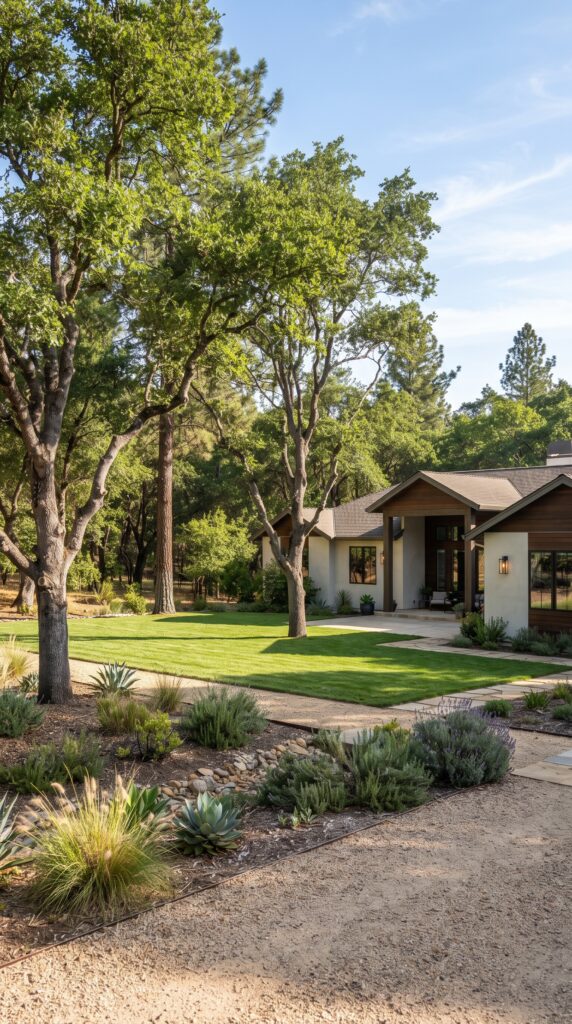
Fire-safe landscaping is a landscape design approach that reduces potential fuel around a home and makes it harder for flames or embers to move through vegetation.
It involves more than simply choosing plants labeled “fire resistant.” Plant placement, spacing, irrigation, pruning, removal of dead material, and landscape maintenance are equally important.
Oregon State University Extension notes that fire-resistant plants generally have moist, supple leaves, limited dead material, open branching structures, and relatively low amounts of volatile oils or resins.
However, it’s important to understand one thing:
Fire-resistant does not mean fireproof.
Even a relatively fire-resistant plant can burn when it becomes dry, stressed, or surrounded by accumulated dead vegetation.
Why Plant Choice Matters
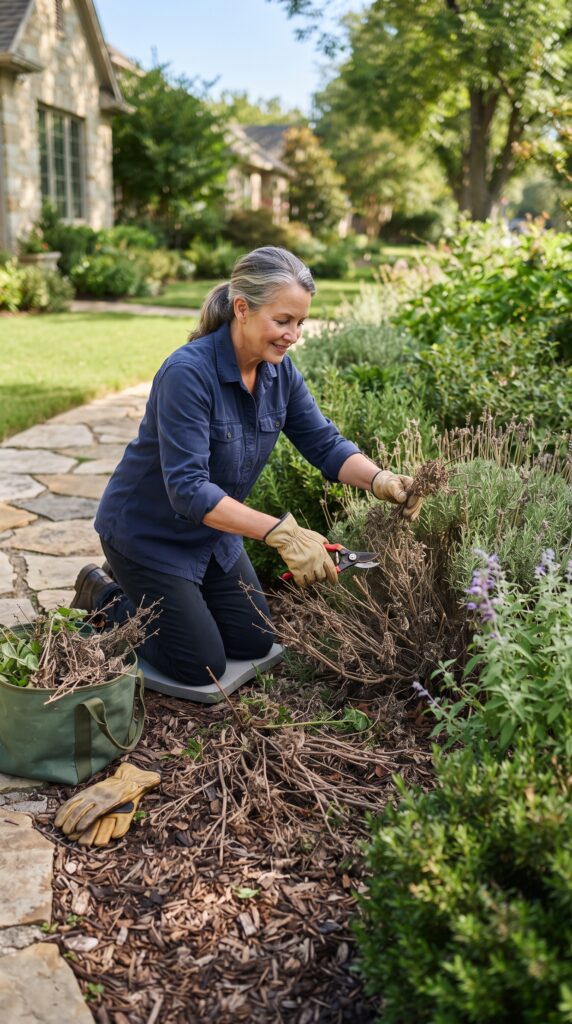
Plants can become fuel during a wildfire.
Some plants contain fine, dry foliage, needles, twigs, oils, or resins that can ignite readily. Dense vegetation can also allow fire to move from one plant to another.
Highly flammable plants placed close to a home can therefore increase potential ignition hazards.
Instead, look for plants that tend to:
- Hold moisture well
- Have broad, supple leaves
- Produce limited dead material
- Have open branching
- Contain relatively little resin or volatile oil
- Stay healthy with appropriate irrigation
OSU Extension emphasizes that both native and ornamental plants can vary considerably in flammability, so plant origin alone should not be used to determine whether a plant is fire-resistant.
Understand the Defensible Space Around Your Home
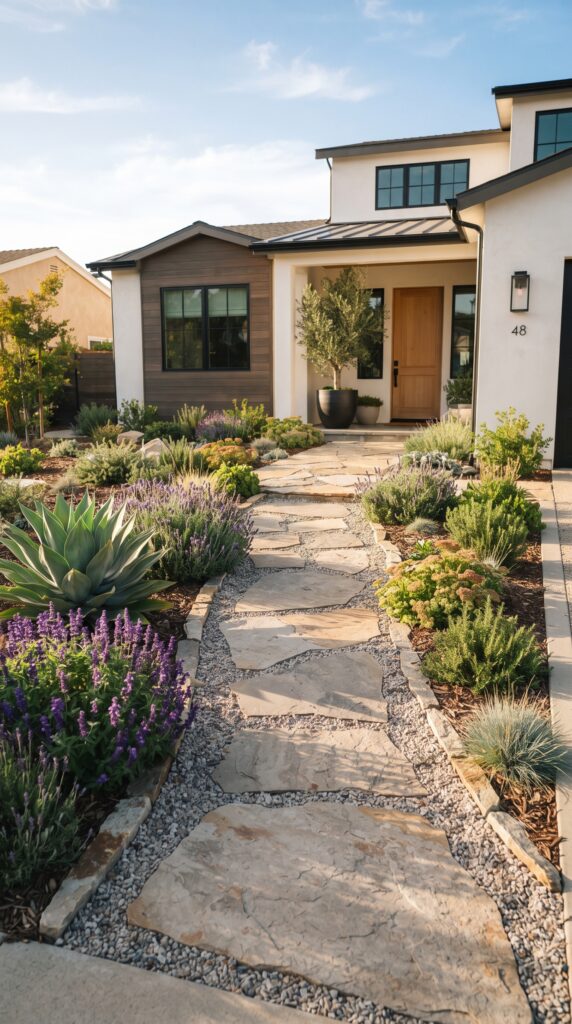
One of the most important concepts in fire-safe landscaping is defensible space.
The Home Ignition Zone generally includes the home and the surrounding area where vegetation and other fuels can influence whether the structure ignites. OSU Extension describes the zone as extending approximately 100 feet from the home, or farther on some steep slopes, although exact requirements vary by location.
Think of your landscape as a series of areas rather than one continuous garden.
0–5 Feet: The Immediate Zone
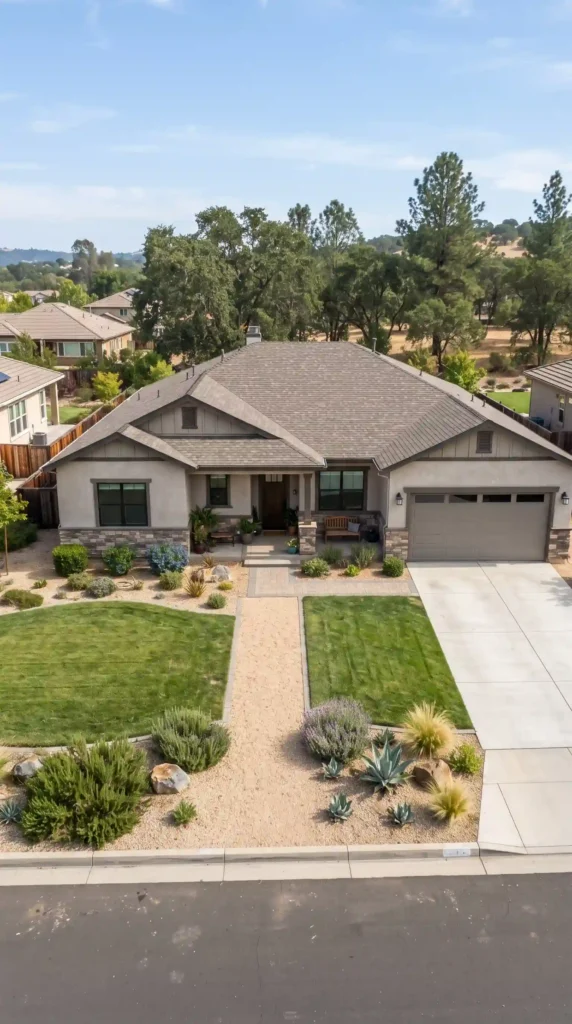
This is the area closest to your home and one of the most important places to reduce combustible material.
Where possible, use noncombustible materials such as:
- Gravel
- Pavers
- Concrete
- Stone
- Other suitable hardscape materials
Recent OSU Extension guidance recommends keeping the area within 5 feet of the structure free of plants and other combustible materials whenever possible.
Also avoid placing vegetation directly beneath windows, beside doors, beneath eaves, or near vents and wooden decks.
5–30 Feet: Create Separated Planting Areas
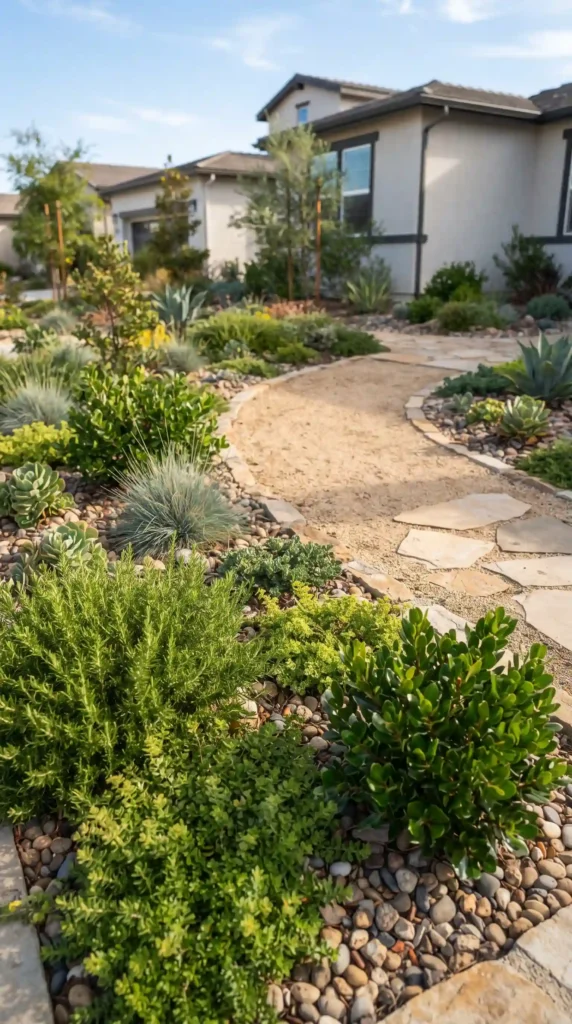
The area immediately beyond the 5-foot zone can still contain attractive plants.
The key is separation.
Instead of creating one continuous wall of shrubs, divide vegetation into individual groups with open spaces between them.
OSU Extension recommends spacing group plantings by at least 10 feet in this zone, with greater separation where slopes or other conditions increase wildfire risk.
Low-growing perennials and groundcovers can be preferable to taller vegetation close to the home.
Avoid creating a continuous line of shrubs leading toward your house.
30–100 Feet: Reduce Fuel Continuity
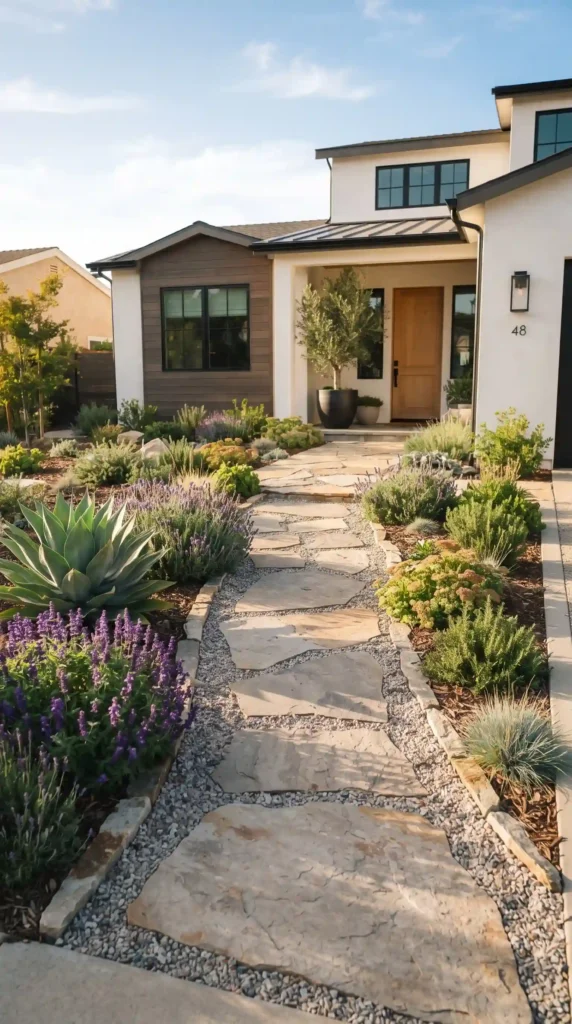
Farther from the home, the goal becomes reducing the continuity and density of vegetation.
Remove or manage:
- Dead branches
- Fallen limbs
- Dense brush
- Dry grass
- Excessive leaf and needle accumulation
- Invasive flammable vegetation
Trees and shrubs should be spaced so that fire has fewer opportunities to move continuously through the landscape.
On larger properties, this zone may require periodic thinning rather than simply planting new vegetation.
Choose Fire-Resistant Plants for Your Region
There is no universal list of “best fire-safe plants” for every part of the country.
Climate, soil, drought conditions, wind, slope, and local plant availability all matter.
When shopping for plants, ask a local nursery, extension service, or fire agency about species that perform well in your region and have appropriate fire characteristics.
Potential categories to explore include:
- Broadleaf deciduous trees
- Moisture-retaining perennials
- Low-growing groundcovers
- Well-maintained flowering plants
- Suitable native species
- Drought-tolerant plants with favorable fire characteristics
OSU Extension maintains a guide containing more than 150 fire-resistant landscape plants, illustrating how a fire-wise landscape can still include trees, shrubs, perennials, and attractive flowering plants.
Avoid Highly Flammable Plant Characteristics
Instead of memorizing one national list of plants to avoid, learn what makes vegetation more hazardous.
Be cautious about plants with:
- Fine, dry foliage
- Large amounts of dead material
- Strongly aromatic leaves
- Resinous or gummy sap
- Highly flammable needles
- Dense interiors filled with dry branches
- Loose or papery bark
For example, OSU Extension identifies juniper as a highly flammable shrub when improperly positioned or maintained.
Plant characteristics can vary, so always consider the mature plant and how it will be maintained.
Keep Trees Away From Your Roof
Trees can become particularly concerning when branches reach the structure.
A tree that grows directly against a roofline can create a pathway for flames or embers.
As plants mature, maintain appropriate clearance between tree branches and structures. OSU Extension recommends keeping at least 15 feet between tree branches and the home in its fire-wise landscape guidance, while other property-specific recommendations may differ.
Don’t plant a small tree close to your house simply because it looks harmless today.
Think about its mature height and canopy spread before planting.
Remove Ladder Fuels
“Ladder fuels” are vegetation layers that allow fire to move from the ground upward into shrubs and tree canopies.
Examples include:
- Tall grasses
- Shrubs beneath trees
- Small trees
- Low branches
- Dead vegetation
Removing or reducing these connections can help interrupt vertical fire movement.
Keep lower tree branches appropriately pruned and avoid allowing dense vegetation to build up underneath mature trees.
Be Careful With Mulch
Mulch can be useful for conserving soil moisture and suppressing weeds, but some materials are combustible.
OSU Extension specifically advises against bark mulch within 5 feet of a home and recommends noncombustible materials such as rock or gravel in areas immediately adjacent to structures.
The right mulch strategy depends on your local conditions and fire guidance.
Always keep organic debris from accumulating against walls, decks, and other vulnerable parts of the home.
Maintenance Is Just as Important as Plant Selection
A fire-safe landscape doesn’t stay fire-safe automatically.
Regular maintenance should include:
- Removing dead branches
- Clearing dry leaves and needles
- Pruning overgrown vegetation
- Managing weeds and invasive plants
- Keeping plants appropriately irrigated
- Mowing grass as recommended locally
- Cleaning gutters and roof areas
- Maintaining adequate spacing
OSU Extension emphasizes that even fire-resistant plants can burn when poorly maintained or allowed to accumulate dry material.
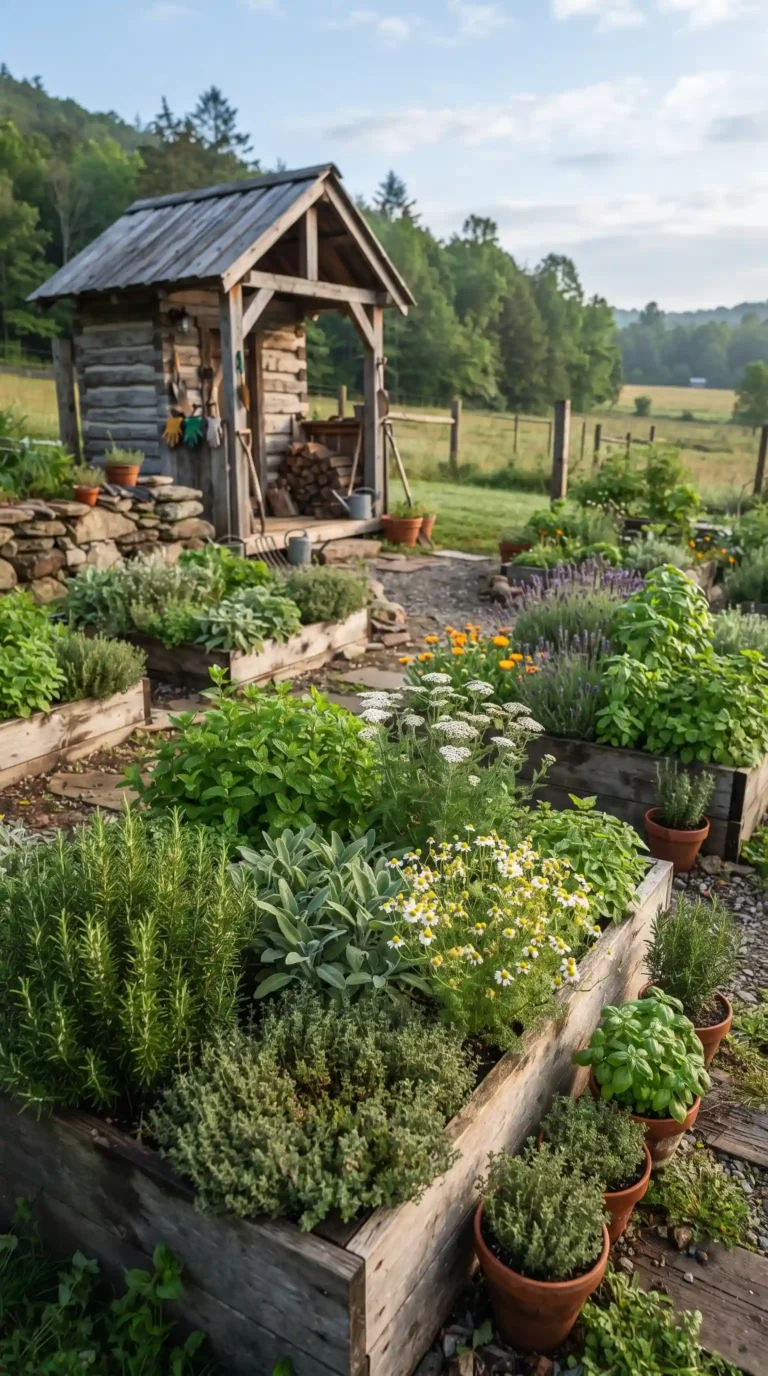
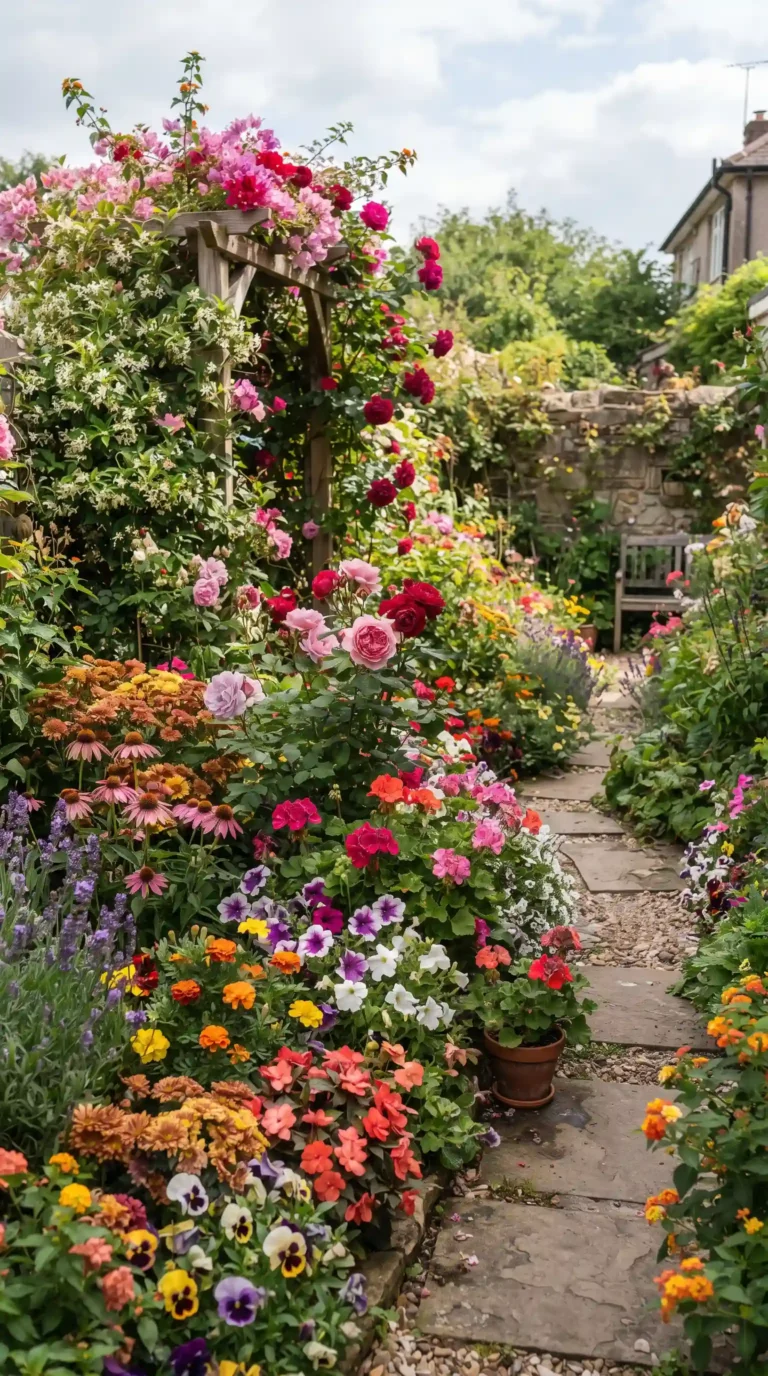
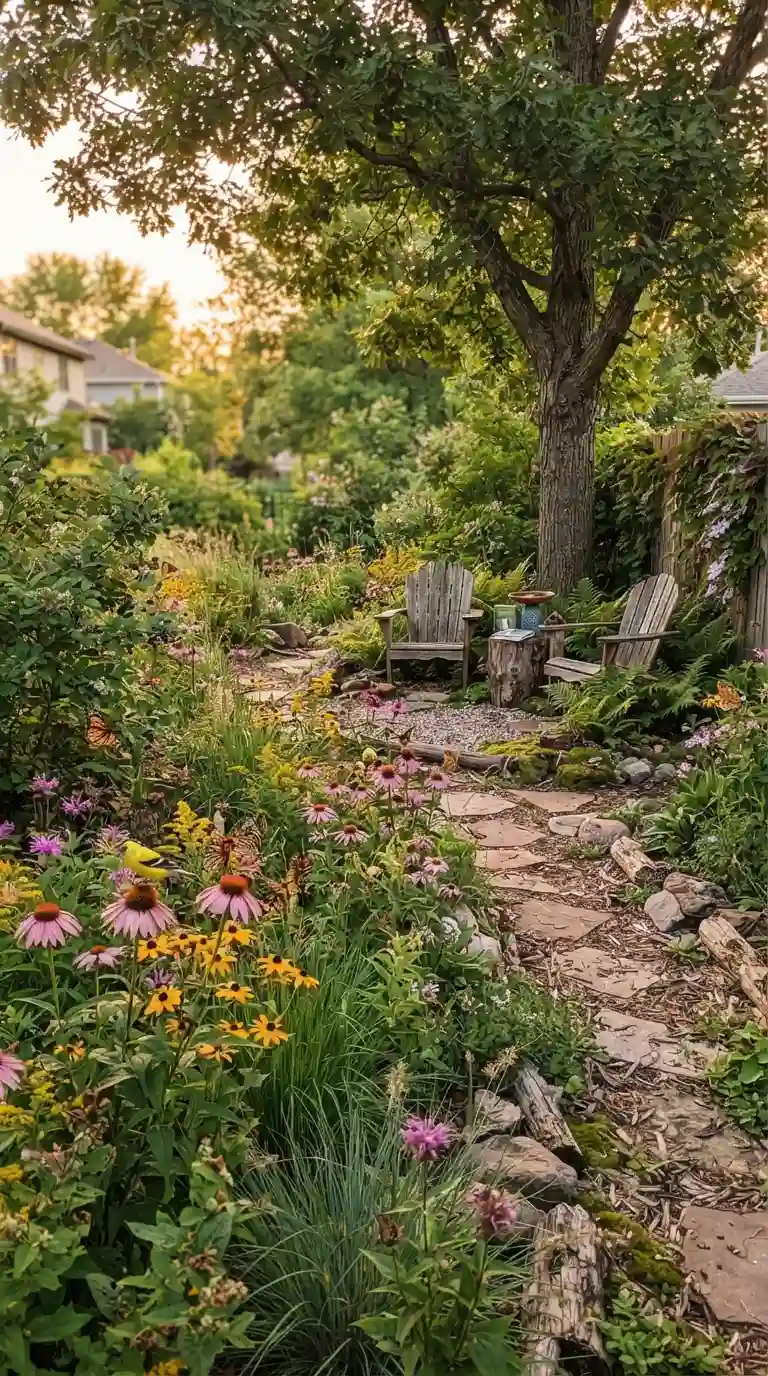
Fire-Safe Landscaping Doesn’t Have to Look Boring
A common misconception is that wildfire-conscious landscaping means removing all attractive plants.
That’s not true.
You can still create a colorful garden using:
- Flowering perennials
- Ornamental grasses selected for appropriate fire characteristics
- Trees with suitable growth habits
- Shrubs
- Groundcovers
- Rock gardens
- Pathways
- Stone walls
- Patios
The key is to create separation and structure instead of dense, continuous vegetation.
OSU Extension notes that fire-wise landscapes can still provide variation in color, texture, flowers, foliage, and privacy.
7 Simple Fire-Safe Landscaping Tips
If you’re starting from scratch, focus on these priorities:
- Keep the area closest to your home as noncombustible as practical.
- Choose plants suited to your climate and fire-risk conditions.
- Separate shrubs and plant groups.
- Keep branches away from roofs and structures.
- Remove ladder fuels beneath trees.
- Clear dead vegetation and debris regularly.
- Use hardscape and gravel strategically to break up vegetation.
Final Thoughts
Creating a fire-safe landscape doesn’t mean sacrificing beauty. It means designing your garden with wildfire behavior in mind.
Choose appropriate plants, give them enough space, maintain healthy vegetation, remove dead material, and create breaks between planting areas. Pay particular attention to the first few feet surrounding your home, where embers and combustible materials can create serious vulnerabilities.
Remember that landscaping is only one part of wildfire preparation. Home hardening, roof and gutter maintenance, ember protection, and following local defensible-space requirements are also important.
If you live in a wildfire-prone area, contact your local fire department, state forestry agency, or university extension service for recommendations specific to your location.
With smart plant choices and consistent maintenance, you can create a landscape that is beautiful, functional, and better prepared for wildfire risk.